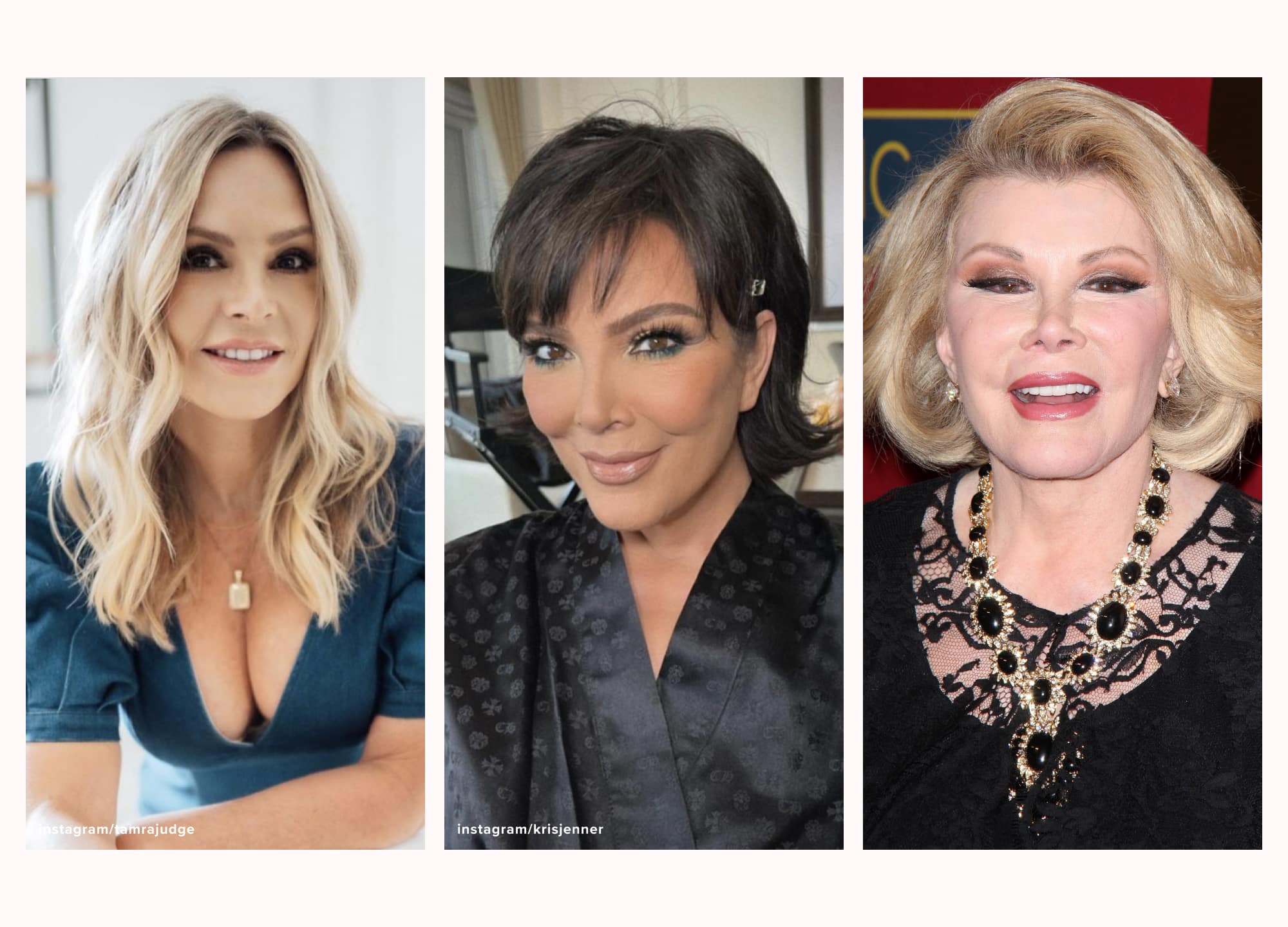
Good Facelifts in Celebrities: Techniques, Natural Results, and Surgical Innovations
A good celebrity facelift relies on advanced anatomical repositioning rather than pulling the skin tight. By lifting deeper structural layers—specifically the Superficial Musculoaponeurotic System (SMAS) and underlying retaining ligame...
A good celebrity facelift relies on advanced anatomical repositioning rather than pulling the skin tight. By lifting deeper structural layers—specifically the Superficial Musculoaponeurotic System (SMAS) and underlying retaining ligaments—top facial plastic surgeons restore youthful midface volume and sharp jawlines while preserving natural facial expressions, undetectable scarring, and structural longevity.
Contents
Modern Facial Rejuvenation: The Shift from "Pulled" to Restored
For decades, public perception of cosmetic facial surgery was shaped by visibly stretched skin, distorted earlobes, and unnatural tightness. Early surgical approaches relied primarily on skin-only cutaneous lifts or aggressive horizontal pulling. These legacy techniques created a distinct "windblown" appearance because skin lacks the structural integrity to hold facial tissues against gravity over time.
In contemporary facial plastic surgery, the definition of a successful outcome has evolved dramatically. A good facelift does not make a patient look like a different person; instead, it makes them look like an energized, well-rested version of their younger self. The shift in modern aesthetic surgery moves away from surface tension toward sub-muscular suspension and anatomical restoration.
- Legacy Approach (Skin Tension): Stretched skin, lateral distortion, short longevity
- Modern Approach (Sub-SMAS Lifts): Vertical elevation, natural expression, concealed scars
Top-tier surgeons operating on high-profile individuals prioritize subtle structural corrections. When a celebrity undergoes a well-executed procedure, the public rarely notes that work was done; instead, commentators attribute the refreshed look to lifestyle changes, weight management, or stress reduction. Achieving this level of subtlety requires deep technical mastery, precise vector selection, and an understanding of dynamic facial anatomy.
Anatomy of a "Good" Facelift: Surgical Indicators
When board-certified facial plastic surgeons evaluate exemplary aesthetic outcomes, they look for specific physical markers that demonstrate technical excellence.
- Upper Face & Temples
- restored Volumetric Midface
- Undistorted Tragus & Earlobe
- Hairline & Temporal Continuity
- Sharp 90-105° Cervicomental Angle
- Crisp, Defined Jawline
- restored Volumetric Midface
Vertical Vector Elevation
Older techniques pulled facial tissues laterally toward the ears, stretching the mouth corners and flattening the cheeks. Modern high-end facelifts utilize a predominantly vertical or diagonal vector. This mimics the natural reverse path of facial aging, raising fallen cheek fat pads (malar fat pads) vertically back to the cheekbones.
Natural Ear and Hairline Landmark Preservation
One of the clearest indicators of sub-optimal surgery is ear distortion. Poorly executed skin tension can pull the earlobe downward into a deformed shape known as a "pixie ear." Additionally, improper incision design can erase the natural sideburn line or push the temporal hairline too far backward. Premium facelifts maintain the exact position of the tragus (the small cartilaginous flap in front of the ear canal) and preserve natural hairline boundaries.
Soft, Defined Jawline and Cervicomental Angle
Youthful aesthetics require a clear distinction between the jawline and the neck. Modern procedures pair midface lifting with targeted neck rejuvenation (platysmaplasty), tightening the underlying platysma muscle to create a sharp, clean neck-to-chin angle (cervicomental angle) between 90 and 105 degrees without visible muscular banding.
Dynamic Facial Mobility
Skin that is secured without excess tension retains full mobility during animation. Smiles remain wide and symmetrical, eye movements are unobstructed, and cheek tissues move fluidly during speech. The static "mask-like" stiffness associated with legacy procedures is completely avoided.
Key Surgical Techniques Behind Natural Celebrity Results
Achieving subtle, high-level facial rejuvenation requires procedures customized to individual bone structure, tissue thickness, and skin elasticity.
- SKIN / EPIDERMIS
- SUBCUTANEOUS FAT LAYER (Malar Pads)
- SMAS LAYER (Superficial Musculoaponeurotic System) - Primary Target
- DEEP RETAINING LIGAMENTS & MUSCLE
- FACIAL BONE
1. The Deep-Plane Facelift
The deep-plane facelift is widely considered the gold standard for long-lasting, natural rejuvenation. Unlike procedures that separate the skin from the underlying muscle, the deep-plane technique enters the sub-SMAS space beneath the muscular layer.
By releasing key facial retaining ligaments—such as the zygomatic and masseteric ligaments—the surgeon can move the deep facial muscles, cheek fat pads, and skin together as a single, intact unit. Because the skin remains attached to the underlying muscle bed, there is zero tension on the skin incisions. This allows for invisible scar healing and eliminates the artificial "stretched" look.
2. Extended SMAS Facelift
In an Extended SMAS (Superficial Musculoaponeurotic System) procedure, the surgeon elevates the skin to expose the underlying connective tissue sheath, then dissects, trims, or folds (imbricates) the SMAS layer upward. The extended variant continues this dissection further into the midface and upper neck, providing robust suspension for moderate-to-severe sagging while maintaining skin softness.
3. High-SMAS and Ponytail Facelift Variations
Popularized among younger patients and mid-career professionals, low-incision or "ponytail" facelifts utilize endoscopes and limited temporal incisions to lift facial tissues. Rather than removing large amounts of excess skin, these procedures focus on lifting deep fascia and securing tissues higher on the skull. They are best suited for candidates with minimal skin laxity who require subtle midface elevation.
4. Structural Fat Grafting and Volumetric Restoration
Loss of facial fat is a major component of aging. Pulling thin, volume-depleted tissue tight creates a hollow, aged appearance. Exceptional surgical outcomes almost always incorporate autologous fat grafting (micro-fat or nano-fat transfer). Surgeons harvest fat cells from the abdomen or thighs, process them, and re-inject them into depleted areas such as the infraorbital rim, temples, lips, and cheeks to restore youthful contours alongside structural lifting.
Expert Analysis: High-Profile Case Studies and Public Transparency
While historical celebrity culture emphasized secrecy around cosmetic surgery, modern figures increasingly discuss their procedures, bringing technical insights into the public conversation.
- High-Profile Transparency Era (Sub-SMAS Dissection + Public Dialogue)
- Anatomical Realignment
- Zero Skin Tension
- Restored Facial Volume
- Hidden Incisions
- Open Patient Education
- Normalization of Surgery
- Focus on Safety & Quality
- Focus on Board Certification
- Anatomical Realignment
Transparency in Modern Rejuvenation
Designer Marc Jacobs publicly documented his deep-plane facelift journey in 2021, showing immediate post-operative recovery through final healing. Medical experts analyzed his result as a classic demonstration of sub-SMAS realignment: his neck, jawline, and midface received significant elevation without altering his natural facial features or eye shape.
Similarly, television personalities such as Sonja Morgan and Kris Jenner have openly discussed undergoings facelifts, highlighting how modern deep-plane and SMAS techniques deliver sharp jawline contours while allowing individuals to continue performing in front of high-definition cameras.
Anatomical Indicators in Well-Preserved Public Figures
When facial plastic surgeons review public figures renowned for aging naturally—such as Brad Pitt, Jennifer Aniston, or Christie Brinkley—they often point out structural stability that aligns with discreet cosmetic maintenance. Whether through non-invasive collagen-stimulation treatments, targeted deep-tissue tightening, or conservative surgical lifts, the visual outcome is characterized by:
- Maintaining a natural facial width (not flattened laterally).
- Retaining full eyelid and eyebrow structural balance.
- Preserving soft, rounded contours over the zygomatic arch (cheekbone) rather than flat, tight planes.
Technical Comparison of Modern Facelift Approaches
Selecting the correct surgical approach depends on tissue thickness, bone structure, age, and previous procedures.
| Technique | Dissection Depth | Ideal Candidate | Longevity | Primary Aesthetic Benefit | Typical Recovery |
|---|---|---|---|---|---|
| Deep-Plane Facelift | Sub-SMAS (Beneath muscle and ligament layer) | Moderate-to-severe facial sagging, midface descent, heavy jowls | 10–15+ Years | Restores cheek volume naturally, releases facial ligaments, zero tension on skin | 14–21 Days |
| Extended SMAS | Subcutaneous skin flap + targeted SMAS elevation | Moderate facial laxity, good tissue elasticity | 10–12 Years | Excellent jawline definition, strong structural neck suspension | 14–21 Days |
| SMAS Plication / Imbrication | Subcutaneous dissection with folded SMAS | Early-to-moderate facial aging, thinner skin types | 7–10 Years | Targeted tightening of middle third of face with smaller dissection area | 10–14 Days |
| Ponytail / Endoscopic Lift | Subperiosteal or deep fascia via tiny temporal incisions | Younger patients (30s–40s) with minimal skin excess | 5–8 Years | Subtle midface elevation, elevated eyebrow position, no visible pre-auricular scars | 7–10 Days |
| Cutaneous (Skin-Only) | Superficial skin layer only | Historical/Obsolete | 2–4 Years | Not recommended: High risk of skin stretching and scar widening | 7–10 Days |
Financial Considerations: What High-End Facelifts Cost
Achieving elite, natural-looking facelift results requires significant financial planning. Premium facial plastic surgery pricing reflects surgeon specialization, geographic location, surgical facility standards, and anesthesiology credentials.
Average Price Range (Standard vs. Premier Tier):
- Standard Board-Certified Practice: $15,000 - $35,000
- Elite Specialist / Major Metro: $50,000 - $150,000+
Key Cost Components
- Surgeon’s Fee: Highly specialized facial plastic surgeons who perform deep-plane lifts exclusively in major metropolitan hubs (such as New York, Beverly Hills, or London) charge higher fees reflecting their specialized expertise and high demand.
- Facility and Operating Room Charges: Accredited surgical facilities (such as AAAASF or AAAHC accredited centers) maintain hospital-grade safety equipment, specialized surgical nurses, and sterile field standards.
- Anesthesia Fees: High-end procedures require a dedicated, board-certified physician anesthesiologist (MD/DO) to manage deep sedation or general anesthesia safely throughout a 3 to 6-hour surgery.
- Adjunctive Procedures: A facelift is rarely performed in isolation. Comprehensive facial rejuvenation typically combines a neck lift, lower blepharoplasty (eyelid surgery), fat transfer, or laser resurfacing to match skin quality with underlying structural repositioning.
How Patients Can Achieve Celebrity-Quality Results
Patients seeking natural facial rejuvenation without an "operated" look should take a structured, careful approach when planning surgery.
- Step 1: Board Certification Verification (ABFPRS / ABPS)
- Step 2: Analysis of Portfolio Vectors (Look for Vertical Lift, Soft Tragus)
- Step 3: Surgical Consultation (Deep-Plane vs. SMAS Tailoring)
- Step 4: Pre- & Post-Operative Optimization (Skin Quality & Scar Management)
1. Select the Right Surgical Specialist
Look for surgeons who are board-certified by the American Board of Facial Plastic and Reconstructive Surgery (ABFPRS) or the American Board of Plastic Surgery (ABPS). Ideal candidates should specialize specifically in facial procedures rather than general body contouring.
2. Evaluate Before-and-After Portfolios Critically
When examining a surgeon’s work, look beyond general tightness. Check for key markers of quality:
- Are the earlobes naturally shaped and unattached to adjacent cheek tissue?
- Are the corners of the mouth in a natural, neutral position rather than pulled sideways?
- Does the cheek area look naturally rounded, or flat and drawn?
- Do patients look like refreshed versions of themselves in lighting similar to their pre-op photos?
3. Prioritize Comprehensive Neck Rejuvenation
A facelift only addresses the lower two-thirds of the face. If the neck is left unaddressed, the aesthetic result will look incomplete. Ensure the surgical plan incorporates muscle tightening (platysmaplasty) and central neck sculpting to create a seamless transition from jawline to neck.
4. Optimize Skin Health Pre- and Post-Op
Surgeons can reposition muscle and fat, but they cannot change skin texture or sun damage through incisions alone. Combining surgical lifting with medical-grade skincare, laser resurfacing, or chemical peels improves skin elasticity, addresses fine lines, and produces a more complete aesthetic outcome.
Potential Risks, Complications, and Limitations
While modern deep-plane and SMAS techniques are safe when performed by experienced specialists, facial surgery carries inherent surgical risks that candidates must evaluate.
- Hematoma: The accumulation of blood under the skin is the most common post-operative complication. It requires prompt medical evaluation and occasional surgical drainage.
- Nerve Injury: Dissection near facial nerve branches poses a small risk of temporary or, rarely, permanent muscle weakness (such as asymmetry in smiling or brow elevation). Deep-plane techniques require advanced knowledge of facial nerve anatomy to navigate safely.
- Scar Hypertrophy and Alopecia: Improper incision placement or tension on skin edges can lead to visible scarring or localized hair loss around temporal incisions.
- Asymmetry: Human faces are naturally asymmetrical. While surgery can improve balance, absolute perfection is anatomically impossible.
- Duration Limitations: No surgical procedure stops the biological aging process. While a deep-plane facelift sets back the appearance of aging by a decade or more, natural facial aging will continue over time.
Medical and Professional Advice Limitations
Facial plastic surgery is a major surgical discipline. The anatomical descriptions, surgical comparisons, and cost ranges provided in this article are for educational and informational purposes only. Individual candidacy, surgical risk profiles, and aesthetic outcomes vary based on tissue quality, medical history, and healing characteristics. Always consult a board-certified facial plastic surgeon or plastic surgeon for personalized medical evaluation and advice.
Frequently Asked Questions
How can you tell if someone has had a good facelift?
A good facelift is virtually undetectable to the casual observer. Key signs include a crisp, defined jawline, restored cheek volume, and smooth neck contours without skin strain. Crucially, the earlobes remain naturally shaped, hairline boundaries are preserved, and facial movements remain soft and fully expressive.
What is the difference between a deep-plane facelift and a traditional facelift?
A traditional (cutaneous or early SMAS) facelift lifts the skin away from underlying tissues and pulls it tight, which can create tension on incisions and a stretched look. A deep-plane facelift dissects beneath the muscle and ligament layer (sub-SMAS), moving facial muscle, deep fat pads, and skin together as a single unit without placing tension on the surface skin.
At what age do most public figures get a facelift?
While historically patients waited until their late 50s or 60s, modern patients often undergo less invasive or deep-plane facelifts in their late 40s to early 50s. Operating when skin elasticity remains relatively strong allows for more subtle corrections and longer-lasting structural support.
How long does a modern high-end facelift last?
A well-executed deep-plane or extended SMAS facelift typically yields results that last 10 to 15 years. While the procedure resets the visual clock by repositioning deep structural tissues, natural aging continues from that new baseline.
Why do some facelifts still look tight or unnatural?
Unnatural results usually occur when a surgeon relies on skin tension rather than structural muscle elevation, or when tissue is pulled in a lateral (horizontal) direction instead of a vertical vector. Over-filling with fat or dermal fillers alongside surgery can also create an overly round, artificial appearance.
Next Steps for Patients Considering Facial Rejuvenation
If you are exploring facial plastic surgery to achieve natural, long-lasting rejuvenation, follow these steps to prepare:
- Schedule In-Person Consultations: Consult with at least two or three board-certified facial plastic surgeons who perform high volumes of deep-plane or extended SMAS procedures annually.
- Discuss Technique Customization: Ask prospective surgeons to explain their chosen dissection approach for your specific tissue thickness, bone structure, and aging patterns.
- Review Full Before-and-After Galleries: Request to see unedited, standardized photographs of patients with facial structures similar to yours, evaluating both profile and frontal views at 6 and 12 months post-op.
- Plan Comprehensive Recovery: Allow 2 to 3 full weeks away from work and public engagements to accommodate swelling and bruising, ensuring optimal healing conditions.
Image Gallery