Understanding Mold Remediation in Saint Augustine Beach
Mold remediation in Saint Augustine Beach involves a structured professional process of identifying, containing, and removing mold growth while addressing the underlying moisture issues common to Florida’s coastal climate. Effective re...
Mold remediation in Saint Augustine Beach involves a structured professional process of identifying, containing, and removing mold growth while addressing the underlying moisture issues common to Florida’s coastal climate. Effective remediation requires adhering to IICRC S520 standards and Florida state licensing laws to ensure property safety and long-term air quality.
Contents
The Unique Coastal Challenges of Saint Augustine Beach
Saint Augustine Beach presents a specific set of environmental challenges that make mold growth almost inevitable without proactive management. Located on Anastasia Island, the area experiences high relative humidity, frequent salt spray, and seasonal tropical weather patterns. These factors create a perennial breeding ground for fungal spores. Unlike inland areas, the coastal humidity in St. Johns County often exceeds 70% for extended periods, providing the constant moisture that mold colonies require to thrive on organic materials like drywall, wood framing, and carpeting.
The proximity to the Atlantic Ocean also introduces salt air, which can be corrosive to HVAC systems. When cooling systems struggle due to salt-induced corrosion, they often fail to dehumidify the indoor air effectively. This mechanical failure, combined with the "stack effect" common in multi-story beach homes, can pull moist air through crawlspaces or garages and distribute spores throughout a residence. Understanding remediation in this local context means recognizing that the solution is never just about "cleaning" the mold; it is about managing the intense coastal moisture load that allows the mold to return.
Identifying the Need for Remediation
Recognizing the signs of a mold problem early can significantly reduce the scope and cost of remediation. In the tight-knit residential communities along A1A, mold issues often manifest in three distinct ways: sensory evidence, physical symptoms, and visible growth.
Sensory and Physical Indicators: A persistent, musty odor—often described as "earthy" or like wet socks—is usually the first indicator of hidden mold. Because mold often grows behind wallpaper or within wall cavities, you may smell it long before you see it. Residents may also experience unexplained respiratory issues, sneezing, or skin irritation that improves when they leave the home. These "sick building syndrome" symptoms are frequently linked to high concentrations of airborne mycotoxins.
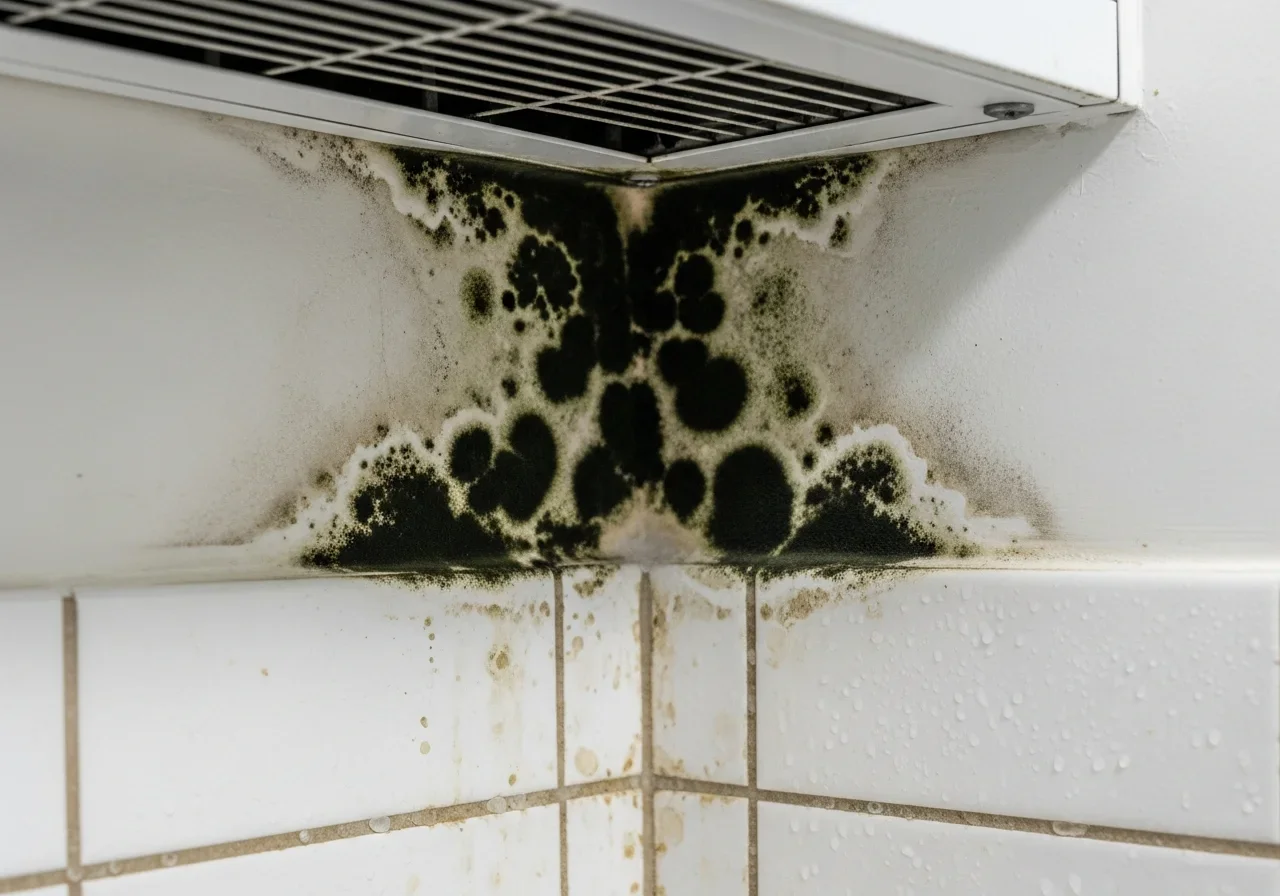
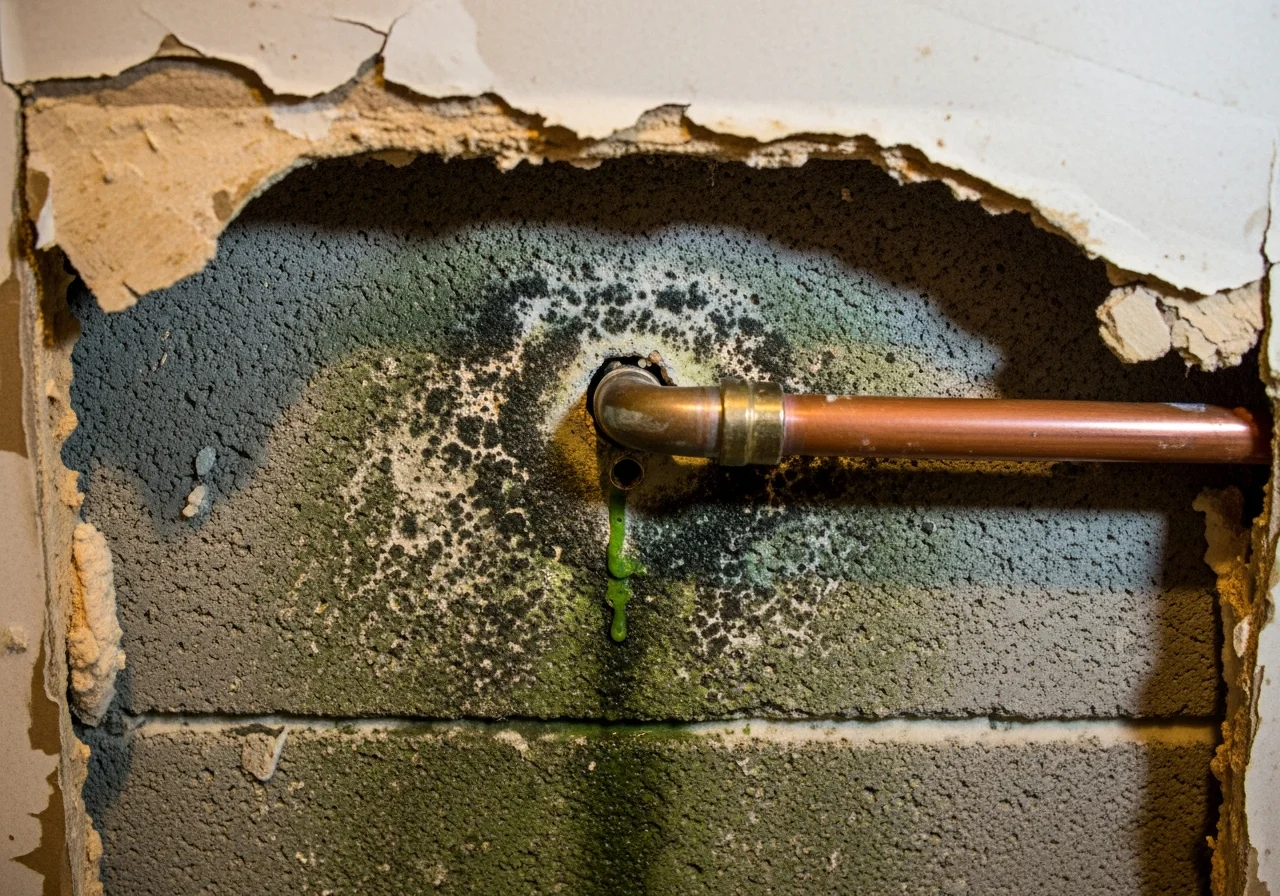
Visible Growth and Water Damage: Visible mold in Saint Augustine Beach homes often appears as spotting on ceilings, baseboards, or around window seals where condensation accumulates. However, discoloration of surfaces is not the only sign. Bulging drywall, peeling paint, or "bubbling" wallpaper often indicates trapped moisture and active fungal colonies beneath the surface. If you have experienced a recent pipe leak or storm-related water intrusion from a hurricane or nor'easter, professional assessment is recommended even if mold is not yet visible, as spores can begin colonizing within 24 to 48 hours.
Florida Licensing and Legal Requirements in 2026
As of 2026, Florida remains one of the most strictly regulated states regarding mold services. Under Florida Statute Part XVI, Chapter 468, there is a clear distinction between a Mold Assessor and a Mold Remediator. This legal framework is designed to protect consumers from conflicts of interest.
- The Mold Assessor: This professional is licensed to perform the initial inspection, take air and surface samples, and write the "Remediation Protocol." They determine the type of mold present and the extent of the contamination.
- The Mold Remediator: This professional is licensed to execute the cleanup and structural repairs based on the assessor's protocol.
In the state of Florida, it is generally considered a conflict of interest for the same company to perform both the assessment and the remediation on a single project exceeding 10 square feet of mold. Property owners in Saint Augustine Beach should verify licenses through the Florida Department of Business and Professional Regulation (DBPR). Hiring unlicensed contractors not only risks poor workmanship but can also complicate insurance claims and future property disclosures during a home sale.
The Professional Remediation Process: Step-by-Step
When a professional team arrives at a Saint Augustine Beach property, they follow a standardized sequence of events designed to protect both the occupants and the rest of the structure.
1. Containment and Pressure Management
The first step in any legitimate remediation project is the establishment of containment. Using 6-mil fire-retardant polyethylene sheeting, technicians seal off the affected area from the rest of the house. To prevent spores from escaping during the removal process, "negative air pressure" is established using High-Efficiency Particulate Air (HEPA) air scrubbers. This ensures that air only flows into the contaminated zone, not out of it.
2. HEPA Filtration and Air Scrubbing
Because mold spores are microscopic, standard vacuum cleaners or air filters are insufficient. Remediation teams use industrial-grade HEPA filters capable of capturing 99.97% of particles as small as 0.3 microns. These machines run continuously throughout the process to "scrub" the air of floating spores and volatile organic compounds (VOCs).
3. Removal of Impacted Materials
Materials are categorized as porous, semi-porous, or non-porous.
- Porous materials: Drywall, insulation, and carpeting that have been heavily colonized must typically be removed and disposed of as "controlled waste."
- Non-porous materials: Metals, glass, and hard plastics can usually be cleaned and salvaged using antimicrobial solutions and HEPA vacuuming.
- Semi-porous materials: Solid wood framing can often be saved through "controlled abrasion" methods like media blasting or wire brushing, followed by the application of an encapsulant.
4. Antimicrobial Treatment and Cleaning
Once the bulk of the moldy material is removed, all remaining surfaces within the containment zone undergo a "HEPA-sandwich" cleaning process. This involves HEPA vacuuming, followed by damp wiping with an EPA-registered antimicrobial solution, and a final round of HEPA vacuuming. This ensures that even the microscopic "roots" (hyphae) of the mold are addressed.
5. Drying and Dehumidification
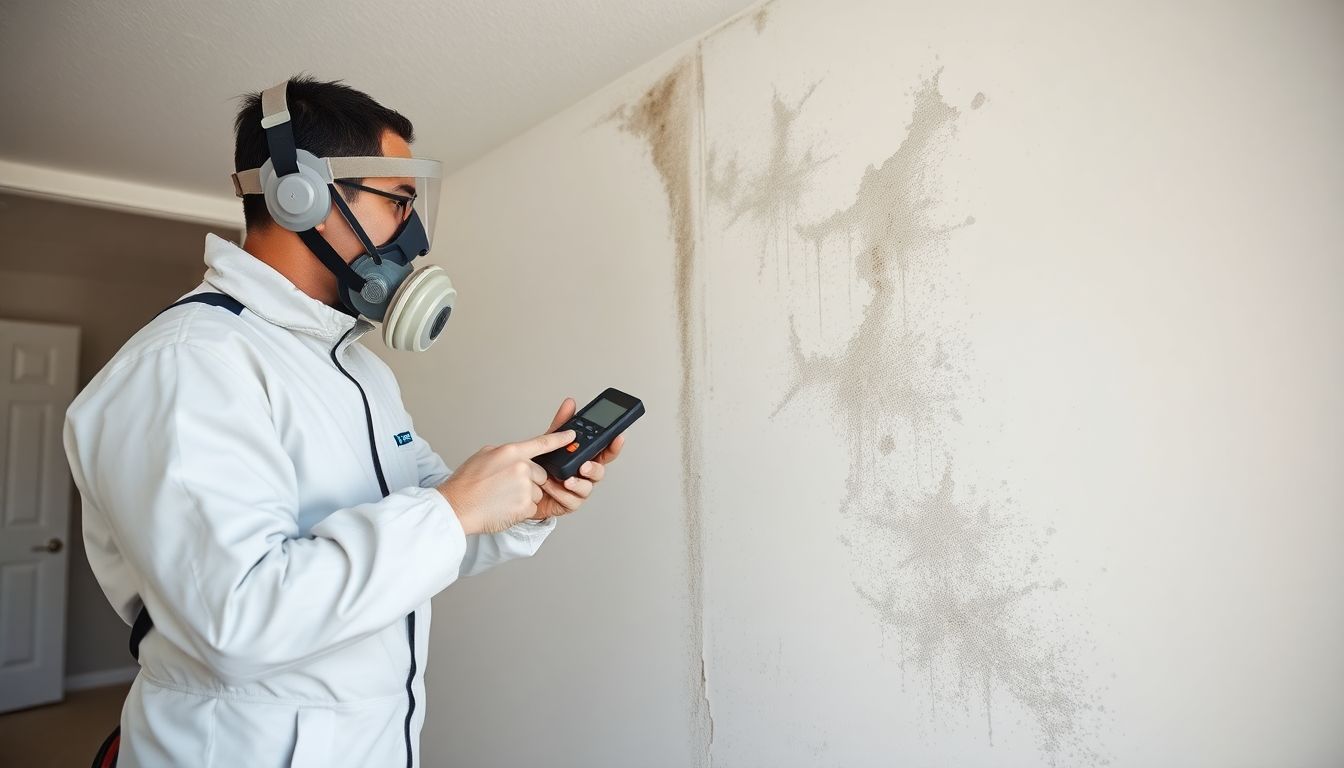
Remediation cannot be considered complete until the moisture source is eliminated. Professionals use moisture meters and thermal imaging cameras to ensure that structural studs and subfloors have reached an "equilibrium moisture content" (typically below 15%). In the Saint Augustine Beach climate, this often requires heavy-duty LGR (Low Grain Refrigerant) dehumidifiers.
Comparison of Remediation Levels and Scopes
The scale of remediation is often dictated by the square footage of the affected area. The following table outlines the standard classifications used by professionals to determine the necessary level of intervention.
| Remediation Level | Total Area Affected | Typical Scope of Work | Equipment Required |
|---|---|---|---|
| Level 1 (Small) | Under 10 sq. ft. | Localized cleaning; often involves baseboard or small drywall patches. | N-95 Respirator, HEPA vacuum, antimicrobial wipes. |
| Level 2 (Medium) | 10 to 30 sq. ft. | Removal of wall sections; source identification; basic containment. | Partial containment, air scrubbers, disposable coveralls. |
| Level 3 (Large) | 30 to 100 sq. ft. | Extensive structural cleaning; multi-room containment; HVAC evaluation. | Full containment, negative air machines, moisture mapping. |
| Level 4 (Extensive) | Over 100 sq. ft. | Major reconstruction; full floor-to-ceiling decontamination; high-risk. | Full PPE with PAPR, multiple industrial dehumidifiers, 24/7 monitoring. |
Cost Considerations and Insurance in 2026
The cost of mold remediation in Saint Augustine Beach varies widely based on the size of the contamination and the accessibility of the area (e.g., a crawlspace versus a living room). On average, residential remediation projects in 2026 range from $2,500 to $7,000, while extensive cases involving HVAC systems or structural rebuilds can exceed $15,000.
Insurance Limitations: Property owners must be aware that standard Florida homeowners' insurance policies often have "mold caps" (frequently $10,000 or $5,000). Furthermore, mold is typically only covered if it is the result of a "sudden and accidental" peril, such as a burst pipe. Mold resulting from "long-term seepage" or high humidity due to poor maintenance is generally excluded. In coastal areas like St. Augustine Beach, it is vital to distinguish between mold caused by a hurricane's wind-driven rain (often covered under homeowners) and mold caused by rising floodwaters (which requires a separate National Flood Insurance Program policy).
Post-Remediation Verification (PRV)
The final step in any professional project is Post-Remediation Verification, often called "Clearance Testing." This should be performed by an independent Mold Assessor, not the remediation company. The PRV involves:
- Visual Inspection: Checking for dust, debris, or visible moisture.
- Moisture Testing: Confirming that all materials are dry.
- Air Sampling: Comparing the indoor spore counts to the outdoor baseline.
For a successful "pass," the indoor spore count should be lower than the outdoor air, and there should be no "marker spores" (like Stachybotrys or Chaetomium) present in significant quantities.
Frequently Asked Questions
Can I use bleach to kill mold in my beach house?
While bleach is effective for non-porous surfaces like tile or glass, it is generally ineffective for porous materials like drywall or wood. Bleach consists mostly of water; the chlorine stays on the surface while the water soaks into the material, potentially feeding the mold roots that remain deep inside. Professional remediators use EPA-registered fungicides designed to penetrate surfaces.
How long does the remediation process usually take?
A standard residential remediation project in Saint Augustine Beach typically takes 3 to 5 days. This includes the setup of containment, the removal of materials, and the required drying time for structural elements. Larger projects or those requiring significant demolition and reconstruction will take longer.
Is it safe to stay in the home during remediation?
If the mold is localized to a single room and professional containment is used, it is often safe to stay in the home. However, if the HVAC system is contaminated or if the remediation area is a primary living space (like the kitchen), relocation is recommended. Those with asthma, mold allergies, or compromised immune systems should always vacate the property until a clearance certificate is issued.
Why did mold grow if I keep my air conditioner running?
In Saint Augustine Beach, an oversized AC unit can actually cause mold. If the unit is too large for the square footage, it "short-cycles," meaning it cools the air quickly but doesn't run long enough to remove moisture. This results in a cold, damp environment. Experts recommend maintaining indoor relative humidity below 50% using a combination of a properly sized AC and supplemental dehumidifiers.
Does homeowners insurance cover mold from a hurricane?
If the mold is a direct result of water entering through a hole in the roof or a broken window caused by wind, it is typically covered under the windstorm portion of your policy. However, if the mold grew because the power was out for two weeks and the humidity spiked, many insurers will deny the claim based on "failure to mitigate."
Practical Recommendation for Property Owners
If you suspect mold in your Saint Augustine Beach property, your first action should be to identify and stop the moisture source. Once the leak is stopped, hire a licensed Mold Assessor to provide a professional protocol before calling a remediation company. This ensures you have a neutral third-party roadmap for the cleanup, preventing unnecessary costs and ensuring the job is done correctly the first time. Always demand a Post-Remediation Verification report to confirm that your indoor air quality has been restored to safe levels.
Disclaimer: This information is for educational purposes and does not constitute legal, medical, or professional engineering advice. Always consult with a licensed professional for specific property concerns.
Image Gallery