Why a Corolla is a Compact Car: Understanding the Segment Leader
A Toyota Corolla is a compact car because it fits the specific size, interior volume, and market positioning criteria established by regulatory bodies like the EPA. Specifically, it offers between 100 and 109 cubic feet of combined pas...
A Toyota Corolla is a compact car because it fits the specific size, interior volume, and market positioning criteria established by regulatory bodies like the EPA. Specifically, it offers between 100 and 109 cubic feet of combined passenger and cargo volume, balancing fuel efficiency with practical urban maneuverability and reliability.
Contents
The designation of a vehicle as a "compact car" is not merely a marketing term; it is a classification rooted in engineering specifications and regulatory standards. For decades, the Toyota Corolla has served as the global benchmark for this segment. In 2026, the Corolla continues to define what a compact vehicle should be by integrating advanced hybrid technology, sophisticated safety suites, and a chassis designed for both efficiency and durability. Understanding why the Corolla is classified this way requires looking at the technical dimensions, the evolution of the C-segment, and how it compares to its subcompact and mid-size counterparts.
The Technical Definition of a Compact Car
In the United States, the Environmental Protection Agency (EPA) classifies cars based on their interior volume index, rather than their exterior dimensions alone. This index is the sum of the passenger volume and the cargo volume. To be classified as a compact car, a vehicle must have a combined interior volume of 100 to 109 cubic feet.
The Toyota Corolla sedan consistently falls within this range. While exterior styling might change to improve aerodynamics or pedestrian safety, the interior remains focused on maximizing the "C-segment" footprint. This segment—the international term for compact cars—is designed to provide enough space for five adult passengers while maintaining a small enough exterior to navigate narrow city streets and fit into standard parking spaces.
Dimensions and Footprint
The 2026 Corolla features a wheelbase of approximately 106.3 inches. This measurement is critical because it dictates the "greenhouse" or the cabin size. A longer wheelbase often pushes a car into the mid-size category (like the Toyota Camry), whereas a shorter one would relegate it to the subcompact category (like the Toyota Yaris). By maintaining this specific wheelbase, Toyota ensures the Corolla provides stable highway handling without losing the "flickability" expected of a smaller car.
The Evolution of the Corolla’s Classification
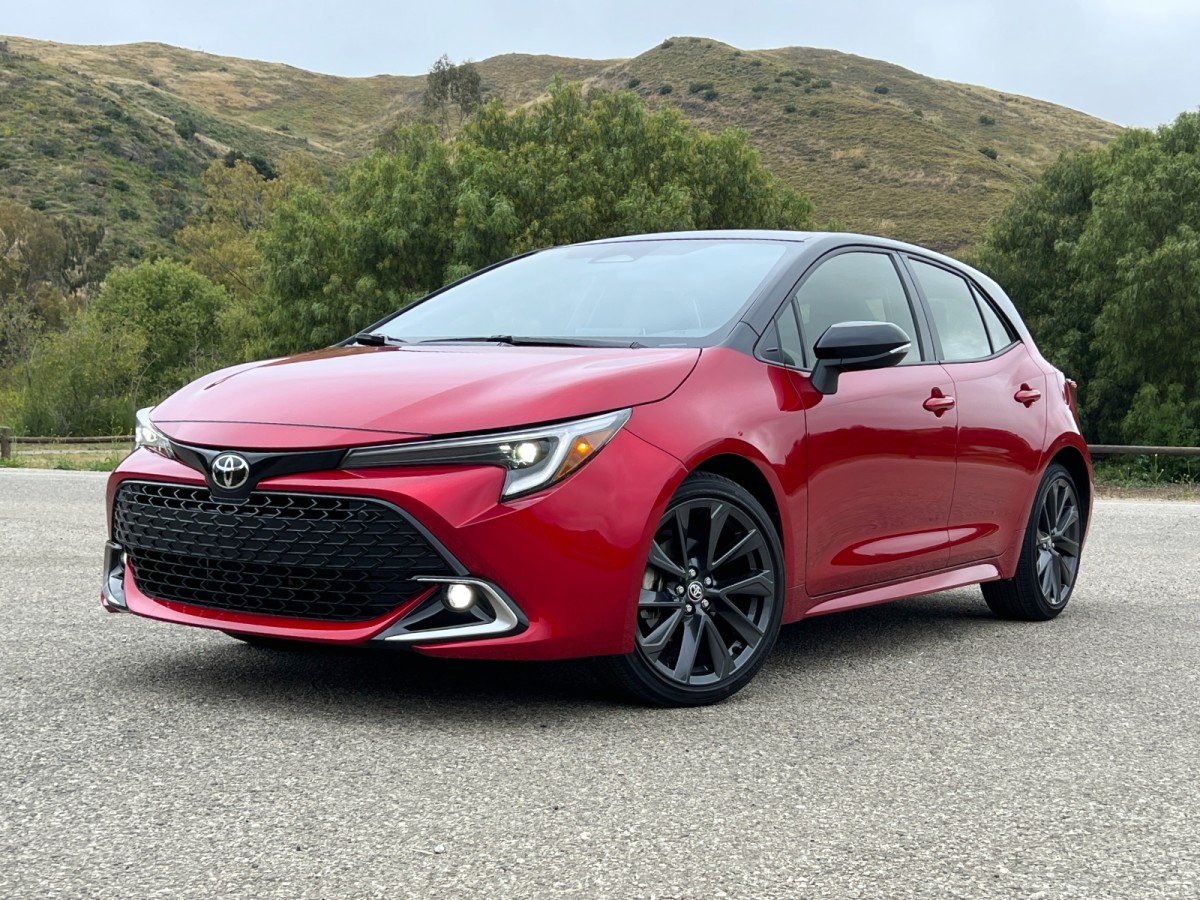
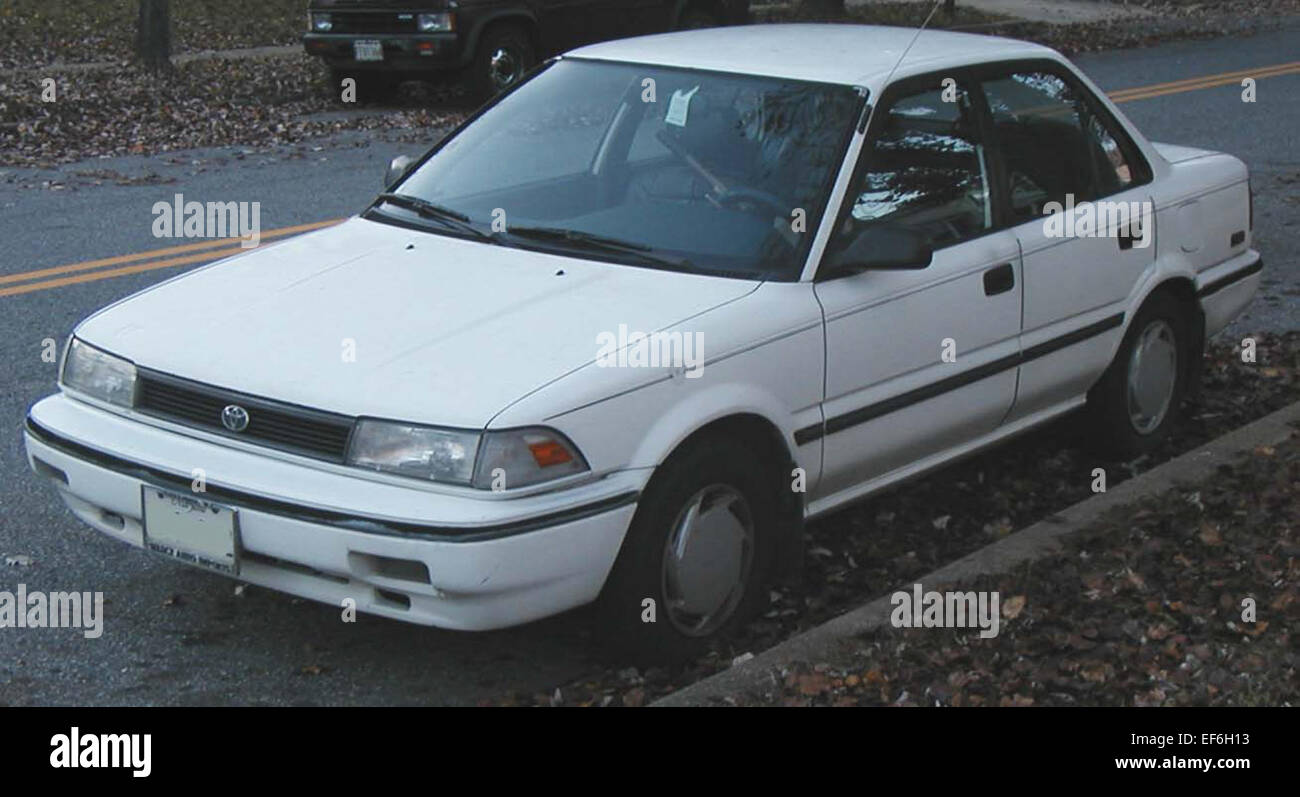
It is a common misconception that the Corolla has always been a compact car. When it first launched in 1966, the Corolla was significantly smaller and would be considered a "subcompact" or even a "city car" by modern standards. Over the decades, "segment creep" has occurred. As safety regulations required more robust crumple zones and consumers demanded more legroom, the Corolla grew in size.
By the early 1990s, the Corolla officially moved from the subcompact class into the compact class. This transition allowed Toyota to introduce the Yaris/Echo to fill the entry-level subcompact gap. In 2026, the Corolla occupies a "sweet spot" in the market. It is large enough to serve as a primary vehicle for small families but remains more affordable and fuel-efficient than larger sedans or crossovers.
Engineering and the TNGA-C Platform
A major reason the Corolla remains a leader in the compact segment is the Toyota New Global Architecture (TNGA-C) platform. This modular unibody chassis is specifically engineered for compact vehicles. The "C" in TNGA-C stands for compact, emphasizing its dedicated purpose.
Benefits of the TNGA-C Chassis:
- Lower Center of Gravity: By mounting the engine and seats lower, the Corolla achieves better handling stability than traditional top-heavy economy cars.
- Structural Rigidity: High-strength steel is used in critical junctions, improving crash safety without adding excessive weight that would ruin fuel economy.
- Multi-Link Rear Suspension: Unlike many budget-focused compacts that use a simple torsion beam, the Corolla often utilizes a more sophisticated multi-link setup, providing a smoother ride typical of larger, more expensive vehicles.
This engineering focus ensures that while the Corolla is "compact" in size, it does not feel "cheap" or "flimsy" on the road. The 2026 model year continues to refine this platform to accommodate both internal combustion engines and hybrid battery packs without sacrificing trunk space.
Power and Efficiency in the Compact Segment
One of the defining characteristics of a compact car is its balance of power and economy. A compact car typically does not need a massive V6 engine; instead, it relies on highly efficient four-cylinder powerplants.
For 2026, the Corolla primarily utilizes the 2.0-liter Dynamic Force four-cylinder engine. This engine is a masterpiece of thermal efficiency, achieving nearly 40% efficiency in its combustion process. In the compact segment, owners prioritize "Total Cost of Ownership," and the Corolla delivers this through high MPG ratings.
The Hybrid variants of the Corolla further cement its compact-class dominance. By utilizing a 1.8-liter engine paired with electric motors, the Corolla Hybrid offers an available Electronic On-Demand All-Wheel Drive (AWD) system. This is a significant technical achievement for a compact car, as AWD systems usually require bulky mechanical components that would intrude into the passenger cabin of a smaller vehicle.
2026 Toyota Corolla Trim Comparison
To understand how the Corolla fits different needs within the compact segment, it is helpful to look at the current trim levels available in 2026.
| Feature | Corolla LE (Base) | Corolla SE (Sport) | Corolla XSE (Premium) |
|---|---|---|---|
| Engine | 2.0L 4-Cylinder | 2.0L 4-Cylinder | 2.0L 4-Cylinder |
| Transmission | CVT | Dynamic-Shift CVT | Dynamic-Shift CVT |
| Wheel Size | 16-inch Steel | 18-inch Alloy | 18-inch Alloy |
| Interior Volume | 103.3 cu. ft. | 103.3 cu. ft. | 103.3 cu. ft. |
| Key Safety | TSS 3.0 | TSS 3.0 | TSS 3.0 + Blind Spot |
| Fuel Economy | ~35 MPG Combined | ~33 MPG Combined | ~33 MPG Combined |
Note: Hybrid versions of these trims typically increase combined fuel economy to 45–50 MPG.
Safety Technology in Compact Vehicles
In the past, choosing a compact car meant sacrificing safety for the sake of price and size. That is no longer the case. The 2026 Corolla includes Toyota Safety Sense 3.0 (TSS 3.0) as standard equipment across all grades. This suite of "active" safety features uses radar and camera technology to provide:
- Pre-Collision System with Pedestrian Detection: Automatically applies brakes if a collision is imminent.
- Lane Departure Alert with Steering Assist: Helps keep the compact frame centered in its lane on the highway.
- Full-Speed Range Dynamic Radar Cruise Control: Maintains a set distance from the car ahead, even in stop-and-go traffic.
By including these features, the Corolla proves that "compact" refers to size, not a reduction in protection. In fact, compact cars like the Corolla often earn top safety picks from the Insurance Institute for Highway Safety (IIHS) and the National Highway Traffic Safety Administration (NHTSA).
Economic Advantages of the Compact Classification
Choosing a compact car like the Corolla offers significant financial benefits over mid-size sedans or SUVs. These advantages are categorized into three main areas:
1. Purchase Price and Insurance
Compact cars generally have a lower MSRP than larger vehicles. Furthermore, because they are easier to repair and have high safety ratings, insurance premiums for a Corolla are often lower than those for a full-size SUV or a performance vehicle.
2. Maintenance and Longevity
The mechanical simplicity of a compact, front-wheel-drive vehicle means there are fewer parts to break. The Corolla is world-renowned for its reliability. In 2026, it remains one of the few vehicles where reaching 200,000 miles with only basic maintenance is considered the standard, not the exception.
3. Resale Value
The Corolla consistently holds one of the highest resale values in the automotive industry. Because there is always a high demand for fuel-efficient, reliable compact cars, owners can expect to recoup a significant portion of their investment when it comes time to trade in.
Common Misconceptions About Compact Cars
As the market shifts toward SUVs, several myths about compact cars like the Corolla have emerged. It is important to address these to understand the vehicle's true utility.
- "Compact cars are unsafe in crashes with SUVs." While mass matters in a collision, modern crumple zones and side-impact reinforcements in the Corolla are designed to interact safely with larger vehicles.
- "There isn't enough room for a family." While a compact car isn't ideal for a family of five on a cross-country road trip, the 100+ cubic feet of interior space is more than sufficient for two car seats or three children in the rear.
- "They are too slow for highway merging." The shift to the 2.0L engine in the standard Corolla has provided a significant boost in horsepower (approx. 169 hp), making highway entry and overtaking much easier than in compact cars of the past.
Frequently Asked Questions
Is the Toyota Corolla considered a subcompact or a compact?
The Toyota Corolla is officially classified as a compact car. While its predecessor decades ago was a subcompact, the modern Corolla’s interior volume (over 100 cubic feet) places it firmly in the compact (C-segment) category. The Toyota Corolla Cross, however, is often categorized as a subcompact SUV.
How does the Corolla’s size compare to the Honda Civic?
Both the Toyota Corolla and the Honda Civic are the primary competitors in the compact car segment. They share very similar dimensions, with wheelbases and interior volumes that are nearly identical. The Civic occasionally leans toward the upper limit of the compact category, sometimes verging into the "mid-size" volume range depending on the specific trim and body style (hatchback vs. sedan).
Can a Corolla fit a rear-facing car seat?
Yes, a compact car like the Corolla can accommodate a rear-facing car seat. However, depending on the size of the car seat and the height of the front passenger, legroom in the front seat may be slightly compromised. For most families, the Corolla serves as an excellent, budget-friendly urban family vehicle.
What is the average lifespan of a compact Corolla?
With proper maintenance, a Toyota Corolla can easily last 250,000 to 300,000 miles. The compact engineering is designed for durability and ease of service, which contributes to its reputation as one of the longest-lasting vehicles on the road today.
Is the Corolla Hatchback smaller than the Sedan?
In terms of exterior length, the Hatchback is shorter, which makes it even easier to park. However, it offers a different type of utility. While the sedan has a traditional trunk, the hatchback allows for taller items to be loaded when the rear seats are folded down, though it often has slightly less rear-seat legroom than the sedan.
Final Recommendation
If you are looking for a vehicle that balances cost, efficiency, and modern technology, the Toyota Corolla remains the definitive choice in the compact car segment. Its classification as a compact car ensures that you get a vehicle that is easy to drive in congested areas without sacrificing the essential safety and comfort features found in larger models. For 2026, the Corolla stands as a testament to the idea that a "small" car can deliver "big" value. Those prioritizing fuel economy should look specifically at the Hybrid SE trim, which offers the best mix of performance and savings.
Image Gallery