How Much Is a CVS MinuteClinic Visit Without Insurance in 2026
If you visit a CVS MinuteClinic without health insurance, you can expect to pay between $99 and $189 per visit in 2026, depending on the complexity of the service required. Prices are standardized by category, covering basic screenings...
If you visit a CVS MinuteClinic without health insurance, you can expect to pay between $99 and $189 per visit in 2026, depending on the complexity of the service required. Prices are standardized by category, covering basic screenings, minor illness consultations, and essential vaccinations, with additional costs applied for lab tests or specific medical procedures performed during your session.
Contents
Understanding the Cost Structure of Out-of-Pocket Care
CVS MinuteClinic operates on a transparent, fee-for-service model designed to provide accessible healthcare outside of traditional primary care environments. Without insurance, patients are considered self-pay, meaning the full cost of the consultation and any associated diagnostics must be settled at the time of service.
The pricing tiers are structured based on the clinical time required and the resources utilized. Because these clinics are staffed primarily by Nurse Practitioners (NPs) or Physician Assistants (PAs), the overhead is lower than an emergency room or a private specialist office, keeping costs predictable. It is important to note that the base fee for a "visit" covers the assessment and consultation, but does not typically include the retail price of prescription medications dispensed or sent to the pharmacy, nor does it cover specialized diagnostic imaging.
Breakdown of Service Costs and Fee Categories
In 2026, the cost of services is divided into distinct categories. Patients should be aware that if a visit spans multiple concerns—for instance, a physical exam combined with a diagnostic test for a skin condition—the clinic may bill for the primary consultation plus separate fees for individual tests or procedures.
| Service Category | Estimated Cost Range (2026) |
|---|---|
| Minor Illness Consult (e.g., Cold, Flu, Sinus) | $99 – $129 |
| Physical Exams (Sports, Camp, or Basic Wellness) | $79 – $119 |
| Minor Injuries (Sprains, Small Cuts, Minor Burns) | $109 – $149 |
| Skin Condition Assessment (Acne, Rashes) | $99 – $139 |
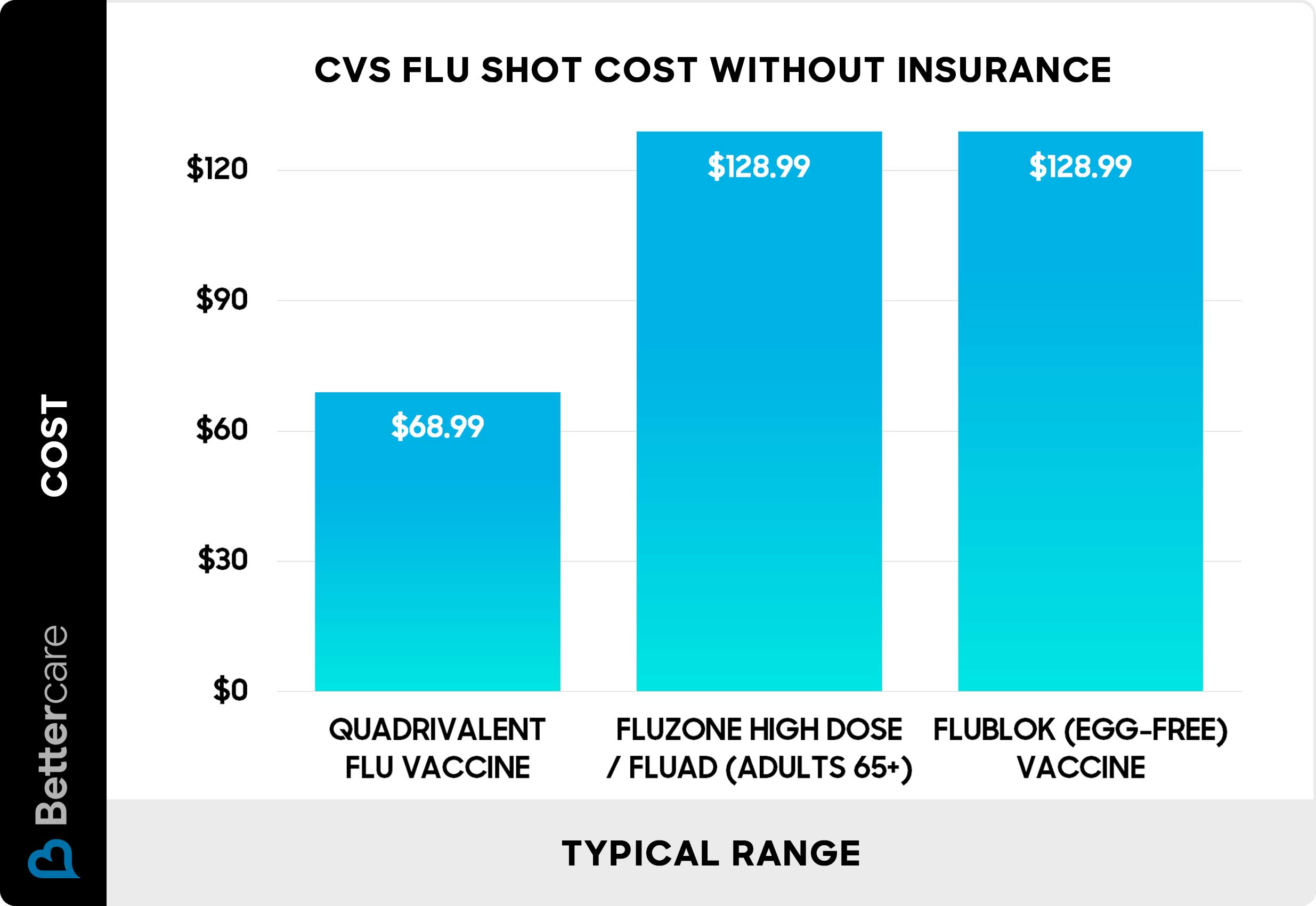
| Vaccinations (Administrative Fee + Vaccine Cost) | $40 – $189 |
| Point-of-Care Lab Tests (Flu, Strep, COVID-19) | $35 – $95 |
Note: Prices are subject to minor regional adjustments based on state-specific overhead and local labor market demands. Always confirm the current fee with your local clinic location prior to your appointment.
Factors That Influence Your Final Bill
While the base consultation fee is fixed, several variables can increase the final amount you pay at the register. Understanding these factors is critical for accurate budgeting.
- Diagnostic Testing: Many visits require point-of-care testing to confirm a diagnosis. A rapid strep test or an influenza swab involves a separate fee in addition to the base exam fee.
- Procedure Fees: If your visit requires a procedure, such as the removal of a foreign body, ear wax removal, or the stitching of a minor laceration, these services are billed per procedure.
- Medication Administration: While the cost of the vaccine itself is often predictable, the professional fee for administering the injection is billed separately if it is not included in a wellness package.
- Complexity of Care: If a patient presents with multiple unrelated symptoms, the practitioner may need to document and treat each separately, which can lead to higher charges than a singular, focused consultation.
The Role of Preventive Care and Wellness Packages
For those without insurance, MinuteClinic offers value through bundled services. Preventive care, such as annual physicals or school-entry exams, is often priced as a "flat rate" to encourage patient health management. By utilizing these packages, you avoid the additive pricing model applied to multiple individual services.
In 2026, CVS has continued to emphasize digital access. Using the online scheduling tool allows you to view the anticipated price of a specific service before you confirm your appointment, providing a layer of financial certainty that is rarely available in hospital systems.
Navigating Payment and Financial Assistance
Since CVS MinuteClinic is a retail-based health provider, they do not offer sliding-scale fees based on income, which is a common feature of Federally Qualified Health Centers (FQHCs). Payment is expected at the time of service via credit card, debit card, or health savings account (HSA/FSA) funds.
Important Financial Considerations for Self-Pay Patients
Acceptable Payment Methods: You should be prepared to use a major credit card, debit card, or a valid HSA/FSA card. Cash payments are generally not accepted at the point of service due to security and operational protocols.
Reimbursement Documentation: Even if you are uninsured at the time of your visit, always request an itemized receipt (also known as a Superbill). If you obtain insurance coverage later in the year, you may be able to submit these records for retrospective processing or tax documentation purposes.
Health Savings Accounts: If you have an HSA or an FSA, these funds are fully eligible for use at MinuteClinic, even for routine wellness exams or vaccinations, as these are qualified medical expenses under current IRS guidelines.
Comparing MinuteClinic to Alternatives
When deciding where to go for care, compare the retail clinic model against other low-cost options.
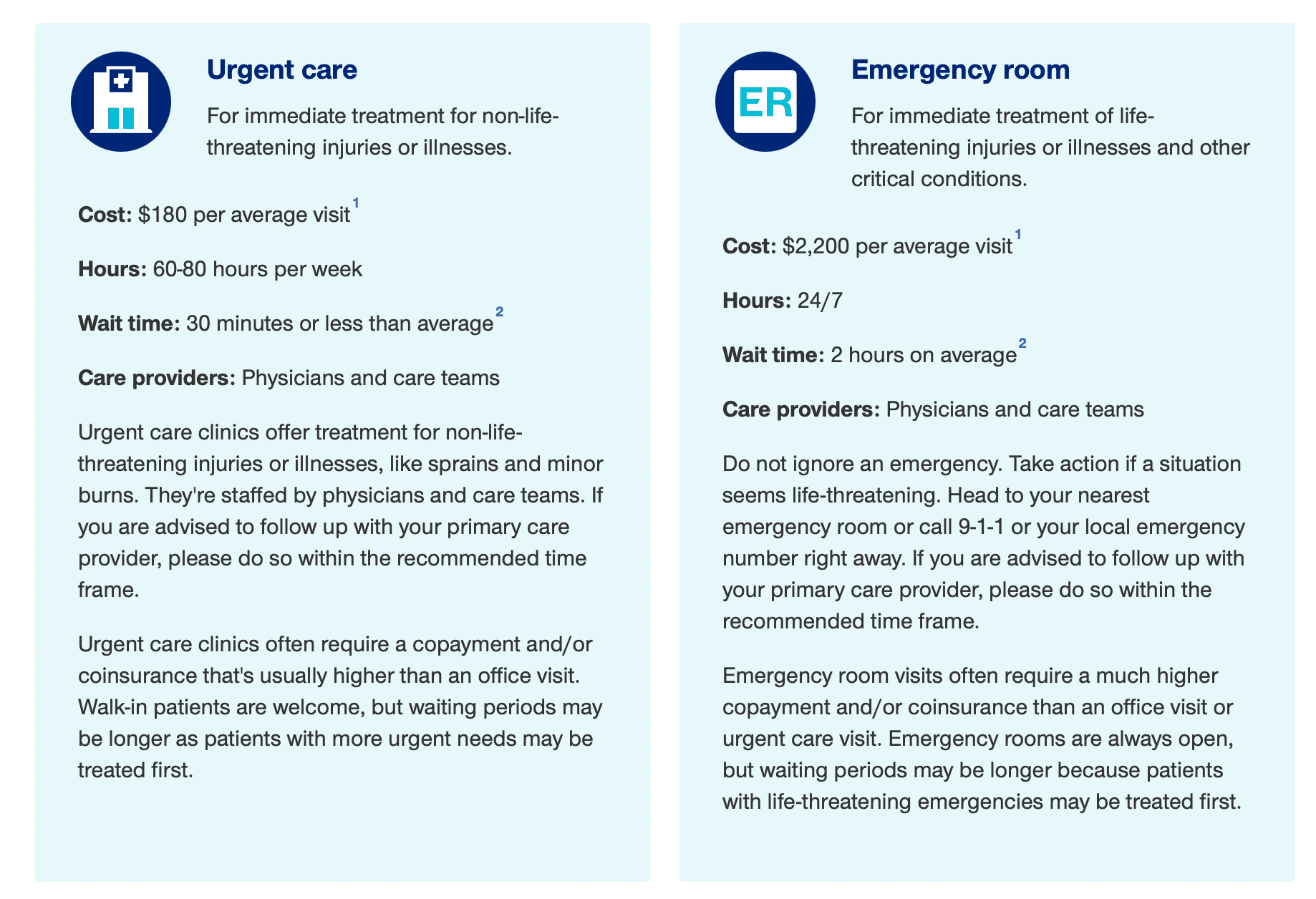
- Urgent Care Centers: While Urgent Cares have more diagnostic equipment (such as X-ray machines), they are almost always more expensive for self-pay patients than a MinuteClinic.
- Federally Qualified Health Centers (FQHCs): If you are uninsured and low-income, an FQHC is often the most cost-effective route, as they operate on a sliding-fee scale based on your federal poverty level.
- Emergency Departments: These should be reserved for life-threatening issues. An ER visit for a minor ailment without insurance can result in a bill exceeding $1,000, which is significantly higher than any retail clinic fee.
Frequently Asked Questions
Does MinuteClinic offer payment plans for those without insurance? No, CVS MinuteClinic does not offer installment or payment plans. The full balance is due at the time of the appointment.
Are lab tests included in the base consultation price? No, lab tests are considered separate services. If your provider determines you need a test for an infection or other condition, it will be added to your final bill.
Is there a difference in price if I book online versus walk-in? Pricing for services remains the same, though booking online is strongly recommended. It ensures the practitioner has the necessary time reserved and allows you to view the price transparency tool before arrival.
Can I use my FSA/HSA card to pay for the visit? Yes, funds from a Flexible Spending Account or Health Savings Account are fully applicable for all services provided at MinuteClinic in 2026.
Does a visit for a physical include the price of vaccinations? Generally, no. A wellness physical is a distinct service. If you require vaccinations during the same visit, the cost of the vaccine and the administration fee will be added to the physical exam fee.
Strategic Recommendation for Uninsured Patients
If you are planning a visit, start by checking the CVS website to confirm your specific state's pricing, as minor fluctuations occur. Before confirming your appointment, verify if your issue is truly treatable at a retail clinic. If you have chronic conditions that require high-level management or ongoing prescription monitoring, prioritize finding a local FQHC. However, for acute, minor issues or necessary vaccinations, the MinuteClinic provides the most efficient and price-transparent pathway for self-pay care in 2026.
Image Gallery