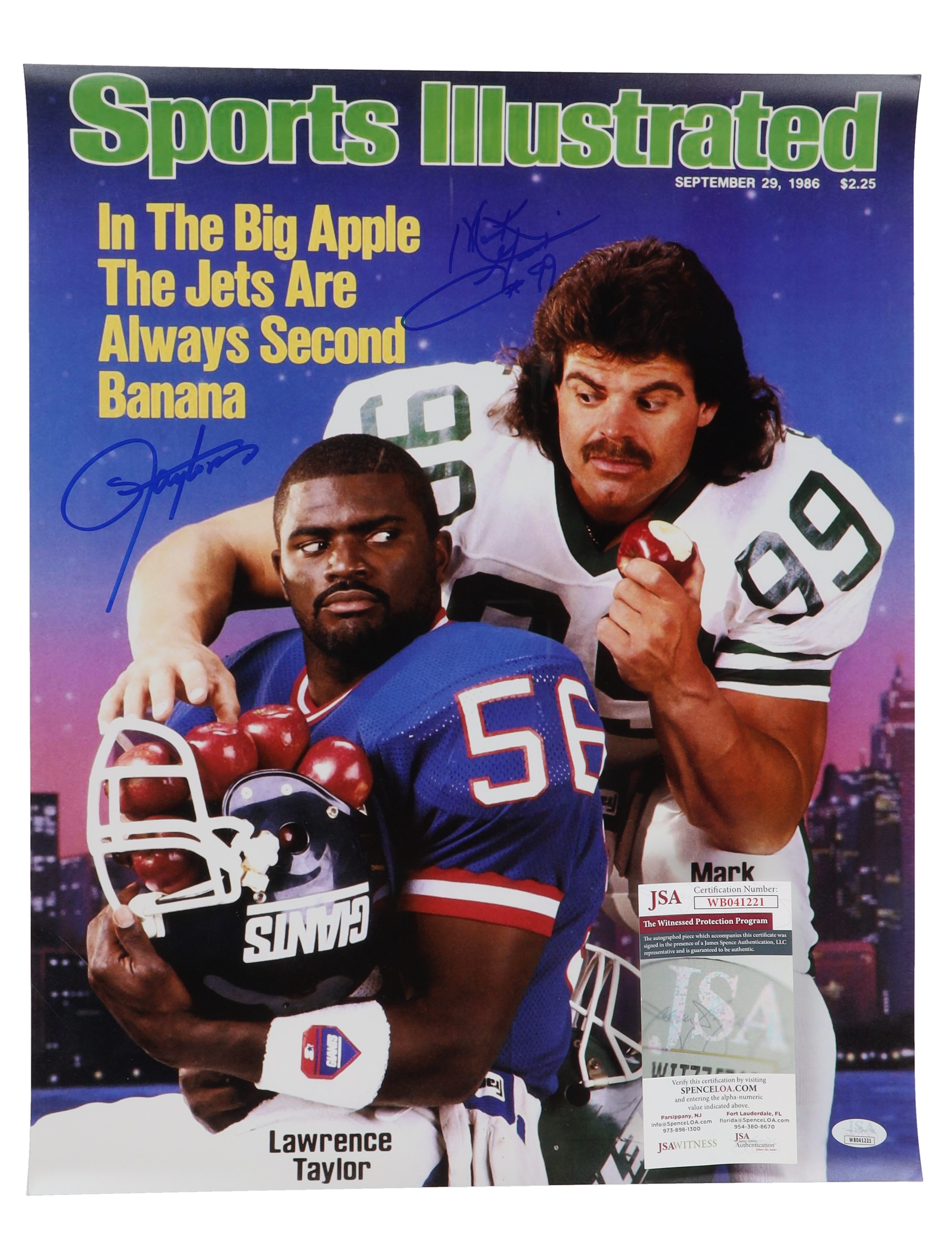
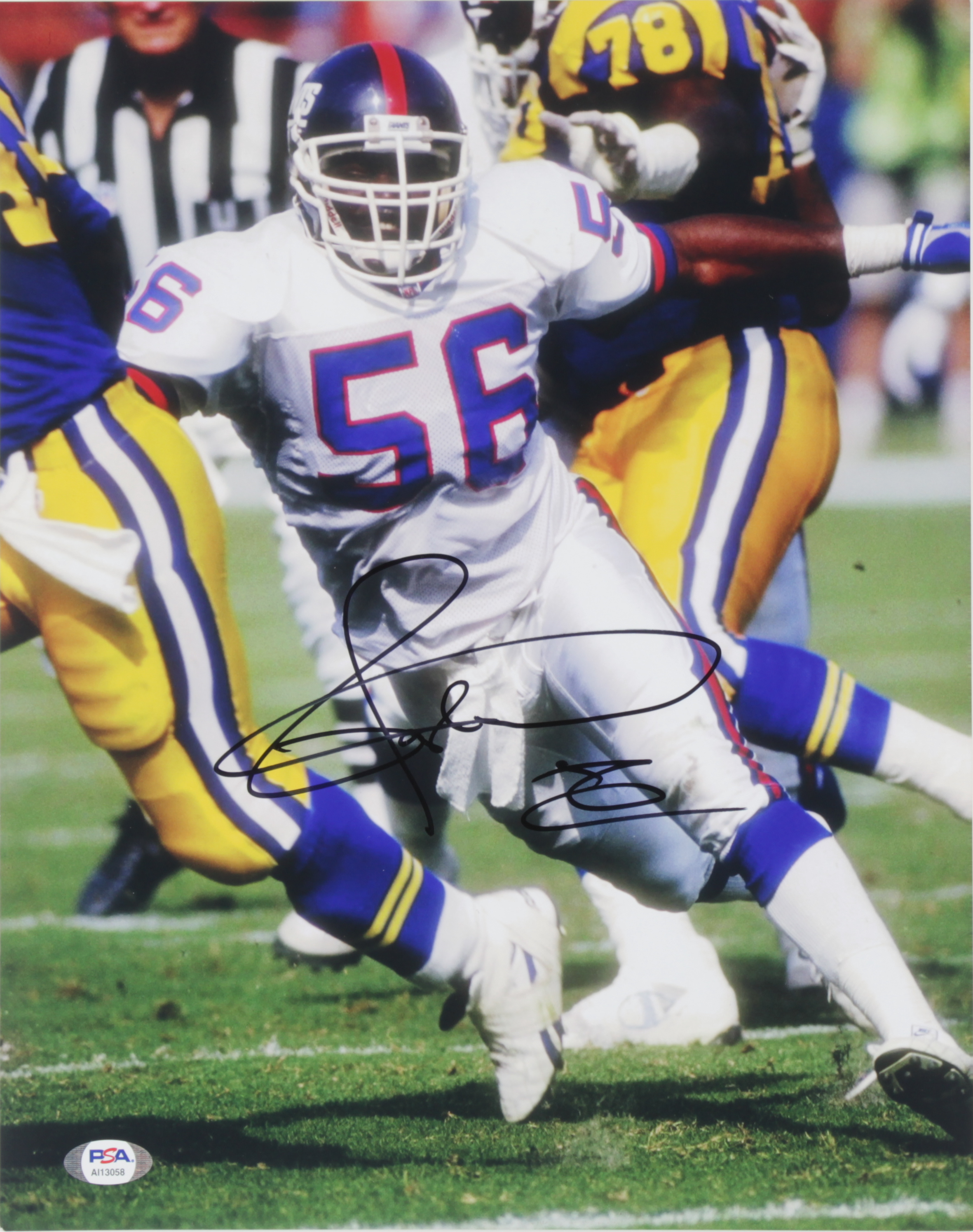
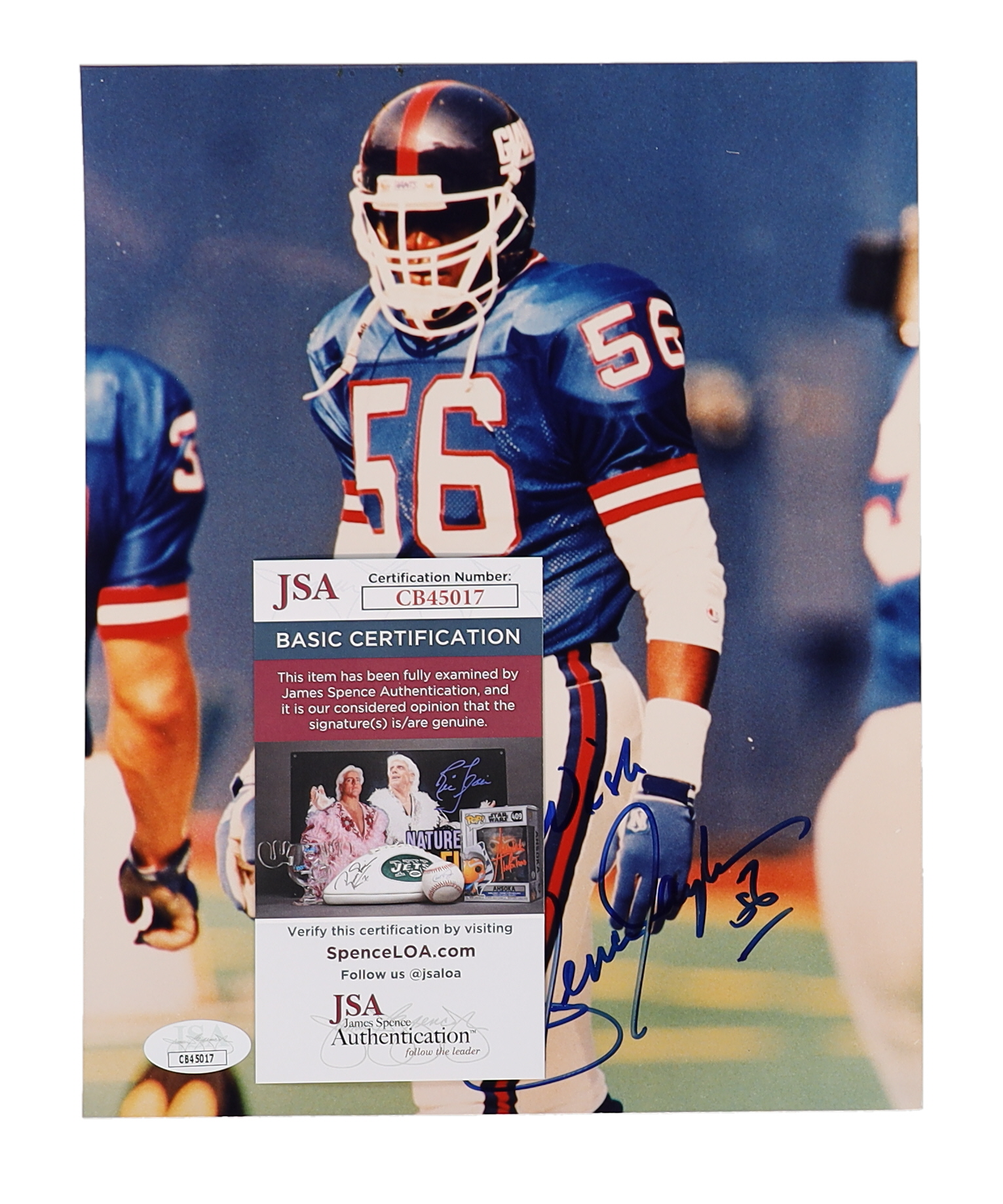
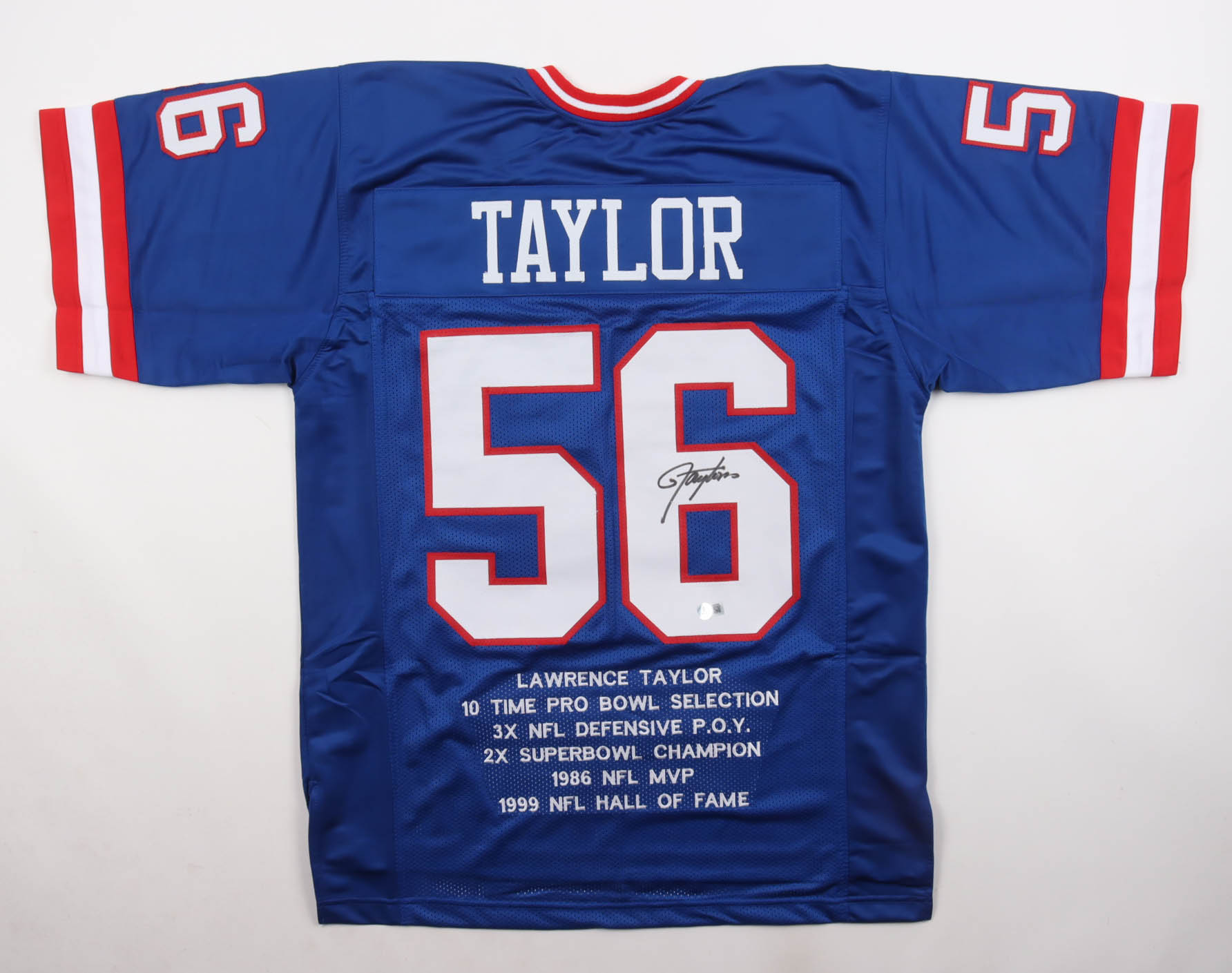
Lawrence Taylor Size: Analyzing the Physical Dimensions of an NFL Legend
Lawrence Taylor, widely regarded as the greatest defensive player in NFL history, stood 6 feet 3 inches (1.91 meters) tall and maintained a playing weight between 237 and 245 pounds (107–111 kg) throughout his career. This specific phy...
Lawrence Taylor, widely regarded as the greatest defensive player in NFL history, stood 6 feet 3 inches (1.91 meters) tall and maintained a playing weight between 237 and 245 pounds (107–111 kg) throughout his career. This specific physical profile, combined with his sub-4.6-second 40-yard dash speed, allowed him to redefine the outside linebacker position for the New York Giants.
Contents
The physical dimensions of Lawrence Taylor, known colloquially as "L.T.," represent more than just numbers on a scouting report. In the context of 1981, when he was drafted second overall out of North Carolina, his size-to-speed ratio was an anomaly that forced NFL offenses to abandon traditional blocking schemes. Even as we look back from 2026, Taylor’s frame remains the gold standard for the "Edge" rusher archetype, influencing how scouts evaluate prospects decades after his retirement.
Official Measurements and Vital Statistics
When Lawrence Taylor entered the league in 1981, the NFL scouting combine was not the highly televised media circus it is today. However, the data collected by the New York Giants and various scouting bureaus at the time provided a clear picture of a physical specimen designed for disruption.
Height and Reach
At 6'3", Taylor possessed the ideal height for an outside linebacker. This height provided him with a high center of gravity that he used to his advantage, allowing him to lean into blocks and "dip" his shoulder to get around massive offensive tackles. His arm length, though not officially recorded with the precision of modern laser measurements, was noted by coaches for providing an exceptional "reach," allowing him to keep blockers at bay and strip the ball from quarterbacks.
Weight and Body Composition
Taylor’s weight fluctuated slightly over his 13-season career (1981–1993). He entered the league at approximately 237 pounds. As he matured and engaged in professional strength conditioning, he typically played at roughly 245 pounds. Unlike many players of his era who prioritized bulk, Taylor focused on functional mass. His weight was concentrated in his lower body—thighs and glutes—which provided the explosive "piston" power necessary to drive through 300-pound linemen.
Speed and Agility
The most terrifying aspect of Taylor’s size was the speed at which it moved. Taylor reportedly clocked a 40-yard dash in the 4.5 to 4.6-second range. In the early 1980s, this was speed typically reserved for wide receivers and cornerbacks. Carrying 240 pounds at that velocity created a kinetic force that the human body—particularly the bodies of aging NFL quarterbacks—was not evolved to absorb.
Comparing Lawrence Taylor to Modern Linebackers
To understand the impact of Lawrence Taylor's size, it is helpful to compare him to the elite "edge" defenders of the modern era. While players have generally become larger and faster over the last 40 years, Taylor’s dimensions remain remarkably relevant.
| Feature | Lawrence Taylor (1980s) | Micah Parsons (Modern Era) | T.J. Watt (Modern Era) |
|---|---|---|---|
| Height | 6'3" | 6'3" | 6'4" |
| Weight | 237–245 lbs | 245–250 lbs | 252 lbs |
| 40-Yard Dash | ~4.55s | 4.39s | 4.67s |
| Position | OLB / Edge | LB / Edge | OLB / Edge |
| Draft Year | 1981 | 2021 | 2017 |
As the table illustrates, Taylor’s size is almost identical to modern superstars like Micah Parsons. The primary difference lies in the era; in 1981, Taylor was often rushing against offensive tackles who weighed between 260 and 280 pounds. Today, offensive tackles frequently exceed 320 pounds. Taylor’s ability to dominate with his 245-pound frame in an era of smaller but more agile linemen was the catalyst for the "size arms race" seen in today’s National Football League.
The Physics of Dominance: Speed-to-Power Ratio
The "size" of Lawrence Taylor was not just about his stature; it was about his ability to convert his mass into momentum. In physics, force equals mass times acceleration (F=ma). Taylor maximized both variables.
The Explosive First Step
Line coaches who faced Taylor often remarked that his "size" seemed to double the moment the ball was snapped. This was due to his legendary first step. By staying low to the ground, Taylor utilized his 6'3" frame to create leverage. He could explode from a three-point or two-point stance with such violence that he was often in the backfield before an offensive tackle could set his feet.
Leverage and the "Bull Rush"
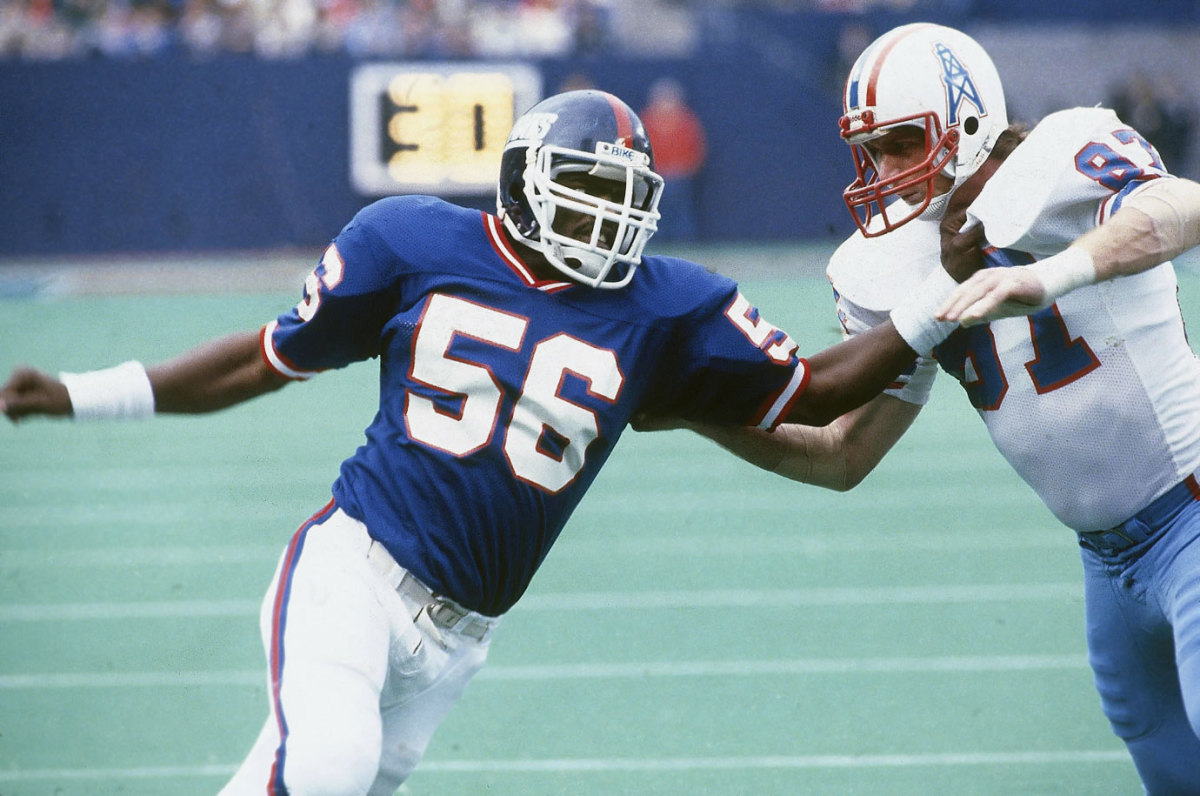
Despite being lighter than many of the linemen he faced, Taylor’s size was sufficient to execute a "bull rush"—a move where a defender drives his helmet into the chest of the blocker and pushes them backward. Because his 245 pounds were backed by world-class leg strength, he could uproot players 40 pounds heavier. This redirected the "size" disadvantage of his opponents, using their own bulk against them by keeping them off-balance.
Impact on Defensive Strategy and Position Archetypes
Before Lawrence Taylor, the 3-4 defense (three linemen and four linebackers) was often used as a reactive, read-and-react system. Taylor’s unique size and athleticism changed the geometry of the football field.
Creation of the "LT" Prototype
NFL scouts now specifically look for the "Lawrence Taylor size" when evaluating outside linebackers. This prototype requires a player to be tall enough to bat down passes (6'2"+), heavy enough to hold the edge against the run (240 lbs+), and fast enough to chase down running backs from behind.
Because Taylor was too big for backs to block and too fast for tackles to catch, Joe Gibbs (then coach of the Washington Redskins) famously developed the "one-back" offense and the heavy usage of the "H-Back" (a hybrid tight end/fullback) specifically to counter Taylor’s physical presence. Taylor’s size literally forced the invention of new offensive positions.
Versatility and "The Joker" Role
Taylor’s size allowed him to be versatile. He was large enough to line up as a defensive end in "sub" packages but agile enough to drop into pass coverage. This versatility meant that offenses never knew where his 245-pound frame would be coming from, creating a psychological "size" that loomed larger than his actual physical measurements.
Uniform and Gear Specifications
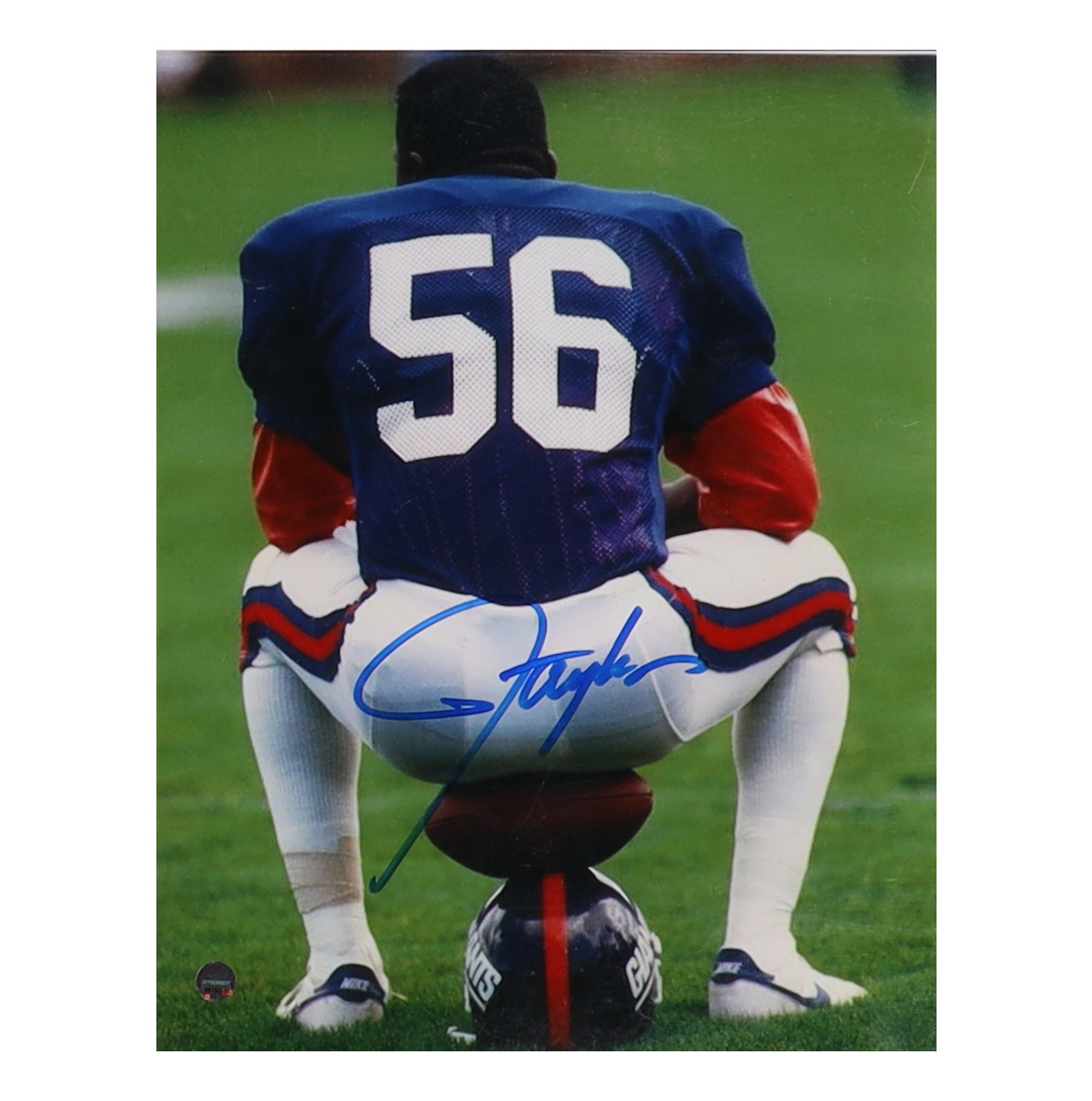
For collectors and historians, the physical "size" of Lawrence Taylor is often measured by the equipment he wore. During his tenure with the New York Giants, Taylor’s gear became as iconic as his playstyle.
- Jersey Size: Taylor typically wore a size 46 or 48 jersey, tailored tightly to prevent offensive linemen from grabbing the fabric.
- Helmet: He was famous for wearing the Riddell WD1 and later the Riddell VSR series. The classic blue helmet with the "GIANTS" underline logo and a standard two-bar or three-bar linebacker facemask.
- Pads: He wore heavy-duty shoulder pads designed for high-impact collisions, which added to his intimidating silhouette on the field.
His choice of equipment was always functional, favoring range of motion over excessive padding, which allowed him to maintain his speed while still protecting his 6'3" frame from the constant collisions inherent in his "search and destroy" style of play.
Longevity and the Toll of the Game
While Taylor’s size was an asset, the violence with which he played took a toll. Maintaining a weight of 245 pounds while sprinting and colliding for 13 years led to numerous injuries, including a famous 1988 incident where he played through a torn pectoral muscle.
His physical resilience is often attributed to his "thick" build. Unlike some "lanky" pass rushers who are prone to joint injuries, Taylor had a dense skeletal structure and significant muscle mass around his knees and ankles. This structural "size" allowed him to miss very few games during his prime, cementing his status as one of the most durable players of his generation.
Frequently Asked Questions
What was Lawrence Taylor's official height and weight?
Lawrence Taylor was officially listed at 6 feet 3 inches (191 cm) and 237 pounds (107 kg). However, most reports from his peak years with the New York Giants place his playing weight closer to 245 pounds.
How fast was Lawrence Taylor for his size?
For a man weighing nearly 245 pounds, Taylor was exceptionally fast, with a 40-yard dash time estimated between 4.5 and 4.6 seconds. This speed allowed him to chase down elite running backs and quarterbacks from across the field.
Did Lawrence Taylor's size change throughout his career?
While his height remained constant, Taylor did bulk up after his rookie season. He entered the league as a leaner 237-pound prospect and gradually added muscle, playing the majority of the 1980s at a solid 245 pounds.
How does Lawrence Taylor's size compare to modern NFL "Edge" rushers?
Taylor's size is very similar to modern stars like Micah Parsons. However, Taylor was unique in his era for having that size combined with elite speed, whereas today that combination is the baseline requirement for the position.
What jersey size did Lawrence Taylor wear?
Taylor typically wore a size 46 or 48 jersey. He preferred a tighter fit to minimize the "holding" opportunities for offensive linemen, a common tactic used to slow him down.
Recommendation for Further Research
To fully appreciate how Lawrence Taylor used his physical dimensions to dominate the NFL, it is recommended to view archival game film from the 1986 Giants season. Analyzing his performance against the Washington Redskins or the San Francisco 49ers during that period provides a visual masterclass in how a 6'3", 245-pound athlete can manipulate leverage and speed to overwhelm opponents. For statistical verification of his physical impact, resources such as Pro Football Reference provide a comprehensive look at his year-by-year production and accolades.
Image Gallery