Can You Pay More Premium in Life Insurance Than the Final Benefit?
It is technically possible to pay more in total premiums than the final death benefit of a life insurance policy, but this scenario is usually the result of specific tax regulations or poor policy management. While most policies are de...
It is technically possible to pay more in total premiums than the final death benefit of a life insurance policy, but this scenario is usually the result of specific tax regulations or poor policy management. While most policies are designed to provide a "net gain" to beneficiaries, IRS rules under Section 7702 limit how much money you can funnel into a policy before it loses its tax advantages and becomes a Modified Endowment Contract (MEC).
Contents
Life insurance is fundamentally a contract designed to provide a death benefit that exceeds the capital invested. However, as of 2026, the intersection of high-cash-value strategies, longevity, and complex tax laws has made the question of "overfunding" a critical topic for policyholders. To understand why someone might end up paying more than the benefit, or why they might strategically attempt to do so, we must examine the mechanics of permanent life insurance, the legal definitions of insurance, and the economic variables of policy performance.
The Mechanics of Premium vs. Death Benefit
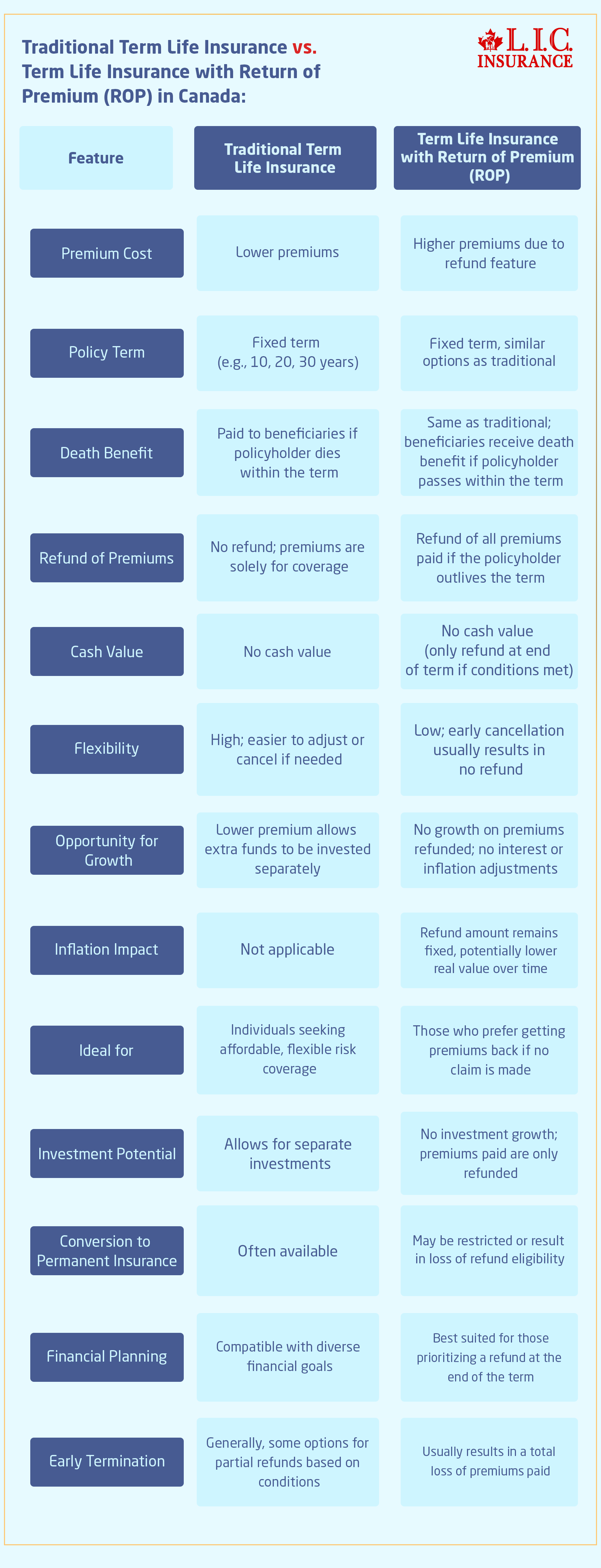
In a standard term life insurance policy, you pay a relatively small premium for a large death benefit. In this scenario, it is mathematically improbable to pay more than the benefit unless you maintain the policy for an extraordinary number of years at high renewal rates. However, in permanent life insurance (such as Whole Life or Universal Life), the relationship between the premium and the death benefit is more complex because these policies include a cash value component.
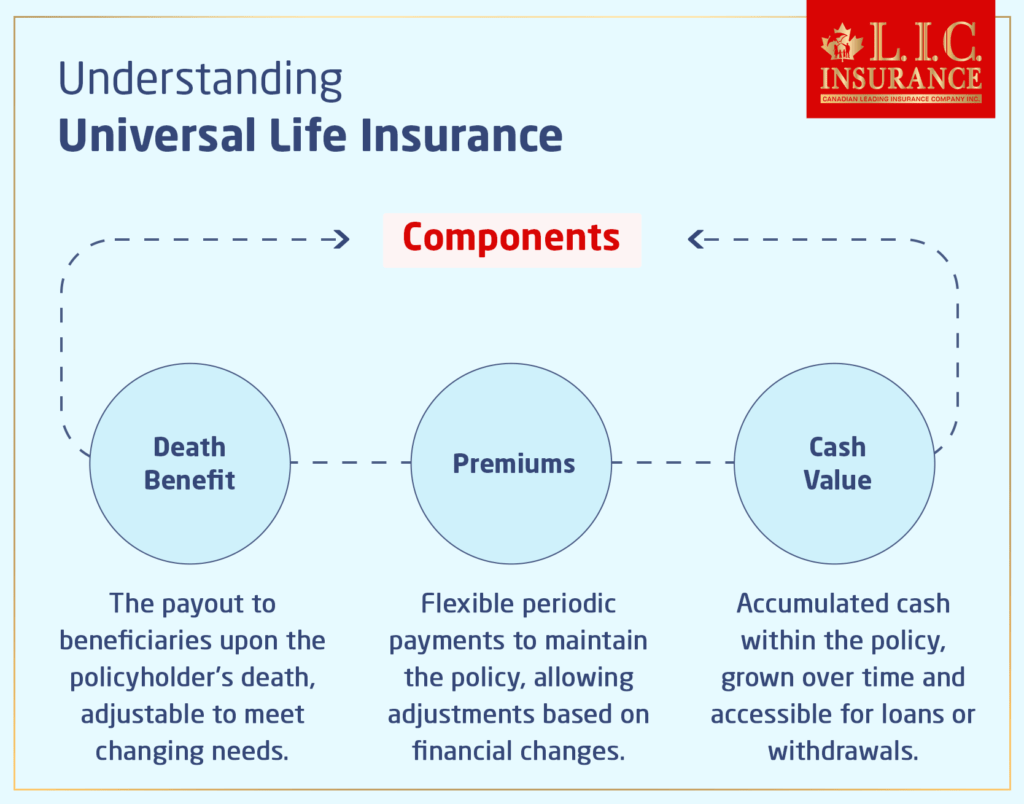
Permanent policies are designed to last for the insured’s entire life. A portion of every premium payment goes toward the Cost of Insurance (COI) and administrative fees, while the remainder accumulates as cash value. Over decades, this cash value grows through interest or dividends. If a policy is "overfunded"—meaning the owner pays more than the base premium required—the total premiums paid can eventually approach or even exceed the initial face amount of the death benefit, especially if the policy is not structured to increase the benefit as the cash value grows.
The Impact of Longevity and Cost of Insurance
One of the primary ways a policyholder might inadvertently pay more than the final benefit is through extreme longevity. In some Universal Life (UL) policies, the COI is not fixed; it increases as the insured person ages. By the time a policyholder reaches age 85 or 90, the annual cost to maintain the death benefit can become astronomical.
If a policyholder continues to pay these escalating premiums to keep the policy in force, the cumulative total of those payments over 30 or 40 years can surpass the death benefit. This is often referred to as a "runaway policy," where the internal costs consume the cash value, forcing the owner to inject more capital just to prevent a lapse.
IRS Section 7702 and the Modified Endowment Contract (MEC)
The United States government provides significant tax advantages to life insurance, including tax-deferred growth of cash value and tax-free death benefits. Because these advantages are so lucrative, the IRS created Section 7702 to define exactly what qualifies as "life insurance" versus an "investment vehicle."
If you pay too much premium into a policy too quickly, the IRS reclassifies it as a Modified Endowment Contract (MEC). This classification happens when a policy fails the 7-Pay Test, which determines if the total amount of premiums paid during the first seven years exceeds the amount needed to have the policy "paid up" within that timeframe.
Consequences of MEC Status
Once a policy becomes an MEC, it loses many of its tax benefits:
- LIFO Taxation: Withdrawals and loans are taxed on a "Last-In, First-Out" basis, meaning any gains are taxed as ordinary income before you can access your tax-free principal.
- Penalties: If you take money out of an MEC before age 59½, you may face a 10% IRS penalty on the taxable portion.
- Irreversibility: Once a policy is classified as an MEC, it generally cannot be reverted to a standard life insurance contract.
Strategic investors often try to fund a policy right up to the "MEC line" to maximize tax-deferred growth without crossing over. Paying more than the death benefit in premiums is almost always avoided in these scenarios because the tax penalties negate the primary reason for holding the policy.
Why Someone Might Strategically Overfund a Policy
Despite the risks, there are specific financial strategies, such as Infinite Banking or Life Insurance Retirement Plans (LIRPs), where policyholders intentionally "overfund" their policies. The goal here is not the death benefit itself, but the accumulation of cash value that can be borrowed against or used as a supplemental retirement income.
In these cases, the policy is usually structured with a "Option B" or "Increasing" death benefit. This ensures that as the cash value grows from high premium payments, the total death benefit increases proportionally. This keeps a "corridor" of insurance protection above the cash value, satisfying IRS rules and preventing the premiums from strictly exceeding the total benefit.
2021 Legislative Changes to Section 7702
It is important to note that the rules regarding how much premium can be paid into a policy changed significantly due to legislation passed at the end of 2020. The Consolidated Appropriations Act of 2021 lowered the guaranteed interest rates used to test policies under Section 7702.
As of 2026, these changes remain the standard. They allow policyholders to put significantly more cash into a policy relative to the death benefit than was possible in previous decades. This has made "high-cash-value" policies more efficient, but it also requires more diligent monitoring to ensure the policy does not accidentally become an MEC.
Comparing Scenarios: Premium Totals vs. Benefit Payouts
The following table illustrates different scenarios where the relationship between total premiums and the death benefit varies based on policy type and funding strategy.
| Policy Type | Funding Strategy | Likely Outcome | Tax Status |
|---|---|---|---|
| Term Life | Base Premium Only | Premiums are a fraction of the benefit. | Tax-Free Benefit |
| Whole Life | Minimum Funding | Premiums unlikely to exceed benefit unless insured lives past 100. | Tax-Free Benefit |
| Universal Life | Increasing COI | Premiums may exceed benefit in extreme old age (longevity risk). | Tax-Free Benefit |
| Max-Funded Whole Life | Paid-Up Additions (PUAs) | Premiums approach benefit quickly to maximize cash growth. | Tax-Free Benefit (if below MEC line) |
| Single Premium Life | Lump Sum Payment | Premiums are very high relative to benefit; usually an immediate MEC. | MEC (LIFO Taxation) |
Common Pitfalls: When Premiums Exceed Value
There are three primary situations where a policyholder ends up paying more than the benefit, and none of them are ideal for standard financial planning.
1. The "Vanishing Premium" Illusion
In the late 20th century, many policies were sold with the promise that dividends or interest would eventually cover the premium costs (the "vanishing premium"). However, if interest rates stayed lower than projected for years, the dividends failed to cover the costs. Policyholders were forced to pay out-of-pocket premiums for much longer than expected, sometimes resulting in total payments that neared the face value of the policy.
2. High Internal Charges in Older Policies
Older policies often have higher administrative fees and mortality charges than modern ones. If a policyholder keeps an underperforming policy active out of a sense of obligation, they may reach a point where the "sunk cost" of premiums exceeds the eventual payout. In this case, a Section 1035 Exchange (moving the cash value to a modern, more efficient policy) is often a better alternative than continuing to pay into an inefficient contract.
3. Over-Reliance on Paid-Up Additions (PUAs)
PUAs allow you to "buy" more death benefit and cash value with extra premium payments. While this is a powerful tool for wealth accumulation, if the policy is not monitored by a professional, a sudden large PUA payment could push the policy over the IRS limits, resulting in an MEC that the policyholder did not intend to create.
Practical Steps to Prevent Overpaying
If you are concerned that your total premiums are becoming disproportionate to your death benefit, take the following actions:
- Request an In-Force Illustration: Ask your insurance company for a projection based on current interest rates and your current age. This will show exactly when and if your premiums might exceed your benefit.
- Monitor the "MEC Margin": Most insurance companies will send a warning if a premium payment will trigger MEC status. Never ignore these notices.
- Evaluate the Death Benefit Option: If you have a Universal Life policy, switching from a "Level" death benefit (Option A) to an "Increasing" death benefit (Option B) can help maintain the required insurance corridor as you pay more into the policy.
- Consider a "Reduced Paid-Up" Option: If you have significant cash value but don't want to pay more premiums, you can stop payments and accept a lower death benefit. This ensures you never pay another dollar into the policy, keeping your total investment fixed.
Frequently Asked Questions
Can the IRS seize a policy if I pay too much?
No, the IRS will not seize the policy. However, they will change the tax status of the contract. If it becomes a Modified Endowment Contract (MEC), you will be taxed on any withdrawals or loans as if they were income, and you may face a 10% penalty if you are under age 59½.
Does paying more premium increase my death benefit?
In a Whole Life policy, using extra premiums to purchase Paid-Up Additions (PUAs) will increase the death benefit over time. In a Universal Life policy with an "Increasing" death benefit option, your total benefit will grow as your cash value grows. However, in a standard level-term or level-benefit policy, paying extra does not increase the payout; it usually just builds cash value or prepays future costs.
Is it ever a good idea to have a policy where premiums exceed the benefit?
Generally, no. The primary advantage of life insurance is the "leverage" it provides (a large payout for a smaller investment). If you pay more in than you get out, you have lost that leverage. The only exception might be a very high-cash-value policy used for tax-free loans where the user prioritizes "banking" functionality over the death benefit, but even then, they must stay within MEC limits to keep the loans tax-free.
What is the "Corridor" in life insurance?
The "corridor" is a mandatory gap between the cash value of a policy and the death benefit, required by Section 7702. If the cash value gets too close to the death benefit, the insurance company must automatically increase the death benefit to maintain this corridor, or else the policy will fail to qualify as life insurance.
Can I get a refund if I accidentally pay too much?
Most insurance companies have a "cure" period. If you accidentally make a payment that would turn your policy into an MEC, the company will typically notify you and offer to refund the excess premium within a specific timeframe (usually 60 days after the end of the policy year) to preserve the policy's tax-favored status.
Next Steps for Policyholders
To ensure your life insurance remains a sound financial asset rather than a liability, you should conduct an annual review of your policy’s performance. If you are using life insurance as a wealth accumulation tool, consult with a tax professional or a specialized insurance advisor to verify that your funding levels stay below the MEC threshold while still maximizing the 2021 Section 7702 limits. If you find that the cost of insurance is rising faster than your cash value, it may be time to consider a 1035 exchange into a more modern, cost-efficient product.
Image Gallery