How to Use the Imperfect Tense in English: A Comprehensive Guide with Examples
In English, the "imperfect tense" does not exist as a single, unique verb conjugation like it does in Romance languages. Instead, English expresses the imperfect aspect—referring to ongoing, habitual, or incomplete past actions—using a...
In English, the "imperfect tense" does not exist as a single, unique verb conjugation like it does in Romance languages. Instead, English expresses the imperfect aspect—referring to ongoing, habitual, or incomplete past actions—using a combination of the Past Continuous tense, "used to," "would," and sometimes the Past Simple.
Contents
While many languages, such as Spanish (hablaba), French (parlais), or Italian (parlavo), have a specific morphological ending for the imperfect, English learners and writers must choose the correct auxiliary structure based on the specific nuance they wish to convey. As of 2026, linguistic pedagogy emphasizes understanding the "aspect" of a verb—whether an action is completed or ongoing—to master these constructions effectively.
Understanding the Concept of the Imperfect Aspect
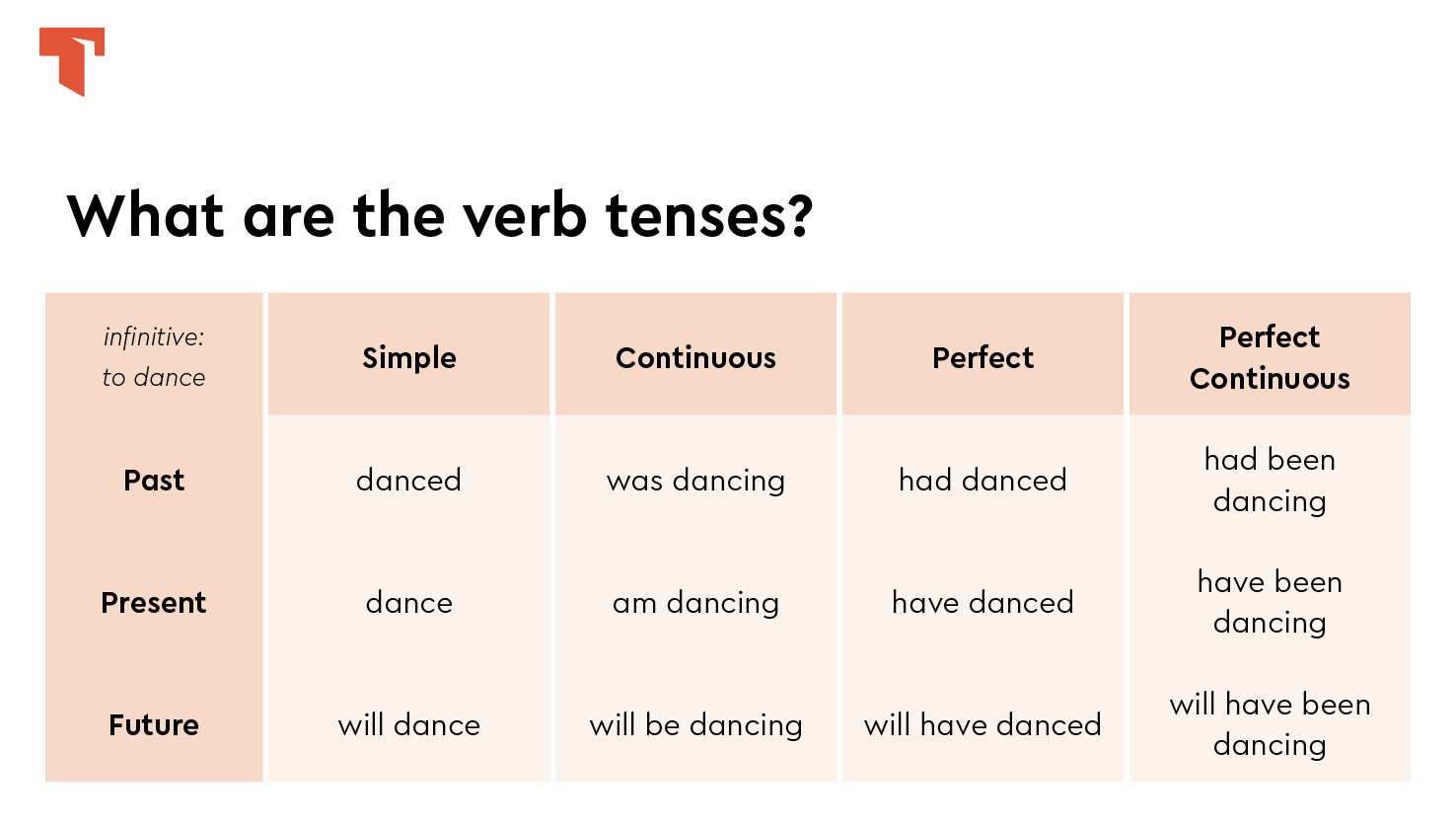
Before diving into specific examples, it is essential to distinguish between tense (when an action happens) and aspect (the nature of the action). The imperfect aspect describes an action that was not completed at the time being discussed. It serves three primary functions in English narrative and conversation:
- Ongoing actions: Actions that were in progress at a specific moment in the past.
- Habitual actions: Repeated behaviors or routines that no longer occur.
- States of being: Descriptive conditions or emotions that lasted for a duration in the past.
Because English lacks a dedicated "imperfect" conjugation, it relies on "periphrastic" constructions—using multiple words to express a single grammatical idea.
Method 1: The Past Continuous for Ongoing Actions
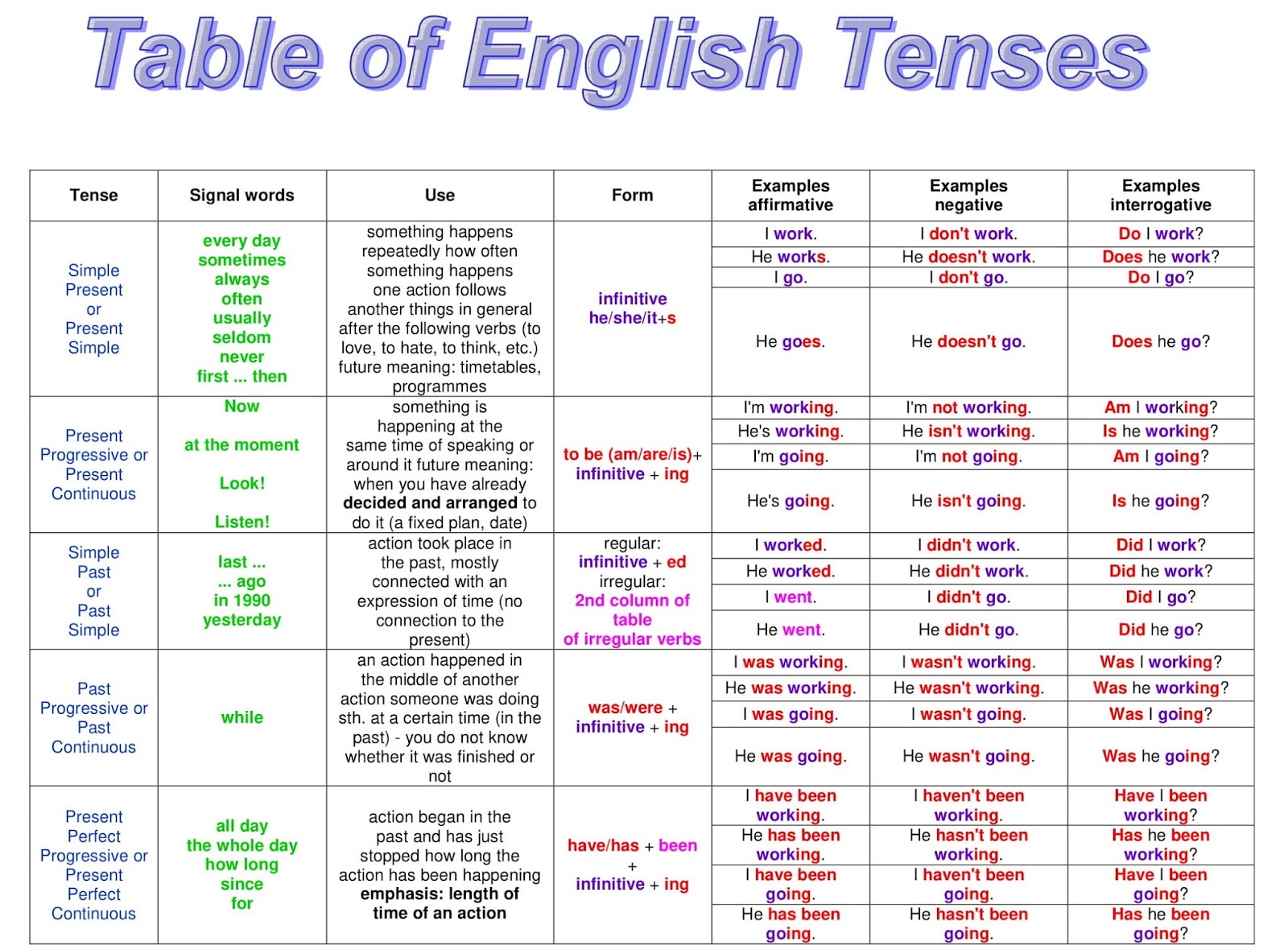
The most common way to translate the imperfect tense into English is by using the Past Continuous (also known as the Past Progressive). This structure is used to describe an action that was "mid-way through" at a certain point in the past.
Structure and Formula
The formula for the Past Continuous is: Subject + Was/Were + Present Participle (Verb + -ing)
Examples in Context
- Setting the Scene: "The rain was falling steadily as we arrived at the cabin."
- Interrupted Actions: "I was sleeping when the alarm went off."
- Simultaneous Actions: "While Sarah was cooking dinner, Mark was setting the table."
In these examples, the verbs describe a background state. They do not tell us when the action started or finished; they simply show that the action was "unfolding" during the period of interest. This is the closest direct functional equivalent to the French imparfait or Spanish pretérito imperfecto.
Method 2: Habitual Actions with "Used To" and "Would"
When the "imperfect" meaning refers to a habit or a characteristic behavior in the past that no longer happens, English switches from the continuous form to specific modal-like structures.
Using "Used To"
"Used to" is the standard way to describe past habits or states that are no longer true. It is unique because it can be used for both actions and states (feelings, possession, or being).
- Action Habit: "I used to swim every morning before work." (Implies I no longer do this).
- State Habit: "She used to be very shy in high school." (Describes a past condition).
Using "Would"
In more nostalgic or narrative contexts, "would" is used to describe repeated actions in the past. However, a critical rule as of 2026 grammar standards remains: "Would" cannot be used for past states.
- Correct (Action): "Every summer, we would visit my grandmother in Maine."
- Incorrect (State): "I would be tall when I was young." (Use "used to be" instead).
"Would" gives the writing a more evocative, storytelling quality, whereas "used to" is more factual and common in daily speech.
Method 3: The Past Simple for Stative Verbs
One of the most confusing aspects of the English "imperfect" is that some verbs cannot be used in the continuous (-ing) form. These are called stative verbs. They describe states, senses, emotions, or possession rather than physical actions.
For these verbs, English uses the Past Simple, even though the meaning is "imperfect" (ongoing or descriptive).
Common Stative Verbs
- Emotions: love, hate, want, need.
- Mental States: know, believe, remember, understand.
- Possession: have, own, belong.
- Senses: seem, appear, sound.
Examples of the "Imperfect" Past Simple
- "He knew the answer." (Not: "He was knowing").
- "They owned a large house." (Not: "They were owning").
- "I wanted to go home." (Not: "I was wanting").
In these cases, although the tense is technically "Simple," the functional meaning is imperfect because it describes a continuous state in the past.
Comparing English Imperfect Structures
The following table summarizes how to choose the correct English structure based on the intended "imperfect" meaning.
| Function | English Structure | Example Sentence | Linguistic Nuance |
|---|---|---|---|
| Ongoing Action | Past Continuous | I was walking home. | Action in progress at a specific past time. |
| Interrupted Action | Past Continuous | He was reading when I called. | The background action for a new event. |
| Past Habit (General) | Used to + Verb | We used to live in London. | A past reality that is now finished. |
| Past Habit (Narrative) | Would + Verb | He would play guitar for hours. | A frequent, nostalgic past action. |
| Past State/Emotion | Past Simple | She felt happy that day. | A continuous condition using a stative verb. |
| Simultaneous Habits | Past Continuous | They were always arguing. | Repeated actions, often used with "always." |
The Narrative Contrast: Imperfect vs. Perfect
To use the imperfect aspect effectively in English, you must understand how it interacts with the Perfective aspect (Past Simple). In storytelling, the imperfect provides the "canvas," while the Past Simple provides the "brushstrokes."
- The "Canvas" (Imperfect/Past Continuous): "The sun was setting, and the birds were singing." (This sets the scene).
- The "Brushstroke" (Perfective/Past Simple): "Suddenly, a loud noise shattered the silence." (This moves the story forward).
Without the imperfect aspect, English writing feels like a list of clipped facts. Without the Past Simple, the writing feels like a stagnant description with no movement. Mastery involves weaving these together to create a sense of time and flow.
Common Mistakes to Avoid
1. Misusing "Would" for States
As mentioned, "would" is only for actions. You cannot say "I would have a cat" if you mean you owned one in the past; you must say "I used to have a cat."
2. Overusing the Past Continuous
Learners often use the Past Continuous for everything they perceive as "ongoing." However, if the action was a completed event in a sequence, use the Past Simple.
- Wrong: "I was waking up, was brushing my teeth, and was eating breakfast."
- Right: "I woke up, brushed my teeth, and ate breakfast." (These are completed steps, not background scenes).
3. Forgetting Stative Verb Constraints
Using "-ing" with verbs like "believe" or "know" is a common error. Always default to the Past Simple for these verbs, even if the state lasted for years.
Advanced Usage: The "Past Continuous" for Future Arrangements in the Past
Sometimes, the English imperfect aspect is used to describe a plan that was in place at a past time.
- "I was leaving the next day, so I had to pack my bags." Here, the "imperfect" form (was leaving) describes a future event from the perspective of the past.
Frequently Asked Questions
Does English have an imperfect tense?
Technically, no. English does not have a specific verb conjugation called the "imperfect tense." It uses the Past Continuous, "used to," and the Past Simple to express the imperfect aspect (ongoing or habitual past actions).
How do I translate the Spanish "imperfecto" to English?
The translation depends on the context. If it’s an ongoing action, use the Past Continuous (yo comía -> I was eating). If it’s a past habit, use "used to" (yo jugaba -> I used to play). If it’s a state, use the Past Simple (yo era -> I was).
Can I use the Past Simple instead of "used to"?
Yes, in many cases, the Past Simple is acceptable. "I lived in Paris for ten years" and "I used to live in Paris for ten years" both convey the message, but "used to" explicitly emphasizes that the situation has changed.
Why is the Past Continuous called "imperfect"?
It is called "imperfect" because the action is "not perfect"—in linguistics, "perfect" means complete. Since the Past Continuous describes an action that was incomplete or in progress at the time mentioned, it shares the same aspectual root as the imperfect tense in other languages.
What is the difference between "I was eating" and "I used to eat"?
"I was eating" describes a specific moment in time when the action was happening (e.g., "I was eating when you called"). "I used to eat" describes a general habit over a long period (e.g., "I used to eat meat, but now I am a vegetarian").
Summary and Next Steps
To master the imperfect aspect in English, focus on the purpose of your sentence. If you are describing a scene or a background action, use the Past Continuous (was/were + -ing). If you are describing a lost habit or a long-term past state, use "used to" or the Past Simple.
For your next steps, practice identifying these aspects in your reading. Notice how authors use "was/were" to slow down the pace of a story and the Past Simple to speed it up. Consistent application of these rules will lead to more natural and sophisticated English communication.
Image Gallery