Exploring Orlando Florida’s Hidden Gems: A Guide to Beyond the Theme Parks
While millions of visitors flock to the major theme parks of Central Florida, Orlando offers a wealth of serene natural landscapes, historic neighborhoods, and cultural enclaves that remain largely untouched by the typical tourist path...
While millions of visitors flock to the major theme parks of Central Florida, Orlando offers a wealth of serene natural landscapes, historic neighborhoods, and cultural enclaves that remain largely untouched by the typical tourist path. Exploring Orlando Florida’s hidden gems allows travelers to experience the region's authentic identity, characterized by subtropical ecosystems, unique local art, and historic preservation that stands in stark contrast to the highly curated experiences of the area’s major corporate attractions.
Contents
Understanding the Geographic Context
Orlando is frequently conflated with the resort districts of Lake Buena Vista and the tourist corridors of International Drive. However, the true geographic footprint of "Orlando" includes a sprawling network of counties that prioritize ecological conservation and local civic life. To effectively explore these gems, you must step away from the major arterial highways like I-4 and venture into neighborhoods such as the Milk District, Winter Park, and the rural outskirts of the Wekiva River basin.
When navigating these areas, reliance on ride-sharing is common, but accessing the most secluded natural sites—particularly those located in northern Orange County or adjacent Seminole County—often requires a rental vehicle. Because the region experiences significant humidity and heat throughout the year, logistical planning should account for seasonal weather patterns; prioritize outdoor activities for the morning hours and reserve indoor cultural visits for the mid-afternoon.
The Natural Heartland: Beyond the Managed Parks
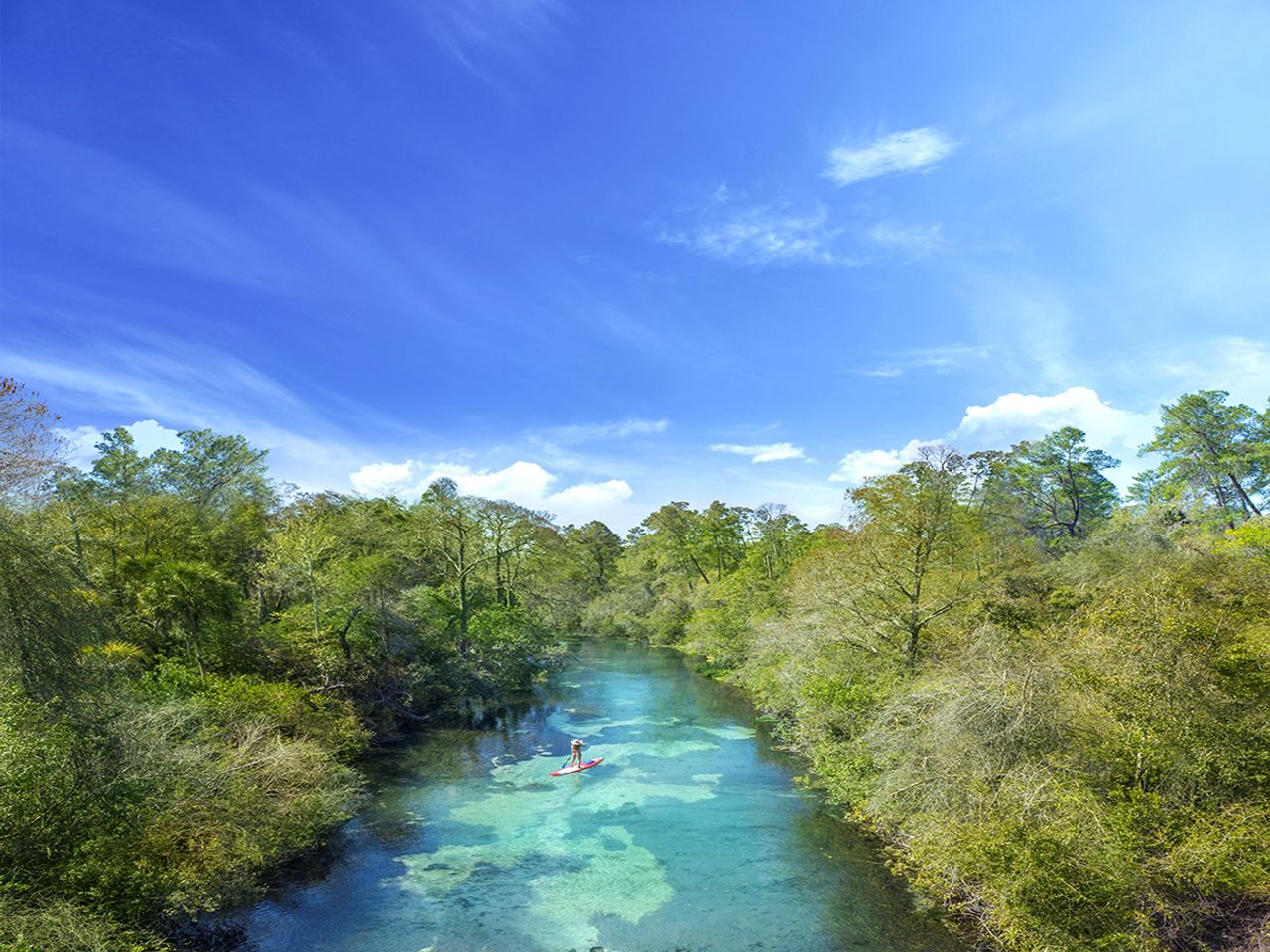
The most profound hidden gems in Florida are its natural springs and protected wetlands. Unlike the artificial water features found in commercial zones, these sites are managed by the Florida Department of Environmental Protection or local municipal entities.
- Kelly Park / Rock Springs Run: Located in Apopka, this site features a natural spring that maintains a consistent temperature of 68 degrees Fahrenheit year-round. Unlike more commercialized springs, Kelly Park offers an authentic, untamed experience. Visitors should note that access is strictly capped based on parking capacity; arriving before 8:00 AM is often necessary to guarantee entry during peak spring and summer months.
- The Econlockhatchee River: Often shortened to "The Econ," this river system provides a glimpse into the blackwater creek environments native to Central Florida. Paddling through this area requires basic navigation skills and awareness of water levels. It is recommended to use established access points like the Chuluota Wilderness Area.
- Lake Louisa State Park: While technically located in Clermont, this park serves as a vital transition zone between the suburban sprawl and the Green Swamp. It provides miles of hiking and equestrian trails that showcase the native scrub and pine flatwoods ecosystems.
Cultural and Historic Enclaves
Orlando’s history is deeper than the late 20th-century development boom. Exploring the historic districts provides a different perspective on the city’s economic foundations, rooted in citrus and rail transport.
The Winter Park Chain of Lakes offers more than just scenic views; it functions as a masterclass in urban planning and historical landscaping. Taking a boat tour through the canals—which were hand-dug in the early 20th century to connect the lakes for transport—reveals the architectural evolution of the region, ranging from Mediterranean Revival mansions to mid-century modern structures.
Similarly, the Mills 50 District serves as a cultural hub for the city’s Vietnamese and Southeast Asian communities. This area is home to some of the most authentic dining establishments in the state, often housed in unassuming strip centers that pre-date the city’s rapid expansion. Engaging with these local businesses provides a more accurate representation of Orlando’s modern demographic landscape than the standardized menus found in the resort zones.
Strategic Planning for Your Visit
When building an itinerary around these locations, it is essential to manage time and physical requirements effectively. The following table highlights key differences between commercialized attractions and hidden gems to aid in your planning.
| Feature | Commercial Resorts | Hidden Gems |
|---|---|---|
| Admission | High-cost, ticketed entry | Low-cost or state-managed fees |
| Crowd Density | High, variable | Low to moderate |
| Atmosphere | Highly controlled | Organic and environmental |
| Logistics | Resort shuttle systems | Requires private transport |
| Accessibility | ADA-compliant infrastructure | Varies; may include rugged terrain |
Operational Considerations and Practical Advice
To ensure your exploration is sustainable and respectful of the environment, observe the following guidelines:
- Ecological Stewardship: When visiting springs or parks, practice "Leave No Trace" principles. Many of these sites are fragile; the use of sunscreens containing oxybenzone is prohibited in many protected waterways to preserve water quality. Check local signage for approved product lists.
- Safety and Wildlife: Florida is home to various wildlife, including alligators and venomous snakes. While these are a natural part of the ecosystem, maintaining a safe distance and staying on marked trails is the primary method of avoiding conflict. Do not feed wildlife, as this changes their behavior and poses risks to both animals and visitors.
- Seasonal Timing: Be aware that "Hidden Gems" often lack the climate-controlled queue environments found at major parks. If you are traveling between June and September, prioritize hydration and seek shade during the peak UV index hours of 11:00 AM to 3:00 PM.
- Verification: Always verify operating hours on the official websites of the county or state agencies managing the land. Many smaller parks operate on sunrise-to-sunset schedules and may close during periods of inclement weather or maintenance.
Frequently Asked Questions
Are these hidden gems suitable for families with young children? Most natural areas and cultural districts are accessible to families; however, they lack the high-intensity safety features of theme parks. Parents should exercise diligence regarding water safety in springs and keep children on marked paths in wilderness areas.
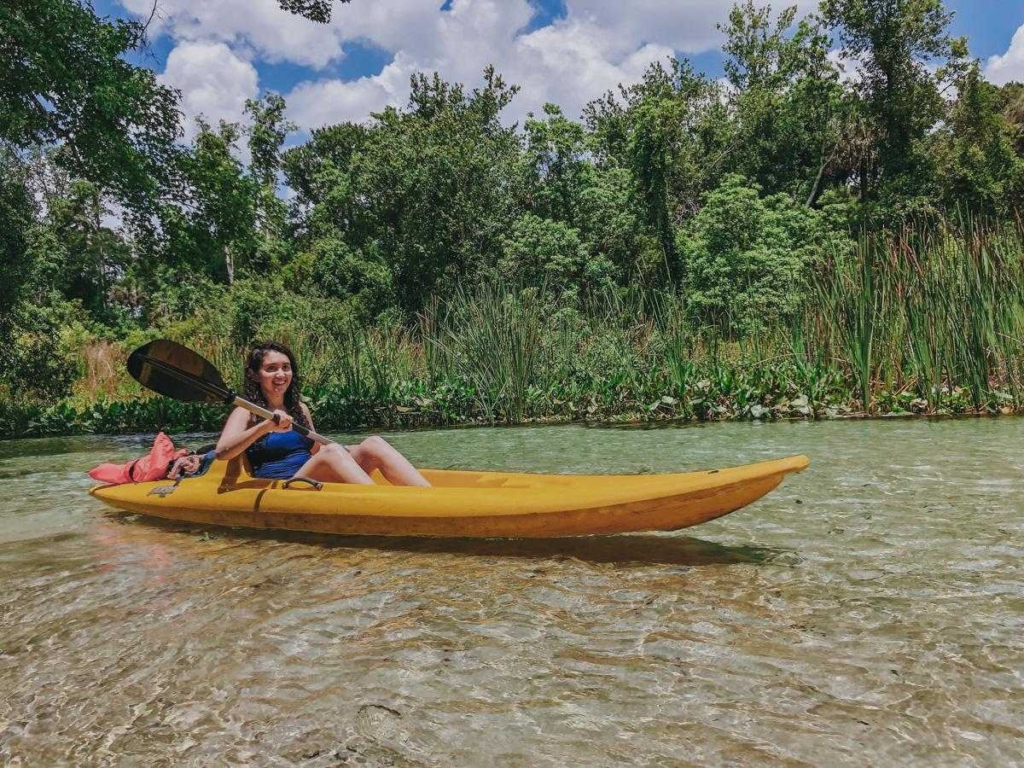
Do I need specialized equipment to visit these locations? For the most part, standard casual attire is sufficient. However, if you plan to kayak or paddle in the river systems, bringing your own gear or booking through a local independent outfitter is recommended. Ensure you have adequate footwear for potentially muddy or uneven terrain.
How far are these locations from the main city center? Travel times vary, but most sites within this guide are between 20 to 45 minutes of travel time from downtown Orlando by car. Traffic on regional roads can be heavy during weekday rush hours, so plan your departures accordingly.
Are these locations accessible via public transportation? Public transportation in Orlando is primarily designed for commuter utility rather than tourist access. While some bus routes serve the general areas of Winter Park or Mills 50, reaching natural springs or rural hiking trails via bus is generally impractical. A rental car is the most reliable method.
Is there an optimal time of year to visit these natural sites? The months of October through April offer the most comfortable temperatures for outdoor exploration. During this period, humidity levels are significantly lower, and the likelihood of afternoon thunderstorms—a staple of the Florida summer—is minimized.
Final Recommendation
The most effective way to experience Orlando’s hidden gems is to adopt a "slow travel" approach. Dedicate your first two days to the perimeter of the city, focusing on one cultural district and one natural site per day. By slowing down and engaging with the environment on its own terms, you move beyond the commercial narrative and uncover the quieter, more resilient character of Central Florida. Begin your journey by researching the current trail status at the Wekiva Springs State Park or the latest exhibitions at the Cornell Fine Arts Museum to balance your itinerary between nature and culture.
Image Gallery