Choosing a Beneficiary for a Child's Life Insurance Policy
Choosing a beneficiary for a child's life insurance policy typically involves naming a parent or legal guardian as the primary recipient. Since the coverage is intended to handle final expenses or provide future insurability, the polic...
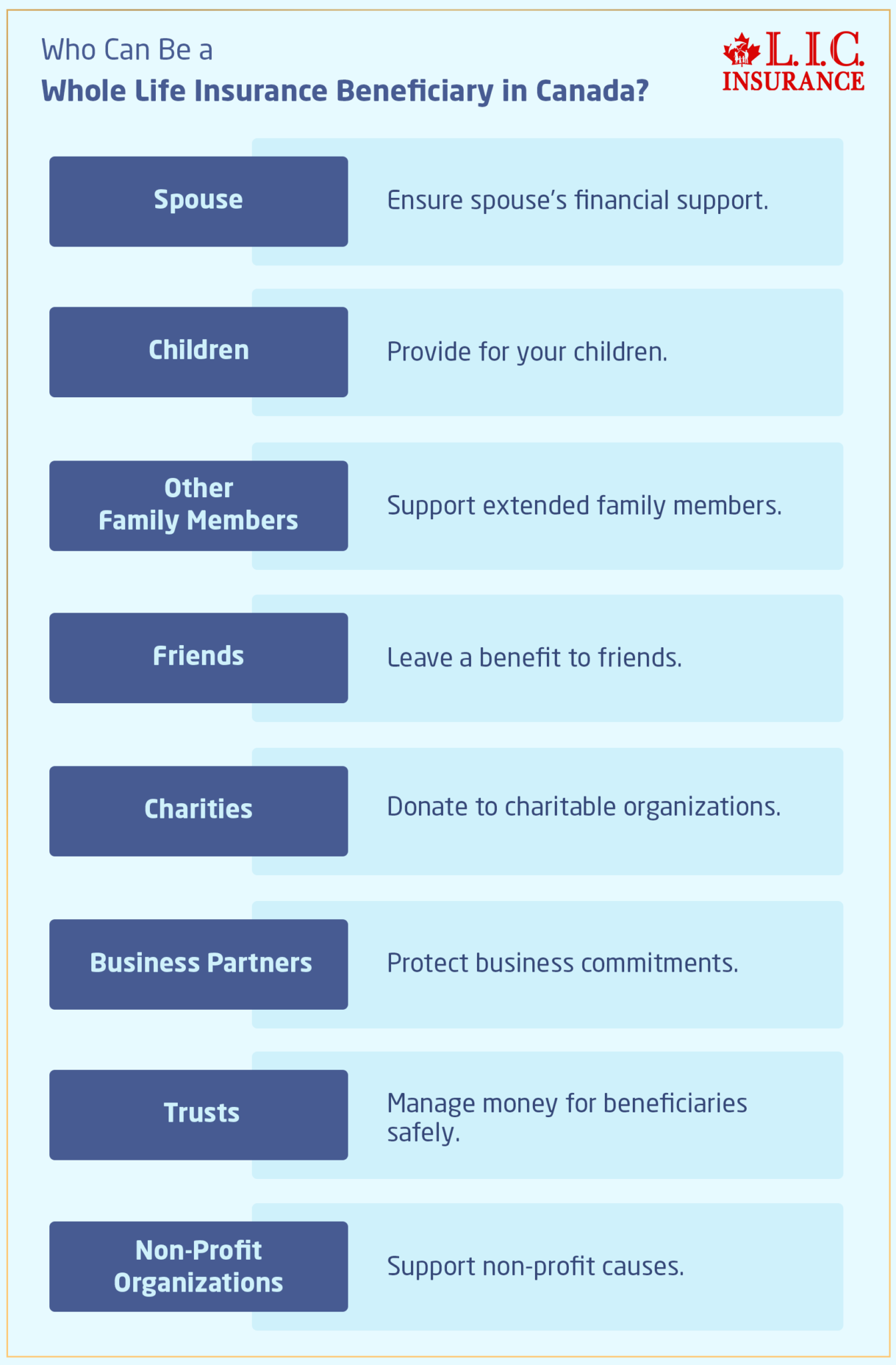
Choosing a beneficiary for a child's life insurance policy typically involves naming a parent or legal guardian as the primary recipient. Since the coverage is intended to handle final expenses or provide future insurability, the policy owner—usually the parent—is the most logical choice to manage the funds and ensure financial obligations are met.
Contents
Life insurance for children is a specialized financial product designed primarily to lock in low premium rates and guarantee future insurability, regardless of health changes the child may experience later in life. While no parent wishes to contemplate the death of a child, these policies serve as a pragmatic safety net for funeral costs and medical bills. As of 2026, the administrative process for managing these policies has become increasingly digital, yet the legal complexities regarding who can receive a death benefit remain strictly regulated. Selecting the right beneficiary requires an understanding of legal age requirements, the role of trusts, and the difference between primary and contingent designations.
Understanding the Role of the Beneficiary in Juvenile Policies
In the context of a child’s life insurance policy, there are three distinct roles: the insured (the child), the owner (the parent or grandparent who pays the premiums), and the beneficiary (the person who receives the payout). In most cases, the policy owner and the primary beneficiary are the same person.
The primary beneficiary is the first in line to receive the death benefit. For a juvenile policy, this is almost always a parent or legal guardian. The funds are generally used to cover immediate costs associated with a loss, such as burial services, casket or cremation costs, and any outstanding pediatric medical debts. Because the policy owner is typically the one responsible for these expenses, naming themselves as the beneficiary creates a direct path for the funds to be applied where they are most needed.
However, the selection process becomes more complex when considering "what-if" scenarios. If the primary beneficiary is no longer alive or is legally incapacitated at the time of the claim, the insurance company looks to the contingent beneficiary. Without a well-thought-out hierarchy of beneficiaries, the death benefit may default to the child’s estate, triggering a lengthy and expensive probate process.
The Legal Implications of Naming Minors as Beneficiaries
A common mistake in life insurance planning is naming another minor—such as a sibling—as the primary or contingent beneficiary. Under current 2026 legal standards in most jurisdictions, insurance companies are prohibited from paying out death benefits directly to a minor. Minors lack the legal capacity to sign binding contracts or manage significant financial assets.
If a minor is named as a beneficiary and a claim is filed, the insurance company will typically withhold the funds until a court appoints a legal guardian or conservator to manage the money. This court intervention is often slow and can consume a portion of the death benefit in legal fees. To avoid this, parents should consider the following legal structures:
- Uniform Transfers to Minors Act (UTMA): This allows you to name an adult custodian who will manage the funds for the minor until they reach the age of majority (usually 18 or 21, depending on the state).
- Life Insurance Trusts: A trust can be named as the beneficiary. The trust document outlines exactly how the money should be used for the minor’s benefit, such as for education or living expenses, under the supervision of a trustee.
Why a Trust is Often the Best Solution
For families looking to use a child’s life insurance policy as a tool for long-term legacy planning—or for those with significant coverage amounts—a trust offers the highest level of control. If a child passes away, and the parents are also deceased, a trust ensures that the proceeds are managed according to specific instructions rather than being subject to the discretion of a court-appointed guardian.
Revocable Living Trusts
A revocable living trust is a common vehicle used in 2026 for estate planning. By naming the trust as the contingent beneficiary of a child's policy, the parents ensure that if they are not around to receive the benefit, the funds flow into an entity they have already defined. This avoids probate and keeps the family's financial matters private.
Testamentary Trusts
These are trusts created within a will that only come into existence upon the death of the grantor. While they can be used to manage life insurance proceeds, they must go through the probate process to be established, which may delay the availability of funds for funeral expenses.
Selecting Primary vs. Contingent Beneficiaries
The structure of your beneficiary designations should be a "fail-safe" for every possible scenario. As of the 2026 fiscal year, insurance providers strongly recommend having at least one primary and two contingent beneficiaries listed on every active policy.
| Beneficiary Type | Ideal Candidate | Role/Purpose |
|---|---|---|
| Primary | Parent or Legal Guardian | Covers immediate funeral, burial, and medical expenses. |
| Contingent (First) | Other Parent or Adult Relative | Acts as a backup if the primary beneficiary is deceased. |
| Contingent (Second) | A Family Trust | Ensures funds are managed for surviving siblings or heirs without probate. |
| Estate | Not Recommended | Leads to probate delays, taxes, and legal fees. |
The "Per Stirpes" Designation
When naming beneficiaries, you may encounter the term Per Stirpes. This is a legal designation meaning "by branch." If you name your children as contingent beneficiaries "per stirpes," and one of those children has passed away, that child's share would go to their own children (your grandchildren). While less common in juvenile policies, it is a critical term to understand if the policy is intended to persist for decades as the child grows into adulthood.
Common Mistakes to Avoid
Even well-intentioned parents can make errors during the application process that complicate the payout of a policy.
- Naming the Estate: As mentioned, naming "the estate" as a beneficiary forces the death benefit into probate. This makes the money available to creditors before it can reach family members.
- Vague Descriptions: Using terms like "my children" or "my heirs" can lead to confusion, especially in blended families. It is always better to use legal names and Social Security numbers to identify beneficiaries.
- Failing to Update: Life changes such as divorce, the death of a grandparent, or the birth of a new sibling require a review of beneficiary designations. In 2026, most carriers allow these updates through a secure online portal in minutes.
- Relying on a Will: Many people wrongly believe that their will dictates who receives life insurance proceeds. In reality, the beneficiary designation on the insurance policy is a legal contract that supersedes the instructions in a will.
The Role of the Contingent Owner
Unique to child life insurance is the concept of the contingent owner. Because the child is a minor, they cannot own the policy. The parent is the owner. But what happens if the parent dies while the child is still a minor?
Without a contingent owner named in the policy documents, the policy could lapse or be tied up in legal proceedings. When choosing a beneficiary, you should simultaneously choose a contingent owner (often the other parent or a trusted aunt/uncle) who will take over premium payments and management of the policy should the original owner pass away. This ensures the child's future insurability remains protected.
How to Update Your Beneficiary Designation
Updating a beneficiary is a straightforward process, but it must be done formally. You cannot simply write a note or mention it in a conversation with your agent.
- Request a Change of Beneficiary Form: This is usually available via your insurance company's website or mobile app.
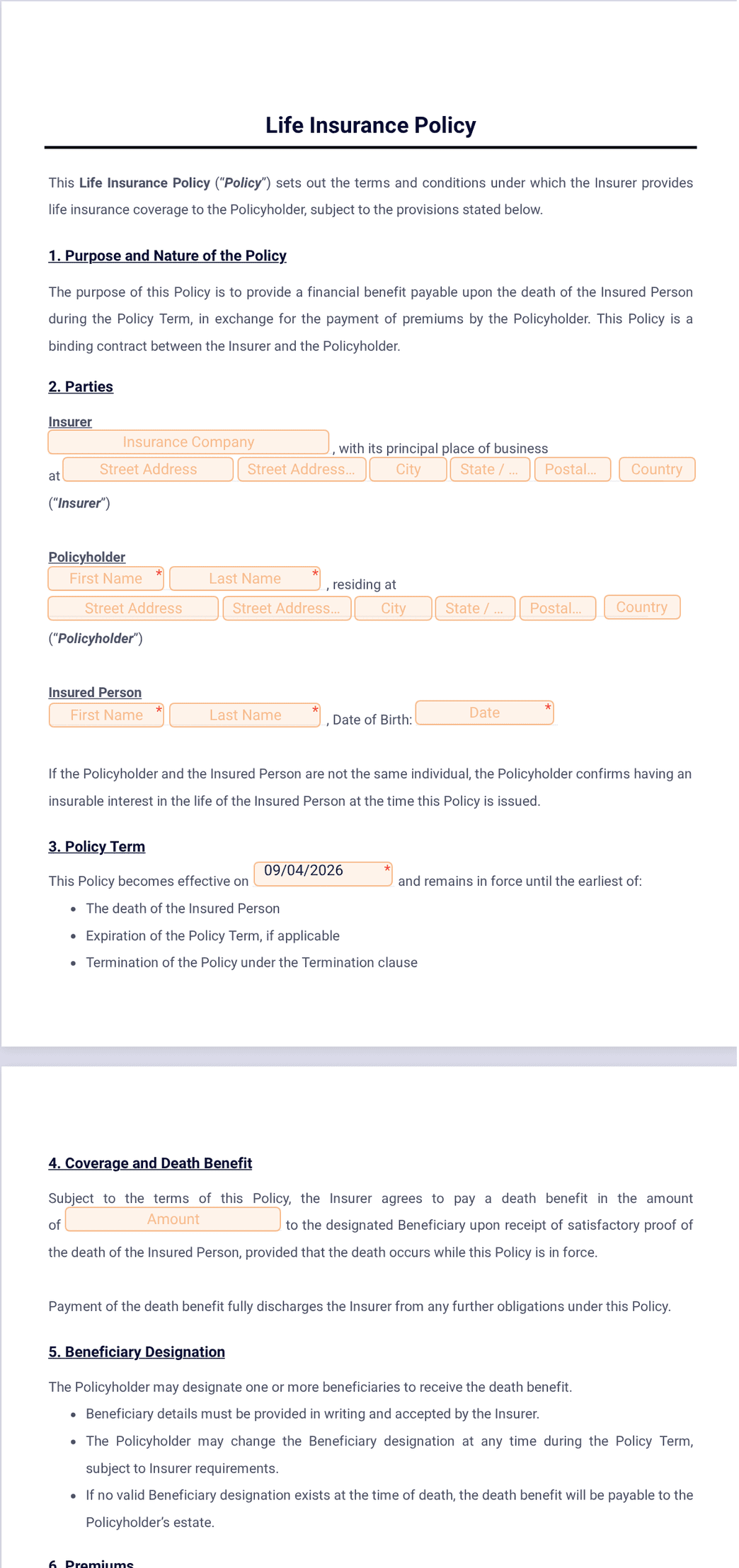
- Provide Complete Information: You will need the full name, address, Social Security number, and relationship to the insured for each new beneficiary.
- Specify Percentages: If you are naming multiple beneficiaries, you must specify what percentage of the benefit each should receive (e.g., 50/50).
- Submit and Confirm: After submitting the form, wait for a formal confirmation from the insurer. Keep this confirmation with your physical or digital policy records.
Frequently Asked Questions
Can I name a sibling as the beneficiary of a child's life insurance?
Yes, you can name a sibling, but if that sibling is a minor, the insurance company will not pay the benefit directly to them. It is better to name a parent as the primary and a trust for the sibling's benefit as the contingent. This avoids the legal hurdles associated with minors receiving large sums of money.
What is the maximum amount of coverage I can buy for a child in 2026?
Coverage limits vary by state and insurance company, but many carriers offer up to $50,000 or $100,000 for juvenile whole life policies without a medical exam. Some specialized providers allow for higher limits if the parents have significant coverage themselves. Always check local regulations, as some states limit child life insurance to a percentage of the parent's total coverage to prevent over-insurance.
Does a child's life insurance policy have cash value?
Most juvenile policies are "whole life" policies, meaning they do accrue cash value over time. As of 2026, these policies remain a popular way to build a small nest egg that the child can eventually borrow against for college or a first home. If the child survives to adulthood, the beneficiary can be changed to anyone the child chooses once ownership is transferred to them.
Can a grandparent be the beneficiary?
Yes, a grandparent can be named as either the owner or the beneficiary. This is common when grandparents purchase the policy as a gift. However, they should still name a contingent beneficiary (like the parent) to ensure the policy remains functional if the grandparent passes away first.
What happens if the beneficiary and the insured die at the same time?
In the tragic event of a common accident where both the child and the primary beneficiary perish, the "Common Disaster Clause" usually applies. If it cannot be determined who died first, the insurance company typically proceeds as if the primary beneficiary died first, and the payout goes to the contingent beneficiary.
Final Recommendation
When choosing a beneficiary for a child’s life insurance policy, prioritize simplicity and legal clarity. Name yourself (the parent or guardian) as the primary beneficiary to ensure immediate access to funds for final expenses. Simultaneously, name a contingent beneficiary—ideally a trust or a designated adult custodian under UTMA—to protect the funds if you are unable to receive them. Review your policy every two years or after any major life event to ensure your designations reflect your current family structure and financial goals.
Image Gallery