Understanding the Media Coverage of Harry Styles: Analyzing Recent Pictures, Public Appearances, and Press Dynamics
The media coverage of Harry Styles—encompassing recent photographs, public appearances, and paparazzi sightings—reflects a complex interplay between modern celebrity culture, digital photojournalism, and fan-driven digital ecosystems....
The media coverage of Harry Styles—encompassing recent photographs, public appearances, and paparazzi sightings—reflects a complex interplay between modern celebrity culture, digital photojournalism, and fan-driven digital ecosystems. When new images of the Grammy-winning artist circulate across news outlets, social media platforms, and entertainment blogs, they instantly generate widespread analysis regarding his evolving personal style, upcoming creative projects, and public profile. Navigating this landscape requires examining how these visual artifacts are captured, distributed, and interpreted by both mainstream media organizations and dedicated fan communities.
Contents
The Mechanics of Modern Celebrity Photojournalism
The circulation of recent pictures involving high-profile public figures like Harry Styles relies on a sophisticated infrastructure of photo agencies, independent paparazzi, and digital distribution networks. Unlike controlled promotional shoots managed by public relations teams, candid media photographs often emerge from routine daily activities, such as walking down public streets, attending industry events, or traveling between international destinations.
Understanding how these images enter the public sphere involves looking at several structural components:
- Syndicated Photo Agencies: Major international wire services and specialized celebrity picture agencies acquire high-resolution images and license them to global news outlets and entertainment publications.
- Paparazzi Logistics: Photographers operate within legal boundaries defined by local public-space privacy laws, anticipating travel schedules, fashion week appearances, and venue arrivals.
- Digital Syndication Speed: Once an image is uploaded to a wire service database, media organizations can license and publish the content within minutes, fueling instantaneous online news cycles.
This rapid dissemination ensures that a single casual photograph can transition from a localized street sighting to a trending global topic across multiple digital platforms in a very short window of time.
Fashion, Aesthetic Shifts, and Cultural Impact
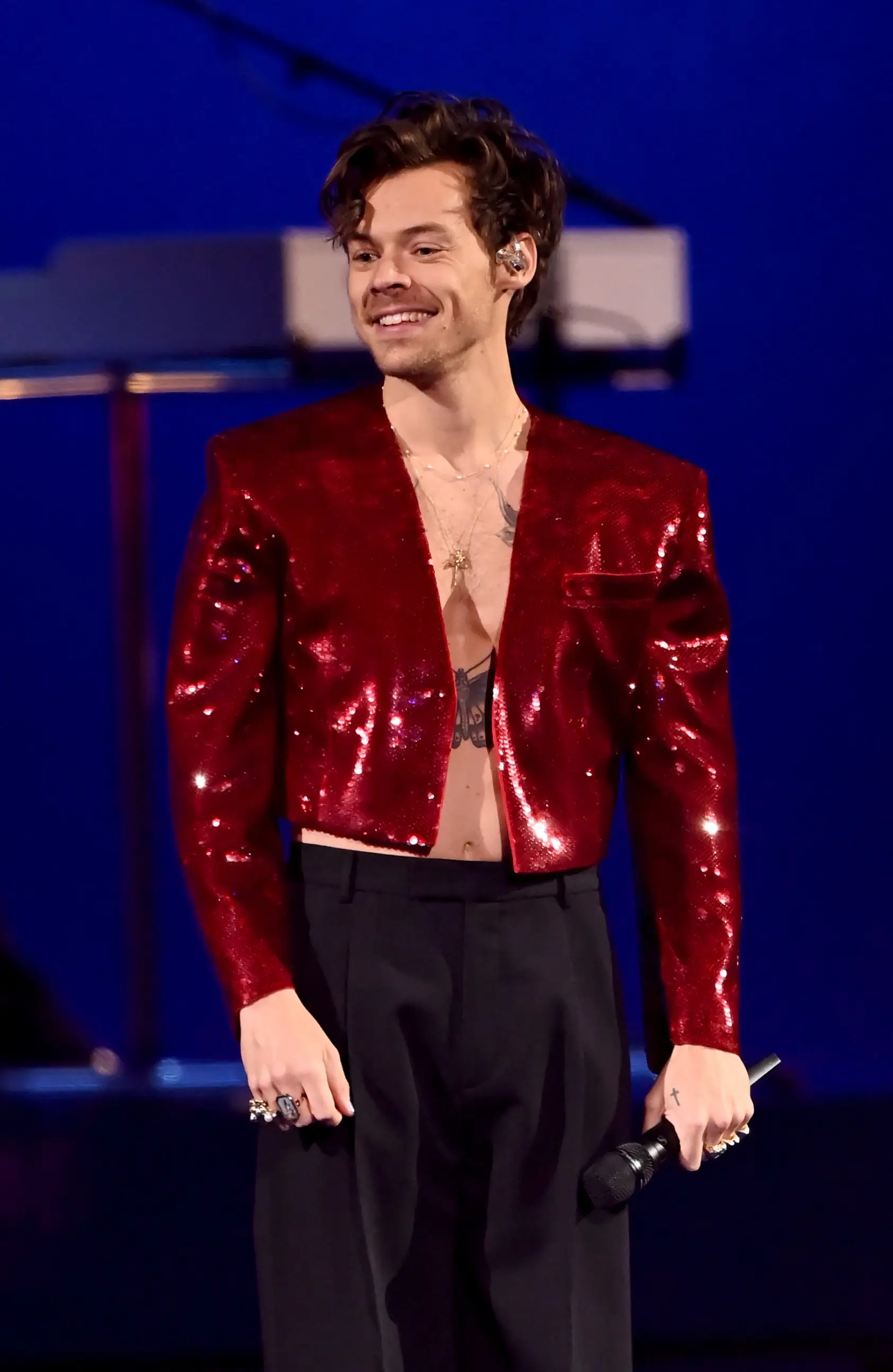
One of the primary drivers behind the intense media interest in Harry Styles’s recent pictures is his distinct approach to fashion and personal presentation. Over the past decade, Styles has transitioned from a traditional boy-band aesthetic to a boundary-pushing style icon who frequently challenges conventional sartorial norms by blending masculine and feminine silhouettes, vintage tailoring, and avant-garde streetwear.
When media outlets publish new photographs, fashion critics and enthusiasts closely examine his wardrobe choices for several key indicators:
- Designer Collaborations: Spotting specific archival pieces or custom garments from major fashion houses provides insight into ongoing partnerships with luxury brands.
- Stylistic Evolution: Gradual shifts in hairstyle, facial hair, and casual wear often signal transitional phases between major artistic eras or personal hiatuses.
- Cultural Resonance: His everyday outfits frequently influence mainstream consumer trends, prompting immediate retail demand for similar styles, color palettes, or accessories.
This dynamic transforms ordinary street-style photography into a scrutinized visual ledger of contemporary pop culture fashion trends.
The Digital Ecosystem: Fan Analysis and Social Media Amplification
The journey of recent media pictures does not end with traditional publishing. Once images appear on news sites or photo agency feeds, they are immediately ingested into specialized digital communities on platforms such as X (formerly Twitter), TikTok, Instagram, and Reddit.
Fans and digital commentators play an active role in contextualizing these visual assets. This ecosystem operates through specific digital behaviors:
- Detailed Archival Comparison: Community members cross-reference new clothing items or locations with past appearances to establish timelines, identify travel routes, or uncover hidden project clues.
- Meme Generation and Viral Sharing: Candid expressions or unique styling choices are rapidly converted into humorous memes, cementing the images within internet subcultures.
- Information Verification: Online communities frequently act as fact-checkers, debunking misattributed throwback photos or digitally altered images that occasionally circulate during periods of low media activity.
This grassroots digital amplification often generates significantly more sustained engagement than the original news publication, demonstrating the symbiotic relationship between modern celebrities and their digitally connected audiences.
Ethical Considerations, Privacy, and Public Interest
The constant documentation of public figures through media photographs raises ongoing ethical questions concerning personal privacy boundaries. While celebrities who operate in the public sphere have diminished legal expectations of privacy when occupying public spaces, the commercial demand for candid imagery occasionally crosses into intrusive territory.
Media analysts and legal scholars regularly evaluate the balance between public interest and personal space:
- Public vs. Private Spaces: Jurisdictional laws generally protect individuals within private residences or non-public venues, while public streets, airports, and open-air venues remain legally permissible zones for photography.
- Harassment vs. Standard Coverage: Distinguishing between standard professional photojournalism and aggressive stalking behavior by independent photographers remains a central debate within entertainment media ethics.
- The Role of Consumer Demand: The economic viability of publishing candid photos depends heavily on readership traffic and engagement metrics, tying public consumption directly to the continuation of aggressive photo-gathering practices.
Comparative Overview of Celebrity Media Coverage Types
To understand where recent pictures of Harry Styles fit within the broader media landscape, it is helpful to compare different categories of published imagery based on origin, control, and intent.
| Image Category | Source / Origin | Level of Subject Control | Primary Media Purpose |
|---|---|---|---|
| Candid / Paparazzi | Independent photographers or wire agencies | None (captured in public spaces) | News reporting, lifestyle updates, entertainment coverage |
| Red Carpet / Event | Official event photographers and press lines | High (posed for media documentation) | Promotional coverage, high-fashion presentation, award show reporting |
| Editorial / Studio | Hired commercial photographers and magazines | Complete (planned shoots, styling, and post-production) | Artistic expression, magazine features, brand campaigns |
| User-Generated | Fans, bystanders, or personal social media accounts | Variable (uncontrolled spontaneous capture) | Viral distribution, community archiving, grassroots news |
Frequently Asked Questions
Where do media outlets legally obtain recent pictures of public figures?
Media outlets typically license photographs from established wire services and specialized photo agencies. These agencies employ professional photographers or purchase independent submissions, ensuring the imagery complies with local public-space photography laws before commercial syndication.
Why do candid street photos generate so much media attention?
Candid photographs provide unscripted, authentic glimpses into a celebrity's daily life outside of heavily managed promotional appearances. This authenticity drives high audience engagement, making these images valuable for digital publishers seeking traffic.
How do fans impact the circulation of celebrity media pictures?
Fans accelerate the distribution of media pictures by sharing, analyzing, and contextualizing them across social media networks. Their commentary often pushes images into wider public consciousness long after the initial news cycle has passed.
Are all published pictures of Harry Styles verified as authentic?
Not always. During periods of intense public interest, digitally manipulated images or mislabeled throwback photographs occasionally surface on social media. Fact-checking communities and reputable news organizations generally work to verify the original date and source before publication.
What factors influence changes in a celebrity's public image in the media?
Shifts in media portrayal are typically driven by a combination of fashion choices, public appearances, project announcements, and the frequency of media exposure. Photographers and editors curate these visual elements to match current narrative trends surrounding the individual.
Navigating and Verifying Visual News
When evaluating recent media pictures or entertainment reports, consumers benefit from cross-referencing multiple verified sources rather than relying on isolated social media posts. Understanding whether an image originates from a verified press agency, a controlled red-carpet event, or an unverified digital account helps maintain an accurate perspective on current media narratives. For those following public figures like Harry Styles, keeping abreast of verified primary announcements alongside cultural analysis provides a balanced, comprehensive view of how celebrity image and media dynamics operate today.
Image Gallery