8 DPO Symptoms Success Stories: What Real Early Pregnancy Experiences Mean for You
Navigating the two-week wait can be an emotional rollercoaster, and searching for 8 DPO symptoms success stories is often how many prospective parents find comfort, validation, and a sense of shared community during early pregnancy tra...
Navigating the two-week wait can be an emotional rollercoaster, and searching for 8 DPO symptoms success stories is often how many prospective parents find comfort, validation, and a sense of shared community during early pregnancy tracking. Eight days past ovulation marks a critical biological window when a fertilized egg typically travels down the fallopian tube and initiates implantation into the uterine lining, which can trigger early physiological shifts and subtle hormonal fluctuations even before a home pregnancy test can reliably detect human chorionic gonadotropin.
Contents
Understanding the Biology of 8 Days Past Ovulation
To make sense of success stories at 8 DPO, it helps to understand the underlying reproductive endocrinology. Ovulation releases an oocyte that, if fertilized by sperm, becomes a zygote and begins cell division. By day 8, this structure has developed into a blastocyst consisting of an inner cell mass and an outer layer called the trophoblast, which will eventually form the placenta.
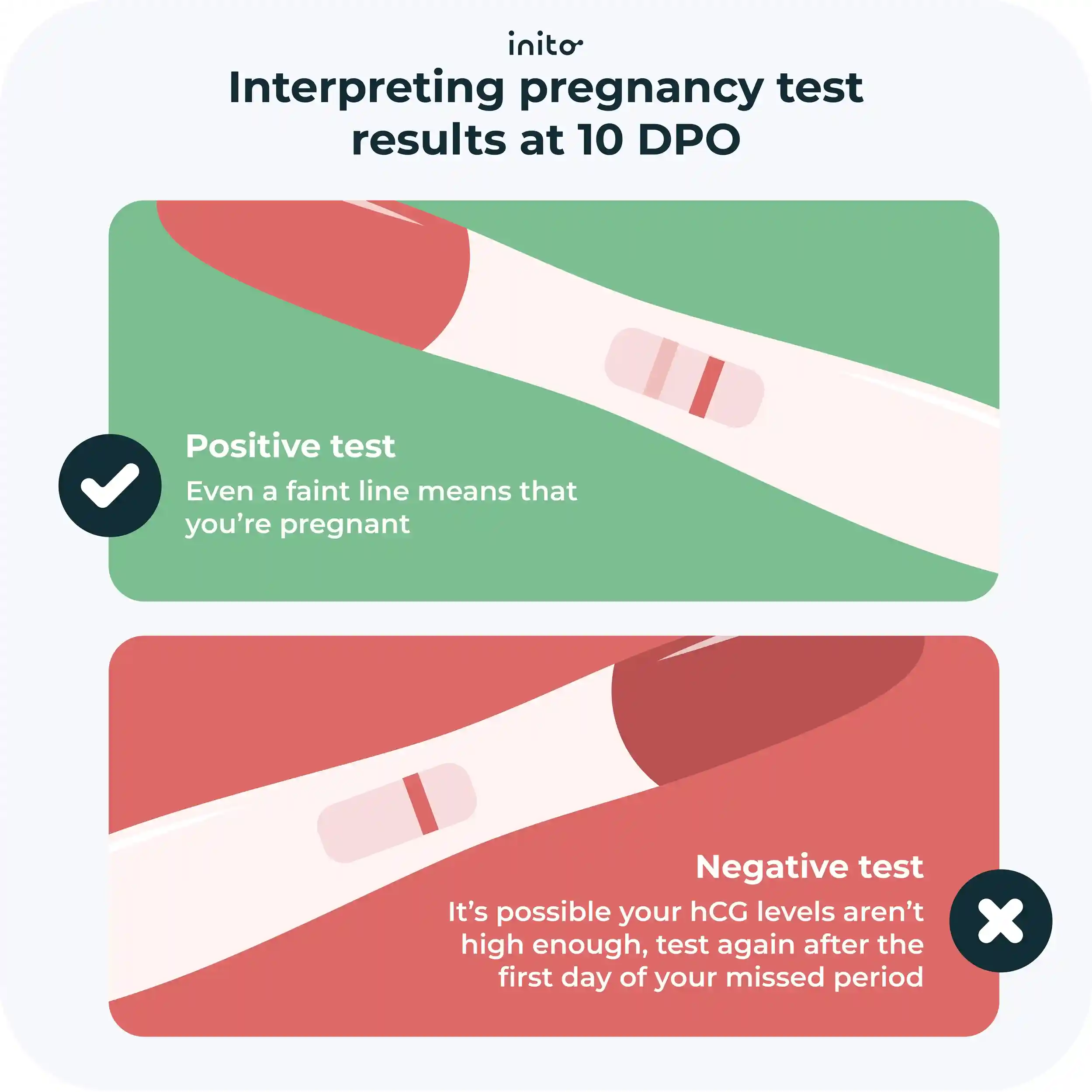
The trophoblast cells begin producing small amounts of human chorionic gonadotropin (hCG) as they burrow into the endometrium. However, at just 8 days past ovulation, systemic hormone levels in maternal blood and urine are often extremely low. While highly sensitive early detection tests might occasionally catch a very faint shadow of a line, a negative result at this stage is completely normal and rarely definitive.
The Implantation Window Implantation does not happen instantly for every cycle; it typically occurs anywhere from 6 to 12 days past ovulation, with days 8 through 10 being the most statistically common timeframe. Consequently, feeling zero symptoms at 8 DPO is just as common in successful pregnancy cycles as experiencing a flurry of physical changes.
Common Physical Signs Shared in Success Stories
When browsing forums, blogs, and community threads for early pregnancy success stories, individuals frequently report a remarkably similar constellation of early signs. While progesterone remains elevated during the second half of any luteal phase regardless of pregnancy status, many parents note subtle qualitative differences in these familiar premenstrual symptoms during successful cycles.
- Implantation Spotting or Cramping: A light pink or brown tinge on toilet paper or a tiny spot on underwear around 8 DPO is frequently cited. This is often accompanied by a mild, dull pulling or fluttering sensation in the lower abdomen, distinct from sharp menstrual cramps.
- Basal Body Temperature Shifts: Charting enthusiasts often look for a secondary estrogen surge or an outright sustained high basal body temperature, though a single-day dip known as an "implantation dip" is also a common fixture in anecdotal success narratives.
- Breast Tenderness and Sensitivity: Unlike standard premenstrual soreness, successful cycles often feature pronounced lateral breast tenderness, heightened nipple sensitivity, or a feeling of heaviness that starts earlier than usual.
- Fatigue and Sleep Disturbances: A sudden, overwhelming wave of exhaustion or waking up unusually early in the morning despite feeling tired is a frequent early marker linked to rising progesterone levels.
- Heightened Olfactory Senses: Many success stories highlight a sudden aversion to coffee, cooking odors, or specific perfumes that normally go unnoticed.
Comparing Symptoms: Early Pregnancy vs. Premenstrual Syndrome
Because progesterone dominates the luteal phase in both pregnant and non-pregnant cycles, distinguishing between standard premenstrual syndrome (PMS) and early pregnancy symptoms can feel nearly impossible. The table below outlines how these overlapping experiences compare during the critical 8 DPO window.
| Symptom Category | Typical Premenstrual Syndrome (PMS) | Reported Early Pregnancy Success Stories (8 DPO) |
|---|---|---|
| Abdominal Discomfort | Generalized, heavy cramping that builds progressively and precedes bleeding by 1 to 2 days. | Intermittent, mild pulling, tingling, or localized fluttering sensations that may come and go. |
| Spotting Patterns | Rare, or transitioning directly into a full menstrual flow within 24 hours. | Light pink, beige, or brown spotting lasting 1 to 2 days without escalating into a flow. |
| Fatigue Levels | Manageable tiredness that improves significantly once menstruation officially begins. | Profound, sudden exhaustion that feels heavy and persistent throughout the day. |
| Breast Changes | Mild swelling and general tenderness appearing 3 to 5 days before expected menses. | Intense sensitivity, tingling, darkened areolae, or prominent veins appearing earlier in the cycle. |
| Emotional State | Irritability, mood swings, and anxiety that correlate with dropping hormone levels. | Heightened emotional sensitivity, vivid dreams, or a persistent, intuitive feeling of change. |
Timeline of the Two-Week Wait Leading Up to 8 DPO
Tracking symptoms requires a clear understanding of how the body transitions from ovulation to potential implantation. Recognizing this chronological progression helps contextualize why 8 DPO is such an early and volatile milestone for testing and symptom-spotting.
- Days 1 to 3 DPO (Fertilization and Cell Division): Fertilization occurs in the fallopian tube, and the fertilized egg begins rapid cellular division while traveling toward the uterus. Progesterone levels begin their upward climb.
- Days 4 to 6 DPO (Blastocyst Journey): The developing blastocyst enters the uterine cavity and floats freely, absorbing nutrients from the uterine secretions while preparing for attachment.
- Days 7 to 8 DPO (Initiation of Implantation): The blastocyst makes contact with the endometrial lining and begins the burrowing process. Trace amounts of hCG enter the maternal bloodstream, and minor capillary disruption may cause light implantation spotting.
- Days 9 to 11 DPO (Hormonal Rise and Testing Window): hCG levels double approximately every 48 to 72 hours, reaching thresholds that modern early-result home pregnancy tests can begin capturing with faint second lines.
- Days 12 to 14 DPO (Missed Period and Confirmation): Progesterone and hCG remain robustly elevated, suppressing menstruation and producing clearer, more definitive positive test results.
Why 8 DPO Testing Often Leads to Heartbreak
One of the most valuable lessons shared across countless success stories is the psychological hazard of testing too early. At 8 days past ovulation, even if conception and implantation have successfully occurred, the concentration of hCG in urine is frequently below the analytical sensitivity threshold of standard home tests, which typically require between 10 and 25 mIU/mL of the hormone to register a positive result.
Testing at 8 DPO frequently results in a stark negative test, triggering unnecessary emotional distress, anxiety, and discouragement. Many individuals who ultimately go on to share joyful success stories emphasize that they tested negative on 8 DPO, 9 DPO, and even 10 DPO before finally seeing a faint positive line appear on 11 or 12 DPO. Patience during this window protects emotional well-being and prevents biochemical confusion caused by evaporation lines or faulty early reads.
Frequently Asked Questions About 8 DPO Symptoms
Can you get a positive pregnancy test at 8 DPO?
While it is technically possible for women with early implantation to get a very faint positive test at 8 DPO, it is exceedingly rare. Most home pregnancy tests lack the sensitivity to detect the minimal amount of hCG circulating in urine at this stage, making a negative result completely normal.
Is zero symptoms at 8 DPO a sign that the cycle failed?
Not at all. Many individuals experience absolute symptom parity between successful and unsuccessful cycles during the two-week wait. Hormonal shifts affect everyone differently, and a lack of physical signs at 8 DPO does not preclude a successful pregnancy.
What does implantation cramping feel like according to success stories?
Success stories frequently describe implantation sensations as mild, short-lived twinges, pulling, or bubbling feelings in the lower abdomen or uterus, rather than the intense, rhythmic cramping associated with an approaching menstrual period.
When is the most reliable time to take a pregnancy test?
For the most accurate and stress-free results, medical professionals and experienced trackers recommend waiting until at least 12 to 14 DPO, or until the day of your missed period, when hCG levels are high enough to provide a clear answer.
Practical Next Steps for Your Journey
If you are currently navigating 8 DPO and comparing your experiences to online success stories, focus first on gentle self-care and stress reduction. Prioritize adequate rest, maintain balanced nutrition, and try to distract your mind from constant symptom analysis. Remember that every pregnancy journey is entirely unique, and whatever the outcome of this specific cycle, understanding your body's baseline patterns brings you closer to your ultimate family-building goals.
Image Gallery