Understanding the Net Worth of Magi Gifts
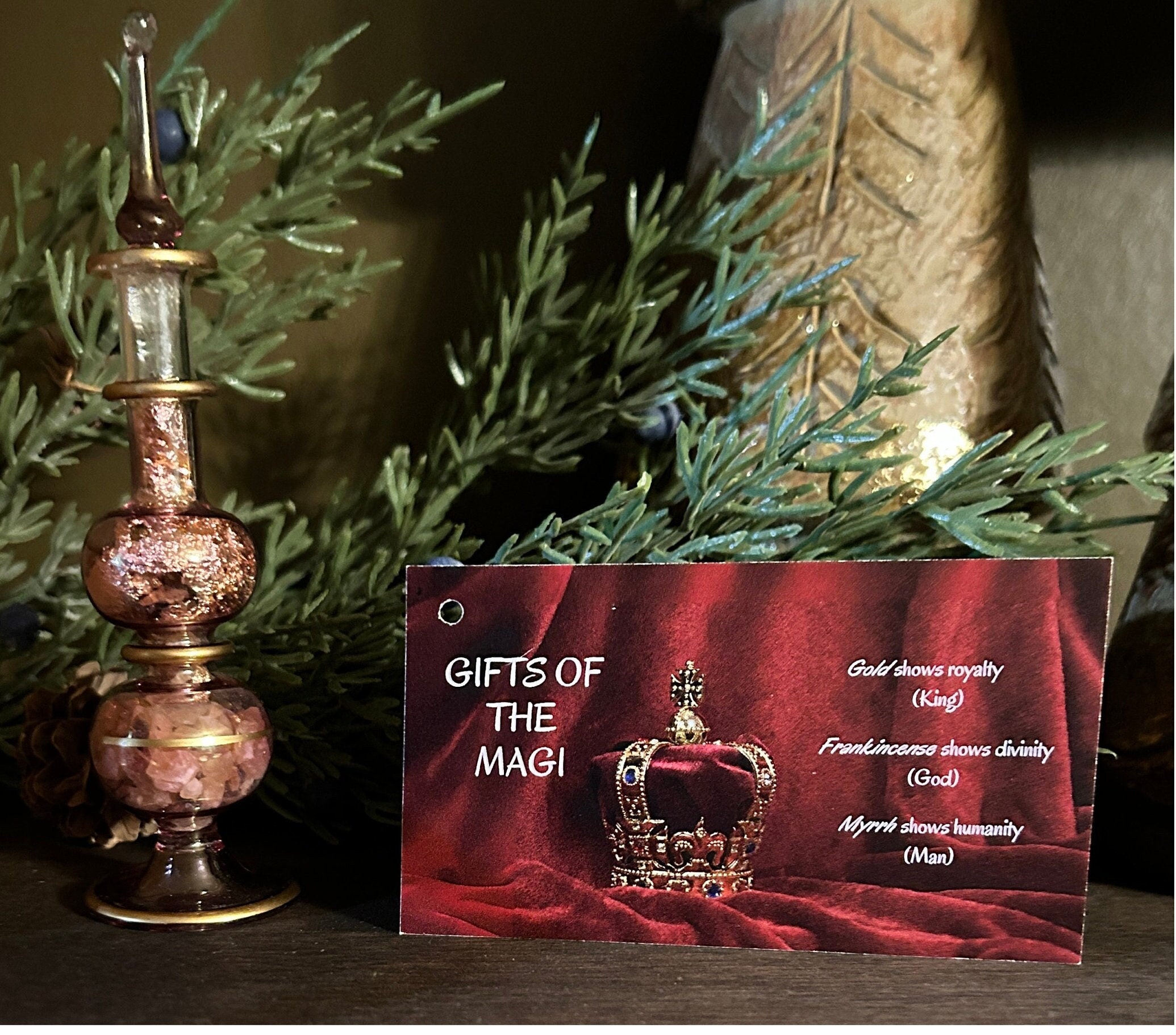
Determining the net worth of the gifts brought by the Magi—gold, frankincense, and myrrh—requires evaluating their 1st-century purchasing power alongside 2026 commodity market rates. Historically, these gifts represented a massive tran...
Determining the net worth of the gifts brought by the Magi—gold, frankincense, and myrrh—requires evaluating their 1st-century purchasing power alongside 2026 commodity market rates. Historically, these gifts represented a massive transfer of liquid wealth, likely totaling several hundred thousand dollars in modern equivalence, effectively financing the Holy Family’s subsequent flight to Egypt.
Contents
The gifts of the Magi are often viewed through a purely symbolic or theological lens, yet they functioned as high-value portable assets in the ancient world. To understand their "net worth," we must look beyond the Sunday school imagery and analyze the economic reality of the Incense Route, Roman taxation, and the scarcity of aromatic resins in the 1st-century Mediterranean. In the year 2026, where gold remains a primary hedge against inflation and rare resins maintain niche pharmaceutical and liturgical value, the financial legacy of these gifts offers a fascinating study in long-term asset appreciation and historical purchasing power.
The Economic Landscape of the 1st-Century Near East
In the era of the Magi, the Middle East was the nexus of global trade. The "Incense Route," which stretched from Southern Arabia to the Mediterranean port of Gaza, was as vital to the ancient economy as oil pipelines are to the modern one. This 1,500-mile trek was controlled by the Nabataeans, who leveraged their knowledge of desert survival to monopolize the trade of frankincense and myrrh.
During this period, these resins were not merely "nice smells"; they were essential commodities for religious rituals, medicinal treatments, and state funerals in Rome and Egypt. The Roman Empire’s demand for frankincense was so insatiable that Emperor Nero reportedly burned a year’s worth of Arabian production at the funeral of his wife, Poppaea. This high demand, coupled with the extreme risks of transport—theft, harsh terrain, and heavy taxation—inflated the "net worth" of these items to levels that often exceeded the price of gold per weight unit.
The Monetary Value of Gold in Antiquity
Gold was the standard of absolute wealth in the 1st century, just as it is in 2026. However, its value was tied more closely to its weight in coinage, such as the Roman Aureus or the local Shekel.
If the Magi brought a "standard" royal tribute, historical precedents suggest a weight ranging from a few pounds to a "talent." A talent was roughly 75 pounds (34 kg). Even a more modest gift of 100 Aurei (Roman gold coins) would represent a significant fortune.
In 2026, gold trades at approximately $2,400 per ounce. If we assume a modest "tribute" of 5 pounds of gold:
- Weight: 80 ounces.
- 2026 Valuation: $192,000.
In the 1st century, this amount of gold could purchase a substantial estate or sustain a family in exile for several years, providing the "net worth" necessary for Joseph and Mary to survive in Egypt, away from their local support networks in Judea.
Frankincense: The "White Gold" of the Ancient World
Frankincense is a resin harvested from the Boswellia sacra tree, primarily found in modern-day Oman and Yemen. In the 1st century, the extraction process was labor-intensive and seasonally restricted, making it a "luxury good" of the highest order.
The UNESCO-protected Incense Trade Route highlights how central this resin was to the economy. Frankincense was used in the Temple of Jerusalem for the "Grain Offering" and by the Romans for state religious ceremonies. Because it was an "exhaustible" resource (it was burned and destroyed to be used), the constant need for replacement kept the price high.
To understand its net worth, consider that the Roman historian Pliny the Elder noted that the processing of frankincense in Alexandria was so secretive and high-security that workers were stripped and searched daily to prevent theft. While frankincense today is more affordable (approximately $50–$150 per kilogram for high-grade resin in 2026), its ancient value was comparable to high-end electronics or specialized pharmaceuticals today—a "value-dense" gift that was easy to transport but high in trade-in value.
Myrrh: A High-Value Pharmaceutical Asset
Myrrh, derived from the Commiphora myrrha tree, was perhaps the most versatile and valuable of the three gifts. It served as a primary ingredient in perfumes, an antiseptic for wound care, and an essential component of the embalming process.
In the 1st-century market, myrrh was often more expensive than gold. While gold was a medium of exchange, myrrh was a utility product with high demand and low supply. For a family "on the run," myrrh acted as a portable medicine chest and a high-liquidity asset. In 2026, "medical grade" myrrh remains a niche product, but in the ancient world, its "net worth" was driven by its necessity in both life (medicine) and death (burial).
If the Magi provided even one liter of concentrated myrrh oil, the value would have been equivalent to several months of wages for a skilled laborer. In modern 2026 terms, this represents a "high-margin" asset that could be sold in small quantities to provide ongoing cash flow.
Comparative Net Worth Analysis (1st Century vs. 2026)
The following table estimates the value of these gifts based on a "Royal Tribute" volume, which assumes the Magi were travelers of high status providing a significant endowment.
| Gift | Estimated Weight/Volume | 1st Century Purchasing Power | 2026 Estimated Market Value |
|---|---|---|---|
| Gold | 5 lbs (2.26 kg) | Could buy a small villa or 10-15 years of labor. | $192,000 |
| Frankincense | 10 lbs (4.5 kg) | Equivalent to the annual tax revenue of a small town. | $1,500 - $3,000 |
| Myrrh | 5 lbs (2.26 kg) | Often worth 1.5x to 2x its weight in gold. | $2,000 - $5,000 |
| Total Estimated | Assorted | Generational Wealth | $195,500 - $200,000+ |
Note: 2026 resin prices reflect bulk high-grade market rates, whereas ancient prices were significantly higher relative to standard wages due to transport costs.
Why the Magi Chose These Specific Assets
Understanding the net worth of these gifts also requires understanding "asset class" selection. Why didn't the Magi bring livestock, land deeds, or textiles?
- Portability: The Magi traveled great distances (likely from the Parthian Empire, modern-day Iran/Iraq). They needed wealth that could be carried on camels or horses without degrading.
- Universal Liquidity: Gold, frankincense, and myrrh were the "universal currencies" of the 1st century. Whether in Bethlehem, Gaza, or Alexandria, these items could be traded instantly for food, protection, or passage.
- Durability: Unlike silk or spices, which can rot or lose potency, gold is eternal, and resins like frankincense and myrrh have a shelf life of years if kept dry.
From a wealth management perspective, the Magi provided a "diversified portfolio." Gold offered capital preservation, while the resins offered high-demand trade goods.
The Practical Impact: Funding the Flight to Egypt
Critics often overlook the pragmatic necessity of this "net worth." Shortly after the Magi's visit, the Gospel of Matthew records that the family fled to Egypt to escape King Herod. Traveling to a foreign country without a source of income is a recipe for disaster.
The net worth of the Magi’s gifts provided the capital for:
- Travel Expenses: Paying for guides and protection through the Sinai Desert.
- Housing in Egypt: Relocating a family requires significant upfront "liquid" capital.
- Business Startup: Traditional views suggest Joseph continued his trade as a tekton (artisan/builder) in Egypt, which would have required purchasing tools and materials.
Without the high net worth of the gold, frankincense, and myrrh, the survival of the Holy Family in a foreign land would have been economically improbable.
Frequently Asked Questions
Were the Magi gifts really worth a fortune?
Yes. Based on historical trade records from the 1st century, the gifts were not symbolic tokens but "royal tributes." Even small quantities of these items represented significant wealth. For example, a single pound of high-grade myrrh could cost more than a common laborer earned in a year.
Is frankincense still valuable in 2026?
While no longer worth its weight in gold, frankincense remains a valuable commodity in 2026 for the essential oil industry, traditional medicine, and liturgical use. High-quality Boswellia sacra resin from Oman is still considered a luxury product.
How much gold did the Magi likely bring?
The Bible does not specify the amount. However, ancient tradition and the logistics of "Kings" or "Sages" traveling with a caravan suggest it was more than a few coins. Most historians estimate the amount was sufficient to sustain a family for several years, likely several pounds.
Why was myrrh considered so valuable?
Myrrh was the "aspirin" and "antibiotic" of the ancient world. It was used to treat everything from toothaches to skin infections. Its scarcity—only growing in specific regions of the Horn of Africa and the Arabian Peninsula—kept the "net worth" of the resin extremely high.
What happened to the wealth from the gifts?
While the Bible does not explicitly state how the wealth was spent, the immediate sequence of events (the flight to Egypt) provides the most logical answer. The gifts served as a "providential endowment," ensuring the family could survive as refugees in a foreign economy.
Conclusion and Recommendations
The net worth of the Magi's gifts was a deliberate provision of high-liquidity, high-value assets designed to survive the rigors of ancient travel and the volatility of 1st-century politics. In 2026 terms, the total value likely exceeded $200,000, with the gold providing the bulk of the modern monetary value, while the resins provided the ancient "functional" wealth.
For those researching the historical or theological implications of these gifts, it is recommended to view them as a "strategic endowment." If you are looking to replicate the "Magi Portfolio" for symbolic or historical interest in 2026, focus on physical gold for value preservation and authentic Boswellia sacra (Omani Frankincense) and Commiphora myrrha (Somali Myrrh) for historical accuracy. These assets remain a testament to a time when wealth was defined by portability, utility, and enduring value.
Image Gallery