Navigating the Search for the Lowest Auto Insurance in Texas
Finding the lowest auto insurance in Texas requires balancing the state's mandatory liability coverage minimums with discounts, deductible choices, and insurer-specific pricing models. Securing an affordable policy involves understandi...
Finding the lowest auto insurance in Texas requires balancing the state's mandatory liability coverage minimums with discounts, deductible choices, and insurer-specific pricing models. Securing an affordable policy involves understanding how Texas regulates auto coverage, evaluating your personal risk profile, and comparing quotes across multiple licensed carriers to find the cheapest rate for your specific situation.
Contents
Understanding Texas Auto Insurance Requirements
Before searching for the cheapest car insurance in Texas, drivers must understand what the state legally mandates. The Texas Department of Insurance (TDI) enforces a financial responsibility law that requires all motorists to carry minimum liability insurance before driving on public roads.
Texas uses a split-limit liability system, commonly expressed as 30/60/25. These numbers represent the minimum coverage limits in thousands of dollars:
- $30,000 of bodily injury liability coverage per person injured in an accident you cause.
- $60,000 of total bodily injury liability coverage per accident when multiple people are injured.
- $25,000 of property damage liability coverage for damage you cause to another person’s vehicle or property.
While these minimums secure legal compliance and allow you to register your vehicle, they do not cover damage to your own car if you cause an accident. Opting for liability-only insurance is frequently the strategy drivers use to achieve the absolute lowest rates, but it leaves them financially vulnerable if their own vehicle is totaled or damaged in a collision.
Factors That Influence Texas Car Insurance Rates
Insurance companies in Texas use complex underwriting algorithms to determine your premium. Understanding these variables helps you identify why certain quotes are higher and where you can make adjustments to lower your costs.
Driving History and Record
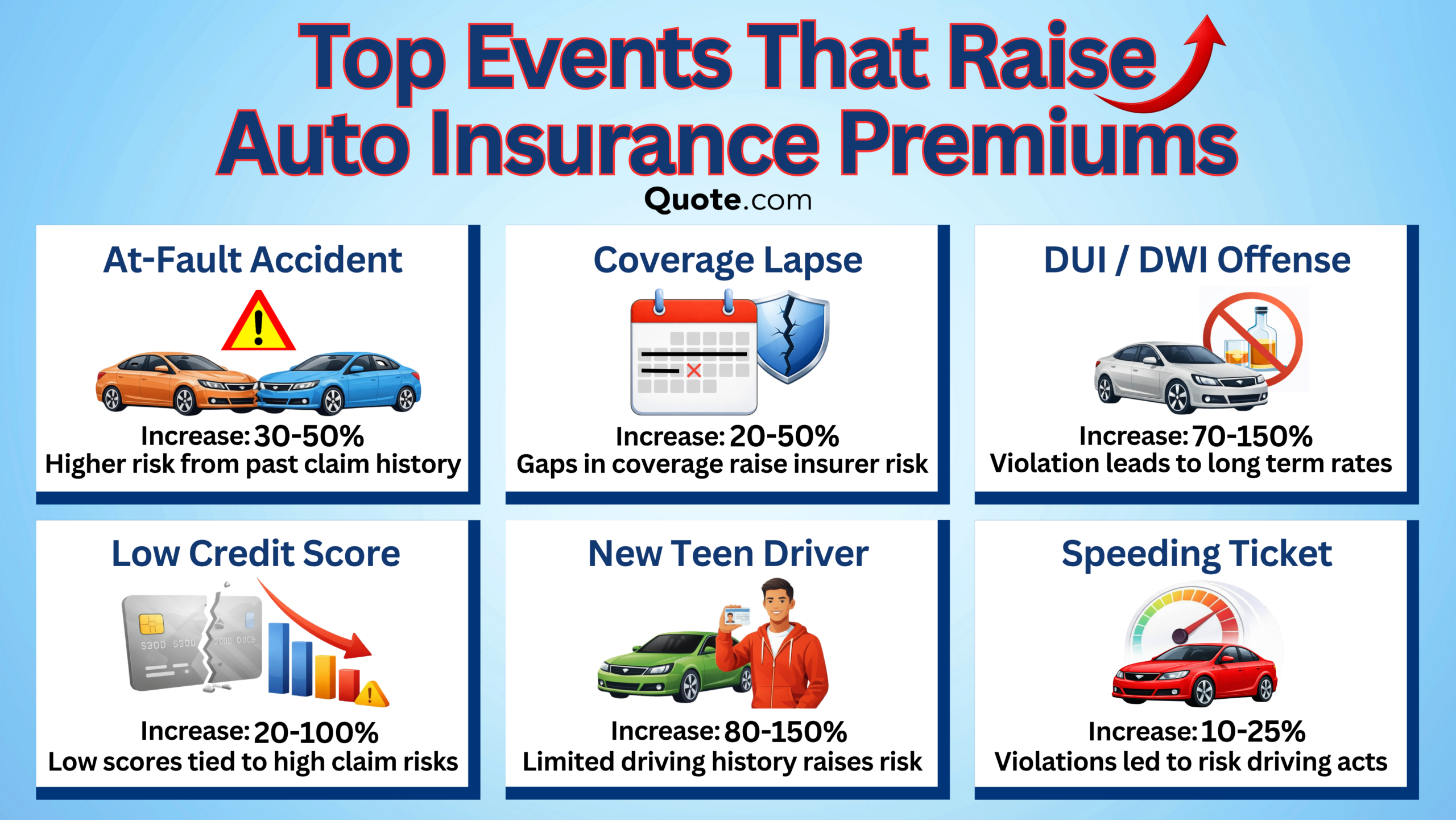
Your motor vehicle record (MVR) is one of the most significant cost drivers. Clean driving records free of at-fault accidents, speeding tickets, and driving while intoxicated (DWI) convictions unlock the lowest tier of pricing. Conversely, a single major moving violation can elevate your rates for three to five years, depending on the insurer's look-back period.
Vehicle Make, Model, and Safety Ratings
The car you drive directly impacts your premium. Insurers look at the vehicle's repair costs, safety ratings, theft rates, and engine size. Standard commuter sedans with high safety ratings generally cost less to insure than sports cars, luxury vehicles, or heavy-duty trucks with expensive replacement parts and advanced technology.
Zip Code and Garaging Location
Where you park and drive your car matters immensely. Urban centers like Houston, Dallas, Fort Worth, San Antonio, and El Paso typically experience higher insurance premiums than rural Texas counties. Higher population density correlates with increased traffic congestion, a greater frequency of accidents, and higher rates of vehicle theft and vandalism.
Coverage Levels and Deductibles
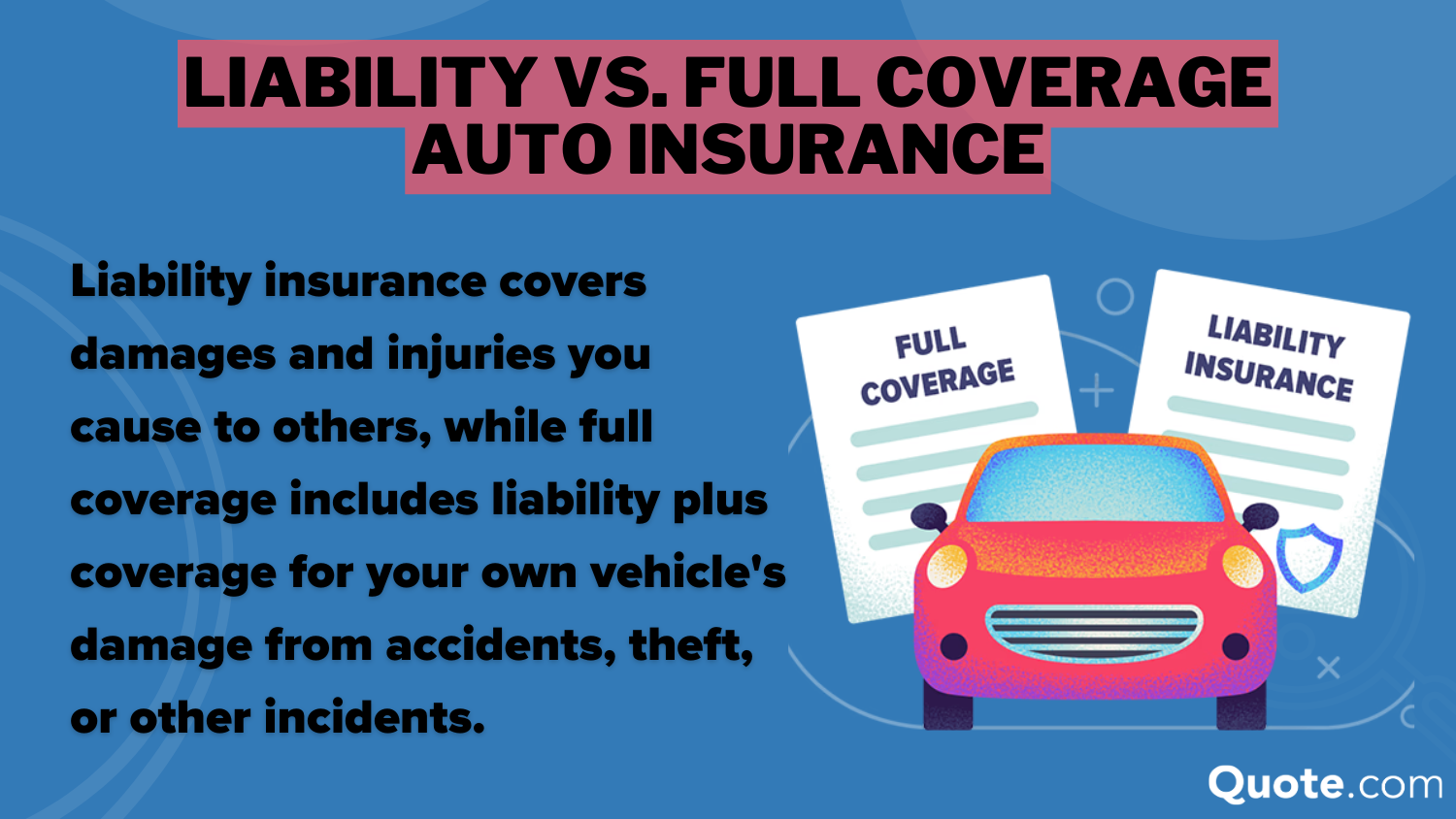
Choosing between liability-only coverage and full coverage (which includes comprehensive and collision) dictates your baseline price. If you select full coverage, raising your deductible—the amount you pay out-of-pocket before insurance kicks in—from $500 to $1,000 will significantly lower your monthly or semi-annual premium.
Comparing Policy Types for Budget-Conscious Drivers
To find the lowest auto insurance rate, you must choose the right tier of coverage. The table below outlines the primary policy types available in Texas, their coverage scope, and their general cost implications.
| Policy Type | Coverage Details | Pros | Cons | Cost Profile |
|---|---|---|---|---|
| State Minimum Liability | Covers bodily injury and property damage for other drivers only (30/60/25). | Lowest possible upfront cost; satisfies legal driving requirements in Texas. | Zero coverage for your own vehicle repairs or medical bills after an at-fault crash. | Lowest |
| Liability with PIP / MedPay | Adds Personal Injury Protection or Medical Payments to cover your medical expenses regardless of fault. | Helps pay medical bills and lost wages for you and your passengers. | Increases the overall premium slightly above bare minimum liability. | Low to Moderate |
| Full Coverage (Liability + Comp & Collision) | Covers damages to your vehicle from collisions, weather events, theft, vandalism, and animal strikes. | Complete financial protection for your vehicle; required if you finance or lease. | Significantly higher monthly premiums. | Moderate to High |
Proven Strategies to Lower Your Texas Auto Insurance Premiums
Achieving the lowest possible rate goes beyond picking the minimum legal coverage. Implementing several targeted strategies can reduce your baseline quotes without sacrificing essential financial protection.
Shop Around and Compare Multiple Quotes
Insurance pricing varies drastically from one company to another because each carrier uses proprietary risk models. Getting quotes from at least three different insurers—ranging from national brands to regional Texas-based mutual companies—ensures you identify the most competitive rate.
Bundle Your Policies
Most insurance providers offer multi-policy discounts if you combine your auto insurance with homeowners, renters, or umbrella insurance. Bundling can slash your auto insurance premium by 10% to 25%, often making a full-coverage policy from a major carrier cheaper than buying minimum liability from a standalone provider.
Maintain a Good Credit Score
In Texas, insurers are legally permitted to use credit-based insurance scores to help determine rates, provided they follow state guidelines. Statistical models indicate a correlation between responsible credit management and lower insurance claims frequency. Paying bills on time and keeping credit utilization low helps keep your insurance rates down.
Utilize Telematics and Usage-Based Programs
Many national and regional insurers in Texas offer telematics programs (such as Progressive Snapshot, State Farm Drive Safe & Save, or Allstate Drivewise). These programs track your driving habits—including speed, braking, acceleration, and phone usage—via a mobile app or plug-in device. Safe drivers can earn substantial discounts, though poor driving habits can occasionally cause rates to increase.
Common Mistakes When Seeking Cheap Auto Insurance
When hunting for the lowest-priced car insurance, drivers often fall into traps that cost them more money in the long run.
- Dropping Coverage Below Necessity: Choosing liability-only on a newer car with an auto loan leaves you owing money on a car that cannot be repaired or replaced by insurance if totaled.
- Opting for Unrealistic Deductibles: Setting a $2,000 deductible to lower your monthly payment sounds smart until an accident occurs and you cannot afford the out-of-pocket cash to fix your car.
- Failing to Disclose All Drivers: Not listing licensed household members or regular drivers on your policy can lead to denied claims or policy cancellation for misrepresentation.
- Ignoring Discounts: Forgoing student discounts, paperless billing, automatic payment setups, and defensive driving course completions leaves money on the table.
Frequently Asked Questions
What is the absolute cheapest car insurance company in Texas?
There is no single cheapest company because rates are calculated individually based on age, driving history, vehicle type, and zip code. Regional mutual insurers and direct-to-consumer digital brands frequently offer competitive baseline rates for clean-record drivers seeking minimum liability coverage.
Can I drive in Texas with out-of-state insurance?
Yes, if you recently moved to Texas, you can temporarily use your out-of-state auto insurance policy. However, Texas law requires you to register your vehicle and obtain a Texas auto insurance policy within 30 days of establishing residency or employment in the state.
Is Texas a "no-fault" auto insurance state?
No, Texas is an "at-fault" (or tort) state. This means the driver who causes the car accident is legally responsible for paying the resulting damages, medical bills, and property repairs through their liability insurance coverage.
Does Texas require Personal Injury Protection (PIP)?
Texas insurance law requires all auto insurance policies to include Personal Injury Protection (PIP) or a signed written rejection of it. PIP covers medical expenses and lost wages for you and your passengers regardless of who caused the accident.
How often should I shop around for lower auto insurance rates?
It is advisable to review and compare auto insurance quotes annually, or whenever you experience a major life event such as moving, buying a new car, adding a teen driver, or improving your credit score.
Next Actions for Texas Drivers
To secure the lowest auto insurance rate tailored to your needs, begin by gathering your current policy details, driver's license numbers, and vehicle identification numbers (VINs). Request quotes online from at least three different licensed Texas carriers, ensuring you compare identical coverage limits and deductibles. Finally, ask each representative or automated quoting tool to apply every available discount for safe driving, bundling, and paperless billing before finalizing your coverage.
Image Gallery