Veronica Lynch and the Evolution of Detroit’s Mobility Ecosystem
Veronica Lynch is a pivotal strategist within the City of Detroit’s Office of Mobility Innovation (OMI), where she has focused on integrating advanced transportation technologies into the city's urban fabric. Her work centers on ensuri...
Veronica Lynch is a pivotal strategist within the City of Detroit’s Office of Mobility Innovation (OMI), where she has focused on integrating advanced transportation technologies into the city's urban fabric. Her work centers on ensuring that mobility advancements—ranging from autonomous vehicle corridors to equitable EV charging—are accessible to all residents while reinforcing Detroit’s status as a global leader in transportation innovation.
Contents
The transformation of Detroit from the "Motor City" to a "Mobility City" has been a decade-long endeavor, reaching significant milestones by 2026. This evolution is not merely about manufacturing vehicles but about reimagining how people, goods, and information move through a modern urban environment. At the heart of this transition is the Office of Mobility Innovation (OMI), where professionals like Veronica Lynch have worked to bridge the gap between private sector technological ambition and public sector social responsibility.
The Strategic Role of the Office of Mobility Innovation (OMI)
The Office of Mobility Innovation was established to centralize the city's efforts in testing and deploying new transit technologies. Unlike traditional department structures that focus solely on road maintenance or bus schedules, the OMI serves as a laboratory for the future of urban movement.
Bridging Policy and Technology
Veronica Lynch’s contributions in this space often involve navigating the complex intersection of municipal policy and emerging tech. In Detroit, mobility is viewed through the lens of economic opportunity. For a city where a significant portion of the population lacks access to a reliable personal vehicle, "mobility" is a synonym for "access to jobs." Lynch and the OMI team prioritize projects that solve "last-mile" problems, ensuring that residents can reach the city’s growing employment hubs even if they live outside the immediate reach of fixed-route transit.
Public-Private Partnerships
A core component of Lynch’s work involves managing relationships with major stakeholders such as Ford Motor Company, Google’s sister company Sidewalk Infrastructure Partners, and various startups nested within the Michigan Central district. By 2026, these partnerships have moved beyond simple pilot programs into permanent infrastructure installations. The goal is to create a "sandbox" environment where companies can test autonomous delivery robots or smart curbside management systems in a real-world setting, providing the city with data that informs better long-term planning.
Key Pillars of Detroit’s Mobility Strategy in 2026
The Detroit mobility landscape is defined by several high-impact initiatives that have gained maturity over the last few years. These projects represent the practical application of the strategies developed by Lynch and her colleagues at the OMI.
1. Michigan Central and the Innovation District
The reopening of the Michigan Central Station as a mobility hub has served as the anchor for the city’s tech aspirations. This district is a 30-acre campus dedicated to the future of transportation. By 2026, it houses hundreds of engineers, policy experts, and entrepreneurs. Veronica Lynch has been instrumental in ensuring that the developments within Michigan Central are not siloed from the surrounding Corktown community. The focus remains on "inclusive innovation," where the technology developed on-site directly benefits the local neighborhood through improved lighting, safer crosswalks, and on-demand transit options.
2. The First Wireless EV Charging Road
Detroit made international headlines by installing the first public wireless electric vehicle (EV) charging roadway in the United States. Located near Michigan Central, this technology allows EVs equipped with specific receiver pads to charge while driving. Lynch’s role in such projects involves coordinating with the Michigan Department of Transportation (MDOT) and private partners like Electreon to manage the regulatory hurdles and community expectations associated with ripping up and replacing traditional asphalt with high-tech inductive charging coils.
3. Advanced Air Mobility (AAM) and Drone Integration
As ground-level congestion continues to be a challenge, the OMI has looked toward the skies. Detroit’s Air Mobility Strategy involves the use of drones for medical deliveries and high-value logistics. Veronica Lynch has participated in the development of "vertiports" and flight corridors that avoid disrupting residential privacy while maximizing the efficiency of drone-based services. This includes working with the FAA and local stakeholders to establish clear guidelines for low-altitude flight within city limits.
Prioritizing Equity in Transportation Tech
One of the most significant challenges in mobility is the "digital divide." High-tech solutions often require smartphones, credit cards, or high-speed internet—amenities that are not universally accessible.
The "Lynch Approach" to Equitable Access
Veronica Lynch has consistently advocated for low-tech entry points into high-tech systems. This includes:
- Cash-to-Digital Solutions: Implementing kiosks that allow residents to load cash onto mobility apps for use on scooters, ebikes, or autonomous shuttles.
- Non-Smartphone Alternatives: Developing SMS-based booking systems for on-demand transit.
- Neighborhood Engagement: Conducting extensive "street-level" outreach to explain new technologies to residents before they are deployed, reducing skepticism and increasing adoption rates.
By 2026, the success of a mobility project in Detroit is measured not just by its technical uptime, but by its "Equity Score"—a metric developed to ensure that investments are reaching underserved zip codes.
Technical Infrastructure and Data Privacy
The backbone of Detroit’s mobility success is its data infrastructure. The city utilizes a "Unified Mobility Feed," which aggregates data from various private transit providers (scooters, ride-shares, shuttles) into a single dashboard for city planners.
Smart Curbside Management
Managing the curb has become one of the most technical aspects of Lynch’s portfolio. With the rise of e-commerce, delivery vans frequently block bike lanes and traffic. Detroit’s smart curb initiative uses sensors and cameras to monitor curb usage in real-time. Delivery drivers can "book" a spot through an app, reducing double-parking and improving traffic flow. This data-driven approach allows the city to monetize the curb more effectively while reducing carbon emissions from idling vehicles.
Data Sovereignty
A critical point of discussion in 2026 is who owns the data generated by connected vehicles. The OMI, under the guidance of its strategic leads, has pushed for strict data-sharing agreements that protect resident privacy. Any company testing autonomous technology in Detroit must share anonymized safety and traffic data with the city, ensuring that the public benefits from the private sector's research.
Comparison of Detroit Mobility Initiatives (2024–2026)
| Project Name | Primary Lead/Agency | Core Technology | Primary Goal | Status as of 2026 |
|---|---|---|---|---|
| Michigan Central | Ford / OMI | Collaborative Workspace | Ecosystem Development | Fully Operational |
| Inductive Charging | MDOT / Electreon | Wireless EV Charging | Range Anxiety Reduction | Expanded to 3-mile loop |
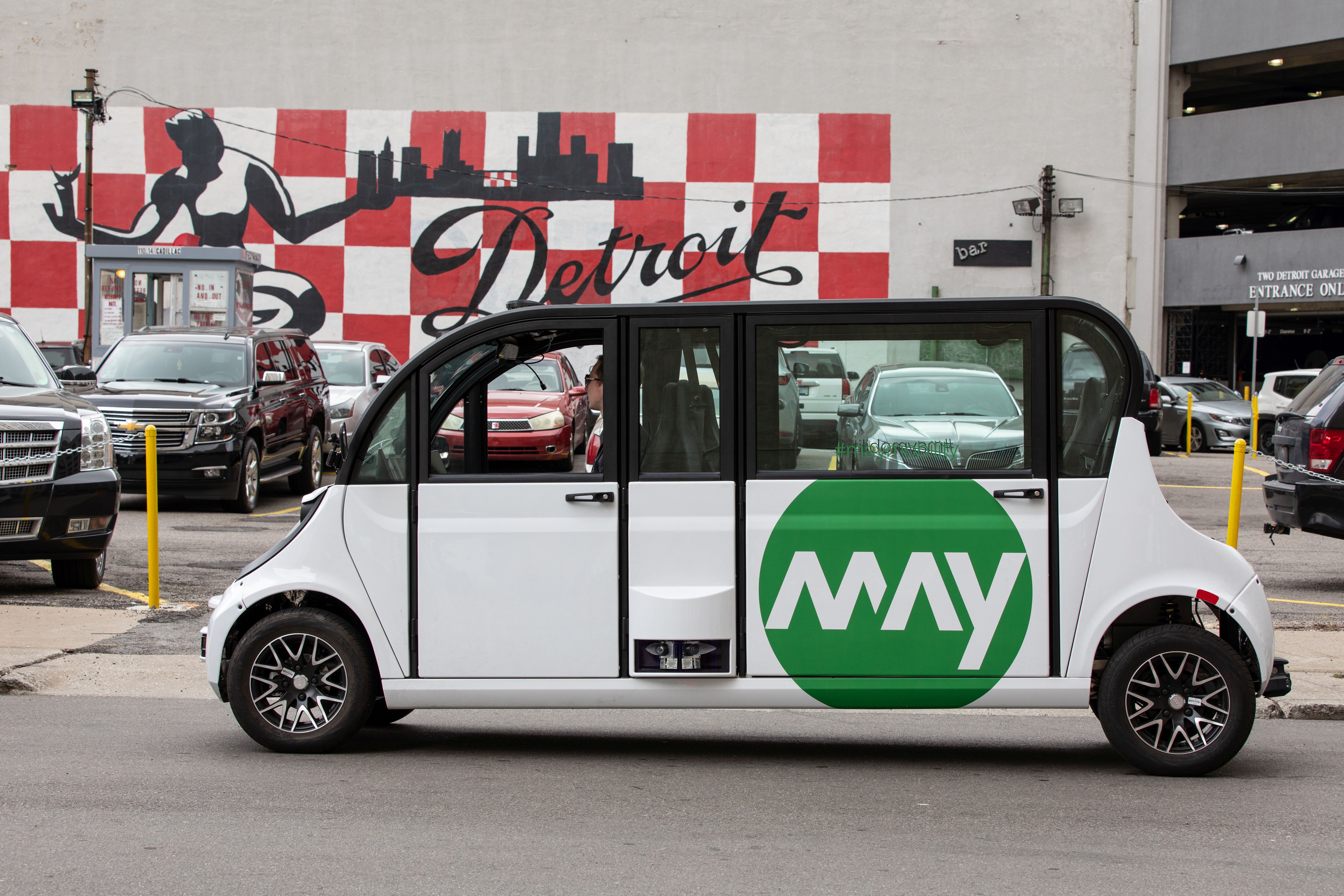
| Detroit Connect | OMI / May Mobility | Autonomous Shuttles | Senior/Student Transport | Permanent Service |
| Smart Curb Pilot | City of Detroit | IoT Sensors/Computer Vision | Traffic Decongestion | City-wide Implementation |
| Air Mobility Hub | OMI / Multiple Partners | Drones / VTOL | Emergency/Medical Logistics | Active Testing Phase |
Challenges and Constraints
Despite the progress, several hurdles remain for Lynch and the mobility team. The most pressing is the sustainability of funding. Many mobility projects begin as grants or pilot programs funded by venture capital. Transitioning these to the municipal budget requires proving long-term ROI to a skeptical city council.
Furthermore, infrastructure maintenance remains a struggle. High-tech sensors and smart pavement require specialized maintenance that traditional DPW (Department of Public Works) crews are not always trained to handle. This has led to the creation of new "Mobility Maintenance" certifications within the city's workforce development programs, an area where Lynch has collaborated with local community colleges to ensure Detroiters are trained for these new "green-collar" jobs.
Frequently Asked Questions
What is Veronica Lynch’s primary impact on Detroit mobility?
Veronica Lynch serves as a strategic bridge between the technical development of mobility tools and their practical, equitable application in the community. Her focus is on ensuring that innovations like autonomous shuttles and smart infrastructure actually serve the needs of everyday Detroiters rather than existing as isolated tech experiments.
How does the Detroit Office of Mobility Innovation differ from the Department of Transportation?
The Detroit Department of Transportation (DDOT) focuses on the operation and maintenance of the city’s bus system. The Office of Mobility Innovation (OMI) is a forward-looking entity that explores new technologies, such as micro-mobility (scooters), electric vehicle infrastructure, and autonomous systems, often working in tandem with DDOT to modernize the overall transit network.
Can residents access autonomous vehicle services in Detroit now?
Yes, as of 2026, several autonomous shuttle routes are active, specifically in the downtown and Corktown areas. Programs like the "Detroit Connect" shuttle provide free or low-cost rides for specific demographics, including seniors and residents in high-density innovation districts, as part of the city’s effort to normalize self-driving technology.
What is "Smart Curbside Management"?
It is a technology-driven approach to managing street parking and loading zones. Using sensors and real-time data, the city can allocate curb space for delivery trucks, ride-share pickups, or traditional parking based on demand, which reduces double-parking and congestion.
How is the wireless charging road being used?
The wireless charging road, primarily located near the Michigan Central district, is used by specially equipped city buses and commercial delivery vehicles. These vehicles charge their batteries while driving over the inductive coils buried beneath the asphalt, allowing them to stay on the road longer without needing to stop at a traditional plug-in station.
Moving Forward: Next Steps for Detroit Mobility
For those interested in the future of urban transportation, Detroit provides a blueprint for how a legacy city can reinvent itself. The next phase of development will likely see an expansion of the CAV (Connected and Automated Vehicle) Corridor, stretching from Detroit to Ann Arbor.
Residents and stakeholders should look toward the OMI’s annual "Mobility Roadmap" updates for opportunities to participate in public trials. For businesses, the focus should be on the Michigan Central ecosystem, which continues to offer grants and pilot opportunities for startups that align with the city’s goals of equity and sustainability. Following the work of leaders like Veronica Lynch ensures an understanding of how technology can be harnessed not just for profit, but for the fundamental improvement of urban life.
Image Gallery