How to Achieve the Riley Green Mustache and Beard Style: A Complete Grooming Guide
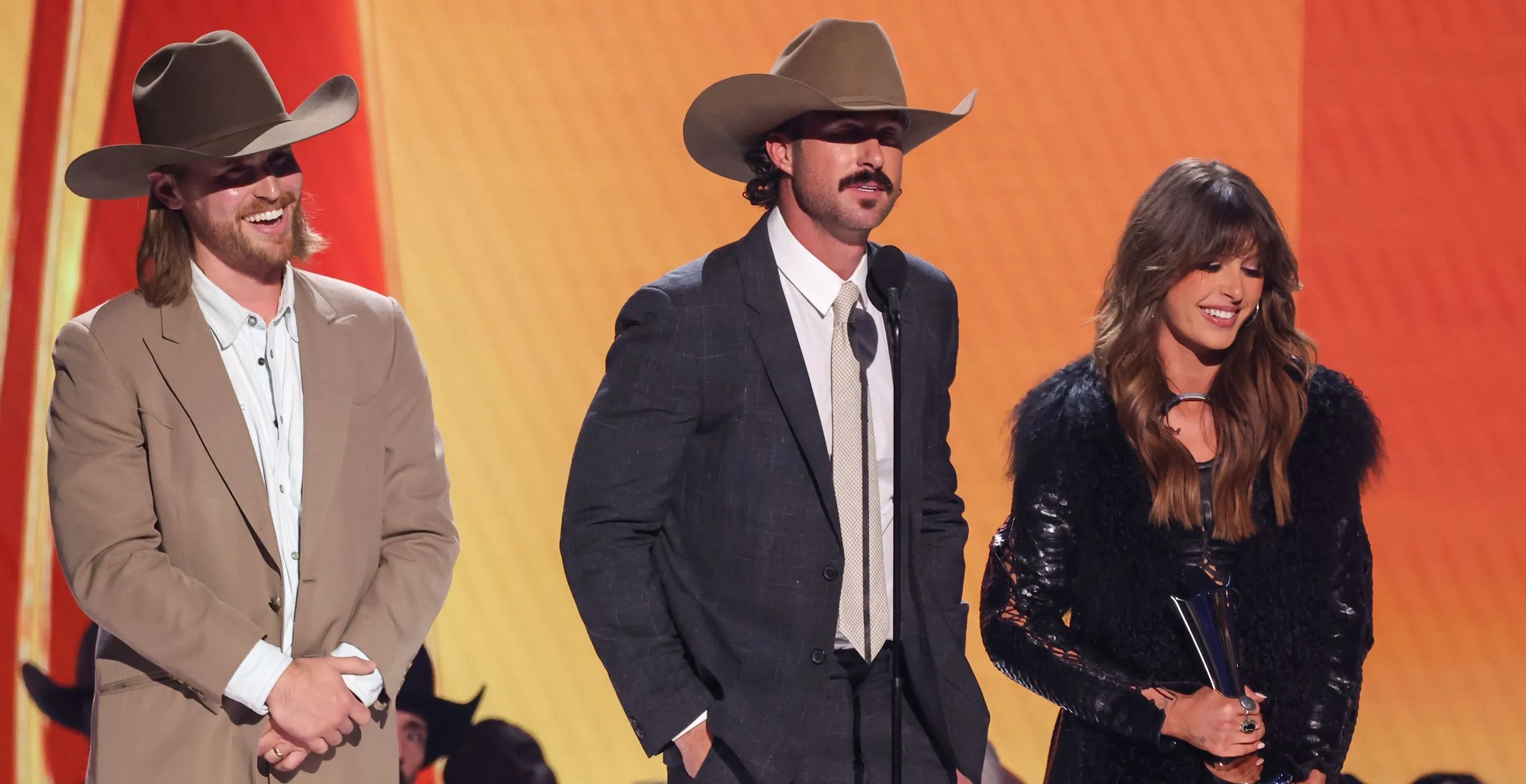
Riley Green’s signature facial hair is characterized by a "refined ruggedness," typically featuring a thick, natural Chevron-style mustache paired with either heavy stubble or a well-maintained medium-length beard. Achieving this look...
Riley Green’s signature facial hair is characterized by a "refined ruggedness," typically featuring a thick, natural Chevron-style mustache paired with either heavy stubble or a well-maintained medium-length beard. Achieving this look requires patience for density and consistent maintenance using beard oils and high-quality trimmers to preserve clean lines without looking over-engineered.
Contents
For years, country music sensation Riley Green has been as much a style icon for the modern outdoorsman as he has been a chart-topping artist. His look—often described as "Blue-Collar Chic"—hinges significantly on his facial hair. Whether he is performing at a sold-out stadium or hunting in the backwoods, Green’s mustache and beard remain a focal point of his aesthetic. As of 2026, this style has transitioned from a niche country trend to a mainstream grooming standard for men seeking a balance between a masculine, unrefined edge and professional grooming standards.
The Anatomy of the Riley Green Aesthetic
To replicate Riley Green’s look, one must first understand that his facial hair is not static; it fluctuates between a prominent "mustache-heavy" stubble look and a full, dense beard. However, the constant centerpiece is the mustache. Unlike the thin "pencil" styles of the past or the overly waxed "handlebar" styles of the hipster era, Green favors a classic, heavy Chevron.
The Chevron Mustache
The Chevron mustache is characterized by its thickness and the way it covers the entire upper lip, typically angling slightly downward at the corners of the mouth. In Green’s case, the mustache is kept dense. It serves as the "anchor" of his face. Even when he trims his beard down to nearly nothing, the mustache remains thick, providing a sense of maturity and ruggedness.
The "Woods-Ready" Beard
When Green opts for the full beard, it rarely reaches "lumberjack" lengths. Instead, he maintains what grooming experts call a "boxed" or "corporate" beard length—roughly half an inch to an inch of growth. This length is intentional; it is long enough to show full coverage and texture but short enough to reveal the jawline. The "rugged" feel comes from the texture of the hair rather than the sheer volume of it.
Prerequisites for Growing the Look
Before picking up a trimmer, you must assess your genetic baseline. Not every man can grow a "Riley Green" beard, but many can adapt his principles to their own growth patterns.
- Density Requirements: A Chevron mustache requires significant density in the philtrum area (the space between the nose and the upper lip). If your mustache growth is patchy, you may need to lean more toward his stubble-heavy looks rather than the full-density mustache.
- Growth Timeline: You cannot rush this style. For most men, it takes 4 to 8 weeks to achieve the necessary thickness for the mustache to stand out against the rest of the facial hair.
- Skin Health: Rugged styles often hide skin irritation. Because Green’s look involves thick hair, maintaining the skin underneath is vital to prevent "beardruff" (dandruff of the beard) and itching, which can lead to patchy spots from scratching.
Step-by-Step Guide to Styling and Maintenance
Achieving the Riley Green mustache and beard in 2026 requires a disciplined routine. Following these steps ensures the look remains intentional rather than accidental.
Phase 1: The Growth Period
Stop shaving entirely for at least three weeks. During this time, do not attempt to shape the mustache or the beard. This allows you to see your natural growth patterns. Use a beard wash (a specialized cleanser) twice a week to keep the follicles clear of debris and oil.
Phase 2: Defining the Mustache
Once you have substantial growth, use a precision trimmer to define the bottom of the mustache. The Riley Green style usually follows the line of the upper lip. You want to trim any hairs that hang over the lip into the mouth, but do not trim too high—the "weight" of the mustache should sit right at the lip line.
Phase 3: Managing the Beard Length
Using a beard trimmer with adjustable guards, select a length (usually 10mm to 13mm) for the cheeks and jaw. A key technical detail in Green's look is the "taper." He often keeps the sideburns and upper cheeks slightly shorter than the chin and mustache. This creates a slimming effect on the face while emphasizing the "alpha" features of the chin and upper lip.
Phase 4: The Neckline and Cheekline
To keep the look from becoming "neckbeard" territory, define your neckline. A good rule of thumb is to place two fingers above your Adam's apple; everything below that line should be clean-shaven. For the cheeks, Green typically follows a natural line. Avoid the "sharp" ultra-defined cheek lines common in "barber-shop" styles, as this contradicts the rugged, natural vibe of the Riley Green aesthetic.
Essential Tools and Products
The "Riley Green" look is low-maintenance in appearance but requires specific tools to stay sharp.
| Tool/Product | Purpose | Why it’s Essential |
|---|---|---|
| Adjustable Beard Trimmer | Length consistency | Ensures the beard doesn't get too long or uneven. |
| Boar Bristle Brush | Training and cleaning | Distributes natural oils and trains mustache hairs to grow downward. |
| Beard Oil (Sandalwood/Cedar) | Hydration and scent | Keeps the hair soft and provides a "woodsy" scent aligned with the brand. |
| Precision Detailer | Mustache shaping | Allows for clean lines around the lip without removing too much bulk. |
| Exfoliating Scrub | Skin health | Prevents ingrown hairs under the thickest parts of the beard. |
Face Shape and Suitability
The Riley Green style is remarkably versatile, but it performs differently depending on your bone structure.
- Square Faces: This is the ideal shape for Green’s look. The thick mustache complements a strong jawline, and the beard helps soften the angles slightly.
- Oval Faces: Most facial hair styles work here. For an oval face, keeping the chin hair slightly longer than the sides (as Green often does) adds necessary structure.
- Round Faces: Men with rounder faces should be careful. A thick mustache can sometimes make a face look wider. To counteract this, keep the sides of the beard very short and let the chin grow slightly longer to create an elongated silhouette.
- Triangular Faces: If you have a prominent chin but a narrower forehead, the heavy Chevron mustache is your best friend. It adds "weight" to the middle of the face, balancing out the proportions.
Common Pitfalls to Avoid
Even with the right tools, it is easy to deviate from the "Riley Green" standard into less flattering territory.
Over-Trimming the Mustache: The most common mistake is trimming the mustache too thin or too high above the lip. This results in a "cop" or "military" look rather than the "country outlaw" vibe. The mustache must have bulk.
Ignoring the Neckline: While the look is rugged, a "wild" neckline suggests a lack of hygiene. In 2026, the standard for celebrity-inspired facial hair remains a clean neck. It separates the "intentional beard" from the "I forgot to shave" beard.
Lack of Hydration: Thick facial hair like Green’s acts as a wick, pulling moisture away from the skin. Without daily application of beard oil or balm, the skin will become dry and flaky. This is especially important for the mustache area, which is prone to irritation from food and moisture.
The Psychological Impact of the Look
Beyond the physical appearance, the Riley Green mustache and beard represent a specific cultural archetype. In the mid-2020s, there has been a significant shift toward "Authentic Masculinity." This grooming style signals a connection to the outdoors, traditional values, and a rejection of the highly manicured "metrosexual" trends of the previous decade. For many men, adopting this look is a way to project a persona of reliability and rugged capability.
Frequently Asked Questions
How long does it take to grow a Riley Green-style mustache?
For most men, it takes approximately 4 to 6 weeks of dedicated growth to achieve the thickness required for a Chevron mustache. You may experience a "patchy" phase around week three, but it is essential to let the hair grow long enough to lay flat and fill in the gaps.
What products does Riley Green use?
While Green has not officially endorsed a single 2026 product line, he has historically been associated with brands that emphasize natural ingredients like beeswax, jojoba oil, and cedarwood essential oils. He often emphasizes a "less is more" approach to grooming.
Can I pull off the mustache if I have a thin upper lip?
Yes. In fact, a thick Chevron mustache is one of the best ways to "mask" a thin upper lip. By growing the mustache hair slightly longer so it rests on the top edge of the lip, you create the illusion of more volume and a more balanced facial structure.
How often should I trim to maintain the look?
To maintain the "stubble-beard" balance, you should trim the beard every 3 to 5 days. However, the mustache only needs a "lip-line" trim once a week to ensure it stays out of your mouth while maintaining its density.
Is this style appropriate for a professional office environment?
Yes, provided the neck and upper cheeks are kept clean. The "Corporate Beard" trend of 2026 has made Riley Green’s style perfectly acceptable in most professional settings, as long as the length is controlled and the hair is kept hydrated and brushed.
Practical Recommendation
If you are ready to transition to the Riley Green look, the best first step is a "reset." Clean shave your face entirely, then let everything grow for exactly 14 days. On the 15th day, use a 10mm guard on your beard but do not touch the mustache. Use a small amount of beard oil daily. This simple 2-week start will provide the foundation for a look that is both rugged enough for the woods and refined enough for the stage.
Image Gallery