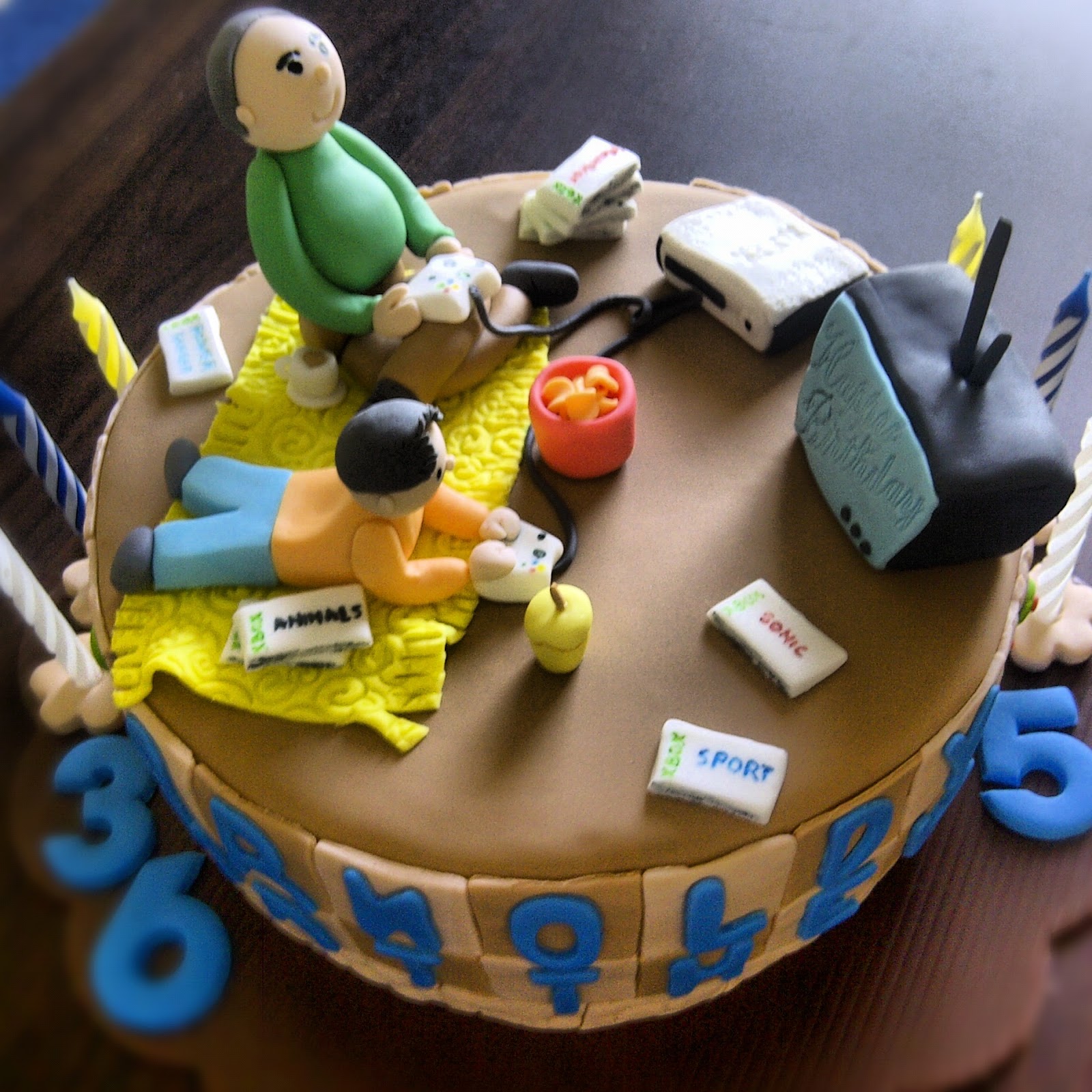
Dad and Son Birthday Cake Ideas for a Shared Celebration
To create a successful shared birthday cake for a dad and son, focus on a design that bridges generational interests through a "split" aesthetic or a unified hobby. By utilizing dual-themed layers, shared color palettes, or "evolution"...
To create a successful shared birthday cake for a dad and son, focus on a design that bridges generational interests through a "split" aesthetic or a unified hobby. By utilizing dual-themed layers, shared color palettes, or "evolution" motifs, you can celebrate two distinct milestones within a single, cohesive centerpiece.
Contents
A shared birthday celebration between a father and son is a unique milestone that requires a thoughtful approach to dessert design. In 2026, the trend for multi-generational celebrations has shifted away from generic themes toward highly personalized, "storytelling" cakes. The challenge lies in balancing the sophisticated tastes of an adult with the vibrant, often play-oriented preferences of a child. Whether you are navigating a first birthday paired with a 30th, or a teenage son sharing a day with his 50-year-old father, the cake serves as the visual anchor of the event.
The "Evolution" Concept: From Blocks to Blueprints
One of the most visually compelling ways to honor both individuals is the "Evolution" or "Timeline" cake. This design works exceptionally well for tiered cakes where each level represents a different stage of life, yet maintains a unified artistic style. For the son’s portion, usually the top tier, the focus is on his current obsession—perhaps building blocks, space exploration, or a favorite animated character. For the father’s portion, the base tier reflects the "grown-up" version of those interests or his professional achievements.
In 2026, many families are opting for silhouette-style evolution cakes. Imagine a clean, white fondant cake featuring a series of black fondant silhouettes wrapping around the base. It begins with a toddler playing with a ball, progresses to a teenager with a backpack, and culminates in a man holding a briefcase or a set of golf clubs. This approach is sophisticated enough for the adult but provides recognizable imagery for the child.
To execute this effectively, use a high-contrast color scheme. Navy blue and gold or forest green and copper are popular choices this year, providing a masculine yet celebratory feel. The use of "floating" toppers—acrylic or 3D-printed signs that bridge the tiers—can display both ages (e.g., "1 & 31" or "10 & 40") in a sleek, modern font.
The Vertical Split: The "Two-Face" Design
When interests are diametrically opposed—for example, a son who loves prehistoric dinosaurs and a father who is a dedicated classic car enthusiast—the vertical split cake is the most practical solution. This technique involves decorating one half of the cake in one theme and the other half in another, with a "peeled back" or "stitched" effect in the center where the two worlds meet.
Technical execution is key here. To achieve a professional look:
- Establish a Neutral Base: Ice the entire cake in a neutral crumb coat.
- Apply the Themes: Use fondant or heavy buttercream to create the son's side (e.g., a prehistoric jungle) and the father's side (e.g., a sleek garage or a vintage road map).
- The Reveal Line: Use a "zipper" made of fondant or a textured "tear" in the frosting to define the border. In 2026, bakers are increasingly using edible gold leaf or "glitch" effects to make this transition look intentional and artistic rather than cluttered.
This style allows for two distinct flavor profiles within the same cake structure. You might choose a classic vanilla sponge for the son’s side to satisfy younger palates, while the father’s side features a more complex flavor, such as a coffee-infused mocha or a dark chocolate Guinness sponge.
Shared Hobbies: The Unified Theme
If the father and son share a genuine passion, a unified theme is often the most harmonious choice. In 2026, the most popular shared interests for birthday themes include outdoor adventuring, specific sports teams, and "retro-gaming."
The Great Outdoors
A "Camping and Adventure" theme is timeless. The cake can be designed as a rugged mountain or a forest scene. For the son, include small edible figurines of tents or wild animals. For the father, focus on the "top of the mountain" achievement, perhaps with a compass or a miniature hiking boot. This theme allows for the use of organic textures—edible moss made from graham crackers and green food coloring, or chocolate "bark" shards—which are highly fashionable in contemporary cake design.
Sports and Stadiums
Instead of a simple ball-shaped cake, consider a "Stadium Slice." This design mimics a cross-section of a stadium. The son’s side can focus on the "Rookie of the Year" aspect, while the father’s side celebrates the "All-Star Veteran" or "Coach" status. Using edible ink printing, you can include "trading cards" of both the father and son as edible decorations around the perimeter of the cake.
Flavor Balancing for Multi-Generational Guests
A significant challenge in a shared celebration is the palate gap. Children typically prefer high-sugar, familiar flavors like strawberry or birthday cake (funfetti), whereas adults in 2026 are trending toward "botanical" and "savory-sweet" combinations.
| Theme Category | Recommended Son's Flavor | Recommended Dad's Flavor | Structural Suggestion |
|---|---|---|---|
| The Evolution | Classic Vanilla Bean | Salted Caramel & Bourbon | Two-tier (Small top, large base) |
| The Vertical Split | Milk Chocolate Ganache | Dark Chocolate Espresso | Single deep round (split vertically) |
| Shared Sport | Cookies and Cream | Pistachio & Honey | Rectangular sheet (field layout) |
| Outdoor/Nature | Wild Berry Medley | Lemon & Rosemary | Topsy-turvy or "stump" cake |
To solve the flavor dilemma without baking two entirely separate cakes, consider "checkerboard" interior sponges or horizontal layer stacking. A four-layer cake could feature two layers of classic chocolate and two layers of a more adventurous flavor like hazelnut praline. When sliced, every guest receives a portion of both, or they can choose which layer to prioritize.
DIY vs. Professional Commission in 2026
As of 2026, the cost of custom cakes has stabilized, but the complexity has risen. If you are commissioning a professional, expect to pay between $10 and $18 per slice for intricate "split" or "evolution" designs. Professional bakers now utilize 3D food printers for complex toppers and edible "augmented reality" (AR) tags that, when scanned with a phone, show a video montage of the father and son.
For the DIY enthusiast, "deconstructed" shared cakes are a viable and stylish alternative. Instead of one massive cake, create a "cake landscape." This involves a smaller central cake for the "shared" element and two flanking sets of cupcakes or "cake pucks" that represent the individual's specific tastes. This reduces the structural risk of a large tiered cake while allowing for maximum customization.
Technical Considerations: Sizing and Transport
When planning a shared cake, sizing is frequently underestimated. You aren't just feeding one party; you are often feeding a larger combined group of friends and family from two different circles.
- Servings: A standard 8-inch round cake serves approximately 20-25 people. For a shared celebration, a 10-inch base with a 6-inch top tier is standard, providing roughly 40-50 servings.
- Stability: If you are opting for a "split" design with different decorations on each side, the weight of the decorations must be balanced. Heavy fondant figures on one side can cause a cake to lean if not properly doweled.
- Transport: In 2026, many bakeries provide "smart boxes" with integrated cooling inserts. If DIY-ing, ensure the cake is transported on a non-slip mat in the flattest part of the vehicle (usually the trunk or floorboard, never the seat).
Frequently Asked Questions
How do I handle two different sets of candles?
Rather than cluttering the top of the cake with twenty or forty candles, use "milestone" number candles or custom-etched wooden toppers that state "1 & 35" or "10 & 40." Alternatively, place the son's candles on one side of a split cake and the father's on the other to maintain the design's integrity.
Can we have two different cake toppers on one cake?
Yes, but scale is vital. To avoid a "crowded" look, use toppers of different heights. A tall, sleek wire topper for the father can stand behind a smaller, more colorful 3D figure for the son. This creates a sense of depth and hierarchy rather than competition.
What if one person has a dietary restriction and the other doesn't?
This is where the "Side-by-Side" or "Satellite Cake" approach works best. You can create a main cake that is gluten-free or vegan to accommodate the restriction for everyone, or provide a "Hero Cake" for the shared photos and a separate, smaller "Safety Cake" that meets the specific dietary needs.
Is it better to have one large cake or two separate cakes?
A single, large cake is symbolically more powerful for a shared celebration, as it emphasizes the bond between father and son. However, if the party is very large (over 75 guests), two separate but stylistically linked cakes are often easier to manage and serve.
Final Recommendations for a Successful Shared Cake
When selecting your "dad and son" cake, prioritize the visual bridge. The most successful cakes are those that don't look like two cakes mashed together, but rather a single piece of art that tells two stories. If you are stuck between themes, opt for the "Minimalist Split"—a clean, white-textured cake with two different types of greenery or metallic accents on either side. This ensures the cake remains a sophisticated centerpiece for the adults while the addition of custom, removable figurines can satisfy the child's need for a "fun" birthday cake.
Plan your order or bake at least four weeks in advance, especially if you are requesting custom 3D-printed elements or complex flavor infusions, which are the hallmarks of premium celebrations in 2026.
Image Gallery