Understanding Spider Bites: Identification, Visual Symptoms, and Medical Guidance for 2026
Identifying a spider bite requires distinguishing between localized skin irritation and systemic reactions caused by venomous species. Most spider bites appear as small, red, itchy bumps similar to other insect stings; however, specifi...
Identifying a spider bite requires distinguishing between localized skin irritation and systemic reactions caused by venomous species. Most spider bites appear as small, red, itchy bumps similar to other insect stings; however, specific visual markers like necrotic centers or double-puncture wounds in 2026 require immediate clinical evaluation to rule out envenomation from medically significant spiders.
Contents
Diagnostic Indicators for Spider Bites
Visual identification is the first step in assessing a potential spider bite. Unlike common mosquito or ant bites, which typically present as uniform, raised welts, spider bites often manifest with distinct characteristics. Recognizing these signs helps differentiate between harmless house spiders and those requiring urgent medical intervention.
- Puncture Marks: Look for two tiny, side-by-side pinpricks where the chelicerae penetrated the skin.
- Localized Redness and Swelling: Mild inflammation is common within the first hour.
- Central Blistering: A fluid-filled blister may develop, sometimes turning dark or purple, which can indicate tissue involvement.
- Itching and Burning: While localized pain is frequent, severe, radiating pain may signal a more potent venomous reaction.
When examining the site, observe the skin for a "target" or "bullseye" appearance. This pattern often features a central pale area surrounded by a red ring, which may further be encircled by a white or lighter outer ring. While this is frequently associated with Loxosceles (recluse) spiders, it is not diagnostic on its own, as other skin conditions can mimic this presentation.
Comparison of Common Spider Bite Symptoms
Not all spider bites are equal in severity. The following table highlights the differences between common, harmless bites and those from spiders medically significant in North America.
| Spider Type | Visual Presentation | Primary Symptoms | Clinical Concern |
|---|---|---|---|
| Common House Spider | Minor red bump | Mild itching, local heat | Generally non-toxic |
| Black Widow | Double puncture, minimal redness | Muscle cramps, abdominal pain | Requires urgent care |
| Brown Recluse | Bullseye pattern, central necrosis | Severe pain, ulceration | Requires immediate care |
| Hobo Spider | Blistering, red lesion | Localized tissue damage | Monitor for progression |
When to Seek Emergency Medical Attention
In 2026, medical guidelines emphasize that early intervention is critical for preventing complications. You should bypass home treatment and proceed to an urgent care facility or emergency room if you observe any of the following systemic symptoms:
- Difficulty breathing or swallowing: This is a sign of a severe allergic reaction or systemic envenomation.
- Muscle rigidity or cramping: Specifically in the abdomen, back, or chest, which is a hallmark of neurotoxic venom like that of a Black Widow.
- Necrosis or tissue death: If the center of the bite turns black, blue, or begins to slough off, professional debridement may be necessary.
- Fever, chills, or nausea: These symptoms suggest the venom is affecting your systemic health rather than just the localized skin site.
- Rapidly spreading redness: A streak of red extending from the bite site toward the heart can indicate a spreading secondary infection (cellulitis).
First Aid and Immediate Home Care Procedures
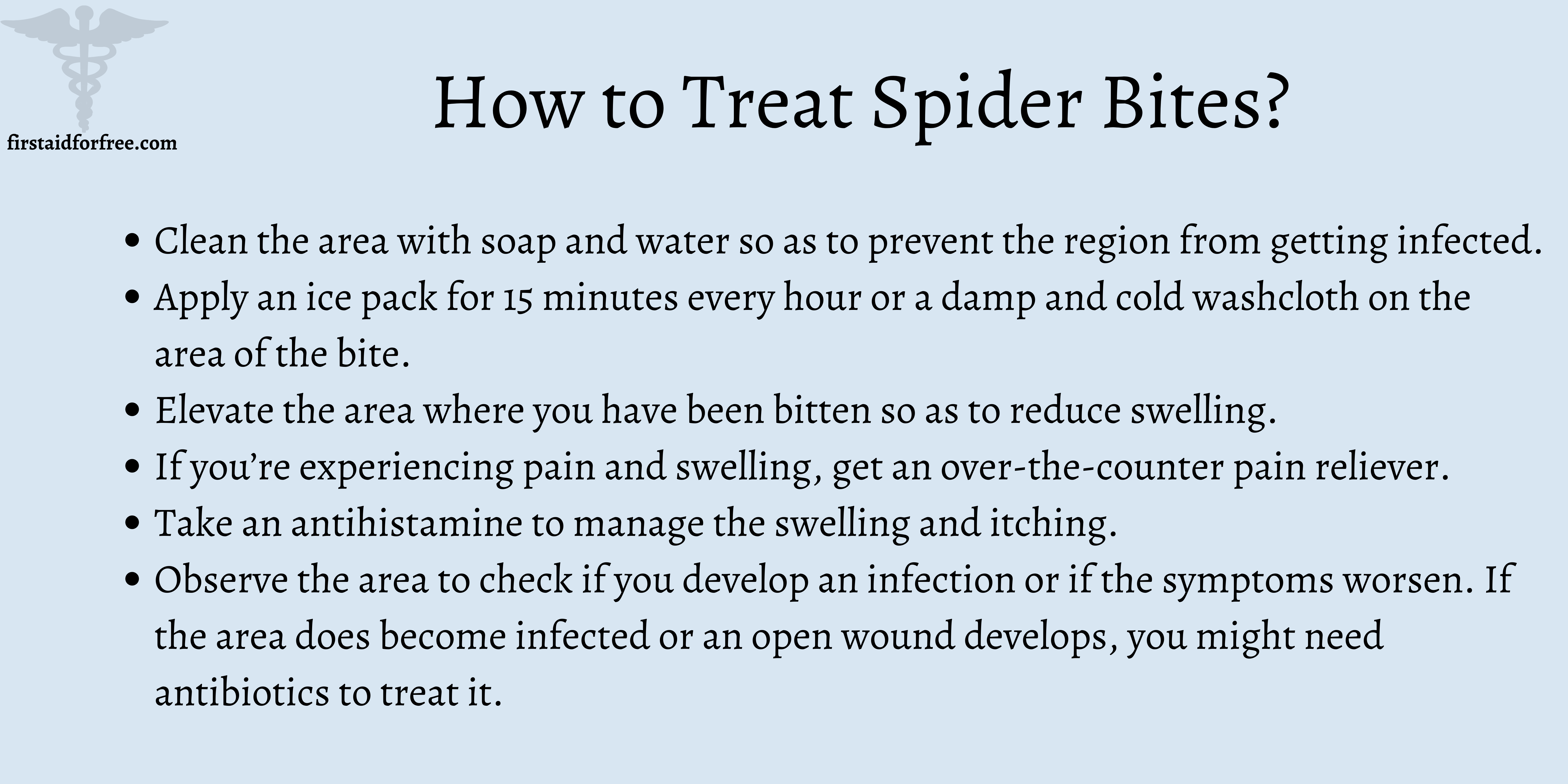
For bites that appear minor and do not exhibit systemic symptoms, standard first aid protocols remain effective for managing discomfort. Consistent hygiene prevents secondary infections, which are often more common than the effects of the spider venom itself.
Cleaning and Disinfection Protocols Wash the affected area thoroughly with mild soap and cool water to remove any surface bacteria. Apply a cold compress in 10-minute intervals to reduce swelling and manage pain. Elevate the bitten limb if possible to decrease localized inflammation. Avoid applying harsh chemicals or attempting to "suck out" the venom, as these traditional methods are medically discouraged and can cause further tissue trauma.
Understanding Medically Significant Spiders in 2026
While over 40,000 spider species exist, only a small fraction possess venom potent enough to cause significant medical issues in humans. In the United States, the primary concerns remain the Latrodectus (Widow) and Loxosceles (Recluse) genera.
- Widow Spiders: Identified by the hourglass marking, these spiders produce neurotoxic venom. Treatment in 2026 focuses on pain management and, in severe cases, the administration of specific antivenom if cardiovascular symptoms are present.
- Recluse Spiders: Known for the violin marking on their cephalothorax, these spiders possess necrotic venom. Because there is no specific antivenom for recluse bites, management involves supportive care, wound cleaning, and monitoring for secondary skin infections.
Frequently Asked Questions Regarding Spider Bites
How can I tell if a bite is from a spider or another insect? Most spider bites occur singly, whereas bed bug or flea bites often appear in clusters or lines. If you did not see the spider, clinical diagnosis is difficult; focus on the severity of your symptoms rather than attempting to self-diagnose the specific creature.
Should I try to catch the spider for identification? Yes, if you can do so safely without risking another bite. Bringing the specimen—dead or alive—to the doctor can assist in determining the appropriate course of treatment, especially if the spider is a medically significant species.
Are spider bites always painful? Not necessarily. Some bites may be painless initially, with symptoms developing several hours later. The absence of immediate pain does not guarantee that the bite is harmless, particularly with species like the Brown Recluse.
Can I use over-the-counter creams for spider bites? For minor bites, antihistamines can reduce itching, and topical hydrocortisone can help with inflammation. However, if the bite involves necrotic tissue or systemic symptoms, avoid covering the wound with thick ointments until a physician has evaluated it.
Is there a test to confirm a spider bite? There is no specific blood test to confirm a spider bite. Diagnosis is typically made through clinical observation of the wound and a review of the patient's history and symptoms.
Preventive Measures for 2026
Prevention remains the most effective strategy for managing spider-related risks. Implementing structural and environmental safeguards can significantly reduce encounters.
- Declutter living spaces: Spiders thrive in undisturbed areas like attics, basements, and behind large furniture.
- Seal entry points: Use caulk and weather stripping to secure doors, windows, and foundation gaps.
- Inspect stored items: Always shake out clothing, boots, and gardening gloves that have been stored for extended periods.
- Manage landscaping: Keep firewood and debris piles away from the exterior walls of your home to reduce spider nesting sites.
If you believe you have been bitten by a spider and are experiencing symptoms that progress over 24 hours, consult a healthcare professional. Reliable identification and early, evidence-based management are the best ways to ensure a rapid recovery and prevent long-term skin complications.
Image Gallery