Understanding Withum Wealth Management: Comprehensive Investment and Tax-Integrated Services
Withum Wealth Management is a Registered Investment Advisor (RIA) that provides personalized financial planning and investment strategies for high-net-worth individuals and families. As an affiliate of the prominent accounting firm Wit...
Withum Wealth Management is a Registered Investment Advisor (RIA) that provides personalized financial planning and investment strategies for high-net-worth individuals and families. As an affiliate of the prominent accounting firm WithumSmith+Brown, the firm specializes in tax-sensitive wealth management, integrating rigorous portfolio construction with sophisticated tax, estate, and retirement planning to maximize long-term net returns.
Contents
The Foundation of Withum Wealth Management
Withum Wealth Management operates as a boutique investment advisory firm with the backing of a national powerhouse. Formed through a partnership between WithumSmith+Brown, PC—one of the nation's top accounting and advisory firms—and a team of experienced investment professionals, the firm was designed to bridge the gap between tax planning and investment management.
In the financial services industry, these two disciplines are frequently siloed. An accountant manages the tax returns, while a financial advisor manages the portfolio, often with little communication between the two. Withum Wealth Management was established to break down these silos. By operating as a Registered Investment Advisor (RIA), the firm adheres to a fiduciary standard, meaning they are legally obligated to act in their clients' best interests at all times.
In 2026, the complexity of global markets and the ever-shifting landscape of tax legislation make this integrated approach more relevant than ever. Investors are no longer just looking for "beating the market"; they are looking for "net-of-tax" returns, which represent the actual wealth that remains in their pockets after the government takes its share.
The Integrated Tax-Alpha Philosophy
The core differentiator for Withum Wealth Management is the concept of Tax-Alpha. While "alpha" in the investment world typically refers to the excess return of an investment relative to a benchmark, Tax-Alpha refers to the additional value created through proactive tax management.
Tax-Loss Harvesting and Location
The firm utilizes sophisticated software to monitor portfolios for tax-loss harvesting opportunities throughout the year, rather than just in December. This involves selling securities at a loss to offset capital gains, thereby lowering the client's tax liability. Furthermore, they emphasize asset location—placing tax-inefficient assets (like high-yield bonds) in tax-deferred accounts (like IRAs) while keeping tax-efficient assets (like index funds or municipal bonds) in taxable accounts.
Coordination with Tax Professionals
Because of their close relationship with the Withum accounting teams, the wealth management advisors can coordinate directly with a client’s CPA. This ensures that investment decisions, such as the timing of a large stock sale or the distribution from a retirement account, are made with full knowledge of the client’s current tax bracket and potential future tax liabilities.
Core Investment Strategies and Portfolio Construction
Withum Wealth Management does not rely on "hot tips" or market timing. Instead, their investment philosophy is grounded in evidence-based research and modern portfolio theory.
Evidence-Based Investing
The firm generally favors a disciplined, long-term approach. They utilize low-cost, tax-efficient investment vehicles, such as Exchange-Traded Funds (ETFs) and institutional-class mutual funds. By focusing on factors that have historically driven returns—such as market cap, value, and profitability—they aim to build portfolios that can withstand market volatility.
Global Diversification
To manage risk, Withum Wealth Management constructs portfolios that are globally diversified across asset classes. This includes domestic and international equities, fixed income, and, where appropriate for accredited investors, alternative investments. The goal is to ensure that a client's wealth is not overly concentrated in a single sector or geographic region.
Risk Management and Rebalancing
Portfolios are not static. The firm employs a systematic rebalancing process. When one asset class performs exceptionally well, it may become "overweighted" in the portfolio, increasing the client's risk exposure. Withum advisors will sell a portion of the outperforming asset and reinvest in underperforming areas to maintain the original risk profile, effectively "selling high and buying low."
Comprehensive Wealth Management Services
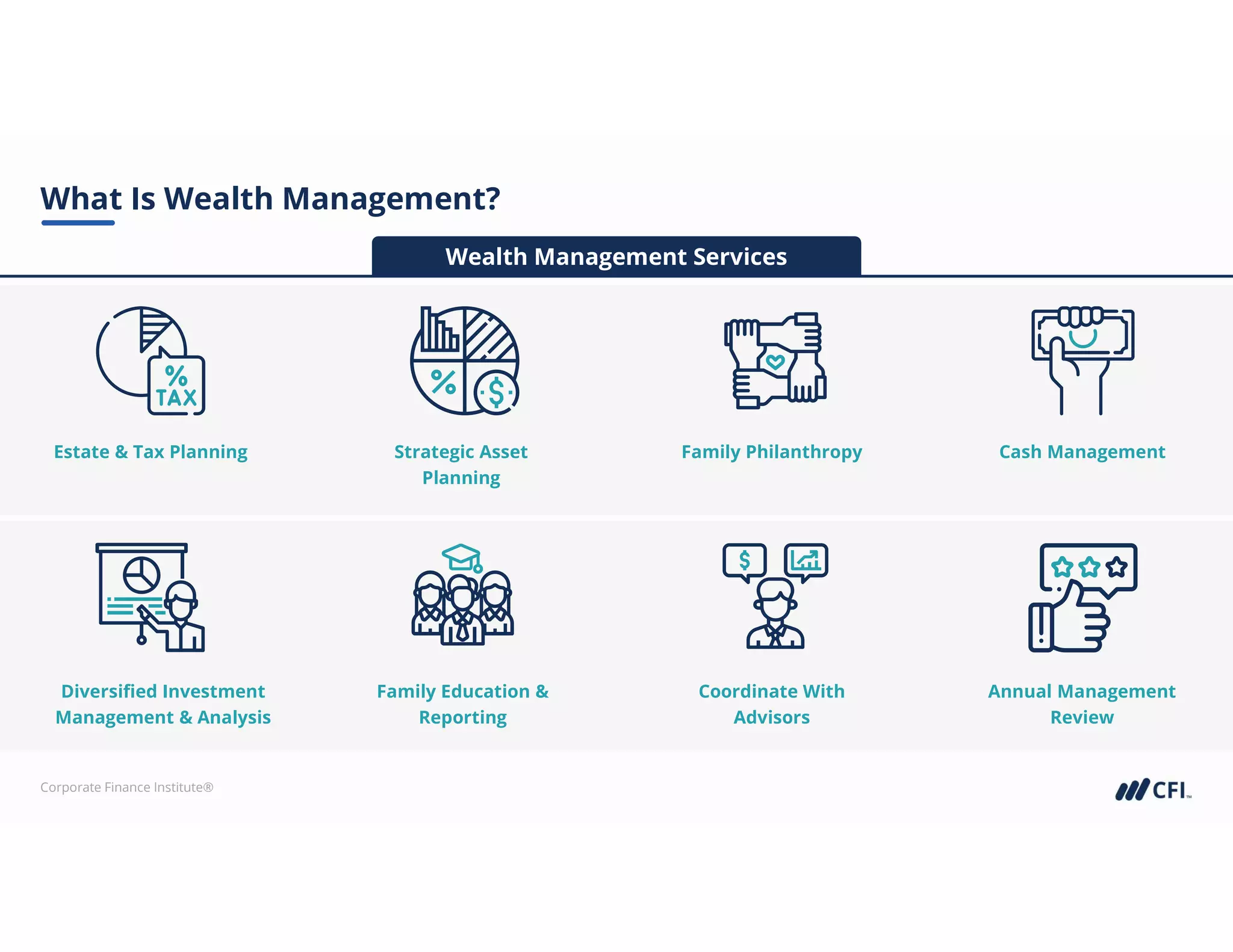
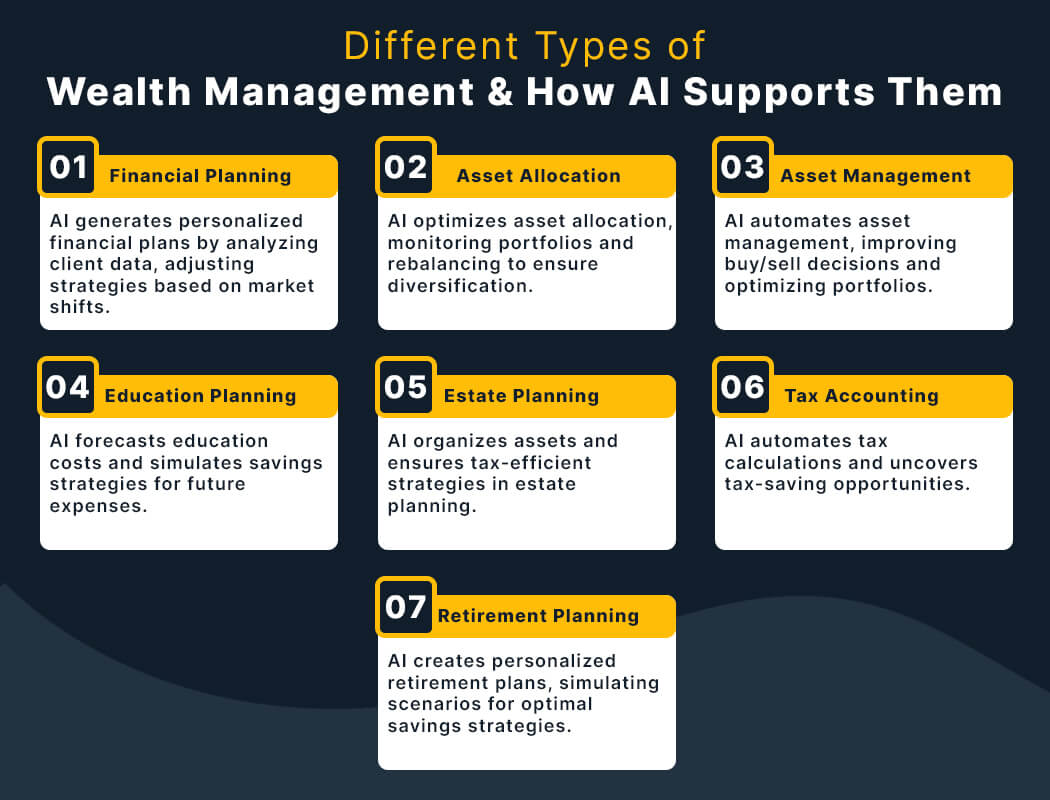
Wealth management at Withum extends far beyond simple stock selection. Their service model is designed to address the entire financial lifecycle of a high-net-worth family.
Retirement Planning
Advisors perform deep-dive projections to determine if a client’s current savings and investment trajectory will support their desired lifestyle in retirement. This includes analyzing Social Security optimization, pension choices, and required minimum distributions (RMDs).
Estate and Gift Planning
In 2026, estate tax exemptions and gifting rules continue to be a primary concern for wealthy families. Withum Wealth Management works alongside estate attorneys to ensure that a client’s legacy is preserved. This may involve setting up trusts (such as GRATs or SLATs), managing charitable lead/remainder trusts, and facilitating multi-generational wealth transfers.
Risk Management and Insurance Review
The firm evaluates a client’s exposure to life’s uncertainties. While they generally do not sell insurance products themselves (maintaining their objective advisory status), they review existing life, disability, and long-term care policies to ensure coverage is adequate and cost-effective.
Education Planning
For families looking to fund the education of children or grandchildren, the firm provides guidance on 529 plans, UGMAs, and other tax-advantaged savings vehicles, balancing these goals against the client's own retirement needs.
Comparing Advisory Models
When choosing a wealth manager, it is essential to understand the differences between an independent RIA like Withum Wealth Management and other financial institutions.
| Feature | Withum Wealth Management (RIA) | Traditional Broker-Dealer | Retail Bank Wealth Dept. |
|---|---|---|---|
| Legal Standard | Fiduciary (Best Interest) | Suitability (varies by role) | Varies (often Sales-focused) |
| Compensation | Fee-only or Fee-based | Commissions and Fees | Salary, Bonus, and Fees |
| Tax Integration | High (CPA Affiliation) | Low to Moderate | Low |
| Product Access | Open Architecture (Independent) | Often Proprietary Products | Mainly Proprietary Products |
| Conflict of Interest | Minimized (Transparent) | High (Commission-driven) | Moderate (Cross-selling) |
The Client Onboarding and Ongoing Process
Engagement with Withum Wealth Management typically follows a structured, multi-step process designed to ensure alignment between the advisor’s strategy and the client’s values.
- Discovery Phase: This initial stage involves a comprehensive review of the client's current financial situation, including assets, liabilities, tax returns, and estate documents. More importantly, it involves discussing the client’s goals, risk tolerance, and time horizon.
- Analysis and Planning: The advisory team analyzes the data to identify gaps in the current strategy. They look for tax inefficiencies, unnecessary risks, and high-cost investments.
- Strategy Presentation: The firm presents a customized Wealth Investment Policy Statement (WIPS). This document outlines the proposed asset allocation, tax strategies, and the specific steps needed to achieve the client's goals.
- Implementation: Once the plan is approved, the firm handles the transition of assets, the opening of new accounts at third-party custodians (such as Charles Schwab or Fidelity), and the execution of initial trades.
- Continuous Monitoring: The relationship does not end at implementation. Advisors provide quarterly performance reporting, annual planning reviews, and ongoing adjustments based on changes in the market or the client’s personal life.
Fee Structure and Minimums
Withum Wealth Management typically operates on a percentage of Assets Under Management (AUM) fee structure. This aligns the firm’s interests with the client’s; if the account grows, the firm’s compensation grows. Conversely, if the account value drops, the firm earns less.
While specific fee tiers can vary based on the complexity of the household, a standard fee for a $1 million to $5 million portfolio often ranges between 0.75% and 1.25% annually. Higher-balance portfolios typically benefit from "breakpoint" discounting, where the percentage fee decreases as the assets increase. Most high-level RIAs of this caliber have a preferred minimum investment, often starting at $500,000 to $1,000,000, though they may make exceptions for the "emerging wealth" of family members of existing clients.
Regulatory and Safety Verification
Safety of assets is a paramount concern for investors. It is important to note that Withum Wealth Management does not take physical custody of client funds. Instead, assets are held at large, independent third-party custodians.
Investors can and should verify the firm's standing through the SEC’s Investment Adviser Public Disclosure (IAPD) website. By searching for "Withum Wealth Management," investors can access the firm's Form ADV, which provides detailed information about their business practices, fee schedules, and any disciplinary history. As of 2026, maintaining a clean regulatory record and transparent disclosure is a hallmark of their professional operations.
Frequently Asked Questions
Is Withum Wealth Management the same as WithumSmith+Brown?
No, they are separate legal entities, but they are closely affiliated. Withum Wealth Management is an investment advisory firm, while WithumSmith+Brown is a public accounting and advisory firm. They work together to provide a seamless "tax-plus-wealth" experience for clients who require both services.
Does Withum Wealth Management only serve Withum accounting clients?
No. While many clients utilize both the accounting and wealth management services for maximum synergy, Withum Wealth Management accepts clients who use outside CPAs or have no current accounting firm. They are capable of collaborating with any of the client's existing professional advisors.
What is their stance on ESG or Sustainable Investing?
As of 2026, Withum Wealth Management offers Environmental, Social, and Governance (ESG) portfolios for clients who wish to align their investments with their personal values. These portfolios are constructed with the same focus on low costs and diversification but utilize filters to select companies with strong sustainability and ethical rankings.
How often will I meet with my advisor?
Clients typically have formal reviews at least once or twice a year. However, advisors are available year-round for "life event" consultations, such as purchasing a home, starting a business, or managing an inheritance. Communications are often a mix of in-person meetings, video calls, and secure digital portals.
Are they fiduciaries?
Yes. As a Registered Investment Advisor, Withum Wealth Management is bound by the fiduciary standard. This is a higher legal standard than the "suitability standard" used by many brokers, requiring the firm to put the client's interests ahead of their own and disclose any potential conflicts of interest.
Final Recommendation
For investors seeking a highly technical, tax-integrated approach to wealth management, Withum Wealth Management offers a compelling value proposition. Their structure is particularly well-suited for business owners, executives with complex compensation packages, and multi-generational families where tax efficiency is as important as market performance.
Before committing, prospective clients should request a preliminary "Second Opinion" review of their current portfolio and most recent tax return. This allows you to see firsthand how the firm identifies specific opportunities for tax savings and risk reduction before you sign a formal advisory agreement.
Image Gallery