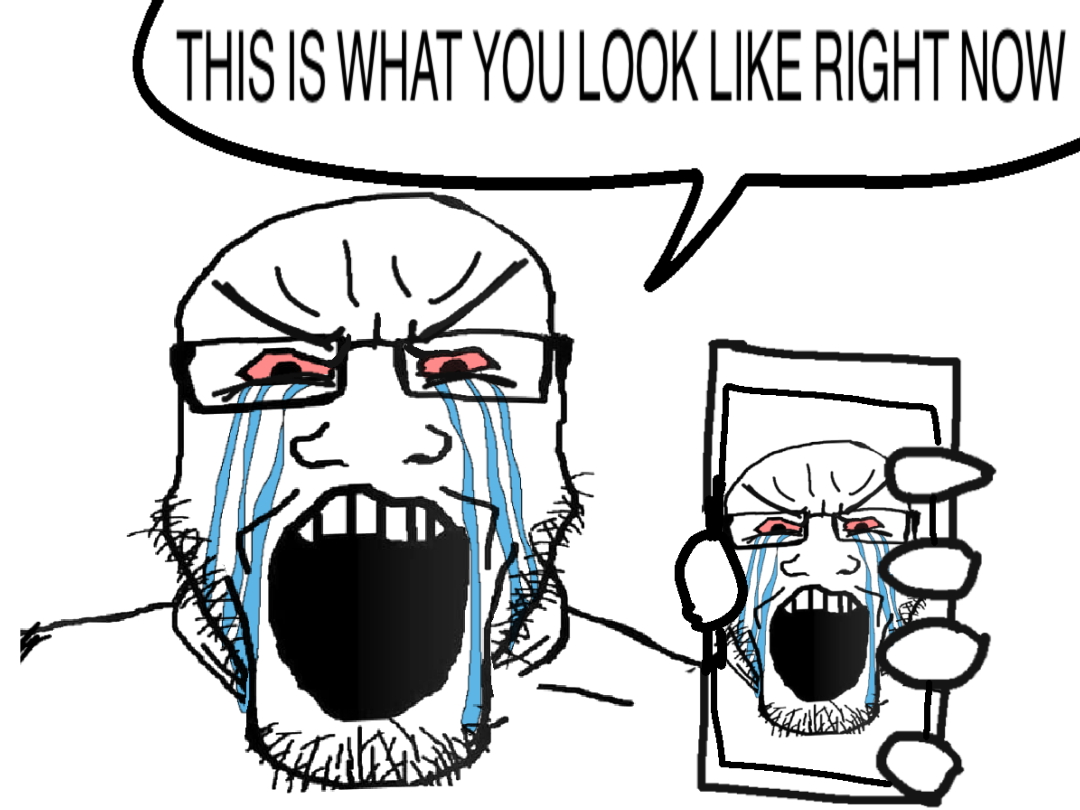
Understanding Soyjak Thinking: Cultural Mechanics and Digital Discourse in 2026
Soyjak thinking represents a hyper-specific cognitive framework and rhetorical style born from modern internet subcultures, characterized by performative emotional hyper-reactivity, trend consumption, and ironic self-awareness. To anal...
Soyjak thinking represents a hyper-specific cognitive framework and rhetorical style born from modern internet subcultures, characterized by performative emotional hyper-reactivity, trend consumption, and ironic self-awareness. To analyze this phenomenon is to examine how contemporary digital communities process information, weaponize caricature, and satirize the commodification of mainstream opinion.
Contents
The Origins and Evolution of the Soyjak Archetype
The conceptual foundation of soyjak thinking stems from years of meme evolution within imageboards and social media platforms. Originally branching from the older "wojak" meme format, the "soyjak" emerged as a composite caricature designed to mock a specific archetype: the over-enthusiastic, consumerist, and easily manipulated digital media consumer.
By 2026, this caricature has transcended its initial narrow origins to become a broader semiotic tool. Users deploy the framework not just to attack ideological opponents, but to critique the very nature of online discourse. The core mechanics of this mindset rely on manufactured excitement, immediate emotional validation through likes or shares, and a total surrender of nuance in favor of tribal consensus.
Core Traits of the Phenomenon
- Performative Awe: Expressing extreme, unearned enthusiasm for corporate products, political talking points, or cultural shifts.
- Consensus Addiction: The desperate need to align personal views with the prevailing algorithmic current of major tech platforms.
- Zero-Sum Tribalism: Viewing every cultural or political friction point as an existential battle between enlightened insiders and brainwashed outsiders.
- Irony Shielding: Retaining the ability to laugh at the behavior while simultaneously participating in it, creating an infinite regress of meta-irony.
Cognitive Mechanics: How the Mindset Operates
At a neurological and psychological level, soyjak thinking mirrors the mechanics of dopamine-driven feedback loops engineered by modern social media algorithms. When individuals fall into this behavioral pattern, their processing of complex data is short-circuited by emotional triggers.
Instead of evaluating a policy, art piece, or technological advancement through critical inquiry, the individual conditioned by this framework asks a singular question: How is my in-group supposed to react to this? This reliance on external validation stunts independent problem-solving and fosters an environment where nuance is actively punished.
The Loop of Hyper-Reactivity Digital environments in 2026 accelerate this cycle by rewarding speed over accuracy. Participants feel pressured to generate immediate hot takes, locking them into a permanent state of agitation where calm, methodical analysis is treated as a form of betrayal or weakness.
Comparative Analysis: Critical Thought vs. Performative Reaction
To fully understand the divergence between independent reasoning and soyjak thinking, examine the structural differences in how both frameworks process external stimuli.
| Analytical Dimension | Independent Critical Thinking | Soyjak Thinking Framework |
|---|---|---|
| Primary Motivation | Truth-seeking and structural understanding | Social validation and in-group signaling |
| Information Processing | Slow, deliberate evaluation of primary sources | Rapid consumption of curated headlines and summaries |
| Emotional State | Skeptical, detached, and open to revision | Hyper-reactive, anxious, and dogmatic |
| Response to Nuance | Welcomes complexity and gray areas | Rejects nuance as enemy propaganda |
| Coping Mechanism | Continuous learning and adaptation | Escalation of outrage and mockery |
The Cultural Impact on Modern Digital Discourse
The prevalence of this mindset has fundamentally warped online communication. Public squares on platforms like X, Reddit, and various niche forums are frequently gridlocked by caricatures rather than arguments. When participants view all opposing views through the lens of a grotesque meme, genuine debate becomes impossible.
Furthermore, marketers and political operatives have learned to weaponize this hyper-reactivity. By purposefully baiting communities with absurd propositions, entities can reliably generate free viral engagement as thousands of users rush to broadcast their simulated outrage or mock-excitement.
Practical Strategies to Avoid Falling into the Trap
Recognizing these behavioral patterns in oneself is the first step toward reclaiming cognitive autonomy in a hyper-connected environment. Breaking free requires conscious effort and a restructuring of how one consumes and reacts to digital media.
- Implement a Delay Rule: Force a twenty-four-hour pause before reacting publicly to breaking news or culturally charged events, allowing initial emotional waves to subside.
- Seek Out Primary Sources: Avoid relying on screenshots, heavily edited video clips, or partisan summaries that are specifically designed to provoke an emotional reflex.
- Embrace Ambiguity: Accept that complex global issues rarely have simple heroes and villains, and that holding an "I do not know yet" stance is intellectually superior to forced certainty.
- Audit Your Digital Diet: Unfollow accounts, channels, or feeds that rely exclusively on outrage-bait and performative mockery to drive engagement.
Frequently Asked Questions
What is the precise definition of soyjak thinking?
Soyjak thinking is a behavioral and cognitive pattern characterized by uncritical acceptance of mainstream narratives, performative emotional hyper-reactivity, and total reliance on in-group validation during digital discussions. It serves as a shorthand critique of modern, algorithmic groupthink.
How does this mindset affect political discourse?
It degrades political discourse by replacing policy analysis and compromise with tribal signaling, meme-based attacks, and immediate moral outrage, making constructive debate nearly impossible.
Is soyjak thinking limited to a specific political ideology?
No, while its slang origins stem from specific subcultures, the underlying psychological traits—dogmatism, tribalism, and performative alignment—appear across the entire political and cultural spectrum.
Why has this phenomenon accelerated in recent years?
The acceleration is driven by platform algorithms that prioritize high-arousal emotions like anger, excitement, and smugness, directly rewarding users who engage in reactionary behavior.
Can individuals unlearn these cognitive habits?
Yes, by practicing digital minimalism, actively seeking out dissenting viewpoints without hostility, and prioritizing long-form reading over micro-blogging feeds.
Conclusion
Navigating the modern digital landscape requires robust mental defenses against algorithmic manipulation and cultural conditioning. By identifying the mechanics of soyjak thinking, recognizing its symptoms in online spaces, and committing to deliberate, measured critical analysis, individuals can preserve their intellectual independence and foster genuinely productive discourse.
Image Gallery