The Ultimate Guide to Escapesf Room Escape Experiences in 2026
Escapesf room escape experiences combine immersive storytelling, intricate puzzle design, and collaborative teamwork to create premier live-action entertainment in the San Francisco Bay Area. Participants are locked in a themed room wi...
Escapesf room escape experiences combine immersive storytelling, intricate puzzle design, and collaborative teamwork to create premier live-action entertainment in the San Francisco Bay Area. Participants are locked in a themed room with a ticking clock, challenged to decode messages, manipulate physical props, and unlock secrets to escape before time runs out.
Contents
Understanding the Appeal of Live-Action Escape Rooms
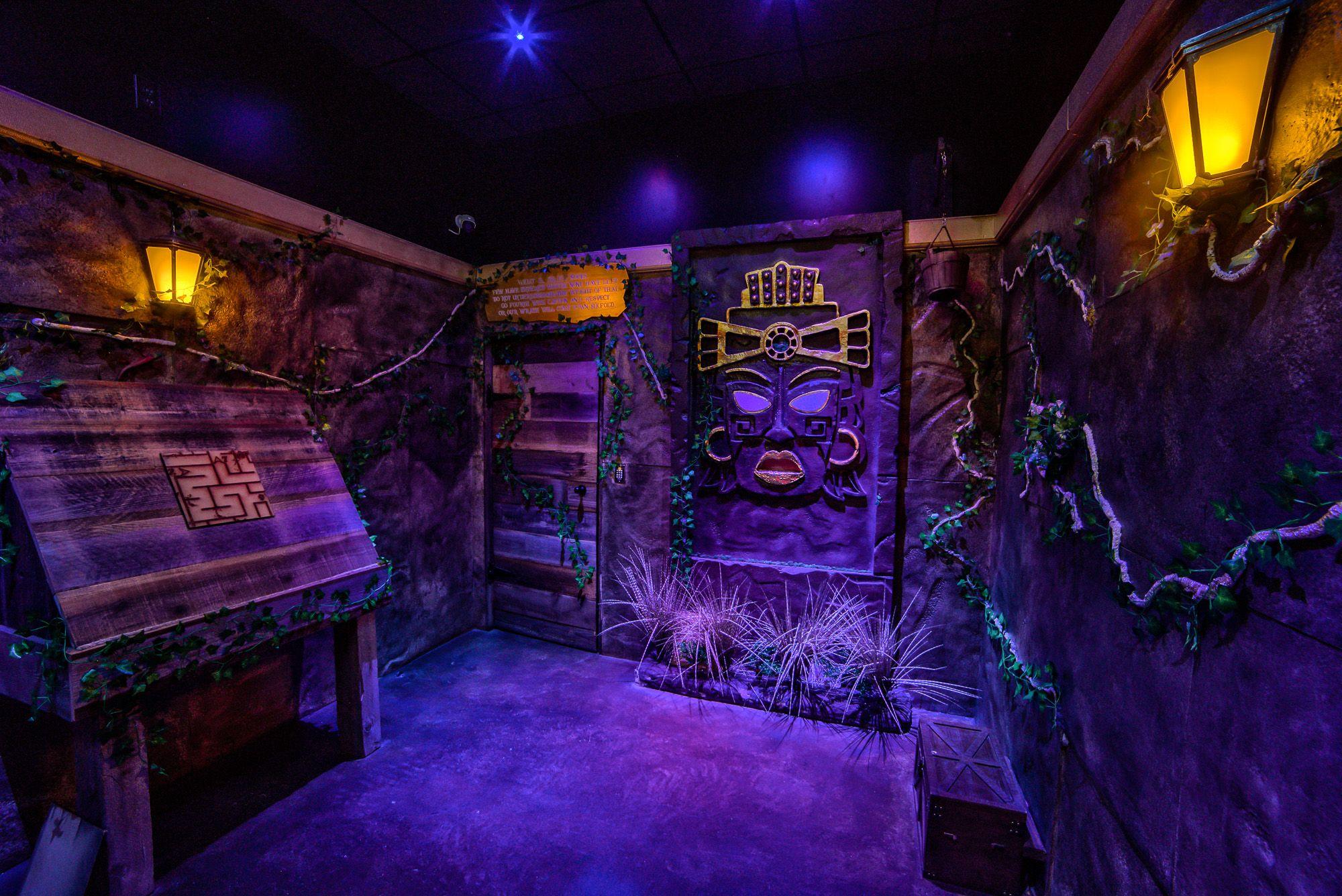
Live-action escape rooms have evolved significantly from simple lock-and-key setups into theatrical, Hollywood-grade productions. Modern facilities in the Bay Area leverage advanced automation, microcontrollers, RFID technology, and professional set design to elevate player immersion.
Why Immersive Puzzle Design Matters
Traditional puzzle design relied heavily on padlocks and hidden numerical codes. Today’s top-tier escape rooms focus on environmental integration. When a puzzle matches the narrative—such as realigning historical star charts to open a secret observatory vault—the psychological engagement deepens.
- Tactical Engagement: Players manipulate physical objects, weights, gears, and optical sensors.
- Non-Linear Progression: Modern rooms allow multiple teams to work on separate challenges simultaneously, eliminating bottlenecks where players wait idly for a teammate to finish a task.
- Acoustic and Visual Cues: Integrated soundscapes and dynamic lighting react directly to puzzle completions, signaling progress without breaking character via digital countdown clocks.
Evaluating Top Room Escape Themes and Mechanics
Choosing the right room depends on group size, experience level, and preferred genres. San Francisco venues feature diverse storylines ranging from historical heists to supernatural horrors and science fiction mysteries.
| Room Theme Category | Typical Difficulty Level | Recommended Group Size | Core Mechanic Focus |
|---|---|---|---|
| Historical Heist | Moderate (6/10) | 4 to 8 Players | Pattern recognition, safe cracking, laser evasion |
| Sci-Fi / Laboratory | Advanced (8/10) | 3 to 6 Players | Logic circuits, chemical balancing, tactile machinery |
| Horror / Paranormal | Expert (9/10) | 4 to 6 Players | High-stress deduction, spatial awareness, sensory puzzles |
| Adventure / Exploration | Beginner-Friendly (4/10) | 2 to 6 Players | Story progression, spatial fitting, collaborative assembly |
Step-by-Step Guide to Mastering Your First Escapesf Room Escape
Entering an escape room without a strategy often leads to chaos, missed clues, and frustration. Applying structured operational principles dramatically increases your team's success rate.
1. Conduct a Comprehensive Room Sweep
Upon entering, resist the urge to immediately touch complex contraptions. Designate the first two minutes for a thorough visual and tactile sweep of the perimeter. Look under furniture, check the undersides of tables, inspect picture frames, and test loose wall panels.
2. Implement Centralized Item Management
Clues, keys, and puzzle components get lost easily in dim lighting and cluttered sets. Establish a designated drop zone—such as a specific table or shelf—where every recovered item is placed immediately. This prevents players from hoarding items in their pockets and ensures the whole team knows what resources are available.
3. Communicate Loudly and Clearly
Information isolation is the primary reason teams fail. If you find a key, announce it to the group along with its description. If you solve part of a multi-step riddle, state your findings clearly so another player can build on your progress rather than starting over.
4. Manage Time Proactively
Time vanishes quickly in high-stakes environments. If your team spends more than seven minutes on a single puzzle without making noticeable progress, invoke a hint from the game master. Stubbornly refusing hints on a difficult logic loop often costs teams the entire game.
Pros and Cons of Live Escape Room Experiences
Before booking your next corporate team-building event or weekend outing, review the operational advantages and potential drawbacks of live-action escape rooms.
- Pros:
- Team Synergy: Fosters rapid communication, leadership delegation, and collaborative problem-solving among colleagues, friends, or family members.
- Digital Detox: Replaces screen-based entertainment with tangible, tactile, and physical engagement.
- High Replay Value: Continuous venue updates and seasonal room redesigns ensure fresh content for returning enthusiasts.
- Cons:
- Financial Investment: Premium private bookings can be costly per participant compared to traditional movie or gaming outings.
- Claustrophobia Triggers: Confined spaces and locked doors can induce anxiety for sensitive players, though facility exits remain legally unlocked and accessible at all times for safety.
- Scheduling Rigidity: Late arrivals frequently forfeit their game time or experience shortened run times due to strict back-to-back booking schedules.
Frequently Asked Questions About Escapesf Room Escape
What happens if my team does not escape within the 60-minute time limit?
If time expires before your team solves the final puzzle, the game master enters the room, stops the timer, and walks you through the remaining solutions so you can see how the story concludes. You are never actually trapped inside; the exit doors remain unlocked throughout the entire experience for safety.
Are escape rooms appropriate for children and corporate teams?
Yes, most escape rooms accommodate players aged 10 and older, making them fantastic family activities when paired with adult supervision. For corporate groups, they serve as exceptional icebreakers that highlight individual communication styles, stress management, and collaborative dynamics.
How early should my group arrive before our scheduled game time?
Venues strictly enforce arrival policies, typically requiring teams to arrive 15 minutes before the official start time. This buffer allows staff to complete digital waivers, explain facility rules, assign lockers for personal belongings, and deliver the immersive narrative briefing without eating into your game clock.
Can pregnant individuals or participants with mobility issues play?
The vast majority of modern escape rooms are fully accessible to individuals with mobility aids and safe for pregnant participants. However, certain rooms involve crawling tunnels, climbing elements, or sudden jump scares. Always review specific room advisories or contact venue management in advance to ensure comfortable accommodations.
Should we book a private room or public game slot?
Booking a private room guarantees that only your friends, family members, or coworkers will be in the game with you, creating a more relaxed and familiar environment. Public bookings pair your party with strangers, which can be a fun way to meet new puzzle enthusiasts if you do not mind collaborating with new people.
Maximizing Your Success with Expert Strategies
Achieving a successful escape requires balancing analytical reasoning with creative lateral thinking. When confronted with complex ciphers, do not assume every symbol has a direct alphabetical translation; look for repeating patterns, spatial alignments, or numerical frequencies. If a combination lock requires four digits, search the immediate environment for four distinct data points, such as historical dates on a plaque, book spine heights, or colors on a painting. Trust your game master to provide balanced guidance when requested, and remember that communication remains your most valuable tool against the clock.
Image Gallery