Why the Careasy Platform Isn't the Right Fit for Most Firms
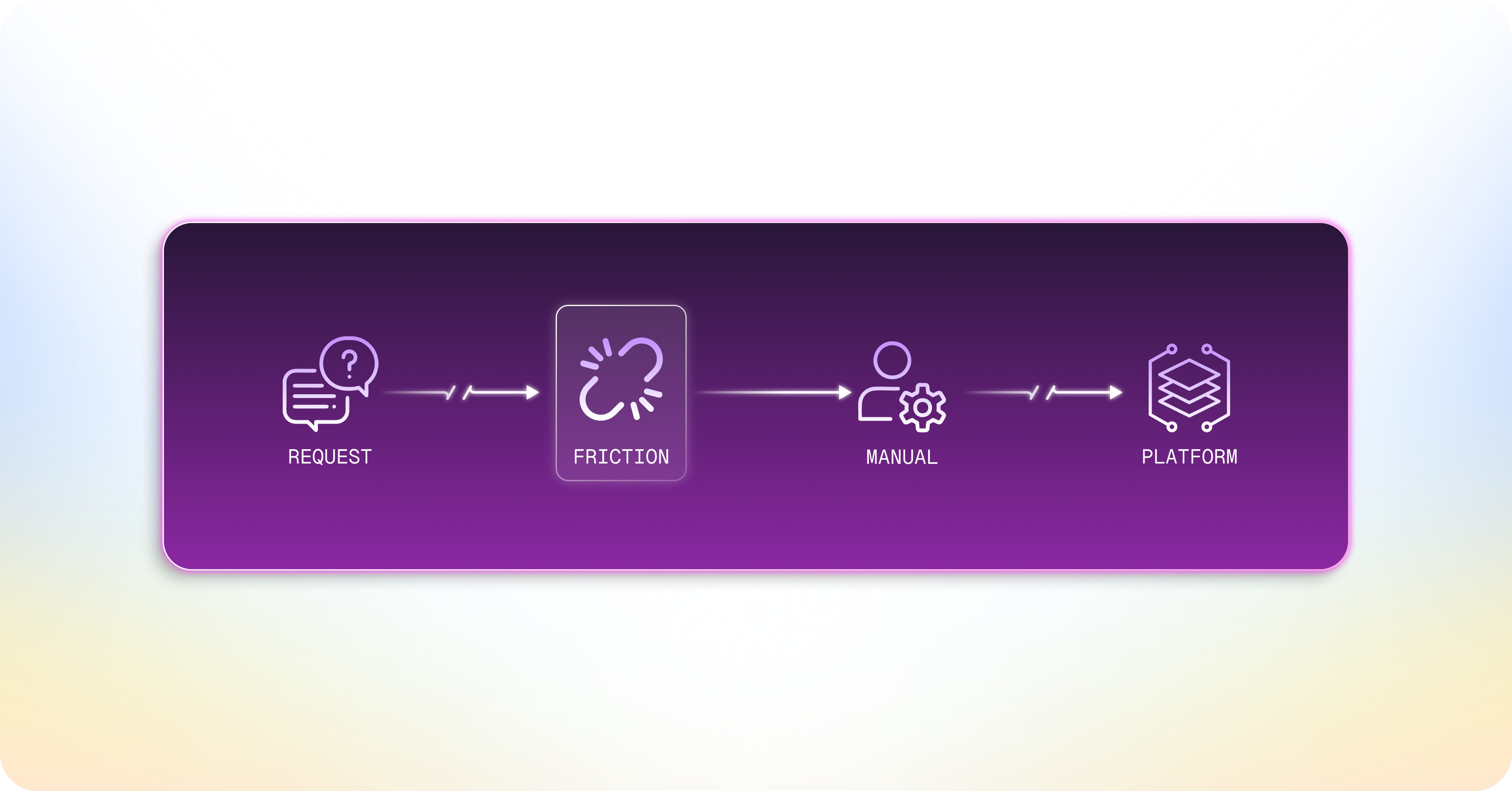
While the Careasy platform offers a streamlined, user-friendly approach to vehicle service contracts and automotive protection products, it is often a poor fit for established firms due to its rigid standardization, limited integration...
While the Careasy platform offers a streamlined, user-friendly approach to vehicle service contracts and automotive protection products, it is often a poor fit for established firms due to its rigid standardization, limited integration with legacy Dealer Management Systems (DMS), and commission structures that may not align with high-volume enterprise goals. In the complex regulatory and operational landscape of 2026, many firms require deeper customization and data sovereignty than Careasy’s plug-and-play model currently provides.
Contents
The Evolution of F&I Platforms in 2026
The automotive Finance and Insurance (F&I) sector has undergone a significant digital transformation over the last decade. By 2026, the market has moved away from the traditional, high-friction "back office" sales model toward integrated, omnichannel experiences. Platforms like Careasy emerged to simplify the consumer's journey, focusing on a direct-to-consumer (D2C) feel that prioritizes ease of use and transparent pricing.
However, "simplicity" often comes at the cost of "flexibility." For many firms—ranging from multi-state dealership groups to specialized insurance agencies—the primary challenge is not just selling a product, but managing a complex ecosystem of risk, compliance, and long-term customer retention. While Careasy solves the problem of "how do we sell this quickly," it often fails to answer "how does this integrate into our existing 20-year business strategy."
The Legacy Integration Gap
The most significant hurdle for "most firms" is the technical friction between Careasy’s modern SaaS architecture and the entrenched legacy systems that run the automotive world. As of 2026, major players still rely on heavy-duty Dealer Management Systems (DMS) like CDK Global or Reynolds & Reynolds.
API Limitations and Data Silos
Careasy is designed as a standalone or lightly integrated solution. For a large firm, data must flow seamlessly from the point of sale to the accounting ledger, the service department, and the CRM. When a platform operates as a "silo," it requires manual data entry or "swivel-chair" processes where employees must jump between tabs.
Large firms in 2026 prioritize automated reconciliation. If Careasy does not offer deep-tier API access that allows for real-time inventory matching and automated contract booking within the firm's primary database, the administrative overhead of using the platform can quickly outweigh the benefits of its sleek user interface.
The Service Drive Conflict
Most firms generate significant revenue from their service departments. A protection platform must not only sell the contract but also facilitate the claims process within the existing service workflow. If a firm’s service writers find that Careasy contracts require a different portal or offer reimbursement rates that are lower than their standard retail labor rates, internal friction develops. This misalignment often leads to service advisors steering customers away from the products the firm is trying to promote.
Economic Misalignment and Margin Compression
For small independent shops, Careasy’s "turnkey" model is attractive because it requires zero upfront capital and provides a ready-made product suite. However, for "most firms"—meaning established enterprises with high volume—the economics of a turnkey platform can be disadvantageous.
Underwriting and Reserve Control
Large automotive groups often prefer to participate in the underwriting profits of the protection products they sell. This is typically done through reinsurance structures or specialized retro-accounts. Careasy, by design, often acts as the primary administrator with a fixed commission model.
In the 2026 fiscal environment, where interest rates and capital costs remain volatile, firms want to hold their own reserves to earn investment income. If a platform does not allow for "participation" or "reinsurance" workflows, a firm is essentially leaving millions of dollars in potential back-end profit on the table in exchange for a slightly better frontend UI.
Price Inflexibility
Most firms operate in specific geographic or demographic niches that require tailored pricing. Careasy’s model often relies on standardized national pricing to maintain its "easy" brand promise. If a firm in a high-cost urban market needs to adjust premiums to cover higher local labor rates, or if a firm in a competitive rural market wants to thin its margins to gain market share, they may find Careasy’s "black box" pricing engine too restrictive.
Standardization vs. Brand Identity
In 2026, a firm's brand is its most valuable asset. Established firms invest heavily in "white-label" experiences where the customer feels they are doing business with the local name they trust, not a third-party tech provider.
The White-Label Hurdle
Careasy is a consumer-facing brand. When a firm uses the platform, the customer is often interacting with Careasy-branded emails, portals, and documents. For a firm that has spent decades building local brand equity, introducing a third-party brand into the most sensitive part of the transaction (the financial contract) can cause "brand dilution" or consumer confusion.
Customization of Protection Suites
Every firm has a different risk appetite and a different "ideal" customer profile. Some firms may want to bundle specific maintenance packages with their service contracts, while others might want to focus on EV-specific battery protection—a major growth area in 2026. If the Careasy platform does not allow for the "modular" construction of products, firms are forced to sell a generic product that may not meet the specific needs of their local market.
Comparison of Platform Requirements for Modern Firms
The following table illustrates the divergence between what the Careasy platform provides and what most medium-to-large firms require in 2026.
| Feature Category | Careasy Standard Model | Typical Firm Requirement (2026) |
|---|---|---|
| Integration | Standalone SaaS / Limited API | Deep DMS/CRM Bi-directional Sync |
| Profit Model | Fixed Commission per Unit | Reinsurance / Reserve Participation |
| Branding | Careasy-centric / Co-branded | Full White-Label / Firm-Branded |
| Claims Handling | Third-party Administrator (TPA) | Internal Service Drive Integration |
| Regulatory | Standardized Multi-state | State-specific Filing Customization |
| Data Access | Dashboard Reporting | Raw Data Export & BI Tool Integration |
Data Sovereignty and Customer Retention
In the "Data Economy" of 2026, the most successful firms are those that own their customer data. One of the primary reasons Careasy may not fit most firms is the question of customer ownership.
When a customer signs up through a streamlined platform, who owns that relationship for the next five years? If the platform retains the right to market renewals, upgrades, or cross-sell other products (like insurance or financing) directly to the customer, the firm has effectively "sold" its customer relationship for a one-time commission.
Most established firms are moving toward a Customer Lifetime Value (CLV) model. They want to ensure that every touchpoint—from the first service contract to the eventual vehicle trade-in—is controlled by their internal CRM. If Careasy’s Terms of Service create a data silo where the firm cannot easily extract or utilize customer insights for their own marketing efforts, it becomes a strategic liability rather than an asset.
Regulatory and Compliance Complexity
The regulatory environment for vehicle service contracts has become increasingly fragmented. By 2026, various states have implemented different disclosure requirements, "cooling-off" periods, and refund calculations.
Firms operating across state lines need a platform that can handle these nuances automatically. While Careasy aims for broad compliance, its "one-size-fits-most" approach can lead to gaps when a firm has a specific legal nexus that requires custom contract language. For legal departments at large firms, the risk of using a non-customizable contract engine is often deemed too high compared to using a dedicated enterprise administrator that allows for legal "veto" over contract terms.
Frequently Asked Questions
Does Careasy allow for any custom integrations?
Careasy does offer some API connectivity, but it is generally optimized for modern, web-based applications rather than the specialized, closed-loop systems found in traditional automotive retail. Firms requiring deep integration into legacy accounting software will likely find the current API documentation insufficient for full automation.
Can a firm use its own insurance carriers on Careasy?
Generally, Careasy operates with its own set of preferred administrators and insurance backstops to ensure the "easy" experience they promise. For firms that have existing relationships with major carriers like Assurant or Allstate, switching to Careasy often means severing those long-term partnerships, which is a significant deterrent.
Is the platform suitable for smaller independent dealers?
Yes. The reasons that make Careasy a "poor fit" for large firms are exactly what make it a "good fit" for small independents. Smaller shops often lack the volume for reinsurance and the budget for custom white-labeling, making a standardized, easy-to-use platform an ideal solution for them.
How does Careasy handle 2026 EV requirements?
Careasy has updated its product suites to include electric vehicle components, but firms specializing in high-end or niche EVs may find the coverage limits or "excluded parts" lists too restrictive compared to specialized EV protection plans offered by boutique administrators.
What is the primary reason firms switch away from Careasy?
The most common reason for switching is "outgrowing" the platform. As a firm moves from 50 units a month to 500 units a month, the need for data control, custom margins, and branded customer experiences eventually makes the Careasy model too limiting for their expanded operations.
Recommendation for Decision Makers
Before adopting the Careasy platform in 2026, firms should conduct a "Platform Fit Audit." If your firm relies heavily on a legacy DMS, values brand autonomy over ease of setup, or intends to participate in the underwriting profits of your products, you will likely find Careasy too restrictive for your long-term needs.
Instead, look for Enterprise Protection Platforms (EPP) that offer "headless" architecture—allowing you to use your own frontend brand while leveraging their backend administration—or partner with administrators who provide full transparency and participation in the reserve accounts. Careasy remains a powerful tool for the right user, but for the majority of established automotive firms, the "easy" path is rarely the most profitable or sustainable one.
Image Gallery