Navigating JFK Airport Current Delays: Live Status, Causes, and Mitigation Strategies for 2026
John F. Kennedy International Airport (JFK) experiences frequent flight disruptions driven by high traffic density, ongoing terminal modernization mega-projects, and coastal weather patterns. Real-time monitoring of FAA ground stops, t...
John F. Kennedy International Airport (JFK) experiences frequent flight disruptions driven by high traffic density, ongoing terminal modernization mega-projects, and coastal weather patterns. Real-time monitoring of FAA ground stops, taxiway congestion, and security checkpoint wait times is critical for maintaining schedule integrity. Travelers can mitigate potential missed connections by understanding current operational bottlenecks, monitoring official airline feeds, and utilizing proactive transit planning.
Contents
Understanding Current Operational Status at John F. Kennedy International Airport
Monitoring current delays at JFK requires looking beyond basic flight board statuses. Flight delays stem from a combination of air traffic control (ATC) constraints, local weather events, and terminal-specific ground operations. Because JFK handles an immense volume of international and domestic widebody aircraft, even minor disruptions in the airspace of the Northeast Corridor can trigger cascading schedule ripples.
The Federal Aviation Administration (FAA) manages arrival and departure rates based on runway configurations and visibility. When low ceilings or heavy precipitation hit the New York metropolitan area, capacity drops significantly, leading to ground delay programs (GDPs) or ground stops. Travelers must recognize the distinction between airline-fault delays—such as mechanical issues or crew scheduling—and system-fault delays dictated by the FAA command center.
Key Factors Influencing Daily Flight Schedules
- Airspace Congestion: The New York TRACON (Terminal Radar Approach Control) manages some of the busiest airspace globally, frequently resulting in holding patterns over coastal waypoints.
- Runway Infrastructure Work: Ongoing pavement maintenance and taxiway rehabilitation projects alter ground routing, occasionally increasing taxi-out times for departing aircraft.
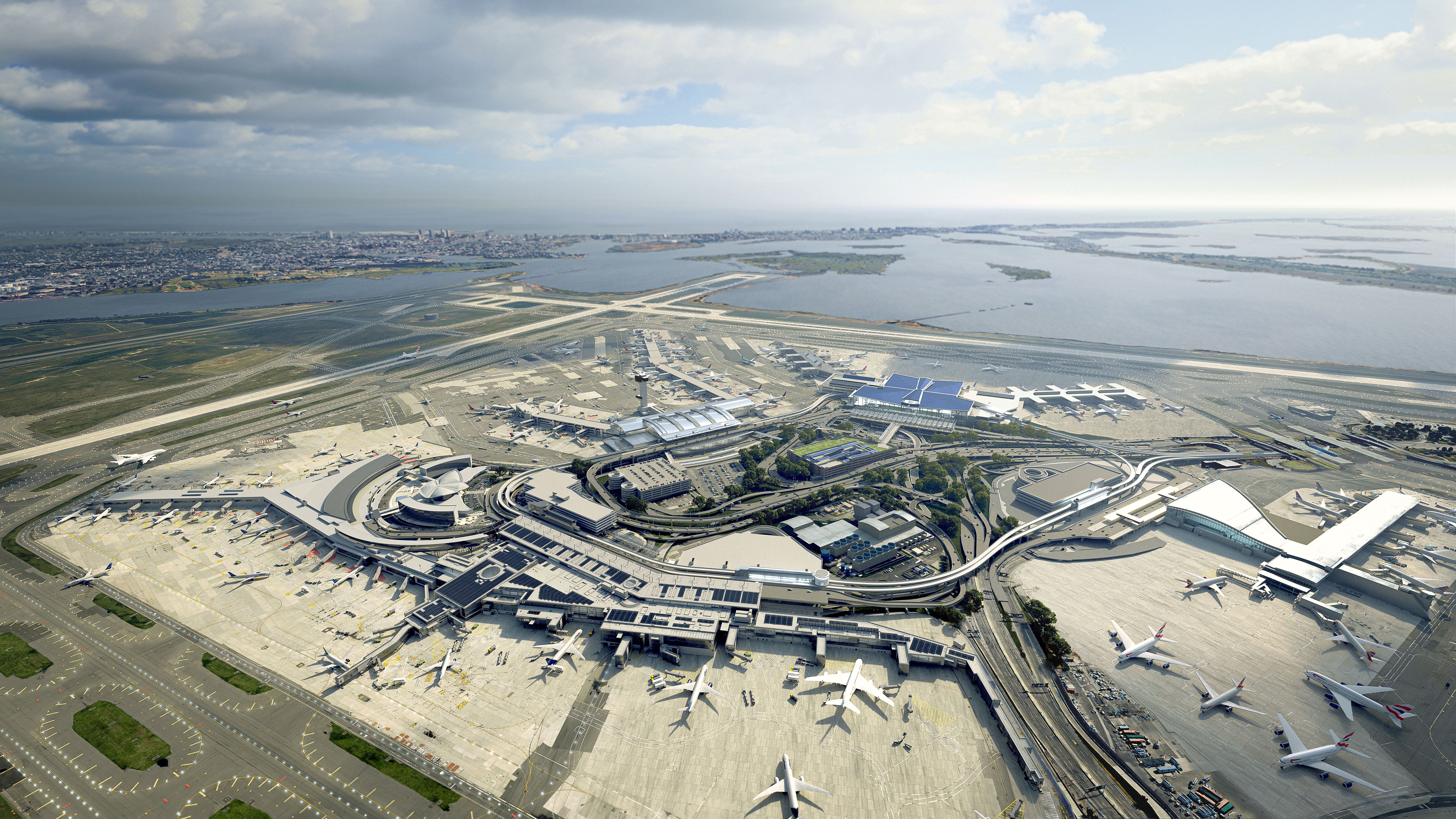
- Terminal Redevelopment: Multi-billion-dollar construction initiatives, including the development of the new Terminals 1 and 6, change passenger flow, curb access lanes, and gateside staging.
- Metropolitan Area Ripple Effects: Delays at neighboring hubs like LaGuardia (LGA) or Newark Liberty (EWR) often constrain shared regional air traffic routes.
Real-Time Tracking Tools and Official Data Sources
Relying on a single source for delay information often results in missed updates. To build an accurate picture of current conditions at JFK, travelers should cross-reference live data feeds provided by airport authorities and air traffic management systems.
Official channels offer minute-by-minute adjustments that third-party booking applications may fail to reflect immediately. Integrating these platforms into your pre-travel routine ensures you receive cancellation notices and gate reassignments before arriving at the curb.
| Information Source | Primary Data Type | Best Used For |
|---|---|---|
| FAA Air Traffic Control System Command Center (ATCSCC) | National airspace status, ground stops, and de-icing programs | Determining if system-wide FAA mandates are affecting JFK departures |
| Port Authority of NY & NJ Official Portal | Real-time parking availability, roadway traffic, and terminal alerts | Assessing landside congestion and driving times to specific terminals |
| FlightAware / Flightradar24 | Inbound aircraft tracking, live telemetry, and historical routing | Checking if your inbound aircraft is already delayed at its origin |
| Airlines Mobile Applications | Push notifications, seat re-accommodation, and direct gate changes | Executing immediate rebooking actions and tracking digital boarding passes |
Terminal-Specific Bottlenecks and Infrastructure Impacts
JFK comprises multiple distinct terminals, each managed by different airline consortia or independent operators. Infrastructure constraints vary drastically across the airport footprint, meaning a delay experience in Terminal 4 differs vastly from Terminal 8.
Terminal 4 (The Delta Air Lines and International Hub)
As the largest terminal at JFK, Terminal 4 handles high volumes of widebody international arrivals. Security queues can peak during late-afternoon banking hours when European departures cluster. Concourse expansion projects have improved gate capacity, but remote hardstands are occasionally utilized during peak bank hours, requiring bus transfers.
Terminal 8 (American Airlines and Oneworld Alliance)
Terminal 8 underwent major integration upgrades to accommodate British Airways alongside American Airlines. While streamlined baggage systems and modern lounge facilities enhance throughput, immigration and customs processing bottlenecks at the Port Authority Federal Inspection Services (FIS) area frequently extend arrival transit times for international passengers.
Terminals 1, 5, and the Redevelopment Zones
Terminal 1 serves a dense portfolio of long-haul international carriers, relying on older boarding bridge configurations that can slow turnaround times. JetBlue operates primarily out of Terminal 5, where security check-in queues move rapidly via automated screening lanes, though surrounding roadway construction frequently creates landside bottlenecks.
Step-by-Step Guide: Managing Your Travel Day During Major Disruptions
When active delays threaten your itinerary, a structured response plan minimizes stress and maximizes your chances of reaching your destination on time.
- Verify Inbound Aircraft Status 4 Hours Prior: Check if the physical aircraft scheduled to operate your flight has already departed its origin station using flight tracking software.
- Monitor Landside and AirTrain Transit Times: Review real-time highway conditions on the Van Wyck Expressway (I-678) and the Grand Central Parkway, or verify AirTrain Jamaica/Howard Beach operational status before departing your residence.
- Initiate Contact via Digital Channels Early: If a cancellation or significant delay is posted, open your airline's mobile app immediately to access automated rebooking tools or join the virtual customer service queue rather than waiting in physical airport lines.
- Utilize Expedited Security Programs: Ensure your Known Traveler Number (KTN) is attached to your reservation to leverage TSA PreCheck, or reserve a spot via JFK's free terminal security reservation systems where available.
- Secure Priority Access if Interline Connected: If flying on a partner carrier itinerary, confirm that baggage and seat assignments transfer seamlessly across carriers to prevent misrouting during schedule irregularities.
Ground Transportation and Parking Realities During Airport Disruptions
Getting to or leaving JFK during periods of heavy operational disruption requires careful navigation of the local highway network and transit systems. The Van Wyck Expressway and the Nassau Expressway are notoriously sensitive to peak-hour gridlock and weather-related slowdowns.
Transit Recommendation: Opting for the Long Island Rail Road (LIRR) to Jamaica Station or the NYC Subway to Howard Beach, connecting directly to the JFK AirTrain, completely bypasses roadway congestion and guarantees predictable transit arrival windows regardless of surface traffic accidents or construction delays.
For travelers utilizing on-site airport parking, capacity at official terminal garages (such as Green, Yellow, and Terminal 4/5 structures) often reaches 100% capacity during holiday periods and severe weather disruptions. Pre-booking parking slots online through the Port Authority portal guarantees a space and locks in discounted daily rates. Off-site parking operators located along Rockaway Boulevard offer shuttle alternatives, though passengers must factor an additional 30 to 45 minutes for van transfer times to specific terminals.
Frequently Asked Questions
How can I check if my flight out of JFK is currently delayed?
You can verify live flight statuses by checking the official FAA fly.faa.gov portal for ground stops, reviewing the Port Authority of NY & NJ website, or inspecting your airline's mobile application for push notifications and gate updates. Cross-referencing inbound aircraft tracking via flight-monitoring apps provides the earliest warning of potential schedule shifts.
What should I do if a JFK delay causes me to miss my connecting flight?
Open your airline's mobile app immediately upon notification of the missed connection to review automated rebooking options, or speak directly with a gate agent or lounge customer service representative. Airlines are obligated to rebook you on the next available flight with available seating, and international itineraries often trigger duty-of-care meal or hotel voucher accommodations depending on the cause of the delay.
Are weather delays at JFK covered by airline compensation policies?
Weather delays are classified as extraordinary circumstances outside of airline operational control, meaning airlines are generally not required to provide cash compensation under standard regulatory frameworks. However, major carriers typically provide meal vouchers, refresh amenities, and hotel accommodations if an uncontrollable delay stretches overnight.
How much extra time should I arrive at JFK during peak travel advisory periods?
Arriving at least 3 hours prior to scheduled international departures and 2 hours prior to domestic flights is strongly recommended during high-congestion advisories or major holiday travel windows. This buffer accounts for potential congestion on the Van Wyck Expressway, slower terminal check-in lines, and extended security screening queues.
Does JFK have TSA PreCheck and CLEAR lanes in all terminals?
Yes, TSA PreCheck and CLEAR expedited screening lanes are operational across major JFK terminals, though operating hours vary by terminal. Travelers should confirm specific security checkpoint hours within their assigned terminal via the My TSA app before arriving at the airport to ensure expedited access.
Strategic Action Plan for Passengers
Navigating delays at John F. Kennedy International Airport requires vigilance, technological preparedness, and situational awareness. Monitor FAA and Port Authority feeds before leaving your home, utilize rail-based mass transit to bypass Van Wyck Expressway gridlock, and leverage mobile airline applications to secure alternative routing the moment an irregular operation is declared. Maintaining flexibility and acting proactively ensures you stay ahead of schedule volatility in the New York airspace.
Image Gallery