How Heated Hair Products Affect Styling Safety and Structural Integrity
Heated hair styling tools alter the structural protein bonds within hair strands, causing moisture evaporation and potential thermal damage if used without proper temperature controls or protective barriers. Understanding the thermodyn...
Heated hair styling tools alter the structural protein bonds within hair strands, causing moisture evaporation and potential thermal damage if used without proper temperature controls or protective barriers. Understanding the thermodynamic thresholds of hair allows individuals to select appropriate tools and heat settings to maintain long-term hair health and prevent irreversible breakage.
Contents
Understanding the Biophysics of Hair Structure and Heat
To comprehend why heated styling appliances pose risks to hair health, it is essential to examine the structural anatomy of a human hair strand. A hair fiber consists primarily of three concentric layers: the cuticle, the cortex, and the medulla. The outermost layer, the cuticle, acts as a protective armor composed of overlapping, translucent protein scales. Beneath the cuticle lies the cortex, which constitutes the bulk of the hair shaft. The cortex contains keratin microfibrils embedded in a protein matrix, responsible for the hair's tensile strength, elasticity, and natural shape.
When thermal energy from appliances such as flat irons, curling wands, and blow dryers is applied to the hair, it directly targets the hydrogen bonds, salt bonds, and disulfide bonds located within the cortex. Hydrogen bonds are easily broken by water and heat, allowing the hair to be temporarily reshaped during styling. However, exposing the hair to excessive temperatures disrupts these bonds permanently and degrades the underlying protein structure.
As thermal energy increases, the water trapped inside the hair shaft converts into steam. If this internal moisture vaporizes too rapidly, it creates microscopic gas bubbles within the cortex—a phenomenon known in trichology as "bubble hair." This structural defect leaves the hair exceptionally brittle, porous, and prone to snapping under minimal tension. Furthermore, sustained high heat strips away the protective lipid layer (18-methyleicosanoic acid or 18-MEA) on the surface of the cuticle, causing the scales to lift, crack, and eventually break off entirely.
Thermal Thresholds: What Temperatures Damage Hair?
Hair fibers do not react uniformly to heat; their tolerance depends heavily on moisture content, structural integrity, chemical treatment history, and natural pigmentation. Establishing safe operating temperatures for styling tools is vital for preventing acute thermal degradation.
Unprocessed, thick, or coarse hair possesses a higher structural resilience compared to fine, blonde, or chemically processed hair. Chemical treatments such as bleaching, permanent coloring, or relaxing alter the disulfide bonds and lift the cuticle, significantly lowering the temperature threshold at which structural damage occurs.
| Hair Type / Condition | Maximum Recommended Temperature | Critical Damage Threshold |
|---|---|---|
| Fine or Thin Hair | Below 300°F (149°C) | 350°F (177°C) |
| Normal / Medium Hair | 300°F – 350°F (149°C – 177°C) | 400°F (204°C) |
| Coarse or Thick Hair | 350°F – 400°F (177°C – 204°C) | 425°F (218°C) |
| Bleached or Chemically Treated Hair | Below 250°F (121°C) | 300°F (149°C) |
At approximately 410°F (210°C), the alpha-keratin in hair begins to undergo a transition into beta-keratin, marking a critical phase change where permanent structural denaturation occurs. Temperatures exceeding 450°F (232°C) cause the physical melting and carbonization of hair proteins, rendering the affected strands completely unsalvageable. Because many consumer styling tools reach maximum temperatures between 400°F and 450°F, users must manually regulate settings rather than relying on default maximum heat outputs.
Common Safety Risks Associated with Heated Styling Tools
The misuse of heated hair products introduces several distinct safety and health hazards that extend beyond simple dryness. Recognizing these risks enables users to implement effective mitigation strategies during routine grooming.
- Thermal Splitting and Trichoptilosis: Excessive heat fries the ends of the hair shaft, causing the cortex to split vertically. Once split, the damage travels upward, requiring regular trims to halt further deterioration.
- Scalp Burns and Contact Injuries: High-temperature plates and barrels frequently exceed 400°F, posing immediate risks of contact burns to the scalp, forehead, ears, and fingers.
- Porosity Imbalance: Damaged cuticles lose their ability to regulate moisture intake. Highly porous hair absorbs environmental humidity rapidly, leading to severe frizz, tangling, and limpness.
- Loss of Elasticity: Healthy hair stretches and returns to its original length. Heat-damaged hair loses its elastic recovery, stretching indefinitely before snapping under normal brushing or styling tension.
- Device Electrical and Fire Hazards: Poorly maintained appliances, frayed cords, and lack of automatic shut-off features present fire risks if left plugged in on combustible surfaces.
Best Practices for Safe Thermal Styling
Minimizing thermal damage requires a structured approach centered on preparation, tool selection, and execution technique. Incorporating these evidence-based practices preserves hair integrity without abandoning styling goals.
1. Apply Quality Thermal Protectants
Before exposing hair to any heated appliance, apply a silicone- or polymer-based thermal protectant spray or cream. These products form a microscopic, sacrificial barrier over the cuticle layer. This barrier slows down heat transfer into the hair shaft, distributes thermal energy more evenly, and helps retain essential internal moisture. Key ingredients to look for include cyclomethicone, dimethicone, and various hydrolyzed proteins that temporarily reinforce the outer cuticle.
2. Ensure Hair is Dry Before Using Direct Heat
Never use clamping flat irons or curling wands on damp or wet hair unless the tool is specifically engineered for wet-to-dry styling. Applying high-heat plates to wet hair instantly boils the trapped internal water, generating steam pressure that ruptures the cortex from the inside out. For blow-drying, use a microfiber towel to remove excess moisture before introducing forced hot air.
3. Maintain Proper Tool Movement and Contact Time
Holding a flat iron or curling wand in one static position on a section of hair concentrates thermal energy and quickly exceeds the critical damage threshold. Keep tools moving continuously through the hair shaft. For flat irons, aim for a single, fluid pass per section rather than clamping the same area multiple times.
4. Invest in Tools with Adjustable Temperature Control
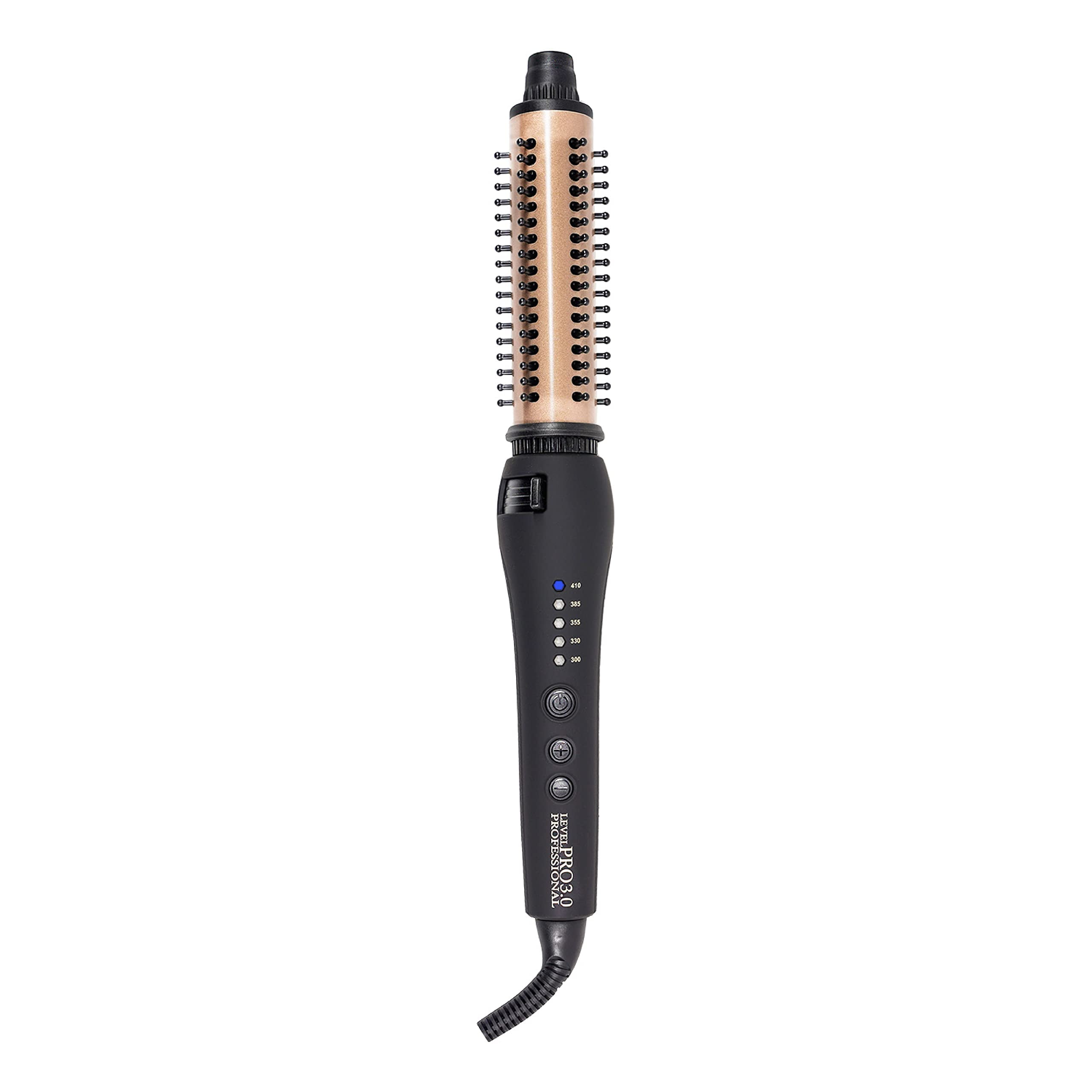
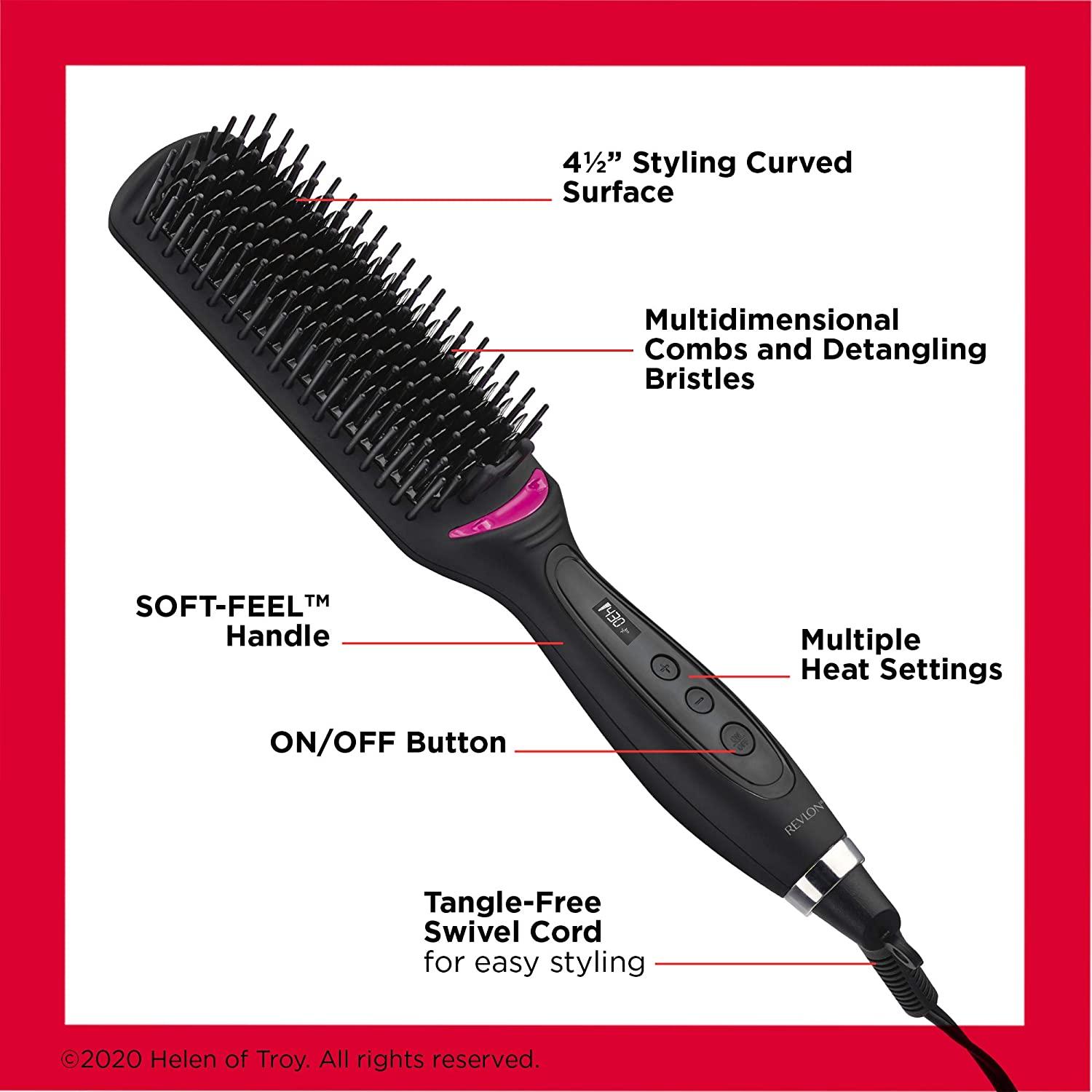
Avoid basic styling tools that feature only a simple "on/off" switch or a generic "high/low" toggle. Modern appliances equipped with digital thermostatic controls and ceramic, tourmaline, or titanium plates distribute heat more evenly and allow precise adjustments to match specific hair types.
Frequently Asked Questions
Do ceramic irons cause less damage than metal irons?
Yes, high-quality ceramic plates distribute heat more evenly and emit infrared heat, which penetrates the hair shaft gently compared to traditional aluminum or metal plates that develop dangerous hot spots. However, even ceramic tools can cause severe damage if operated at excessively high temperatures.
How often should I use heat styling tools to maintain hair health?
Limiting heat styling to one to two times per week significantly reduces cumulative structural fatigue. On non-heat days, rely on heatless curling techniques, air-drying, or protective hairstyles to minimize daily thermal exposure.
Does a higher price tag guarantee a safer hair styling tool?
Not necessarily. While premium tools often feature advanced microprocessors that monitor plate temperatures dozens of times per second to prevent thermal spikes, price alone does not replace the need for manual temperature regulation and proper thermal protectants.
Can heat-damaged hair be permanently repaired?
No. Once the protein bonds within the cortex are denatured and the cuticle scales are structurally destroyed, they cannot be permanently healed. Temporary conditioning treatments can smooth the outer layer and mask damage cosmetically, but severely compromised hair must eventually be trimmed off.
Next Actions and Practical Recommendations
To safeguard your hair against long-term thermal trauma, begin by auditing your current styling routine. Check the temperature capabilities of your existing blow dryers, straighteners, and curling irons, and permanently lower your operating settings based on your hair's specific texture and processing history. Always incorporate a silicone-based thermal protectant before every styling session, and prioritize investing in tools with precise digital temperature readouts. If your hair already exhibits extreme brittleness, excessive breakage, or split ends, schedule a professional trim and incorporate deep-conditioning protein and moisture masks to stabilize the remaining healthy strands.
Image Gallery