Federal BOP Uniforms: Standards, Procurement, and Institutional Requirements
The Federal Bureau of Prisons (BOP) maintains rigorous standards for its uniforms, which are strictly categorized into staff attire and inmate clothing. Staff uniforms denote authority and professionalism, governed by specific policy s...
The Federal Bureau of Prisons (BOP) maintains rigorous standards for its uniforms, which are strictly categorized into staff attire and inmate clothing. Staff uniforms denote authority and professionalism, governed by specific policy statements, while inmate uniforms serve identification, security, and administrative purposes. Understanding these requirements is essential for personnel compliance and for authorized vendors seeking to understand the specifications of institutional supply chains.
Contents
The Distinction Between Staff and Inmate Attire
In the federal correctional environment, uniforms are not merely clothing; they are critical tools for operational security and staff safety. The BOP operates under the United States Department of Justice, and as such, all official garments must adhere to standardized federal procurement and appearance guidelines.
Staff uniforms are designed to convey professional presence, facilitate identification, and accommodate the physical demands of correctional work. Conversely, inmate uniforms are designed for high visibility, durability, and the prevention of contraband concealment. These garments are standardized across the federal system to ensure uniformity in identification regardless of the facility location.
Federal BOP Staff Uniform Requirements
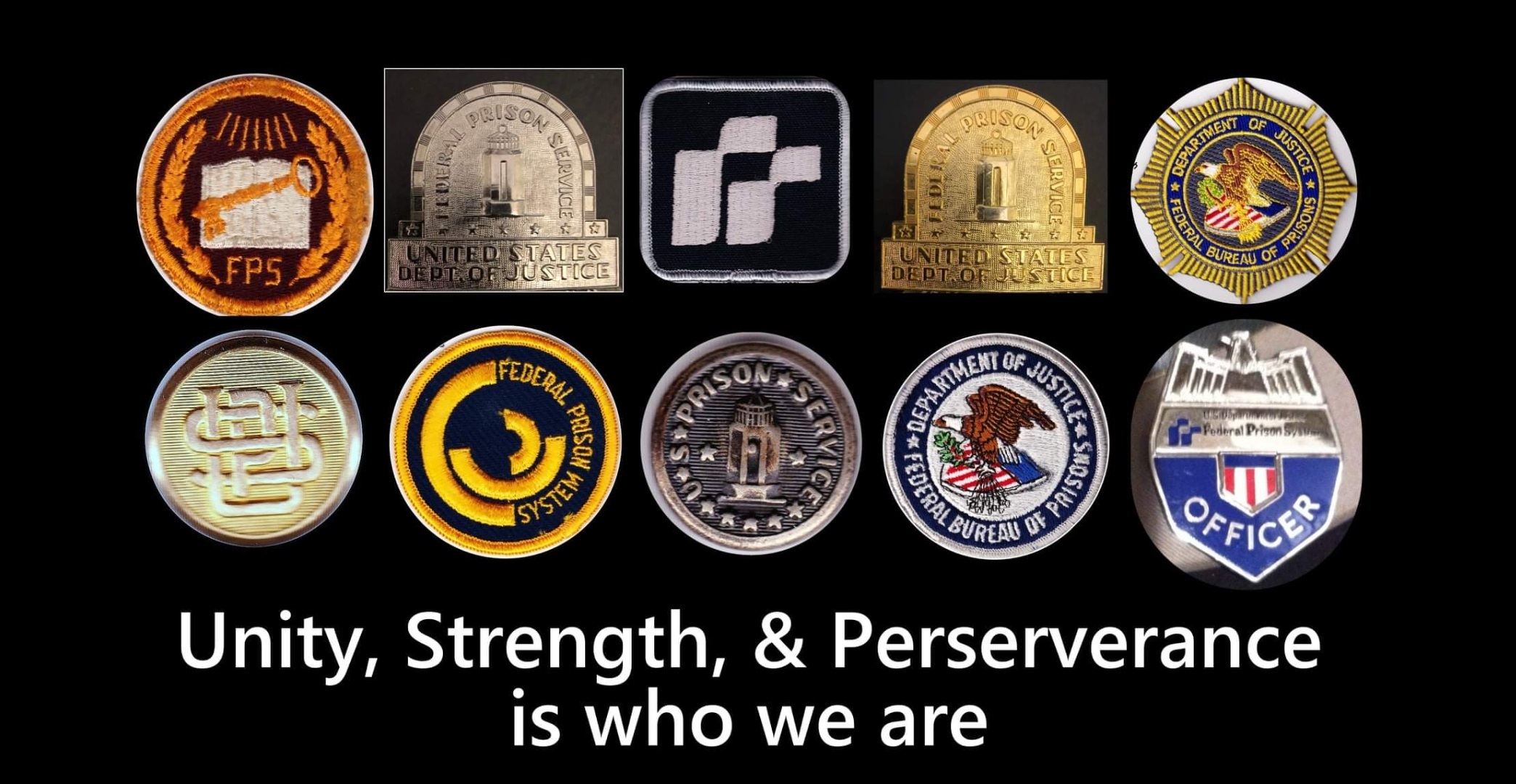
For BOP staff, the uniform is a mandatory requirement that serves as an extension of the agency’s professional identity. The Bureau provides specific guidelines, often updated through Program Statements, regarding the composition of these uniforms.
Uniform Categories and Components
Staff uniforms typically vary based on the role of the employee:
- Correctional Officers: Often wear standard tactical-style shirts and trousers, usually in shades of blue or khaki, depending on the current policy iteration. These garments feature reinforced stitching and specific placement for patches and insignia.
- Administrative and Executive Staff: May adhere to business-professional attire, though they are often required to maintain specific grooming and identification standards that align with the uniform policy.
- Specialized Units: Members of the Special Operations Response Team (SORT) or other tactical units utilize specialized gear, including ballistic vests, tactical boots, and flame-resistant materials, which are distinct from the standard-issue uniform.
Procurement and Maintenance
Staff are generally provided with a uniform allowance—a monetary disbursement intended to assist in the purchase and maintenance of official attire. It is the responsibility of the staff member to ensure that their uniforms are clean, pressed, and compliant with current institutional standards. Failure to adhere to these standards can result in disciplinary action, as the uniform is seen as a representation of federal authority.
Federal Inmate Clothing Standards
Inmate clothing is managed directly by the BOP’s correctional facilities, often through the UNICOR (Federal Prison Industries) program. These uniforms are manufactured to minimize individual expression while maximizing the ability of staff to monitor movement within the facility.
Identification and Security
Inmate uniforms are color-coded in many federal institutions to indicate security levels or specific administrative statuses. For instance, high-security facilities may utilize distinct colors or patterns that differ from those used in minimum-security camps. This visual differentiation allows staff to instantly identify the custody level of an inmate during headcounts or in the event of an emergency.
Standard Materials and Durability
Because these items must withstand industrial laundry cycles and daily wear, they are typically constructed from heavy-duty polyester-cotton blends. The design focus is on simplicity:
- Limited Pockets: Designed to prevent the hiding of contraband.
- Elastic Waistbands: To eliminate the need for belts, which can be misused.
- Uniform Sizing: Standardized numbering systems are used across all facilities to simplify inventory and distribution.
Comparison of Uniform Objectives
The following table outlines the fundamental differences in purpose and requirement between staff and inmate uniforms within the Federal Bureau of Prisons system as of 2026.
| Feature | Staff Uniforms | Inmate Uniforms |
|---|---|---|
| Primary Purpose | Authority and identification | Security and control |
| Procurement | Allowance-based / Agency-issued | Agency-supplied / Centralized |
| Material Focus | Professional aesthetics and mobility | Durability and tamper-resistance |
| Regulatory Basis | BOP Program Statements | Administrative facility policy |
| Standardization | Regional and unit-specific variations | System-wide standardized colors/cuts |
Authorized Vendors and Procurement for 2026
For entities interested in the procurement of items related to BOP standards, it is vital to understand that the BOP does not operate a public-facing retail store for these items. Staff procure their uniforms through authorized vendors who hold federal contracts.
If you are a vendor seeking to provide supplies, you must navigate the System for Award Management (SAM) and monitor federal contract opportunities on official government portals. The BOP mandates that any materials provided meet exact technical specifications regarding weave, tensile strength, and color fastness. Unauthorized third-party "lookalike" uniforms are strictly prohibited, and the sale of official BOP insignia to unauthorized individuals is a matter of federal compliance.
Common Challenges and Troubleshooting
Maintaining compliance with BOP uniform standards often involves navigating bureaucratic and logistical hurdles.
- Availability Issues: During peak demand or supply chain shifts, specific uniform components may experience delays. Staff are encouraged to order replacements well in advance of the expiration of their current gear.
- Size Discrepancies: Because uniform specifications are rigid, off-the-shelf civilian sizes rarely correlate perfectly with federal specifications. Always consult the specific sizing chart provided by the contract vendor.
- Policy Updates: The BOP periodically reviews its uniform policy. Changes in color, badge placement, or material requirements are published in official Bureau circulars. It is the individual’s responsibility to ensure their current kit is compliant with the most recent guidelines.
Frequently Asked Questions
Are civilians allowed to purchase official BOP staff uniforms? No. The sale and distribution of official BOP staff uniforms and insignia are restricted. These items are reserved for authorized personnel, and attempting to acquire or wear them without authorization may violate federal regulations regarding impersonation of a government official.
Can inmates choose their own clothing? No. Inmates are issued clothing based on their facility’s security level and their specific classification status. There is no personal choice regarding the cut, color, or material of the state-issued uniform.
Who manufactures inmate clothing for the BOP? The majority of inmate clothing is manufactured by UNICOR (Federal Prison Industries). This organization produces high-volume, standardized goods specifically for use within the federal correctional system, ensuring that quality and security specifications are met.
How does an employee request a new uniform? Employees must follow the established procedure for uniform allowance disbursement. This typically involves submitting a request through the facility’s administrative office or the designated supply coordinator, who will provide information on authorized vendors.
What happens if a staff uniform is damaged or lost? Damage resulting from duty is typically covered by the agency’s uniform replacement policy. However, lost or damaged items resulting from negligence may be the financial responsibility of the employee. Always report such incidents to your supervisor immediately to initiate the correct paperwork.
Recommendations for Compliance
For current staff, ensure that you check your facility’s internal portal regularly for updates to the dress code and procurement guidelines. If you are a facility manager or procurement officer, ensure all vendors are verified through the current federal database and that all products meet the rigorous, documented requirements set by the Bureau of Prisons. Adherence to these standards is not only a regulatory necessity but a fundamental aspect of maintaining order, safety, and professionalism within federal correctional facilities.
Image Gallery