How to Transfer USAA Auto Insurance
Transferring USAA auto insurance typically involves one of three scenarios: moving your existing coverage to a newly purchased vehicle, updating your policy because you are moving to a new state, or extending membership eligibility to...
Transferring USAA auto insurance typically involves one of three scenarios: moving your existing coverage to a newly purchased vehicle, updating your policy because you are moving to a new state, or extending membership eligibility to a family member. Most of these transfers can be completed instantly through the USAA mobile app or website by providing the new vehicle’s VIN or your updated residential address.
Contents
United Services Automobile Association (USAA) remains a premier provider for military members and their families in 2026. Because USAA operates differently than standard commercial insurers—primarily due to its membership eligibility requirements and its structure as a reciprocal inter-insurance exchange—the process of "transferring" insurance has specific nuances that policyholders must understand to maintain continuous coverage and military-specific benefits.
Understanding the Scope of an Insurance Transfer
The term "transfer" is often used broadly by policyholders, but in the insurance industry, it specifically refers to the movement of risk and liability. When you ask how to transfer USAA auto insurance, you are likely looking to accomplish one of the following:
- Vehicle Transfer: Replacing an old car with a new one on your current policy.
- Location Transfer: Moving your policy from one state to another (Relocation).
- Ownership/Eligibility Transfer: Passing the ability to use USAA to a spouse or child.
- Carrier Transfer: Moving your coverage from a different company into the USAA ecosystem.
Each of these processes requires different documentation and has different implications for your premiums and coverage limits. In 2026, USAA has integrated advanced digital tools to make these transitions nearly seamless, but the legal requirements for insurance remain tied to state jurisdictions and individual risk profiles.
Transferring USAA Insurance to a New Vehicle
The most common "transfer" is swapping a vehicle on an existing policy. Whether you are trading in a car at a dealership or buying from a private party, you must notify USAA to ensure the new asset is protected.
The "Grace Period" Myth vs. Reality
Many drivers believe there is a universal 30-day grace period where a new car is automatically covered by an old policy. While USAA often provides a window of automatic coverage (typically 7 to 30 days depending on the state and policy type), relying on this is risky. If you have "liability only" on your old car and buy a brand-new vehicle, the automatic transfer may not include the collision and comprehensive coverage required by a lienholder.
Steps to Transfer to a New Vehicle
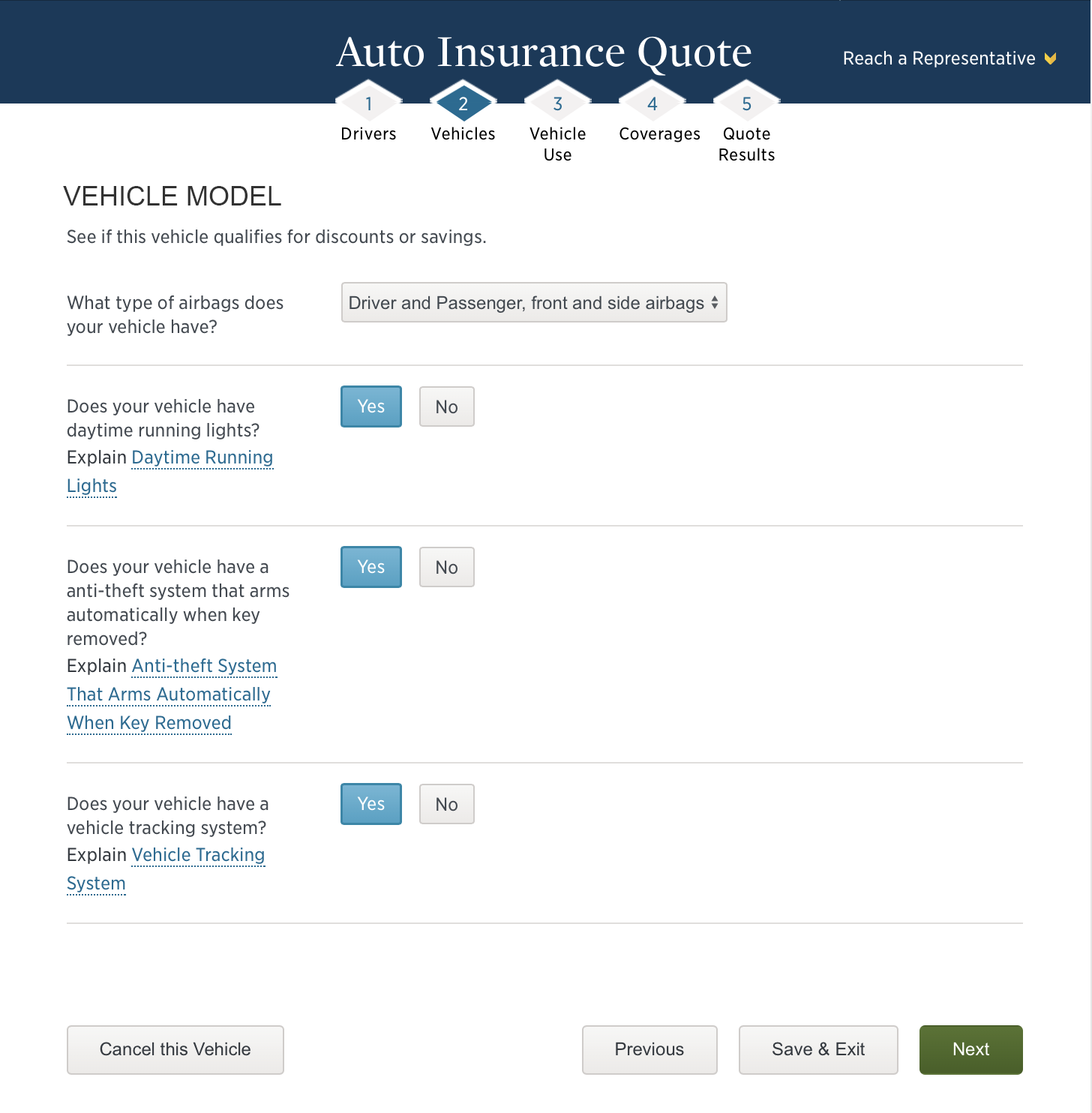
- Gather Information: You will need the 17-digit Vehicle Identification Number (VIN), the exact mileage, and details of any safety features or modifications.
- Access the USAA Portal: Log in via the mobile app or the official website. Navigate to the "Insurance" tab and select "Auto Insurance."
- Select "Add/Replace Vehicle": Follow the prompts to remove your old vehicle (if sold) and add the new one.
- Update Lienholder Details: If you have financed the vehicle, you must provide the name and address of the bank or lending institution.
- Review Coverage Limits: A more expensive vehicle may require higher limits or a lower deductible to satisfy loan requirements.
Transferring Coverage to a New State
Because insurance is regulated at the state level, you cannot simply "move" a policy from Texas to Virginia, for example. Instead, USAA must issue a new policy that complies with the specific statutes, minimum liability requirements, and "no-fault" or "tort" laws of your new home state.
Why Rates Change During a State Transfer
When you transfer your garaging address, USAA recalculates your premium based on several localized factors:
- State Mandates: Some states require Personal Injury Protection (PIP), while others use Medical Payments (MedPay).
- Population Density: Moving from a rural base to an urban center generally increases the risk of accidents, raising premiums.
- Weather Risks: States prone to hail, hurricanes, or wildfires carry higher comprehensive insurance costs.
- Litigation Environment: Some states have higher average legal settlements, which impacts the cost of liability coverage.
Actionable Steps for Relocation
You should initiate the transfer at least two weeks before your move. Provide USAA with your new ZIP code and the date your vehicle will be garaged at the new location. In 2026, USAA’s relocation dashboard allows military members to sync their insurance updates with their Permanent Change of Station (PCS) orders, ensuring that there is no lapse in coverage during the transit of the vehicle.
Transferring Eligibility to Family Members
One of the most valuable aspects of USAA is the ability to transfer the right to insurance to the next generation. This is not a transfer of a specific policy "contract," but rather a transfer of eligibility.
Who is Eligible?
Eligibility for USAA auto insurance can be passed from a primary member (active duty, retired, or honorably separated veterans) to:
- Spouses: Including widows or widowers who have not remarried.
- Children and Stepchildren: Once a parent has established a USAA property and casualty account, their children become eligible to open their own accounts.
The Process for Children
If a child is moving out or buying their own car, they do not "take" the parent's policy. Instead, the parent must ensure the child is listed on the household account. Once the child is ready for independence, they contact USAA to establish a separate policy under their own name. The "transfer" here is the legacy of the membership number, which allows the child to access the same competitive rates and member services as the parent.
Transferring from Another Insurer to USAA
If you are a member of the military or an eligible family member currently insured by a different company, transferring to USAA involves a "switch" process.
- Get a Quote: Do not cancel your old policy until you have a confirmed start date with USAA.
- Verify Membership: You will need to provide proof of service (such as a DD-214 or current military ID) if you are the first in your family to join.
- Coordinate Effective Dates: Set your USAA policy to begin at 12:01 AM on the day your old policy expires. This prevents a "coverage gap," which can lead to higher rates in the future.
- Notify Your Lienholder: Ensure your bank knows you have switched insurers so they do not force-place insurance on your vehicle.
Comparison of Transfer Types
| Feature | Vehicle Transfer | State Transfer | Eligibility Transfer |
|---|---|---|---|
| Primary Requirement | New VIN & Odometer reading | New garaging address | Proof of relationship |
| Premium Impact | Varies based on car value/safety | Varies based on state laws | New policyholder's credit/age |
| Documentation | Bill of Sale / Title | Change of Address | Birth Certificate / Marriage License |
| Speed | Instant (via App) | 24-48 Hours | Varies (Verification required) |
| Lienholder Action | Required if financed | Required to update address | Not applicable |
Financial Implications: The Subscriber’s Account
A unique element of transferring or maintaining a USAA policy is the Subscriber’s Account (SSA). When you are a member of the USAA Casualty Insurance Company (which is generally reserved for officers and their families), a portion of the company’s capital is held in your name.
If you "transfer" your insurance by canceling it entirely to move to another carrier, you may eventually receive a payout of the balance in your SSA. However, if you are simply transferring between vehicles or states, your SSA remains intact and continues to grow. In 2026, these funds remain a significant "hidden" benefit of staying within the USAA ecosystem during life transitions.
Common Pitfalls to Avoid
- Failure to Update the "Garaging Address": If you move but keep your old address on the policy to save money (insurance fraud), USAA may deny claims if an accident occurs in the new location.
- Forgetting the Lienholder: When transferring to a new car, failing to list the correct bank can lead to a breach of your loan contract.
- Lapsing During PCS: Military members moving overseas should not just cancel their policy. Instead, transfer to a "storage" policy if the car is being shipped or stored, which maintains your continuous insurance history.
- Neglecting New State Minimums: If your old state required $25,000 in liability but your new state requires $50,000, USAA will automatically adjust this, but you should review the cost change immediately.
Frequently Asked Questions
Can I transfer my USAA insurance to a friend?
No. USAA is a member-only organization. Membership is restricted to U.S. military members, veterans, and their direct family members (spouses and children). You cannot transfer your policy or eligibility to a friend, roommate, or extended relative like a cousin or nephew.
Does USAA charge a fee to transfer my policy to a new car?
USAA does not charge a specific "transfer fee" or administrative fee for updating your vehicle. However, your premium will likely change based on the value, safety ratings, and theft risk of the new vehicle compared to the old one.
How do I transfer a USAA policy after a death in the family?
In the event of a member's death, the surviving spouse typically retains eligibility and can transfer the policy into their name. You will need to contact USAA's "Survivor Relations" team, who are specifically trained to handle the transfer of accounts and Subscriber's Account balances with sensitivity.
What happens to my insurance if I am transferred overseas?
USAA is one of the few insurers that specializes in international transfers for military members. If you are taking your car OCONUS (Outside Continental United States), you will need to transfer your policy to an international version that complies with the laws of the host nation (e.g., Germany or Japan).
Is the VIN required for a quote before the transfer?
While you can get an estimate using the year, make, and model, the actual transfer requires the specific VIN. The VIN allows USAA to pull the exact build data of the car, which ensures the quote is accurate and the vehicle is correctly identified for law enforcement and DMV databases.
Final Recommendations for a Smooth Transfer
To ensure your USAA auto insurance transfer is successful in 2026, always prioritize digital documentation. Use the USAA mobile app to upload your new vehicle's registration or your new lease agreement immediately after a move.
If you are undergoing a complex transfer—such as moving a child onto their own policy while they are away at college in a different state—it is often best to call and speak with a USAA representative. While the AI-driven tools are efficient for simple car swaps, the nuances of multi-state households and military deployments often benefit from a human review to ensure every discount (such as the "Legacy Discount" or "Safe Pilot" program) is correctly applied to the new policy structure.
Image Gallery