Choosing the Best 6qt Slow Cooker for Modern Kitchens
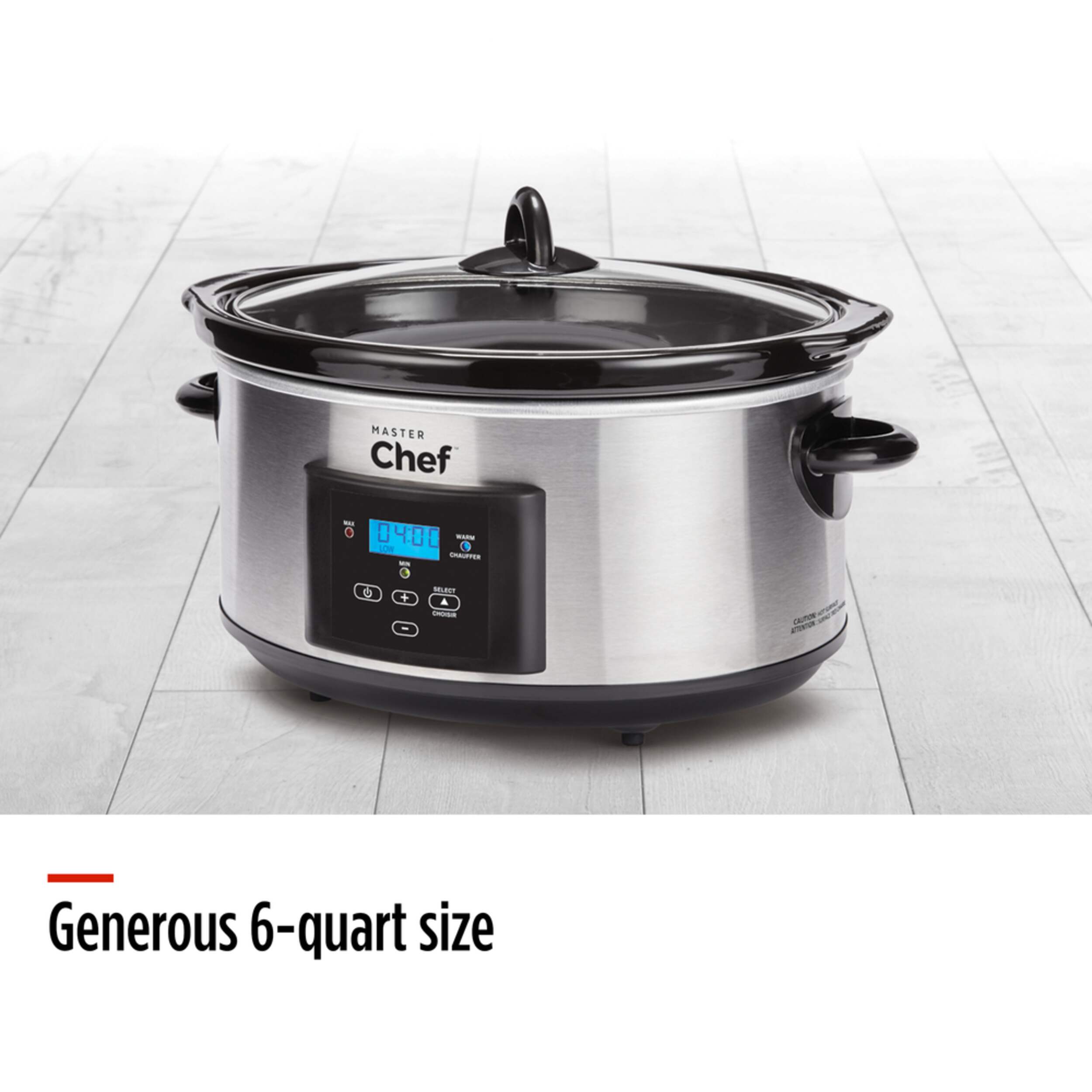
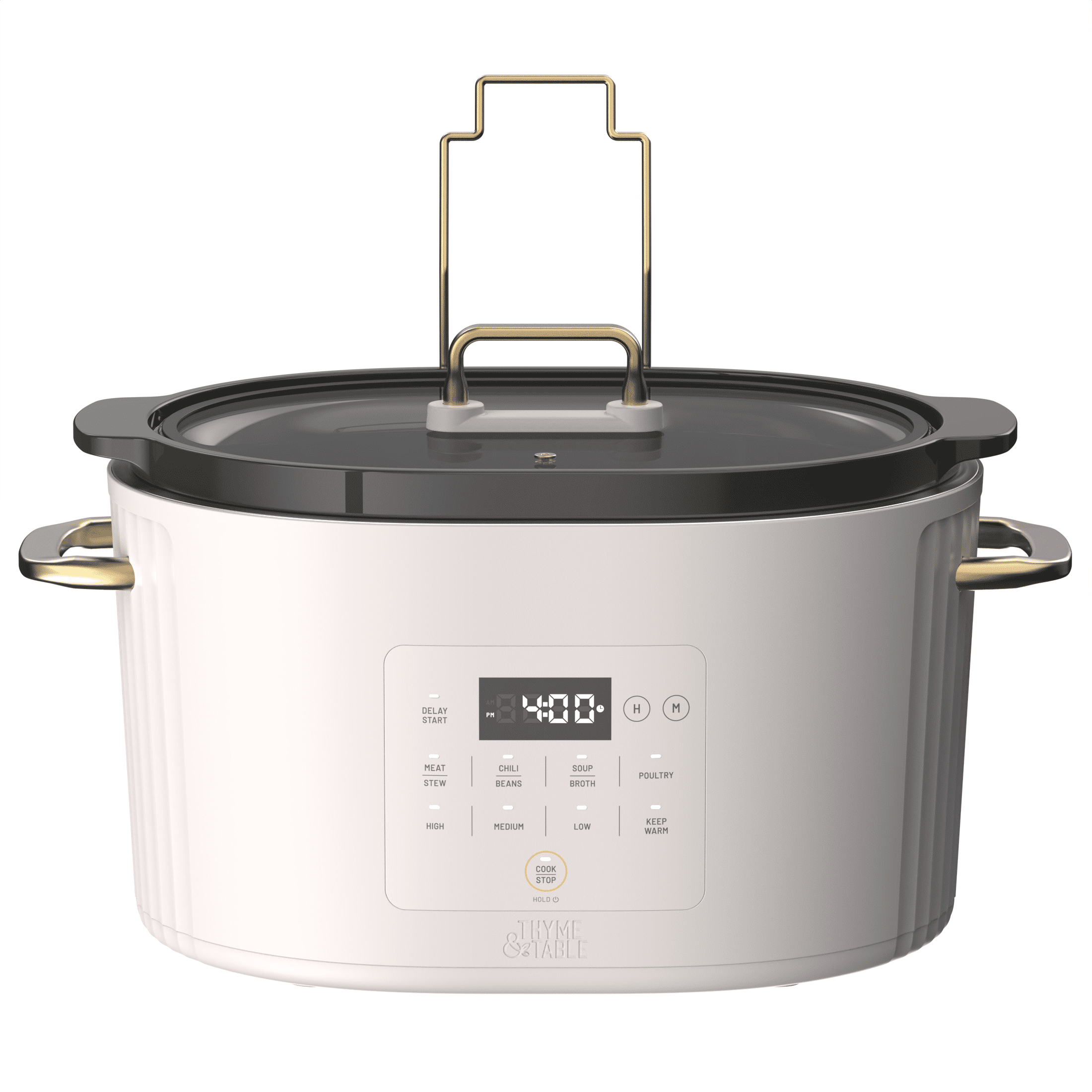
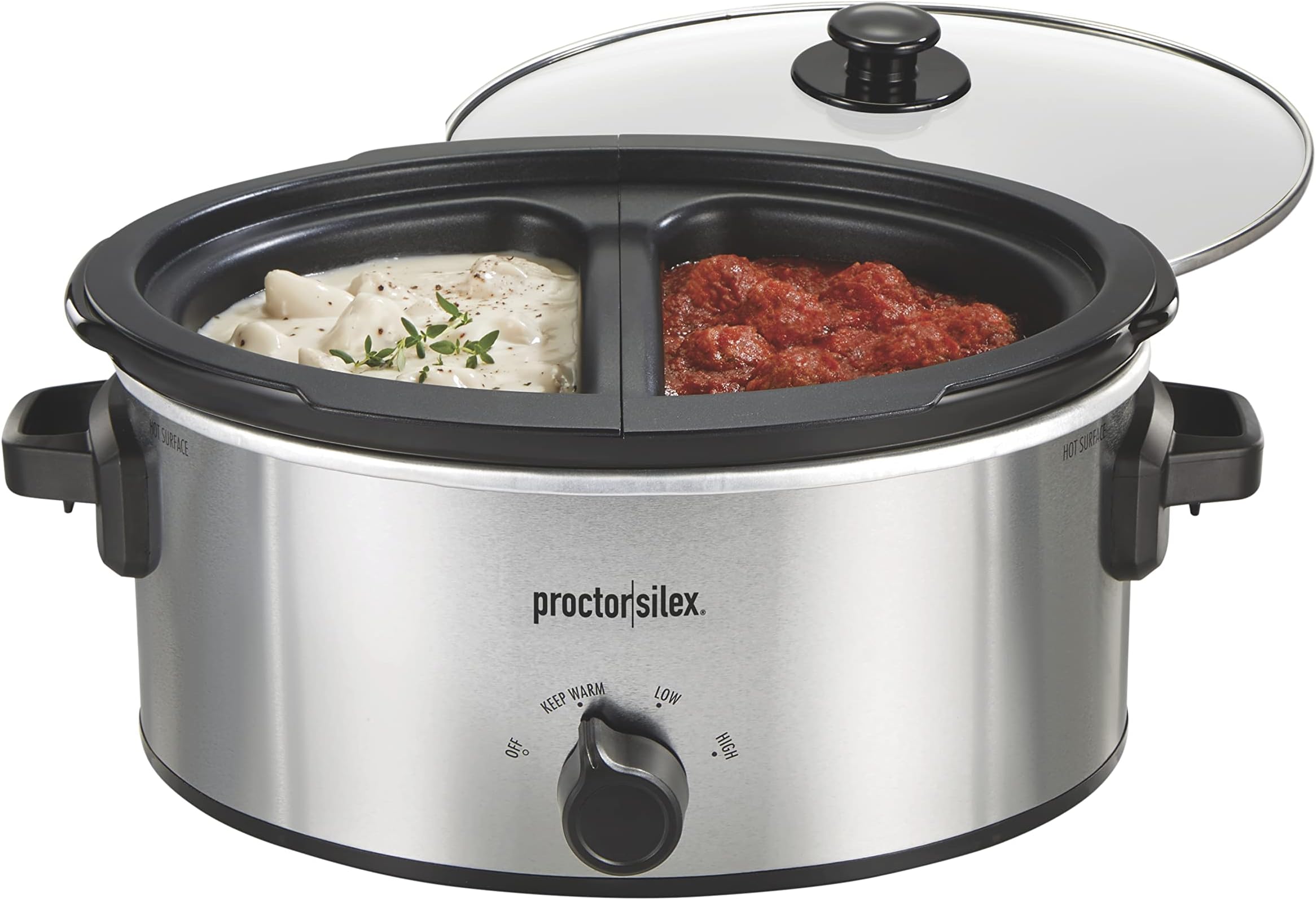
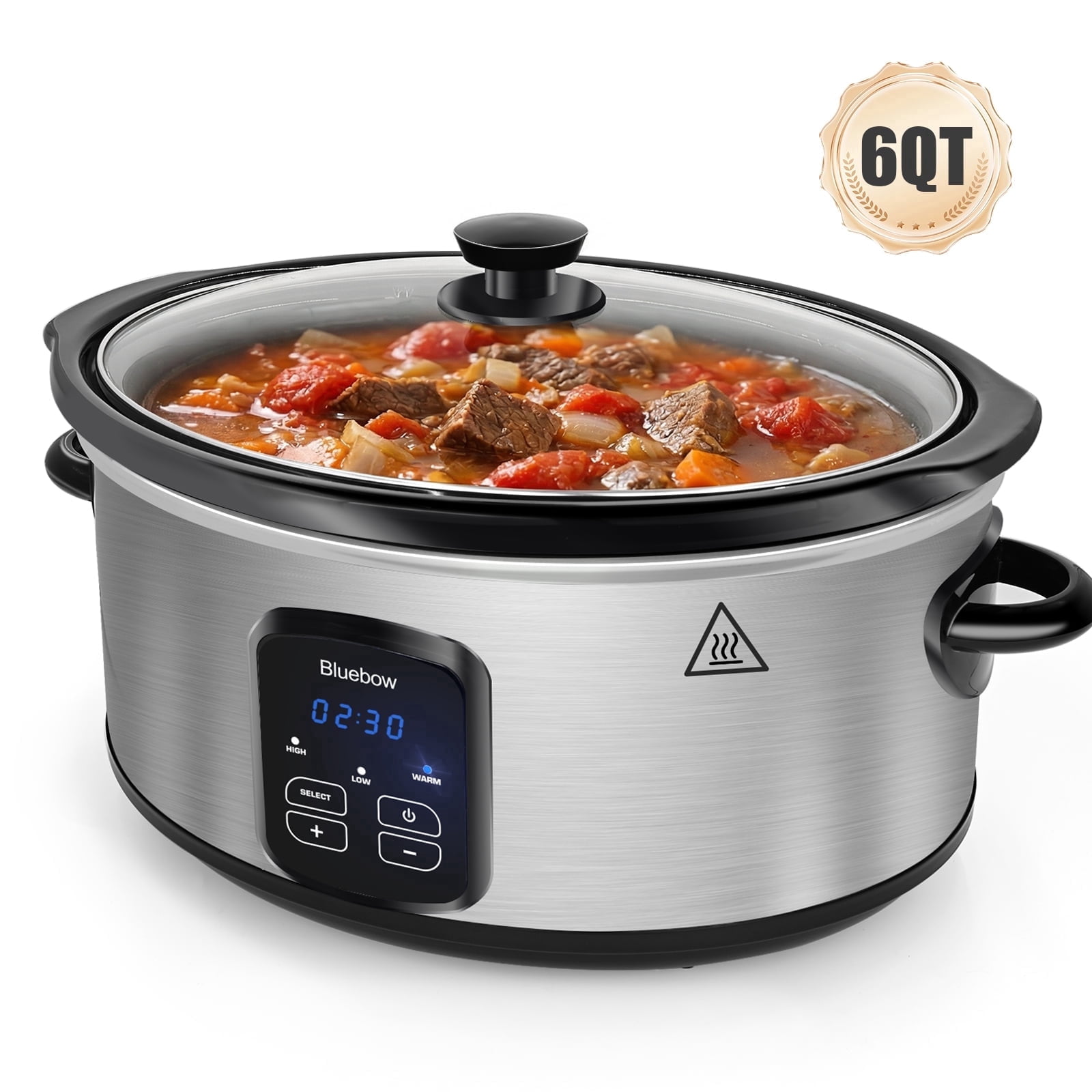
A 6-quart slow cooker provides the ideal capacity for most households, comfortably serving four to six people while accommodating whole chickens or large roasts. Modern models prioritize programmable timers, temperature accuracy, and a...
A 6-quart slow cooker provides the ideal capacity for most households, comfortably serving four to six people while accommodating whole chickens or large roasts. Modern models prioritize programmable timers, temperature accuracy, and aesthetic integration, ensuring that convenience does not compromise the design or culinary output of a contemporary kitchen environment.
Contents
Understanding the 6-Quart Standard
The 6-quart capacity has emerged as the industry standard for home cooks, balancing physical footprint with volume. In a modern kitchen, where counter space is often at a premium, the 6-quart unit is sufficiently compact to store while remaining large enough to execute "set-it-and-forget-it" recipes that require minimal intervention.
Unlike smaller 3 or 4-quart cookers, which may struggle with large cuts of meat or layered ingredients, the 6-quart size offers a vertical and horizontal buffer. This space prevents overfilling—a common cause of uneven cooking—and allows for proper heat circulation. When selecting a unit, consider both the external dimensions and the weight of the ceramic or metal insert, as the latter affects daily maneuverability and cleaning convenience.
Critical Features for Modern Applications
Modern kitchens demand more than just heat; they require precision and intuitive interfaces. When evaluating 6-quart slow cooker options in 2026, focus on these essential technical capabilities:
- Programmable Controls: Advanced digital displays allow for precise cook times, often shifting to a "Keep Warm" mode automatically once the cycle ends. This is essential for professionals who cannot monitor a stovetop or traditional manual-switch cooker throughout the day.
- Sear-and-Simmer Compatibility: Some premium models feature inserts that can be placed directly on induction, gas, or electric stovetops to sear meat before the slow-cooking process begins. This single-vessel approach reduces cleanup and deepens flavor profiles through the Maillard reaction.
- Material Composition: Stoneware (ceramic) remains the standard for even heat distribution and heat retention. However, newer models using hard-anodized aluminum or cast iron provide lighter weight and superior durability, along with the ability to be used across multiple cooking surfaces.
- Lid Sealing Technology: A secure, locking lid is a functional necessity for preventing moisture loss and facilitating transport. Ensure the seal is silicone-based and removable for sanitary cleaning, as food residue can accumulate in these crevices over time.
Comparative Analysis of Cooking Technologies
| Feature Type | Manual Switch | Digital Programmable | Multicooker/Hybrid |
|---|---|---|---|
| Precision | Low (High/Low/Warm) | High (Timed Cycles) | Very High (Pressure/Sous-vide) |
| Effort | Requires manual off | Automatically shifts | Full automation |
| Best For | Simplicity/Durability | Mid-week meal prep | Multi-functionality |
| Kitchen Footprint | Moderate | Moderate | Moderate to Large |
Integration and Aesthetics
Modern kitchen design emphasizes clean lines and material continuity. Many manufacturers now offer finishes such as matte black, stainless steel, or slate grey to match integrated appliances. When integrating a new slow cooker into your space, evaluate the power cord length and placement. Avoid placing these units under low-hanging cabinets; the steam released from the lid vent can cause long-term damage to cabinetry or wooden surfaces through moisture accumulation.
Furthermore, consider the "nesting" potential of your chosen unit. If your kitchen layout includes dedicated appliance garages or deep pull-out drawers, ensure the unit's height—with the lid inverted—fits within your storage zones.
Troubleshooting and Maintenance
Even high-quality slow cookers require routine care to maintain their technical performance.
- Thermal Shock: Never move a hot ceramic insert directly from the cooker base into a cold sink or refrigerator. Allow it to return to room temperature to prevent the glaze from cracking.
- Calibration Errors: If you notice that your food is boiling too rapidly on the "Low" setting, check for a buildup of mineral deposits on the interior of the heating base. A thin layer of white vinegar can help clean the heating element, ensuring better thermal contact.
- Lid Integrity: If steam leaks excessively, check the integrity of the gasket. Over time, heat cycles can warp standard rubber seals, leading to reduced pressure and inconsistent cooking results.
High-Value Considerations for the Modern Cook
Beyond the basic operation, consider the "next-level" utility of a 6-quart cooker. Many users in 2026 are moving toward models that offer integrated meat probes. These probes monitor the internal temperature of the protein, overriding the timer once the target degree of doneness is achieved. This shift from "time-based" cooking to "temperature-based" cooking eliminates the risk of dried-out meats—a frequent complaint among long-time slow cooker users.
Frequently Asked Questions
Does a 6-quart slow cooker consume significant electricity? Slow cookers are remarkably energy-efficient. Most 6-quart models operate between 200 and 300 watts on "Low," which is significantly less than the power required to run an electric oven or a stovetop for several hours.
Can I leave a 6-quart slow cooker unattended for 12 hours? Most modern programmable units have a safety cutoff or a maximum runtime limit. While the slow cooking process is inherently safe for long durations, ensure your model has a "Keep Warm" function to prevent the internal temperature from dropping into the "danger zone" (below 140°F) after the cooking cycle finishes.
Is it necessary to pre-heat the slow cooker? While not strictly required, pre-heating the base for 15-20 minutes before adding ingredients can decrease the time needed to reach safe temperatures, especially when starting with frozen or refrigerator-cold ingredients.
Are ceramic inserts dishwasher safe? Most ceramic inserts are dishwasher safe, but hand washing is recommended to preserve the integrity of the non-stick coating or the ceramic glaze. High-heat dishwasher cycles can cause micro-fissures in the glaze over time.
What is the "danger zone" for slow cooking? The temperature danger zone is between 40°F and 140°F. Bacteria multiply rapidly in this range. A 6-quart slow cooker is designed to bypass this range quickly; however, never fill the unit with ingredients that have been sitting out at room temperature for more than two hours.
Recommendation
For the modern home cook, the most effective 6-quart slow cooker is one that balances programmable temperature control with a removable, stovetop-safe insert. Prioritize units with digital interfaces that transition to a "Keep Warm" mode, and select a finish that complements your existing kitchen aesthetic. If you frequently handle large cuts of meat, invest in a model that includes a wired internal temperature probe, as this offers the highest level of culinary consistency and safety.
Image Gallery