WhatsApp Call Service in Saudi Arabia: Status, Access, and Solutions for 2026
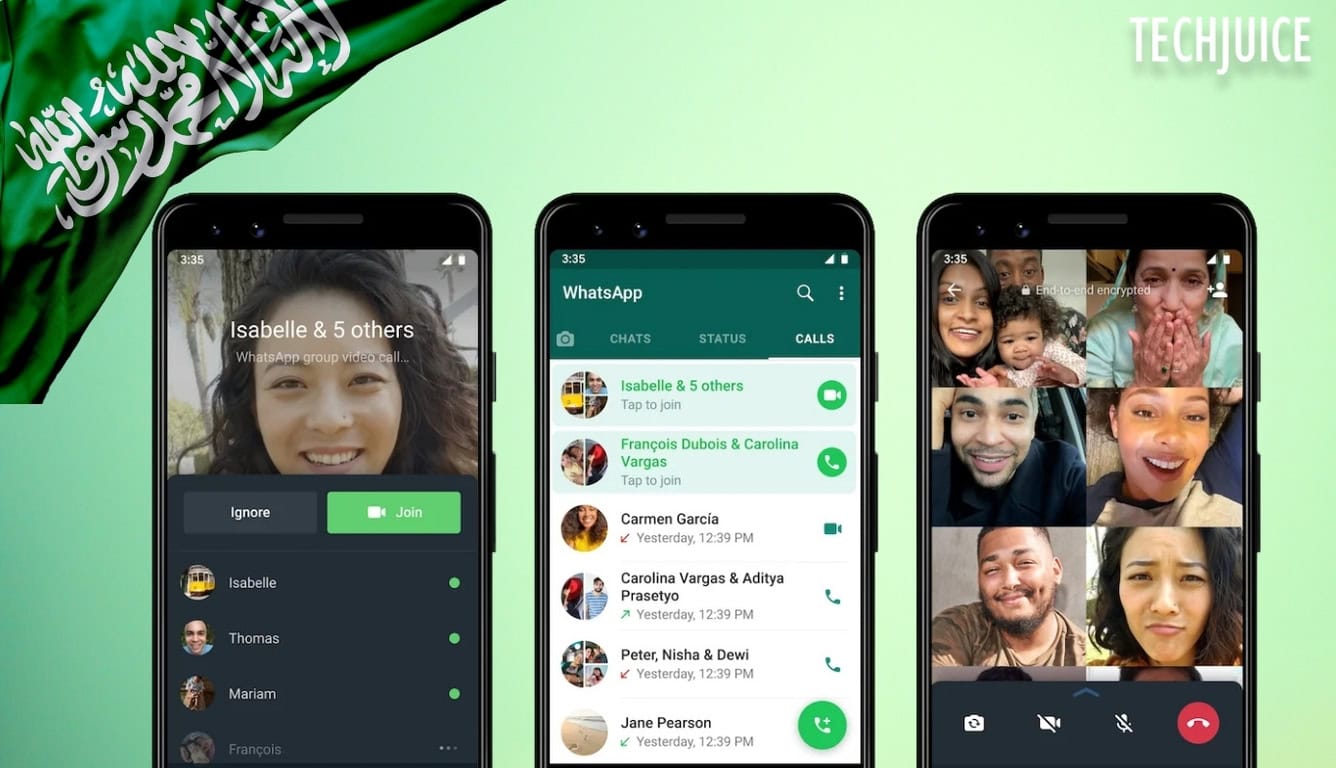
Since the landmark decision by the Communications, Space and Technology Commission (CST) to lift the ban on Voice over Internet Protocol (VoIP) services in September 2017, WhatsApp calling has been officially available in Saudi Arabia....
Since the landmark decision by the Communications, Space and Technology Commission (CST) to lift the ban on Voice over Internet Protocol (VoIP) services in September 2017, WhatsApp calling has been officially available in Saudi Arabia. While the service is legally permitted, users occasionally encounter connectivity challenges due to network optimizations, local ISP configurations, or regional software versions.
Contents
The Evolution of VoIP and WhatsApp Calling in Saudi Arabia
The journey of WhatsApp calling in the Kingdom of Saudi Arabia (KSA) is a reflection of the nation’s broader digital transformation under Vision 2030. For several years prior to 2017, the Saudi government restricted VoIP services, including the calling features of WhatsApp, Viber, and FaceTime. The primary stated reasons for these restrictions were regulatory compliance and the protection of the traditional telecommunications sector’s revenue.
However, as part of the move toward a knowledge-based economy, the CST (formerly CITC) transitioned its stance. By 2026, the landscape is entirely different. The Kingdom has one of the highest smartphone penetration rates globally and a robust 5G infrastructure that facilitates seamless high-definition voice and video calls. The current regulatory framework focuses on ensuring that communication platforms meet local security standards and data protection laws, such as the Saudi Personal Data Protection Law (PDPL), rather than blocking the services outright.
Technical Requirements for Reliable WhatsApp Calls
To maintain high-quality WhatsApp call service in Saudi Arabia in 2026, users must ensure their hardware and software environment meets specific standards. Because VoIP data packets are sensitive to "jitter" and "latency," even a minor network instability can cause the "Connecting..." loop or dropped calls.
Network Infrastructure
Saudi Arabia has invested heavily in fiber-to-the-home (FTTH) and 5G networks. For a stable WhatsApp call, a minimum symmetrical speed of 2 Mbps is recommended for voice, while video calls generally require at least 10 Mbps for 1080p clarity.
- 5G Connectivity: With 5G coverage extending to almost all urban and semi-urban areas by 2026, mobile users should ensure their devices are 5G-enabled to avoid the congestion often found on older 4G bands.
- Router Configuration: Some local routers may have "SIP ALG" (Application Layer Gateway) enabled. While intended to help VoIP, it frequently interferes with WhatsApp’s proprietary signaling, leading to one-way audio or failed connections. Disabling this in the router settings often resolves persistent calling issues.
Software and Versioning
WhatsApp frequently updates its encryption protocols and codecs. Using an outdated version of the app in Saudi Arabia can lead to compatibility issues with local ISP gateways. In 2026, it is essential to use the official version of WhatsApp downloaded from the Google Play Store or Apple App Store. "Modded" versions (like WhatsApp Gold or Plus) are not only security risks but are also frequently flagged and throttled by local network security filters.
Troubleshooting Common WhatsApp Call Issues in KSA
Despite the legal availability of the service, users often report that WhatsApp calls fail to connect or "ring" without being answered. These issues are rarely due to a government block in 2026 and are more likely related to specific technical hurdles.
The "Connecting" Loop
If a call stays on "Connecting" indefinitely, the most common culprit is the local network's NAT (Network Address Translation) type. VoIP services require a path to send data packets directly between two devices. If both parties are behind a "Strict NAT," the call may fail. Switching from a corporate Wi-Fi network to a 5G mobile data connection often resolves this, as mobile networks typically use a more flexible NAT configuration.
Carrier-Specific Optimizations
While STC, Mobily, and Zain all support WhatsApp calling, they may apply different Quality of Service (QoS) parameters during peak hours. If calls are consistently poor on one carrier, testing with a different provider's SIM or a fiber connection is a standard diagnostic step. It is also worth noting that if the recipient of your call is in a country where VoIP is still restricted (such as certain neighboring regions), the call will fail regardless of the status in Saudi Arabia.
Comparative Analysis of Communication Services in Saudi Arabia
While WhatsApp is the dominant platform, other services offer varying levels of reliability and feature sets within the Kingdom. The following table provides a comparison based on the 2026 digital landscape.
| Service | Primary Strength | Saudi Accessibility | Best Use Case |
|---|---|---|---|
| Ubiquity and encryption | High (with occasional ISP quirks) | Daily personal and casual business use | |
| BOTIM | Regional optimization | Very High (VIP subscription available) | International calls to restricted regions |
| Google Meet | Enterprise integration | Excellent | Professional meetings and screen sharing |
| Telegram | Large file sharing | High | Community groups and high-security chats |
| Zoom | Large scale conferences | Excellent | Corporate webinars and education |
Security, Privacy, and Data Protection
One of the reasons WhatsApp remains popular in Saudi Arabia is its end-to-end encryption (E2EE). In 2026, privacy is a significant concern for both residents and the Saudi government. Under the Saudi Personal Data Protection Law (PDPL), service providers must ensure the integrity of user data.
WhatsApp’s encryption ensures that only the sender and receiver can hear the audio or see the video of a call. Neither the ISPs (STC, Mobily, Zain) nor Meta (WhatsApp’s parent company) can intercept the content of these calls. For users in the Kingdom, this provides a level of confidentiality that is vital for both personal privacy and business trade secrets. However, users should remain aware that metadata—such as whom you called and for how long—is not encrypted in the same way as the call content itself.
Business Utilization of WhatsApp Calling
In 2026, the "WhatsApp Business" API has become a cornerstone of the Saudi SME (Small and Medium Enterprise) sector. Saudi companies use WhatsApp call services to provide customer support, verify deliveries, and conduct initial consultations.
The reliability of the WhatsApp call service has reduced the overhead for many startups in Riyadh and Jeddah, allowing them to bypass expensive PBX (Private Branch Exchange) systems in favor of digital-first communication. For businesses, the key to success is ensuring their office Wi-Fi is optimized for VoIP by utilizing Wi-Fi 6 or 7 routers, which can handle multiple concurrent voice streams without packet loss.
Future Outlook: Beyond 2026
As Saudi Arabia moves toward the conclusion of the initial Vision 2030 goals, the integration of AI into communication services is expected to enhance WhatsApp calling further. Features such as real-time translation during a call and AI-driven noise cancellation are becoming standard. The CST continues to monitor these developments to ensure they align with the Kingdom’s "Digital Economy Policy," which encourages innovation while maintaining a secure digital environment for all citizens and residents.
Frequently Asked Questions
1. Is WhatsApp calling currently legal in Saudi Arabia? Yes, WhatsApp calling is entirely legal. The ban on VoIP services was officially lifted in 2017 by the telecom regulator (CST). While the service is legal, it must comply with local regulations regarding data protection and security.
2. Why do my WhatsApp calls still fail on some Wi-Fi networks in KSA? Call failures on Wi-Fi are usually due to "Strict NAT" settings or firewalls on public or corporate networks. These networks often block the specific UDP ports that WhatsApp uses for voice traffic. Switching to a mobile 5G connection or adjusting the router’s "Port Forwarding" or "DMZ" settings can often fix this.
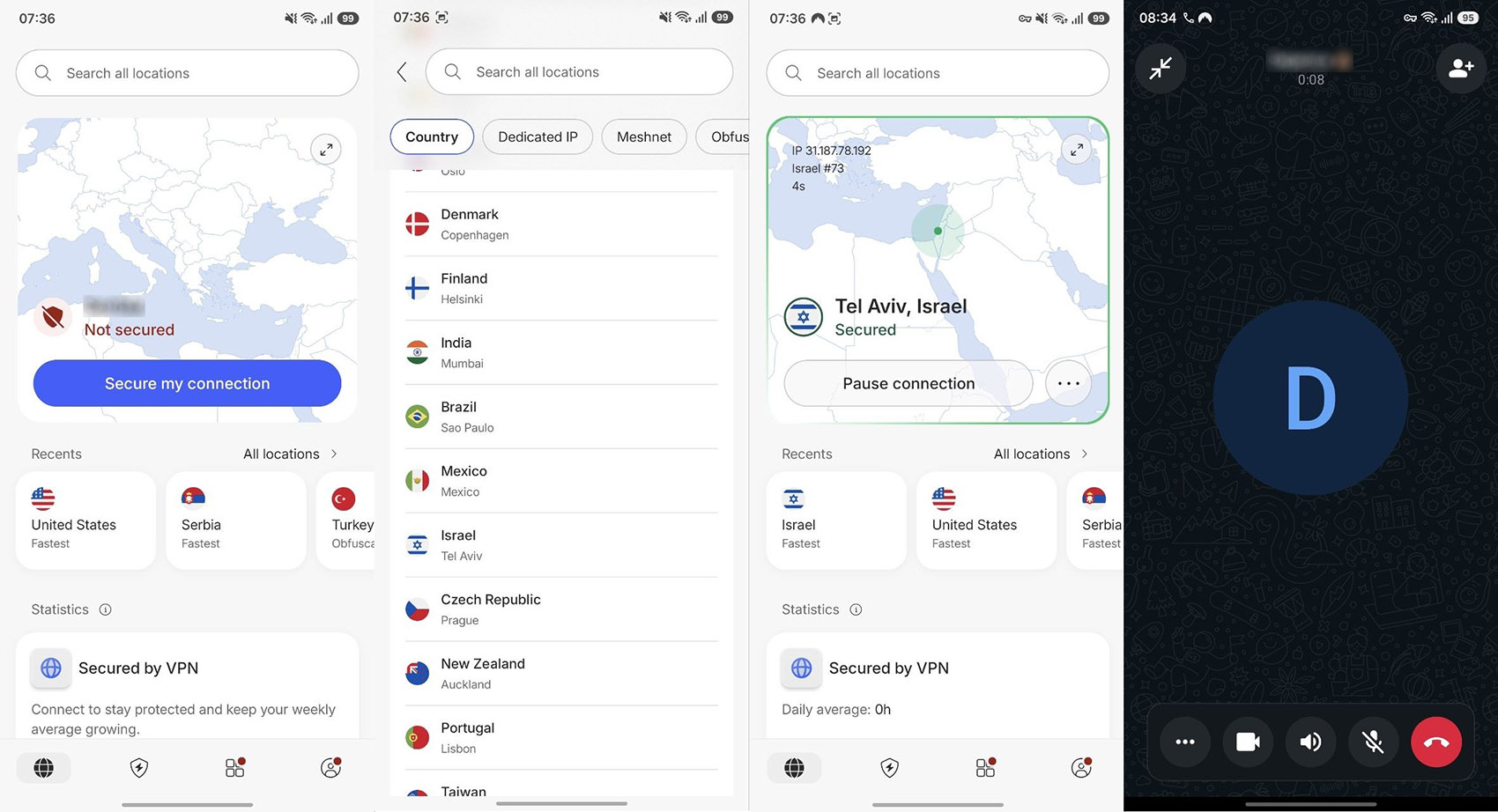
3. Do I need a VPN to use WhatsApp calls in Saudi Arabia? No, a VPN is not required to use WhatsApp calling in Saudi Arabia. In fact, using a VPN can often decrease call quality by increasing latency and jitter. Because the service is officially permitted, it is best to use a direct, high-speed local connection for the best audio and video clarity.
4. Are WhatsApp calls monitored by authorities in the Kingdom? WhatsApp uses end-to-end encryption, which means the content of the voice and video calls is encrypted on your device and only decrypted on the recipient's device. This protocol prevents third parties, including internet service providers and government agencies, from accessing the actual conversation content.
5. Which Saudi mobile carrier is best for WhatsApp calling? In 2026, all major carriers (STC, Mobily, and Zain) offer robust 5G networks that support high-quality VoIP. The "best" carrier often depends on your specific location and the signal strength in your home or office. Generally, STC and Mobily have the widest 5G coverage, while Zain often provides competitive data packages tailored for social media users.
Practical Recommendations
For the best WhatsApp call experience in Saudi Arabia, follow these steps:
- Update the App: Ensure you are running the latest version of WhatsApp from the official store.
- Use 5G or Fiber: Avoid using older 3G or 4G connections, which may struggle with the bandwidth required for high-definition video calls.
- Check DNS Settings: Sometimes, switching your device’s DNS to a public provider like Google (8.8.8.8) or Cloudflare (1.1.1.1) can improve connection speeds to WhatsApp’s global servers.
- Monitor Data Usage: High-definition video calls can consume significant data. If you are on a limited mobile plan, consider using voice-only calls when not connected to Wi-Fi.
Image Gallery