Comprehensive Guide to Dump Truck Rental Prices in 2026
Navigating dump truck rental prices for 2026 requires understanding baseline daily, weekly, and monthly rates alongside critical variable costs like fuel, insurance, and operator fees. Standard rental rates typically range from $300 to...
Navigating dump truck rental prices for 2026 requires understanding baseline daily, weekly, and monthly rates alongside critical variable costs like fuel, insurance, and operator fees. Standard rental rates typically range from $300 to $800 per day for light-to-medium-duty models, while heavy-duty configurations and specialized multi-axle setups can exceed $1,500 daily depending on regional demand and fleet availability.
Contents
Understanding the True Cost Structure of Dump Truck Rentals
Securing a commercial-grade dump truck for a construction, civil engineering, or large-scale landscaping project involves much more than simply paying a flat daily fee. Rental companies structure their pricing models around several operational factors that directly impact your total project budget. Breaking down these expenses prevents unexpected overages and ensures accurate project bidding.
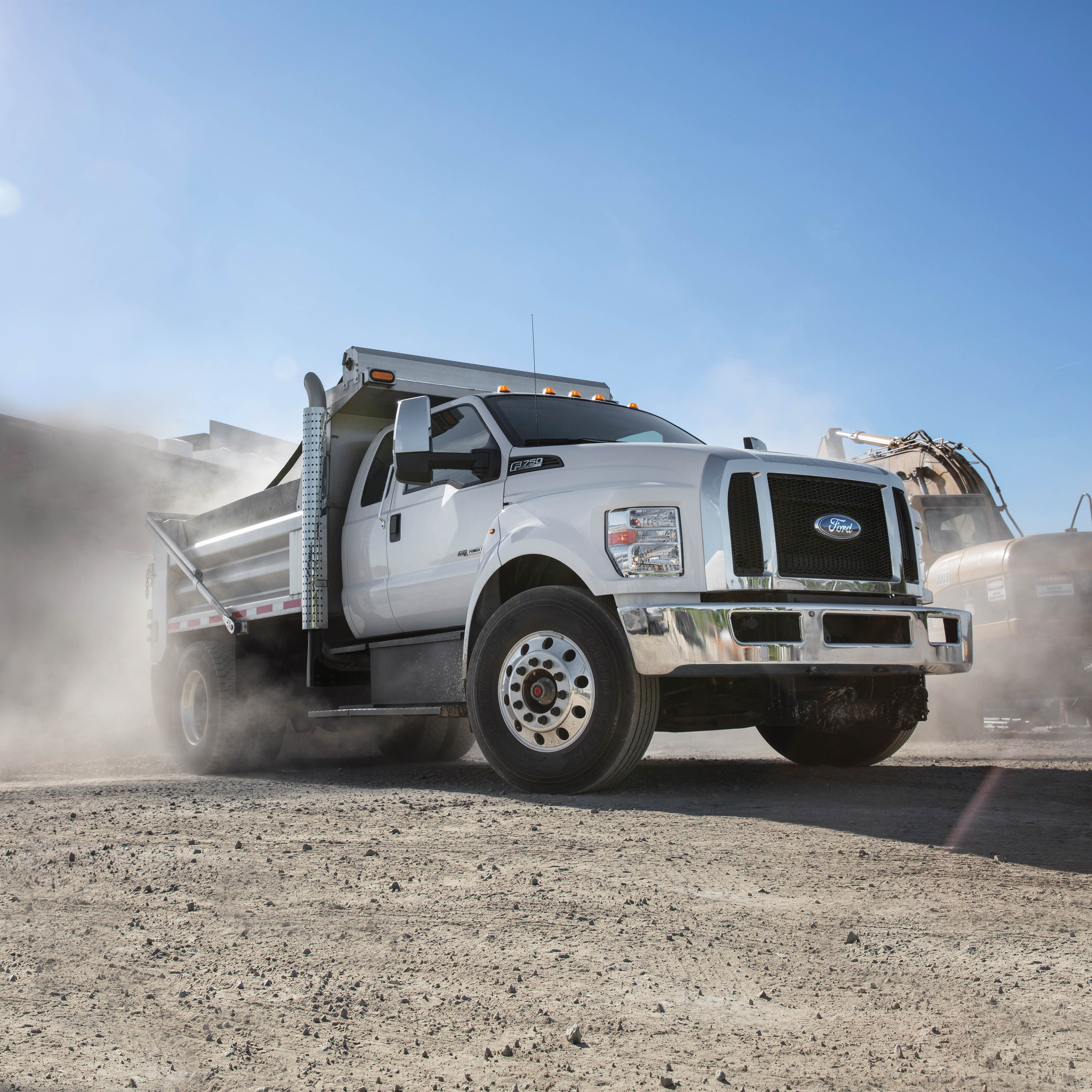
Rental rates are fundamentally tied to the size, payload capacity, and configuration of the vehicle. Smaller residential-focused projects often utilize light-duty variants, whereas heavy infrastructure projects demand tandem-axle or tri-axle configurations capable of hauling dense aggregates.
Key Pricing Tiers by Duration
- Daily Rates: Best suited for short-term emergency hauls, single-day cleanups, or quick material delivery. Daily rates carry the highest relative cost per hour because they do not benefit from multi-day discounting.
- Weekly Rates: Designed for mid-sized projects lasting between three to seven days. Weekly rates typically offer a 15% to 25% discount compared to multiplying the daily rate by five.
- Monthly Rates: The most economical choice for long-term civil construction, municipal work, or multi-phase site development. Monthly agreements significantly lower the daily equivalent cost but often introduce mileage caps or mandatory maintenance intervals.
Fleet Categories and Estimated 2026 Rental Rates
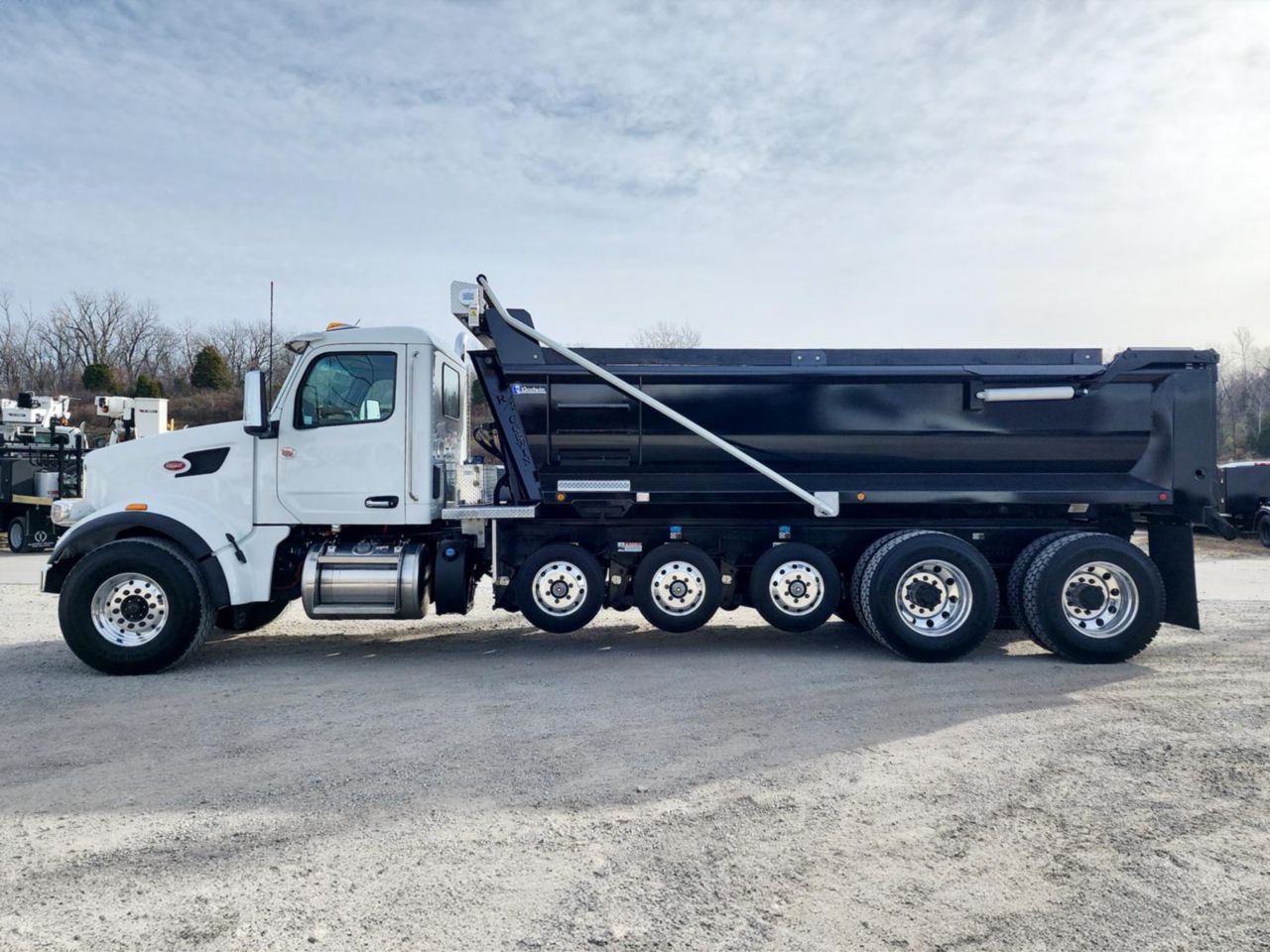
Selecting the correct truck class prevents mechanical strain, legal weight violations, and unnecessary expenditure. Different applications demand specific axle configurations and bed capacities.
| Truck Classification | Typical Payload Capacity | Estimated Daily Rate | Estimated Weekly Rate | Estimated Monthly Rate |
|---|---|---|---|---|
| Light-Duty / Mini Dump | 3 to 5 Tons | $250 - $400 | $1,100 - $1,700 | $3,500 - $5,000 |
| Medium-Duty (Single Axle) | 6 to 10 Tons | $400 - $650 | $1,800 - $2,800 | $5,500 - $8,000 |
| Heavy-Duty (Tandem Axle) | 12 to 16 Tons | $650 - $950 | $3,000 - $4,300 | $9,000 - $13,000 |
| Specialized (Tri-Axle / Quad) | 18 to 24+ Tons | $950 - $1,500+ | $4,500 - $7,000+ | $14,000 - $21,000+ |
Hidden and Variable Costs to Anticipate
When calculating dump truck rental prices, failing to budget for auxiliary expenses can quickly derail a project's financial plan. Rental agreements feature several line items outside the base truck fee.
Fuel Surcharges and Mileage Limitations
Most commercial equipment rentals operate on a dry-rate basis, meaning the vehicle is provided with a full tank of diesel, and you must return it in the same condition. Fuel consumption varies dramatically depending on whether the truck is idling on job sites, climbing steep grades, or hauling heavy loads of crushed stone. Furthermore, monthly contracts frequently cap mileage at 2,500 to 3,000 miles per month, with excess mileage billed at rates ranging from $0.50 to $1.25 per mile.
Insurance, Environmental Fees, and Permitting
Commercial auto insurance is mandatory. If your existing corporate commercial auto policy does not extend coverage to hired or non-owned heavy equipment, you must purchase physical damage and liability coverage directly through the rental agency. This typically adds $50 to $150 per day. Additionally, environmental disposal fees, local municipal road-use permits, and oversized load documentation for tri-axle configurations must be factored into your administrative overhead.
Wet Lease vs. Dry Lease: Which Option Saves Money?
Choosing between a wet lease and a dry lease fundamentally alters your operational responsibilities and risk exposure.
Operational Definitions: A Dry Lease provides exclusively the physical truck, requiring you to supply your own certified CDL driver, fuel, and routine maintenance during the rental period. A Wet Lease includes both the vehicle and a professional driver supplied by the rental or transport firm, bundling fuel and labor into an hourly or tonnage-based rate.
- Dry Lease Advantages: Greater control over job site scheduling, lower overall cost if you already employ idle drivers, and flexibility to keep the vehicle on-site overnight.
- Dry Lease Disadvantages: Full liability for mechanical damage, tire wear, and the administrative burden of verifying driver credentials and DOT compliance.
- Wet Lease Advantages: Eliminates the headache of driver shortages, shifts liability for transit delays and fuel fluctuations to the supplier, and guarantees experienced operators familiar with local aggregate sites.
- Wet Lease Disadvantages: Significantly higher hourly minimums (often billed at 4-hour or 8-hour daily minimums) and reduced flexibility for overnight or off-hours utilization.
Step-by-Step Guide to Securing the Best Rental Agreement
Executing a seamless equipment rental requires a methodical approach to vetting suppliers, inspecting machinery, and finalizing documentation.
- Calculate Exact Payload and Material Requirements: Determine the total tonnage and volume of material you need to move to ensure you select the correct gross vehicle weight rating (GVWR).
- Request Multiple Detailed Quotes: Contact at least three regional or national equipment rental yards. Ensure quotes explicitly itemize base rates, insurance requirements, delivery fees, and mileage caps.
- Verify Driver and Licensing Compliance: Confirm that anyone operating a dry-leased truck holds the appropriate Commercial Driver's License (CDL Class A or B) along with proper air-brake endorsements and medical certifications required by state and federal departments of transportation.
- Conduct a Thorough Pre-Trip Inspection: Inspect the hydraulic hoist system, tailgate latches, tires, brake lines, and fluid levels before signing the handover documentation. Document all existing scratches, dents, or windshield chips with time-stamped photographs.
- Review Maintenance and Breakdown Protocols: Clarify the rental company's policy regarding mechanical failures on the job site. Ensure they offer 24/7 mobile field service or immediate vehicle replacement to prevent costly project downtime.
Pros and Cons of Renting Versus Purchasing a Dump Truck
For growing contractors, deciding whether to rent or purchase a commercial dump truck is a pivotal financial decision.
Advantages of Renting
- Preserves working capital and avoids tying up hundreds of thousands of dollars in depreciating capital assets.
- Eliminates long-term storage, heavy-duty repair shop overhead, and out-of-warranty mechanical liabilities.
- Allows your fleet size to scale dynamically up or down based on seasonal project volume and economic fluctuations.
Disadvantages of Renting
- Long-term cumulative rental costs can eventually surpass the outright purchase price of a reliable used truck.
- Availability issues during peak construction seasons can leave you scrambling for equipment or paying premium surge pricing.
- Custom modifications, specialized tool racks, or proprietary branding cannot be permanently installed on rented units.
Frequently Asked Questions About Dump Truck Rentals
Do I need a special commercial driver's license (CDL) to rent a dump truck?
Yes, operating any dump truck with a Gross Vehicle Weight Rating (GVWR) exceeding 26,000 pounds requires the driver to hold a valid CDL (typically Class B for single-unit trucks, or Class A if towing a heavy pup trailer). Some smaller mini-dumps under 26,000 pounds GVWR may be operated with a standard driver's license depending on local jurisdiction.
Are fuel and delivery charges included in the base rental price?
No, base rental rates exclusively cover the use of the vehicle. Fuel, delivery and pickup transport fees, environmental compliance charges, and insurance coverage are billed separately as line items.
What happens if the dump truck breaks down on the job site?
Reputable rental providers include 24/7 emergency roadside assistance and mobile mechanic dispatch in their service agreements. If the issue cannot be resolved on-site within a reasonable timeframe, the supplier is contractually obligated to provide a replacement vehicle to minimize your downtime.
Can I use a rented dump truck for interstate hauling?
Interstate hauling requires specific federal Department of Transportation (DOT) numbers, International Fuel Tax Agreement (IFTA) credentials, and heavy use tax compliance. You must inform the rental agency of your intended operating radius to ensure the vehicle is legally registered for cross-state transit.
How far in advance should I reserve a dump truck for a large project?
You should secure your equipment rental at least two to four weeks in advance, especially during peak construction season (spring through autumn). Securing early ensures you lock in preferred fleet availability and avoid emergency rate surcharges.
Is insurance included in the daily rental quote?
Standard commercial auto insurance is rarely included automatically. Most agencies require proof of your own commercial auto liability and physical damage insurance or mandate that you purchase their daily supplemental collision damage waiver.
Ready to secure equipment for your upcoming project? Contact a certified commercial equipment provider today to request a customized quote tailored to your exact payload and duration requirements.
Image Gallery