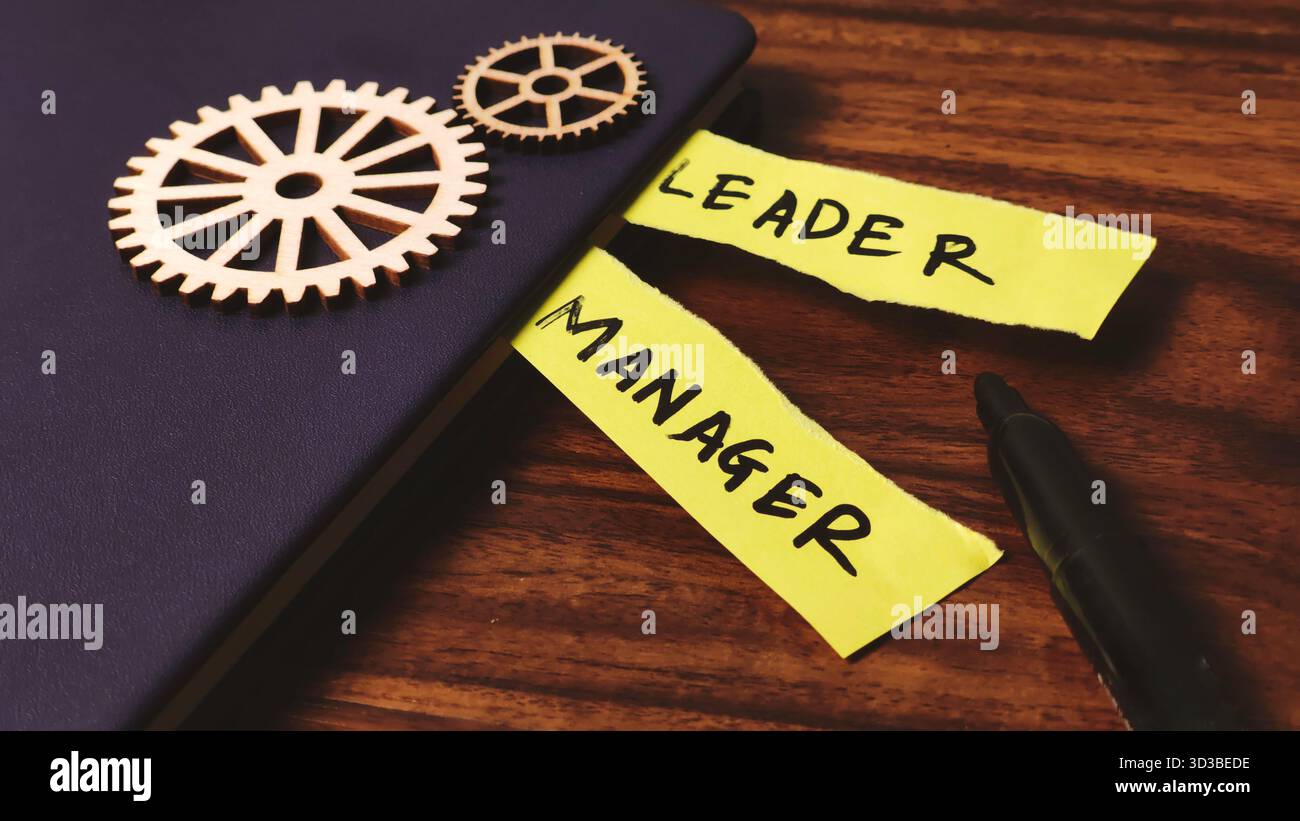
Defining Roles in Modern Organizations: The Strategic Intersection of Leadership and Management
Defining roles in modern organizations requires a dual approach: leaders establish the strategic vision and cultural alignment of a position, while managers translate that vision into specific competencies, workflows, and performance m...
Defining roles in modern organizations requires a dual approach: leaders establish the strategic vision and cultural alignment of a position, while managers translate that vision into specific competencies, workflows, and performance metrics. This collaborative process ensures that every team member understands their unique contribution toward the organization’s long-term objectives and immediate operational needs.
Contents
The Evolution of Role Definition in 2026
By 2026, the traditional, static job description has largely been replaced by dynamic role frameworks. Organizations have moved away from rigid hierarchies toward fluid, skills-based structures. This shift is driven by the necessity of rapid adaptation to technological advancements—specifically AI integration—and the permanence of hybrid work models. In this environment, defining a role is no longer a "set it and forget it" task performed during recruitment. Instead, it is a continuous process of calibration.
Modern role definition focuses on impact rather than just activities. While a 20th-century job description might have listed ten specific tasks, a 2026 role profile outlines the outcomes a person is responsible for and the skills they must leverage to achieve them. This evolution has changed the nature of how leaders and managers interact with their subordinates. The boundary between "leading" (inspiring and directing) and "managing" (executing and monitoring) has become the focal point for organizational health.
The Leader’s Perspective: Defining Purpose and Potential
In the context of role definition, a leader’s primary responsibility is to anchor the role within the organization's broader mission. Leaders look at the "What" and "Why." They are less concerned with the daily checklist and more focused on how a role contributes to the company's competitive advantage and long-term sustainability.
Establishing Strategic Alignment
Leaders must ensure that every role created or modified serves a strategic purpose. If an organization is pivoting toward sustainable energy solutions, the leader defines how a "Project Coordinator" role must evolve to prioritize environmental compliance and stakeholder management over traditional cost-cutting. Without this high-level guidance, roles can become "zombie positions"—tasks that continue to be performed even after they no longer add value to the enterprise.
Cultivating Role Autonomy and Ownership
One of the most significant leadership contributions to role definition is the determination of the degree of autonomy. Leaders in high-performing 2026 organizations define the "guardrails" rather than the path. By setting clear boundaries regarding decision-making authority, leaders empower individuals to take ownership. This sense of psychological ownership is a primary driver of retention and innovation in modern decentralized workforces.
Identifying Future-Proof Skills
Leaders must also anticipate the skills the organization will need in three to five years. When defining a role today, they consider the growth trajectory. They ask: "What will this person need to do when our current AI tools evolve?" This forward-looking approach ensures that role definitions include a component of continuous learning and adaptability, preventing skill gaps before they occur.
The Manager’s Perspective: Operationalizing Tasks and Competencies
While leaders provide the vision, managers provide the architecture. The manager’s role in defining positions is tactical and grounded in the "How." They are responsible for the granular details that make a role functional on a day-to-day basis.
Mapping Competencies and Workflows
Managers break down the leader’s strategic vision into specific, measurable competencies. If a leader specifies that a role needs to "drive digital transformation," the manager identifies the specific software proficiency, data analysis skills, and cross-functional communication abilities required. They map out the workflows, identifying which departments the role interacts with and what the specific deliverables are for each project cycle.
Performance Metrics and Accountability
A role without clear metrics is a recipe for frustration. Managers define the Key Performance Indicators (KPIs) or Objectives and Key Results (OKRs) that indicate success. In the 2026 landscape, these metrics are often automated and real-time, but the manager’s human oversight is required to ensure the metrics are fair and reflective of the role's actual impact. They must balance quantitative output with qualitative contributions, such as team collaboration and mentorship.
Resource Allocation and Support
Managers also define the "inputs" of a role. This includes the budget, software access, and human resources the individual will have at their disposal. A role is set up for failure if the manager defines high-level responsibilities but fails to provide the necessary tools. In modern organizations, this also involves managing the "cognitive load"—ensuring the role’s scope is realistic and does not lead to burnout in an era of constant connectivity.
Integrating Skills-Based Models
A significant trend in 2026 is the move toward Skills-Based Organizations (SBO). In this model, the organization is viewed as a landscape of skills rather than a collection of fixed jobs. Leaders and managers work together to deconstruct roles into specific skill sets.
This approach offers several advantages:
- Agility: When a new project arises, managers can quickly identify individuals with the requisite skills across the organization, regardless of their formal job title.
- Equity: Roles defined by skills rather than tenure or pedigree help reduce bias in hiring and promotion.
- Internal Mobility: Employees have a clearer understanding of the skills they need to acquire to move into different roles, fostering a culture of internal development.
According to research by Deloitte on Skills-Based Organizations, companies that adopt this model are significantly more likely to place talent effectively and retain high performers.
Comparing Leadership and Management Functions in Role Design
The following table illustrates the distinct but complementary responsibilities of leaders and managers when defining organizational roles.
| Dimension | Leadership Focus (The Visionary) | Management Focus (The Architect) |
|---|---|---|
| Primary Goal | Alignment with organizational mission and future growth. | Operational efficiency and immediate output. |
| Time Horizon | Long-term (1–5 years). | Short-to-medium term (Daily to 1 year). |
| Role Scope | Defining impact, purpose, and decision-making authority. | Defining tasks, workflows, and specific deliverables. |
| Success Criteria | Strategic contribution and cultural fit. | KPIs, OKRs, and competency mastery. |
| Resource View | Human potential and talent pipeline. | Tools, budget, and man-hours. |
| Change Handling | Driving the need for role evolution. | Implementing and stabilizing the new role structure. |
Practical Frameworks for Modern Role Definition
To effectively define roles in 2026, organizations often use specific frameworks that bridge the gap between leadership vision and management execution.
The RACI Matrix (Updated for 2026)
The RACI (Responsible, Accountable, Consulted, Informed) model remains a staple but has been adapted for more collaborative environments. Managers use it to clarify who "owns" a task, while leaders use it to ensure that accountability is placed at the right level of the organization to foster speed.
Holacratic Role Circles
In flatter organizations, roles are defined within "circles." Instead of a person having one job title, they may inhabit multiple roles across different circles. Leaders define the purpose of the circle, while the "Lead Link" (a management function) helps define the specific accountabilities of the roles within that circle. This allows for immense flexibility and ensures that the organization can reconfigure itself as market demands change.
The Impact-Competency Grid
This is a modern tool where leaders define the "Impact Areas" (e.g., Customer Satisfaction, Revenue Growth, Innovation) and managers define the "Competency Levels" required to achieve them. This creates a clear map for the employee, showing exactly how their daily skills translate into the company's success.
Common Mistakes in Defining Roles
Despite the tools available, many organizations struggle with role definition. Common pitfalls include:
- Role Overload: Trying to pack too many disparate responsibilities into a single role. This often happens in startups or during "lean" periods, leading to rapid burnout.
- Lack of Clarity in "The Gray Zones": Failing to define where one role ends and another begins. This leads to territorial disputes or, conversely, tasks falling through the cracks because "it wasn't my job."
- Static Definitions in a Dynamic World: Failing to review and update roles regularly. A role defined in 2024 is likely obsolete by 2026 if it hasn't been adjusted for technological or market shifts.
- Over-management: When managers define tasks so strictly that there is no room for the leadership-driven goal of autonomy. This stifles creativity and makes the role unattractive to top-tier talent.
Frequently Asked Questions
What is the difference between a job description and a role definition?
A job description is typically a static document used for hiring that lists duties, requirements, and qualifications. A role definition is a more dynamic framework that describes the purpose, responsibilities, and expected impact of an individual within the organizational system. Role definitions often evolve as the individual and the company grow.
How often should roles be redefined?
In the fast-paced environment of 2026, roles should be formally reviewed at least annually, but "micro-adjustments" often happen quarterly during performance check-ins. If a major technological shift occurs (such as a new AI deployment), roles may need immediate recalibration to ensure efficiency and relevance.
Can one person be both the leader and the manager in role definition?
Yes, especially in small businesses or startup environments. However, the individual must be conscious of switching "hats." They must spend time thinking about the strategic "Why" (leadership) before diving into the tactical "How" (management). Failure to separate these mindsets often results in roles that are either too visionary to be practical or too tactical to be meaningful.
How does remote work affect role definition?
Remote work requires much higher precision in role definition. Without the informal communication of a physical office, "who does what" must be explicitly documented. Leaders must emphasize outcomes and trust, while managers must provide very clear digital workflows and communication protocols to prevent isolation and misalignment.
Should employees help define their own roles?
Absolutely. In modern organizations, "job crafting"—where employees take an active role in shaping their tasks to match their strengths and the organization's needs—is highly encouraged. When employees contribute to their role definition, they are more engaged and more likely to innovate within their scope of work.
Strategic Recommendation for 2026
To thrive in the current landscape, organizations should adopt a "Living Role" philosophy. Move away from PDF job descriptions buried in HR folders. Instead, use digital talent management platforms that allow leaders and managers to update role expectations, required skills, and success metrics in real-time.
Start by having leaders define the three core "impact statements" for every department. Then, empower managers and their teams to co-create the competencies and workflows needed to achieve those impacts. This collaborative approach not only ensures clarity and accountability but also fosters a culture of agility that is essential for success in 2026 and beyond.
Image Gallery