Sally Hansen Cuticle Oil Review in Detail: Ingredients, Performance, and Value
Sally Hansen’s Vitamin E Nail and Cuticle Oil is a fixture in drugstore beauty aisles and professional nail salons alike, prized for its accessible price point and straightforward conditioning formula. Designed to restore moisture to d...
Sally Hansen’s Vitamin E Nail and Cuticle Oil is a fixture in drugstore beauty aisles and professional nail salons alike, prized for its accessible price point and straightforward conditioning formula. Designed to restore moisture to dry, cracked cuticles and brittle nail plates, this botanical blend relies on classic emollients like safflower seed oil and vitamin E to deliver rapid surface hydration. Evaluating this classic treatment requires a close look at its ingredient profile, practical application performance, long-term conditioning benefits, and overall cosmetic value.
Contents
Understanding Sally Hansen Vitamin E Nail and Cuticle Oil
Navigating the crowded marketplace of nail care treatments often leads consumers back to legacy drugstore brands. Sally Hansen, a staple in American nail care since the 1950s, developed this specific cuticle treatment to target dry skin and fragile nails using a concentrated blend of oils and botanical extracts. The product aims to solve a universal problem: the hardening, splitting, and peeling of the delicate skin surrounding the nail bed, which is frequently exacerbated by frequent hand washing, harsh weather, and chemical exposure from manicures.
Unlike heavy, wax-based balms or thick creams that require prolonged massage, this formulation utilizes a liquid oil delivery system. The primary objective of the product is to penetrate the skin barrier quickly, sealing in moisture without leaving an excessively greasy residue that interferes with daily tasks. It sits within the brand’s broader portfolio of strengthening treatments, base coats, and growth serums, serving as the primary maintenance step for overall nail health.
Ingredient Breakdown and Formulation Analysis
A thorough examination of any cosmetic product begins with its ingredient deck. The formulation of Sally Hansen Vitamin E Nail and Cuticle Oil is intentionally concise, avoiding excessive fillers while leaning heavily on known skin-conditioning agents and antioxidants.
| Ingredient Name | Primary Function | Cosmetic Benefit |
|---|---|---|
| Carthamus Tinctorius (Safflower) Seed Oil | Emollient / Skin-Conditioning Agent | Softens dry skin and locks in moisture. |
| Tocopheryl Acetate | Antioxidant / Vitamin E Derivative | Protects skin from environmental stressors. |
| Prunus Armeniaca (Apricot) Kernel Oil | Emollient / Plant Oil | Smooths rough textures and improves skin elasticity. |
| Aloe Barbadensis Leaf Extract | Skin-Conditioning Agent / Humectant | Soothes irritation and provides hydration. |
| Fragrance / Parfum | Sensory Additive | Imparts the signature scent to the product. |
The base of the product is Carthamus Tinctorius (Safflower) Seed Oil, a non-comedogenic plant oil rich in linoleic acid. Safflower oil spreads easily across the skin and provides immediate emollient properties, softening hard cuticle tissue without clogging surrounding pores. Complementing the safflower base is Prunus Armeniaca (Apricot) Kernel Oil, which adds another layer of lightweight moisturization and helps improve skin elasticity.
The standout active ingredient highlighted in the product marketing is Tocopheryl Acetate, a stable form of Vitamin E. As a potent antioxidant, vitamin E neutralizes free radicals generated by UV exposure and pollution, supporting the natural repair process of damaged skin cells around the nail matrix. Additionally, Aloe Barbadensis Leaf Extract is included to provide soothing relief for inflamed or peeling cuticles.
Consumers with sensitive skin or fragrance allergies should note the inclusion of fragrance (parfum) near the end of the ingredient list. While the subtle, clean scent enhances the sensory experience of a manicure routine, those prone to contact dermatitis should perform a patch test before regular application.
Application, Texture, and Practical Performance
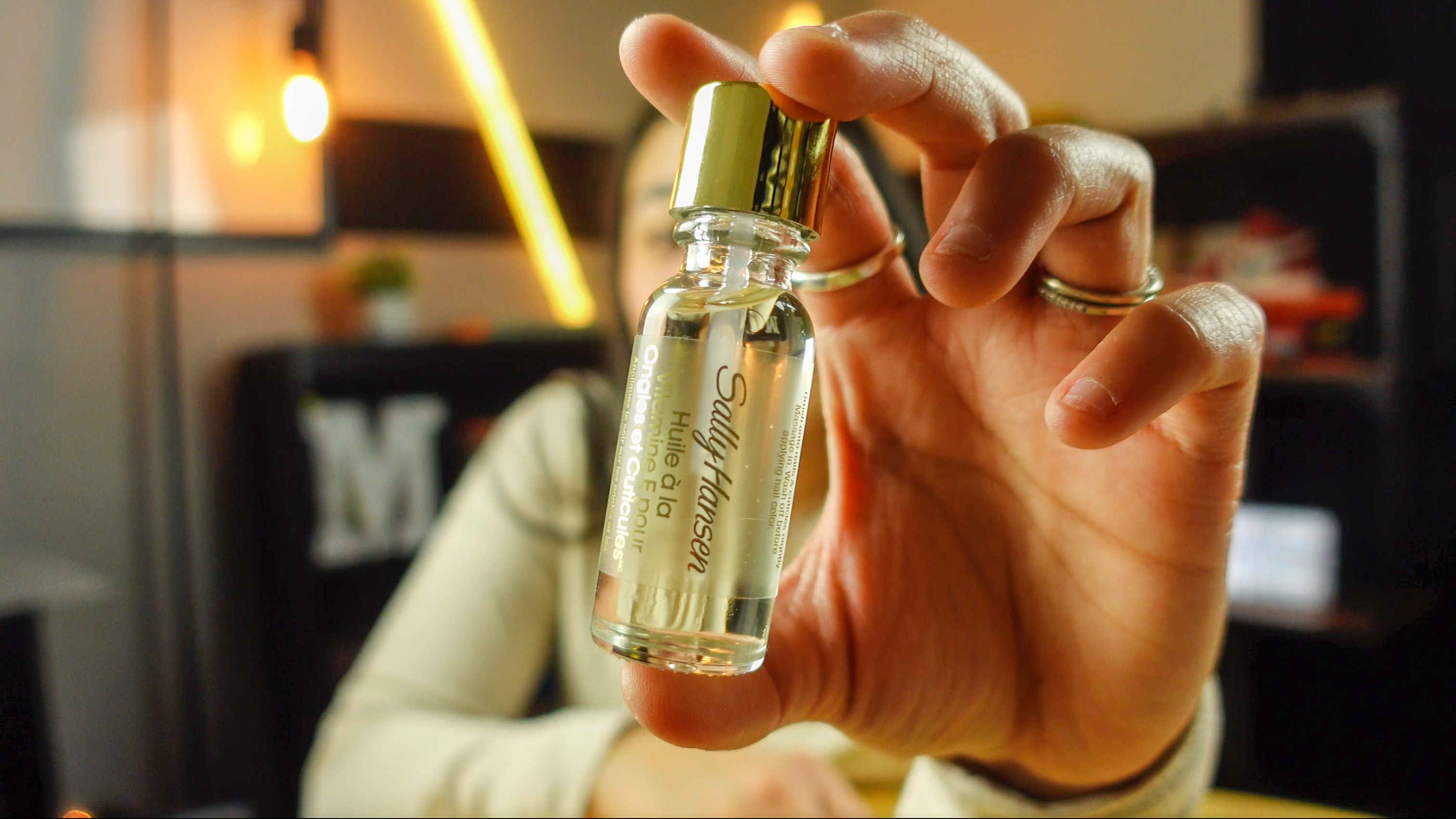
Evaluating how a product performs in real-world conditions is essential for any detailed review. The packaging features a classic brush-on applicator attached to the cap, similar to a standard nail polish bottle. This design allows users to paint the oil precisely along the base of the nail and down the lateral nail folds without spilling or dispensing excess product.
Upon application, the oil has a medium-light viscosity. It does not feel as watery as pure jojoba oil, nor as heavy as castor or mineral oil blends. Brushing it onto the cuticles requires only a few drops per hand. Massaging the product into the nail bed takes approximately thirty seconds, during which the oil begins to absorb into the skin.
While it does leave an initial oily sheen on the hands, full absorption occurs within five to ten minutes if massaged thoroughly. For individuals using the product during daytime working hours, wiping any excess residue with a tissue prevents smudging on keyboards or paperwork. Overnight use yields the best conditioning results, as the oil remains in contact with the skin for hours without interruption.
Value, Accessibility, and Cost Considerations
One of the strongest selling points of Sally Hansen Vitamin E Nail and Cuticle Oil is its exceptional market accessibility and affordability. Retailing typically between $7 and $10 for a 0.45 oz (13.3 ml) bottle, it represents a low-cost entry point into proper nail maintenance.
Given that a single bottle requires only a few brush strokes per application, the volume lasts for several months of daily use. Compared to luxury salon cuticle oils housed in dropper bottles or high-end pen applicators that can cost three to four times as much, the Sally Hansen formulation delivers comparable surface-level softening at a fraction of the cost. It is widely available at mass-market retailers, pharmacies, and online storefronts, ensuring that replacements are easy to secure.
Comparing Sally Hansen Cuticle Oil to Alternative Formulations
To understand where this product fits within the broader landscape of nail care, it helps to compare it against alternative formats such as pure plant oils and professional-grade salves.
- Pure Jojoba Oil: Many nail technicians recommend 100% pure jojoba oil because its molecular structure closely mimics human sebum, allowing it to penetrate the nail plate more deeply than multi-ingredient blends. While pure jojoba is superior for deep nail conditioning, Sally Hansen offers superior convenience with its built-in brush applicator and pleasant fragrance.
- Cuticle Creams and Balms: Waxy balms provide a thicker barrier that excels at protecting hands from extreme cold or water exposure, but they can feel heavy and greasy. Sally Hansen's liquid oil absorbs much faster, making it more practical for frequent, daytime touch-ups.
- Pen Applicators: Twist-up cuticle oil pens offer portability and prevent messy spills in travel bags, whereas glass bottles carry a risk of breakage if dropped. However, traditional bottled brush applicators generally provide better product control and higher volume for home vanity use.
Common Mistakes and Best Practices
Maximizing the effectiveness of Sally Hansen Vitamin E Nail and Cuticle Oil involves avoiding a few common user errors and adopting proper application habits.
- Applying Over Wet Polish: Cuticle oil should be applied to bare nails or completely dry, cured manicures. Applying it over wet nail lacquer can disrupt the drying process and cause smudging.
- Neglecting the Underside of the Nail: While most users focus exclusively on the proximal cuticle at the base of the nail, applying a small drop underneath the free edge of longer nails helps prevent splitting and dryness from the underside.
- Skipping the Massage: Simply painting the oil on and letting it sit yields minimal results. The physical friction of massaging the oil into the nail bed stimulates microcirculation, which promotes healthier nail growth over time.
- Inconsistent Use: Applying cuticle oil sporadically yields only temporary relief. For sustained improvement in skin texture and nail flexibility, integrate the oil into a daily routine, preferably before bedtime.
Frequently Asked Questions
Can I use Sally Hansen cuticle oil over gel or acrylic nails?
Yes, the oil is completely safe to use over artificial enhancements, gel polish, and acrylics. In fact, artificial enhancements and frequent acetone removals can severely dry out the surrounding skin, making regular oil application essential for maintaining healthy-looking cuticles around a professional manicure.
How often should I apply this cuticle oil?
For optimal results, apply the oil at least once daily, preferably before sleep. If you work with harsh chemicals, wash your hands frequently, or live in a dry climate, applying it two to three times daily will provide better protection against cracking and peeling.
Does this product help nails grow faster?
While the oil does not contain chemical growth stimulants, it creates a healthy environment for new nail growth. By preventing brittle nails from splitting, breaking, and peeling down to the quick, it allows natural nails to retain their length and appear longer over time.
Is the fragrance overpowering?
The product features a light, clean, slightly floral scent characteristic of traditional drugstore beauty items. It dissipates relatively quickly after application, though individuals with extreme sensitivity to added fragrances may prefer an unscented alternative or pure jojoba oil.
Can I apply this oil before putting on regular nail polish?
No. Any oily residue left on the nail plate will act as a barrier, preventing base coats and nail lacquers from adhering properly. Always apply cuticle oil after your manicure has completely dried, or use it on bare nails and wipe the nail plate clean with rubbing alcohol before polishing.
Conclusion and Final Recommendation
Sally Hansen Vitamin E Nail and Cuticle Oil remains a reliable, cost-effective solution for anyone struggling with dry, ragged cuticles and brittle nails. While it may not offer the deep molecular penetration of 100% pure jojoba oil, its accessible price, convenient brush-on applicator, and pleasant user experience make it a worthwhile addition to any home nail care routine. For consistent daily maintenance that keeps hangnails at bay and cuticles looking neat, this classic drugstore treatment delivers dependable results.
Image Gallery