How to Find the Best Dry Clean for Wedding Gown Near Me
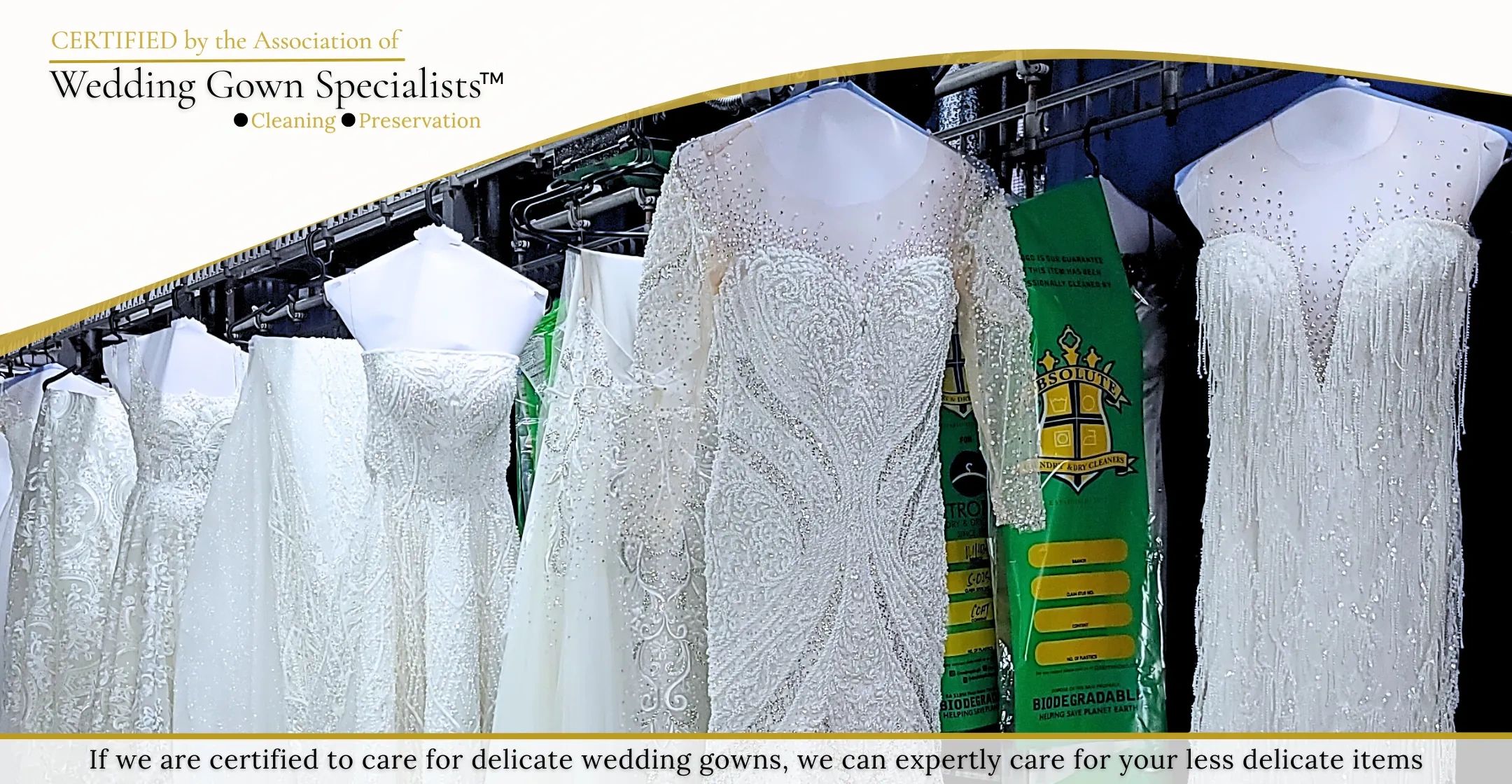
Finding reliable dry cleaning for a wedding gown requires specialized care, local research, and an understanding of garment preservation techniques. When searching for a wedding dress cleaner, look for certified gown specialists who us...
Finding reliable dry cleaning for a wedding gown requires specialized care, local research, and an understanding of garment preservation techniques. When searching for a wedding dress cleaner, look for certified gown specialists who use gentle, eco-friendly solvents, offer thorough pre-spotting, and provide museum-grade preservation boxes to protect delicate fabrics, lace, and intricate beadwork over time.
Contents
Selecting a local specialist to handle a wedding dress is vastly different from dropping off everyday garments like cotton shirts or wool trousers. A wedding gown is often constructed from delicate, multifaceted materials such as silk tulle, illusion netting, satin, or organza, and adorned with crystals, seed beads, pearls, or intricate embroidery. Because of these complex features, standard dry cleaning processes using harsh perchloroethylene or mechanical agitation can melt synthetic embellishments, dissolve glues, or tear fragile stitching. Finding the right professional nearby ensures that your investment receives the meticulous attention it demands.
Understanding the Challenges of Wedding Gown Cleaning
Before dropping off a gown at any establishment advertising dry cleaning services, it helps to understand what makes wedding gown care uniquely complex. Gowns accumulate various types of soil during a celebration. Some stains are immediately visible, such as red wine, mud, or grass along the hemline, while others are invisible to the naked eye.
Perspiration, body oils, white wine, and sugary spills from cake or cocktails dry clear. However, over time, exposure to ambient heat and light causes these organic residues to oxidize, turning ugly yellow or brown. A qualified specialist does not merely process a dress through a generic machine cycle. Instead, they perform a thorough fabric inspection to identify fiber content and the exact nature of every stain.
Furthermore, many modern gowns feature layered skirts with contrasting materials. A top layer of silk chiffon might react differently to cleaning agents than an inner lining of polyester or acetate. Identifying these variations prevents shrinkage, puckering, or color bleeding. Local cleaners who understand bridal textiles will separate detachable elements, protect delicate buttons or hooks with foil, and hand-treat stubborn stains along the train before any immersion or vapor treatment takes place.
How to Evaluate Local Wedding Dress Cleaners
When you search for local bridal cleaning options, you will likely encounter a mix of standard neighborhood dry cleaners, specialty garment restoration shops, and high-end couture cleaners. Distinguishing between them requires asking specific questions regarding their processes, experience, and guarantees.
Key Questions to Ask Your Local Cleaner
- Do you clean the gown on-site or send it to a central plant? Many storefront cleaners act as simple drop-off agents and ship delicate garments to industrial facilities. Knowing where your dress goes helps you assess the chain of custody.
- What solvent do you use? Ask if they use hydrocarbon solvents, green earth, liquid carbon dioxide, or traditional perchloroethylene. Gentle, non-toxic solvents are generally safer for delicate bridal embellishments.
- How do you handle beads, sequins, and glue? Many embellishments are glued rather than stitched. Inappropriate solvents or heat can dissolve the adhesive, causing stones to fall off.
- Can I inspect the gown before final boxing? Reputable cleaners often invite the bride or owner to view the cleaned dress unsealed before placing it into a preservation chest.
Comparing Bridal Care Options
The following table outlines the differences between standard local dry cleaners, dedicated bridal specialists, and museum-level preservation services.
| Service Type | Typical Process | Best Suited For | Embellishment Safety | Cost Range |
|---|---|---|---|---|
| Standard Neighborhood Cleaner | Bulk machine cleaning with standard solvents. | Casual day dresses or simple synthetic gowns. | Moderate risk; beads and glue may degrade. | Low ($75 - $150) |
| Specialty Bridal Cleaner | Hand-spotting, gentle solvents, individualized care. | Traditional gowns with lace, silk, and moderate beadwork. | High; experienced handlers protect delicate details. | Moderate ($175 - $350) |
| Museum-Grade Preservationist | Custom chemical stabilization, acid-free boxing, tissue layering. | Heirloom gowns, vintage pieces, couture designer dresses. | Maximum; specialized archival protocols used. | High ($350 - $600+) |
The Step-by-Step Wedding Gown Cleaning Process
A professional wedding dress cleaning follows a strict sequence designed to protect the integrity of the fabric while removing deep-set soils. Knowing what to expect can help you evaluate whether a local shop is following industry best practices.
1. Pre-Inspection and Documentation
The technician examines every square inch of the gown, recording existing damage, missing beads, loose threads, and specific stains. This protects both the cleaner and the owner by establishing a baseline condition report.
2. Stain Identification and Pre-Treatment
Stains are categorized into oil-based, protein-based, and tannin-based types. Technicians apply specialized, pH-balanced spotting agents by hand, using gentle bone scrapers or compressed air rather than aggressive scrubbing brushes.
3. The Cleaning Cycle
Depending on the fabric, the gown is placed in a gentle cleaning machine using specialized solvents that dissolve grease and oil without harming protein fibers like silk or wool. For extremely fragile couture gowns, the entire cleaning process may be performed strictly by hand.
4. Post-Spotting and Rinsing
After the main cleaning cycle, any remaining stubborn marks—such as oxidation stains or heavy mud along the hem—undergo secondary targeted treatment. The dress is then thoroughly rinsed to ensure no chemical residues remain in the weave.
5. Pressing and Finishing
Ironing a wedding dress requires skilled hand-finishing. Industrial pressing machines can flatten delicate pleats or crush dimensional lace. Professional cleaners use specialized tension tables and handheld steamers to restore the garment's original silhouette and drape.
Wedding Gown Preservation vs. Standard Cleaning
If your primary goal is long-term storage—whether for sentimental reasons, a future family member, or resale—cleaning alone is not enough. You need wedding gown preservation.
Preservation involves cleaning the dress followed by immediate packaging in an acid-free, lignin-free storage chest. Standard cardboard boxes and plastic garment bags emit gases that yellow fabrics over time. Acid-free tissue paper is interleaved between every fold to prevent permanent creasing and fabric friction. Furthermore, airtight or breathable viewing-window chests allow you to inspect the dress without breaking the protective seal, shielding the textiles from dust, light, humidity, and insect damage.
Frequently Asked Questions
How soon after the wedding should I get my gown cleaned?
You should have your gown cleaned as soon as possible after your event. Fresh stains are significantly easier to remove than set-in stains. Waiting months allows sugar spills and organic matter to oxidize, attracting insects and causing permanent discoloration.
Can yellowed vintage wedding dresses be restored?
Yes, in many cases. Professional restoration specialists use specialized chemical washes and oxygen-based treatments to reverse oxidation on vintage or neglected heirlooms. However, success depends heavily on the fabric type and the severity of the damage.
Is it safe to store my wedding dress in a plastic dry cleaning bag?
No. Standard plastic dry cleaning bags trap moisture and can emit harmful chemical fumes that accelerate fabric yellowing and degradation. Gowns should always be stored in breathable fabric bags for short periods or acid-free preservation boxes for long-term storage.
How much does professional wedding dress cleaning cost?
Prices vary significantly based on your geographic location, the complexity of the gown, the number of layers, and whether you include preservation boxing. Basic cleaning typically ranges from $150 to $300, while comprehensive preservation packages often range from $350 to $600 or more.
What should I do if I spill red wine on my dress during the reception?
Blot the stain immediately with a clean, white cloth or napkin to absorb excess liquid. Do not rub the fabric, as this pushes the pigment deeper into the fibers and frays delicate threads. Avoid applying club soda, vinegar, or commercial stain removers on silk or lace, as these household remedies can set the stain or damage specialty dyes. Consult your professional cleaner for safe advice.
Next Actions for Finding Local Service
To secure the best care for your garment, begin by searching for certified members of international dry cleaning associations or bridal-specific restoration networks in your area. Read verified customer reviews focusing specifically on wedding dress care rather than everyday laundry services. Call ahead to discuss your gown's specific fabric composition, ask detailed questions about their cleaning solvent and insurance policies, and request an in-person evaluation before committing your dress to their care.
Image Gallery