Florida EBT Card Guide 2026: Application, Benefits, and Management
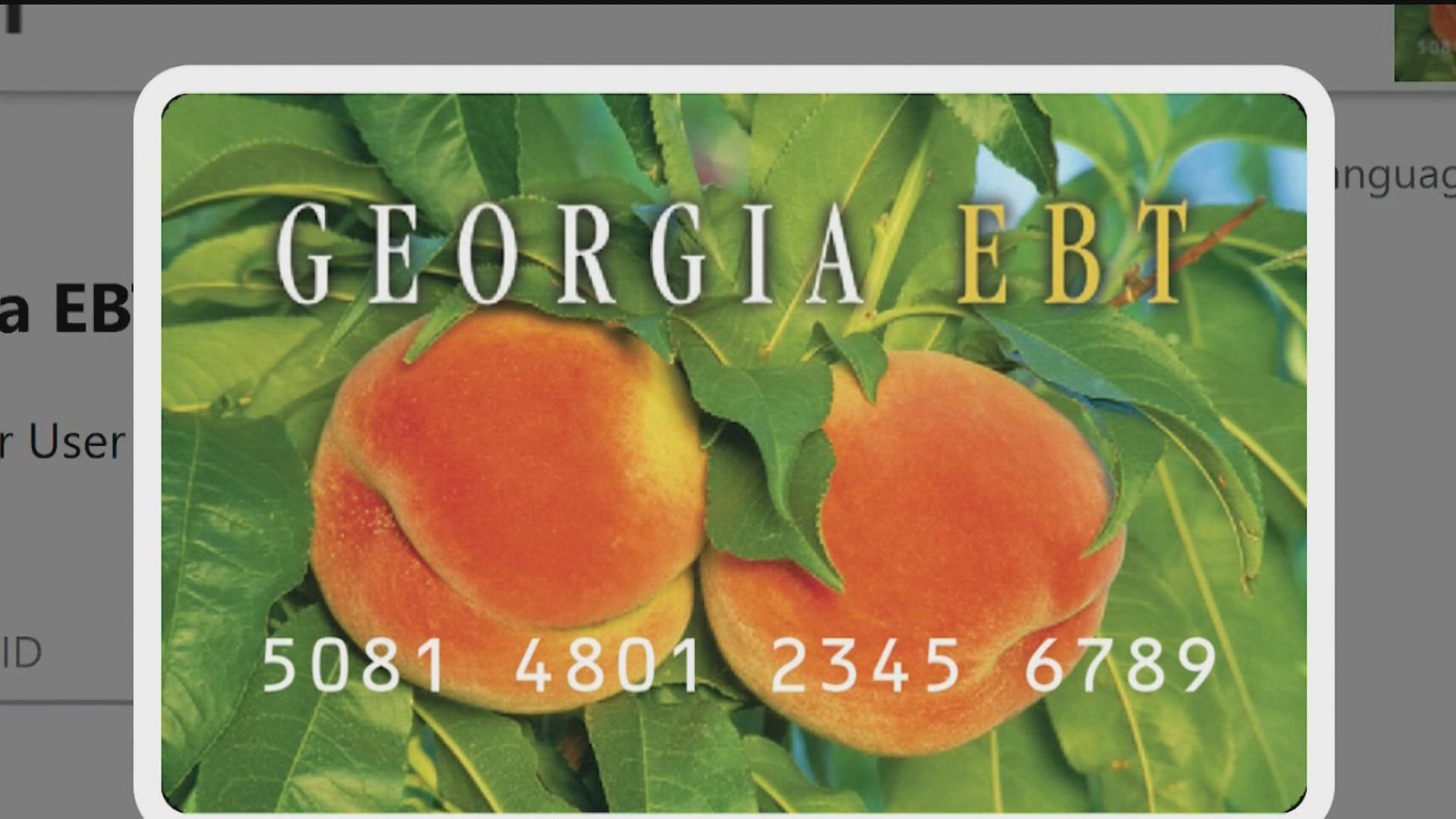
A Florida EBT (Electronic Benefit Transfer) card is a specialized debit card used to distribute SNAP and TANF benefits to eligible low-income residents. Managed by the Florida Department of Children and Families (DCF), the card allows...
A Florida EBT (Electronic Benefit Transfer) card is a specialized debit card used to distribute SNAP and TANF benefits to eligible low-income residents. Managed by the Florida Department of Children and Families (DCF), the card allows households to purchase approved groceries and access cash assistance at participating retailers and ATMs across the state.
Contents
The Florida EBT system, often referred to by its technical name, the SUNCARD, operates on a high-security electronic platform that replaced traditional paper food stamps decades ago. In 2026, the system has integrated advanced security features, including card-locking capabilities and real-time transaction monitoring, to protect recipients from the rising threat of electronic benefit skimming. Understanding the technical requirements for eligibility, the specific constraints of the My ACCESS Florida portal, and the logistical steps for card replacement is essential for all Florida households seeking nutritional or financial stability.
Eligibility Requirements for Florida SNAP and TANF in 2026
The primary gateway to receiving a Florida EBT card is meeting the stringent eligibility criteria set by federal and state regulations. These criteria are categorized into demographic status, residency, and financial thresholds.
Financial Thresholds and Income Limits
For the 2026 fiscal year, Florida continues to use the Federal Poverty Level (FPL) as the benchmark for SNAP (Supplemental Nutrition Assistance Program) and TANF (Temporary Assistance for Needy Families). Most households must meet both a gross and net income test. Gross income refers to a household's total non-excluded income before any deductions, while net income is gross income minus allowable deductions such as housing costs, childcare, and medical expenses for seniors.
2026 Income Verification Standards
For most Florida households, the gross income limit is set at 200% of the Federal Poverty Level. However, if a household member has been disqualified for an intentional program violation, the limit may drop to 130%. It is critical to accurately report all sources of income, including wages, Social Security, and child support, as the DCF automated system cross-references this data with Department of Revenue and Social Security Administration databases in real-time.
Residency and Citizenship
To qualify for a Florida EBT card, the applicant must be a resident of the State of Florida. While SNAP is a federal program, it is administered at the state level, meaning you cannot maintain an active EBT case in two states simultaneously. Applicants must be U.S. citizens or have a qualifying non-citizen status (such as legal permanent residents who have met specific residency duration requirements).
Work Requirements and ABAWD Rules
In 2026, Florida enforces strict work requirements for "Able-Bodied Adults Without Dependents" (ABAWDs). Generally, individuals aged 18 to 54 who do not have children in their household must work or participate in an approved work program for at least 80 hours per month to remain eligible for SNAP benefits for more than three months in a three-year period.
The My ACCESS Florida Application Process
The "My ACCESS" system is the digital backbone of Florida’s public assistance infrastructure. In 2026, the portal has been optimized for mobile use and enhanced security, requiring multi-factor authentication (MFA) for all users.
Step 1: Account Creation and Identification
Users must first create a My ACCESS account. This requires a valid email address and the provision of sensitive data, including Social Security Numbers for all household members. The system uses identity verification questions based on public records to ensure the person creating the account is who they claim to be.
Step 2: Submitting the Application
The online application covers several sections:
- Household Composition: Listing everyone living in the home and their relationships.
- Income and Assets: Detailing bank balances, vehicles (though many are exempt in Florida), and monthly earnings.
- Expenses: Documenting rent or mortgage payments, utility bills, and out-of-pocket medical costs.
Step 3: The Interview and Documentation
After submission, many applicants are required to complete an eligibility interview, typically conducted over the phone. You may be asked to provide "verifications," which are documents proving your claims. Common verifications include:
- Recent pay stubs (last four weeks).
- Proof of identity (Driver’s License or State ID).
- Utility bills to prove residency and expense levels.
- Medical receipts if claiming a deduction for age or disability.
Understanding the Difference Between SNAP and TANF on One Card
While you only receive one physical Florida EBT card, it can hold two distinct types of "purses" or accounts. It is vital to understand the difference in how these funds can be used.
| Feature | SNAP (Food Assistance) | TANF (Cash Assistance) |
|---|---|---|
| Primary Purpose | Purchase of nutritious food items. | General living expenses (rent, clothes, etc.). |
| Allowed Purchases | Bread, cereal, fruits, vegetables, meat, dairy. | Any legal item or service; cash withdrawals. |
| Prohibited Items | Alcohol, tobacco, hot prepared foods, vitamins. | Liquor stores, casinos, adult entertainment venues. |
| Cash Access | Cannot be withdrawn as cash. | Can be withdrawn at ATMs or via "cash back." |
| Rollover Rules | Benefits stay on card for up to 273 days. | Benefits remain active with regular account use. |
| Network | Authorized USDA retailers only. | Any ATM or merchant on the Quest/EBT network. |
How to Use and Manage Your Florida EBT Card
Once approved, your Florida EBT card is mailed to your registered address. It usually arrives within 5 to 7 business days.
Activating the Card and Setting a PIN
Before using the card, you must call the Florida EBT Customer Service line or use the EBT Edge mobile app to select a Personal Identification Number (PIN). For security purposes, avoid using obvious numbers like your birth year or the last four digits of your Social Security Number.
Where to Shop in Florida
Florida has one of the most robust EBT retailer networks in the United States. Major grocery chains including Publix, Walmart, Winn-Dixie, Aldi, and Whole Foods accept EBT. Additionally, many "Fresh Access Buckets" at Florida farmers markets allow EBT users to double their value when purchasing Florida-grown produce.
Technical Tip: The Quest Mark
Look for the "Quest" logo at the entrance of stores or at the point-of-sale (POS) terminal. This symbol indicates that the retailer is equipped to handle EBT transactions. When checking out, select the "EBT" option on the card reader. You will then be prompted to choose between "Food" (SNAP) or "Cash" (TANF) before entering your PIN.
Using EBT for Online Groceries
In 2026, online grocery shopping with EBT is standard practice in Florida. Residents can use their SNAP benefits to pay for groceries on platforms like Amazon, Walmart, and Instacart. However, note that SNAP benefits cannot be used to pay for delivery fees, service charges, or tips; these must be paid with a secondary form of payment, such as a credit or debit card.
Technical Management via EBT Edge
The Florida DCF utilizes the EBT Edge platform (managed by FIS) for cardholder services. This platform provides essential security features that every cardholder should utilize to prevent benefit theft.
- Freeze/Unfreeze Card: If you misplace your card, you can instantly "freeze" it through the EBT Edge app to prevent unauthorized transactions.
- Block Out-of-State Transactions: Since EBT fraud often occurs through cloned cards used in different states, you can set a restriction that only allows the card to be used within Florida.
- Block Online Transactions: If you do not shop for groceries online, you can disable this feature to eliminate a potential vector for cyber-theft.
- Transaction History: Reviewing your history weekly ensures there are no suspicious charges. If you see an unauthorized transaction, you must report it to DCF immediately to initiate the replacement process.
Replacing a Lost, Stolen, or Damaged EBT Card
If your Florida EBT card is compromised, lost, or the magnetic stripe fails to read, you must request a replacement immediately.
- Report the Loss: Call the Florida EBT Customer Service line at 1-888-356-3281. This number is available 24/7. Once reported, the old card is deactivated.
- Order a New Card: You can request a replacement through the automated phone system, the EBT Edge website, or the My ACCESS Florida portal.
- Wait for Delivery: Replacement cards are mailed via standard USPS mail. There is typically a small fee for replacement cards (often around $2.00), which is deducted directly from your remaining SNAP or TANF balance.
- Address Verification: Ensure your address is correct in the My ACCESS system before ordering. If you have moved, you must update your address first, or the card will be mailed to your previous residence and likely returned to the sender.
Florida EBT Perks and Secondary Benefits
Owning a Florida EBT card provides access to several "hidden" benefits designed to assist low-income families beyond just grocery purchases.
- Museums for All: By showing your Florida EBT card and a photo ID, you can gain free or significantly reduced admission (usually $3 or less) to dozens of museums and science centers across Florida, including the Orlando Science Center and the Phillip and Patricia Frost Museum of Science in Miami.
- Discounted Amazon Prime: EBT cardholders are eligible for a discounted monthly Amazon Prime membership, which includes free shipping on SNAP-eligible grocery orders.
- Lifeline Program: Your EBT status makes you eligible for the Lifeline program, providing discounted phone or internet service through providers like Assurance Wireless or Xfinity.
- SUN Bucks (Summer EBT): In 2026, Florida continues its participation in the SUN Bucks program, providing an additional $120 per eligible school-aged child during the summer months to ensure nutritional continuity when school lunches are unavailable.
Common Troubleshooting and Failure Remedies
Even with advanced technology, users may encounter issues with their Florida EBT card. Here are the technical remedies for the most common failures:
Transaction Declined - Insufficient Funds
This is the most common error. Always check your balance before shopping. If the balance is correct and the transaction still fails, ensure you are not trying to buy a prohibited item (like a hot rotisserie chicken or household cleaning supplies) with SNAP benefits.
Card Read Error
If the POS terminal cannot read the chip or stripe, the merchant is NOT permitted to manually enter your card number for SNAP transactions unless their equipment specifically supports "Manual Voucher" entry, which is rare. You will likely need to order a replacement card.
Invalid PIN
Entering the wrong PIN three times will "lock" your card until midnight. Do not continue trying after the second failure. Instead, call customer service to reset your PIN immediately.
Frequently Asked Questions (FAQ)
How do I check my Florida EBT balance?
You can check your balance via the EBT Edge mobile app, the EBT Edge website, or by calling the number on the back of your card. It is also printed on the bottom of your most recent grocery receipt. Keeping track of your balance is the best way to prevent being stranded at the checkout line with insufficient funds.
Can I use my Florida EBT card in another state?
Yes, the Florida EBT card works in all 50 states, DC, Guam, and the Virgin Islands. This is due to federal interoperability laws. However, if you move permanently to another state, you must close your Florida case and apply in your new state of residence.
When are benefits deposited onto the Florida EBT card?
In Florida, SNAP benefits are deposited between the 1st and the 28th of every month. The specific date is determined by the 9th and 8th digits of your Florida case number, read backwards. For example, if those digits are "01," your benefits arrive on the 1st.
What should I do if my benefits were stolen by a skimmer?
Florida has a formal process for "Benefit Replacement" due to skimming. You must file a claim with the DCF within 30 days of the theft. You will likely need to change your PIN and potentially your card number to prevent future theft from the same source.
Can I buy seeds or plants with my Florida EBT card?
Yes, surprisingly, the USDA allows SNAP benefits to be used to purchase seeds and food-producing plants. This is an excellent way for Florida residents to use their EBT card to start a home garden and grow their own fruits, vegetables, and herbs.
Does the Florida EBT card have a chip?
As of 2026, most new and replacement Florida EBT cards are issued with EMV chip technology. This significantly increases security over the older magnetic-stripe-only cards, making it much harder for criminals to clone the card information at compromised terminals.
Future Outlook for Florida EBT in 2026
The Florida Department of Children and Families continues to modernize the EBT experience. In the coming year, expect further integration of digital "wallets" and the potential for contactless NFC payments, which would allow recipients to tap their phones to pay, similar to Apple Pay or Google Pay. These advancements are part of a broader effort to reduce the stigma associated with public assistance while maximizing the technical security of taxpayer-funded benefits.
For those currently navigating the system, the most important action is to remain proactive. Keep your My ACCESS account information up to date, monitor your transactions via the EBT Edge app, and ensure you complete your "Redetermination" paperwork on time to avoid a lapse in benefits.
Image Gallery