How to Get a TEFL Teaching Certificate: A Complete Step-by-Step Guide for 2026
To get a TEFL certificate, you must complete a training program of at least 120 hours from an accredited provider. The process involves selecting a course—online, in-person, or hybrid—finishing the required modules on pedagogy and gram...
To get a TEFL certificate, you must complete a training program of at least 120 hours from an accredited provider. The process involves selecting a course—online, in-person, or hybrid—finishing the required modules on pedagogy and grammar, passing assessments, and often completing a practical teaching component to qualify for international English teaching positions.
Contents
Obtaining a Teaching English as a Foreign Language (TEFL) certificate is the primary gateway for individuals seeking to live and work abroad or teach English online. As of 2026, the global demand for English instruction remains robust, but the standards for teacher certification have become more rigorous. Employers increasingly prioritize candidates who hold certificates from regulated bodies. Understanding the nuances of accreditation, course levels, and delivery methods is essential for any aspiring educator.
Understanding the TEFL Landscape in 2026
Before enrolling in a program, it is vital to distinguish between the various acronyms used in the industry. While TEFL (Teaching English as a Foreign Language) is the most common term for teaching in countries where English is not the primary language, you may also encounter TESOL (Teaching English to Speakers of Other Languages). In practice, these terms are often used interchangeably by recruiters, though TESOL technically encompasses teaching English to non-native speakers living in English-speaking countries.
The most critical factor in 2026 is the distinction between a generic certificate and a regulated qualification. High-tier employers and immigration departments in countries like South Korea, Japan, and the United Arab Emirates often look for "Level 5" qualifications, which are academically equivalent to a foundation degree or a diploma of higher education.
Step 1: Determine Your Eligibility and Goals
While the TEFL certificate itself is the goal, your background determines which certificate you should pursue and where you can work.
Degree Requirements
While you can obtain a TEFL certificate without a university degree, many of the most lucrative teaching markets require a Bachelor’s degree for visa processing. If you do not have a degree, you should focus on a more intensive, high-level TEFL certificate (at least 150+ hours with a practicum) to make your application more competitive in regions like Central and South America or Southeast Asia.
English Proficiency
You do not need to be a native English speaker to get a TEFL certificate. However, non-native speakers generally need to demonstrate a high level of proficiency, typically at a C1 or C2 level on the Common European Framework of Reference for Languages (CEFR). Many accredited providers require a minimum IELTS score of 7.0 or 7.5 for enrollment into advanced courses like the CELTA.
Career Objectives
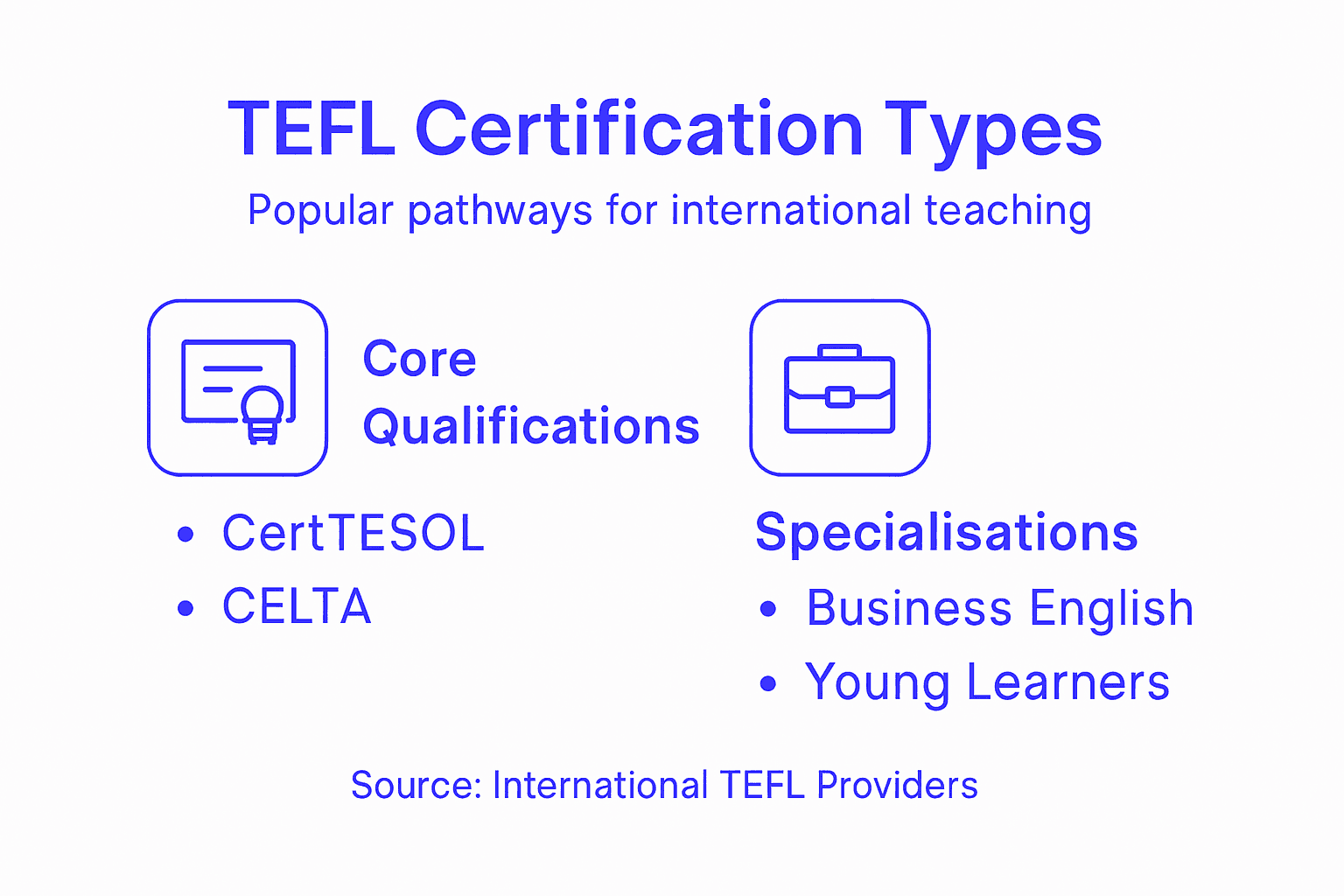
Are you looking for a gap year experience, or are you pursuing a long-term career in international education? For a gap year, a standard 120-hour online certificate may suffice. For a long-term career, investing in a Cambridge CELTA or a Trinity CertTESOL is recommended, as these are globally recognized as the gold standards of initial teacher training.
Step 2: Choose the Right Course Level and Duration
In the 2026 job market, the "120-hour" rule is the absolute minimum standard. Courses offering fewer hours are generally not recognized by reputable schools or for work visas.
Level 3 vs. Level 5 Qualifications
- Level 3 TEFL Courses: These are roughly equivalent to an A-Level or high school graduation level. They are suitable for volunteer positions or some online tutoring roles.
- Level 5 TEFL Courses: These are regulated by government bodies such as Ofqual in the UK. They are more in-depth, take longer to complete, and are preferred by schools offering higher salaries and benefits.
The Importance of the Practicum
A "practicum" is a component of observed teaching practice where you teach real students (not just your peers) while being evaluated by a qualified trainer. Many premium jobs in Europe and the Middle East require at least 6 to 20 hours of practicum. If your chosen course is entirely theoretical, you may find yourself excluded from certain high-paying markets.
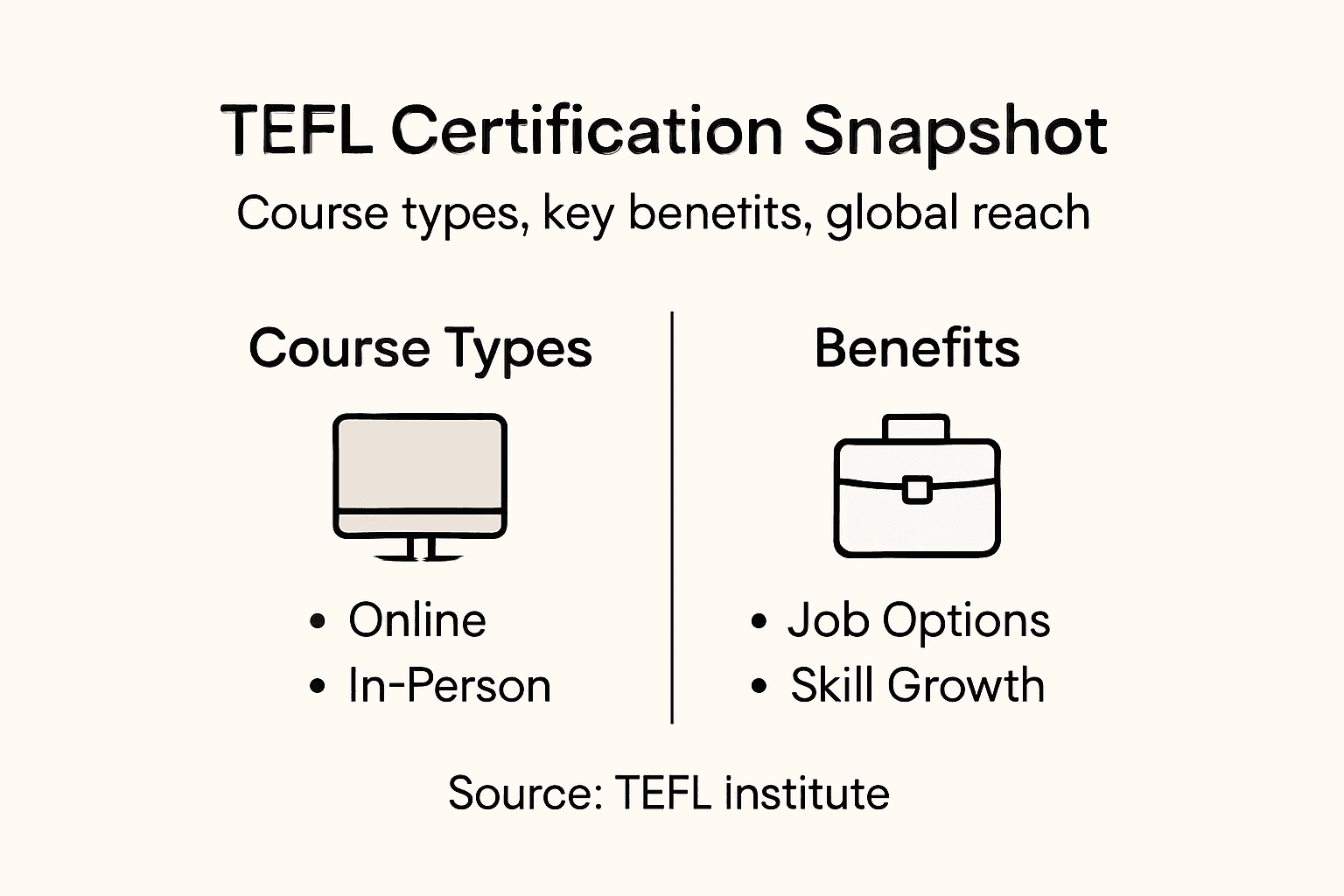
Step 3: Select a Delivery Method
How you study will impact both the cost and the depth of your training.
1. Online TEFL Courses
Online courses offer the most flexibility and are generally the most affordable. In 2026, many online programs have integrated AI-driven simulations to help trainees practice classroom management. These are ideal for those working full-time while studying. However, ensure the provider offers "tutor-supported" learning rather than a purely automated "click-through" experience.
2. In-Person (On-Site) Courses
These intensive programs usually last four weeks and take place in a classroom setting. The benefit is immediate feedback from trainers and the opportunity to complete your practicum in a real-world environment. Many people choose to take an in-person course in the country where they wish to work, which provides a head start on the local job search.
3. Hybrid Courses
Hybrid models combine online theory with a short (usually 2-5 day) intensive teaching weekend. This is often the best balance of cost and practical experience for those who cannot commit to a month-long in-person program.
Step 4: Verify Accreditation and Reputation
The TEFL industry is largely self-regulated, which unfortunately allows for "certificate mills" to exist. To ensure your certificate is valid for visa purposes and recognized by employers, verify the following:
- External Regulation: Does an independent government or academic body oversee the provider? Look for names like Ofqual (UK), DEAC (USA), or TQUK.
- Provider History: How long has the company been operating? Avoid providers that do not list a physical address or have no verifiable reviews on independent sites.
- Tutor Qualifications: Trainers should hold at least a Master’s degree in TESOL or a Delta/DipTESOL qualification.
| Feature | Budget Online Course | Accredited Level 5 Course | CELTA / CertTESOL |
|---|---|---|---|
| Typical Cost (2026) | $150 – $300 | $500 – $900 | $1,500 – $2,500 |
| Duration | 120 Hours | 168 – 200 Hours | 120 Hours (Intensive) |
| Practicum | Rarely included | Often optional/virtual | Mandatory (6+ hours) |
| Recognition | Basic/Online jobs | High (Schools/Visas) | Universal (Top tier) |
| Regulated By | Internal/Private | Ofqual/TQUK | Cambridge/Trinity |
Step 5: Complete the Coursework and Assessments
Once enrolled, you will progress through several core modules. Success in a TEFL course requires more than just knowing English; it requires understanding the mechanics of the language and how to transmit that knowledge.
Common Curriculum Modules
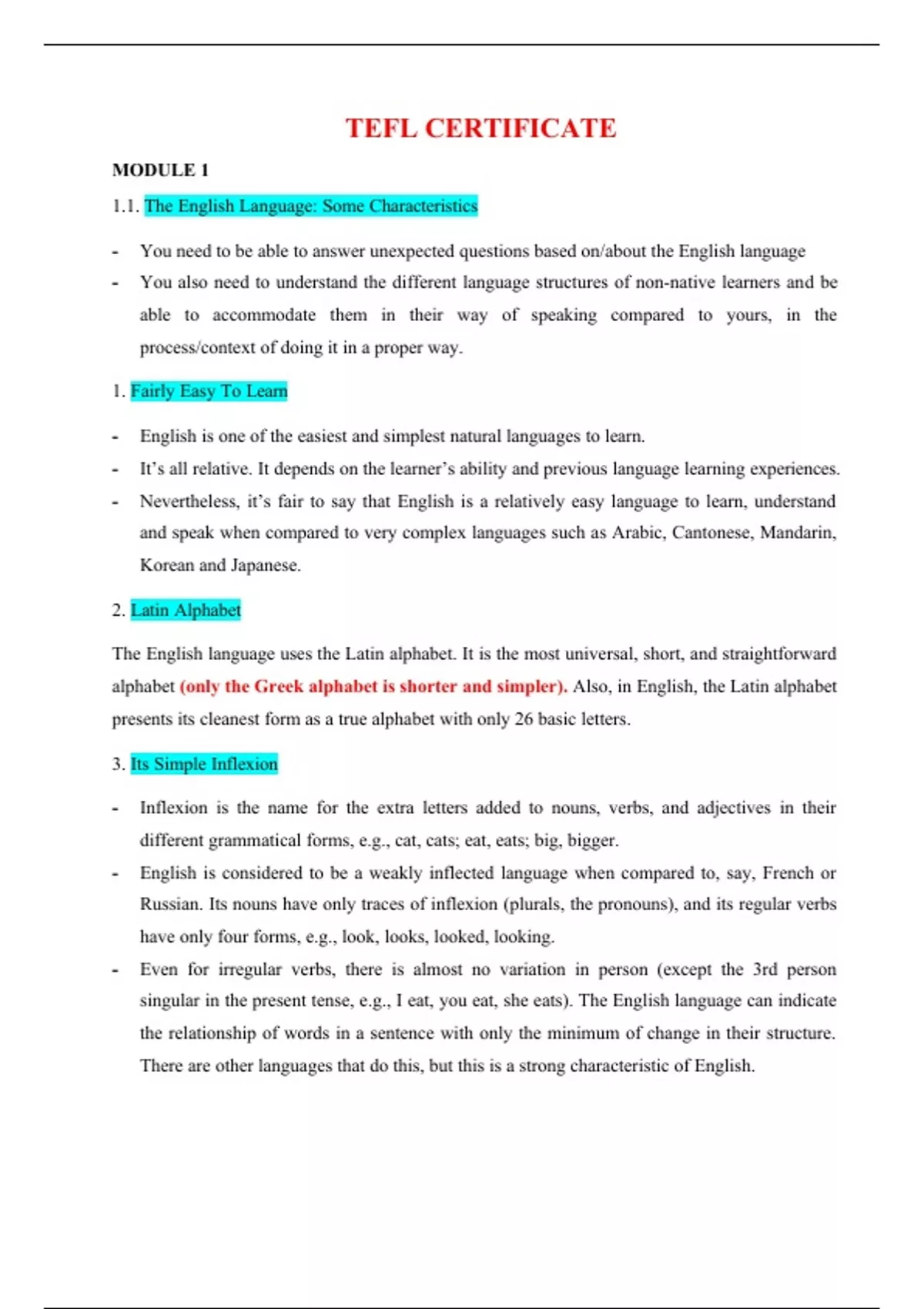
- Language Awareness: Refreshing your knowledge of English grammar, including tenses, aspects, and parts of speech.
- Pedagogy and Methodology: Learning about approaches like Communicative Language Teaching (CLT) or Task-Based Learning (TBL).
- Lesson Planning: Designing effective 45–60 minute lessons with clear objectives.
- Classroom Management: Techniques for managing different age groups, levels, and cultural backgrounds.
- Teaching the Four Skills: Specialized strategies for instruction in Reading, Writing, Listening, and Speaking.
Most courses culminate in a final project, which is usually a comprehensive lesson plan and a rationalization of your teaching choices. In Level 5 and CELTA programs, you will also undergo written assignments on language analysis and student needs.
Step 6: Finalize Certification and Legalization
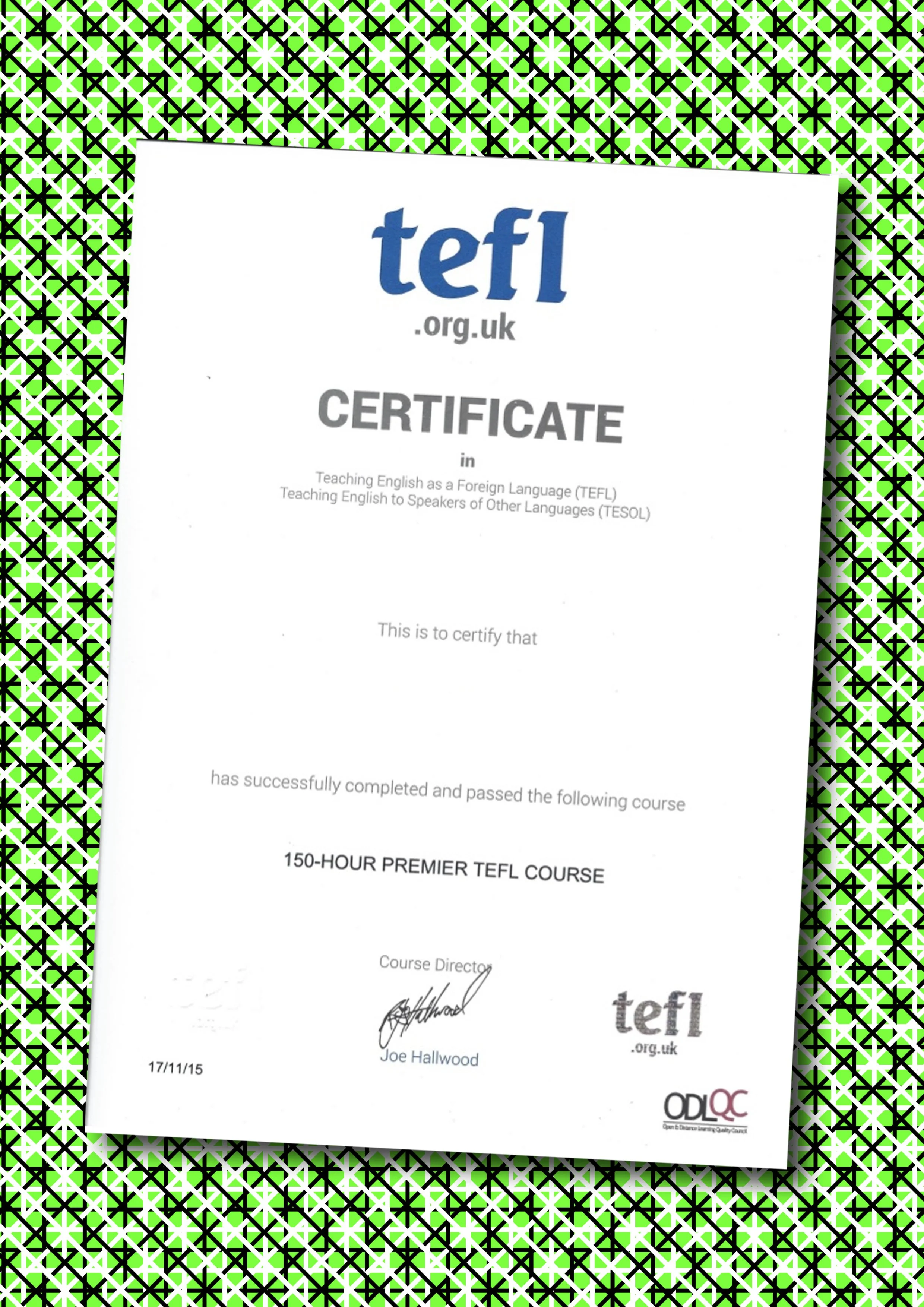
After passing your assessments, you will receive your certificate. However, for international work, the paper certificate is often not enough.
Apostilles and Notarization
If you plan to work in a country that is part of the Hague Convention, you will likely need to have your TEFL certificate apostilled. This is a form of international legalization that confirms the document's authenticity. For countries not in the Hague Convention (like China or Vietnam), you may need a multi-step process involving a local notary public, your national foreign office, and the destination country's embassy.
Always request a hard copy of your certificate. While many providers issue digital-only certificates, immigration officers almost universally require the physical, embossed, or stamped original for visa processing.
Common Mistakes to Avoid
- Buying "Life Experience" Certificates: Any "fast-track" certificate that claims to grant you a qualification based on your native-speaker status without any study is a scam. These will be rejected by reputable schools and visa offices.
- Ignoring the "120-Hour" Standard: Even if you find a cheaper 40-hour or 60-hour course, don't buy it. It will not meet the minimum requirements for the majority of professional teaching jobs.
- Underestimating the Workload: A high-quality Level 5 or CELTA course is academically rigorous. Expect to spend significant time on research and lesson preparation.
Frequently Asked Questions
Does a TEFL certificate expire?
No, a TEFL certificate does not have an expiration date. Once you have earned it, the qualification is yours for life. However, if you have a significant gap in your teaching history (e.g., more than 5-10 years), some employers may encourage you to take a "refresher" course to familiarize yourself with current technology and methodologies.
Can I get a TEFL certificate for free?
There are free introductory courses available, but they are generally not accredited and do not result in a certificate that is valid for work visas. If you are serious about teaching, you should view the certificate as an investment. Some "teach and travel" programs may reimburse your certification costs after you complete a contract, but you usually have to pay the upfront costs.
What is the difference between TEFL and CELTA?
CELTA (Certificate in Teaching English to Speakers of Other Languages) is a specific brand of TEFL certificate awarded by Cambridge University Press & Assessment. While all CELTAs are TEFL certificates, not all TEFL certificates are CELTAs. CELTA is more expensive and has a standardized curriculum worldwide, making it the most prestigious entry-level qualification in the field.
Is an online TEFL certificate valid for a visa?
In 2026, most countries accept online TEFL certificates for work visas, provided the course is at least 120 hours long and issued by a recognized, accredited body. However, some specific countries or high-end private schools may specifically request a certificate that includes "in-person" or "observed" teaching hours.
Do I need a TEFL certificate to teach English online?
While some platforms previously hired without certificates, the market has become highly competitive. Most reputable online teaching platforms now require at least a 120-hour TEFL certificate to ensure their tutors understand lesson structure and pedagogical basics.
Final Recommendation
For those entering the field in 2026, the most practical path is to enroll in an Ofqual-regulated Level 5 TEFL course with a minimum of 168 hours. This provides the best balance between affordability and international recognition. If you have the budget and aim to work in competitive European or Middle Eastern markets, the Cambridge CELTA remains the premier choice. Once you have your certificate in hand, your next step should be to have it notarized and begin your job search through reputable boards like Dave's ESL Cafe or TEFL.com.
Image Gallery