MUSC Endocrinology: Comprehensive Guide to Specialized Hormonal Care in 2026
MUSC Health Endocrinology provides specialized diagnostic and therapeutic care for hormonal imbalances, diabetes, and complex metabolic disorders throughout South Carolina. As a leading academic medical center in 2026, it offers patien...
MUSC Health Endocrinology provides specialized diagnostic and therapeutic care for hormonal imbalances, diabetes, and complex metabolic disorders throughout South Carolina. As a leading academic medical center in 2026, it offers patients access to cutting-edge clinical trials, advanced subspecialty clinics for thyroid and pituitary health, and integrated multidisciplinary teams for managing chronic endocrine conditions.
Contents
Clinical Specializations at MUSC Health Endocrinology
The Division of Endocrinology, Diabetes, and Metabolic Diseases at MUSC Health serves as a regional hub for patients requiring high-level expertise. In 2026, the clinical focus is divided into several high-density subspecialties, each utilizing the latest in diagnostic technology and evidence-based protocols.
Advanced Diabetes Management and Technology
Diabetes care at MUSC goes beyond routine glucose monitoring. The program specializes in the management of Type 1, Type 2, and gestational diabetes using a team-based approach that includes board-certified endocrinologists, certified diabetes care and education specialists (CDCES), and registered dietitians. In 2026, the focus has shifted heavily toward the integration of automated insulin delivery systems and real-time continuous glucose monitoring (CGM) data analytics to prevent long-term complications such as nephropathy and retinopathy.
Thyroid and Parathyroid Disorders
The Thyroid Center at MUSC is a high-volume facility specializing in thyroid nodules, hyperthyroidism, hypothyroidism, and thyroid cancer. Specialists utilize in-office high-resolution ultrasound and fine-needle aspiration (FNA) biopsies. For complex thyroid malignancies, the team collaborates with head and neck surgeons and nuclear medicine experts to provide radioactive iodine (RAI) therapy and targeted molecular therapies.
Bone and Mineral Metabolism
Addressing osteoporosis and metabolic bone disease is a critical component of the 2026 clinical landscape. MUSC providers utilize advanced dual-energy X-ray absorptiometry (DXA) scanning and provide infusion services for latest-generation monoclonal antibodies and bone-building agents. This department is essential for patients with primary hyperparathyroidism or rare mineral disorders like hypophosphatasia.
Pituitary and Adrenal Health
The Pituitary and Adrenal Program manages tumors and functional disorders of the "master gland" and adrenal cortex. Treatment often involves a neuro-endocrinology approach, where endocrinologists work alongside neurosurgeons for transsphenoidal surgeries or medical management of conditions like Cushing’s syndrome, acromegaly, and adrenal insufficiency (Addison’s disease).
Navigating the 2026 Patient Journey and Referrals
Accessing specialized care at an academic institution like MUSC requires a structured approach to ensure patients are matched with the correct subspecialist.
- Primary Care Consultation: Most patients begin with their Primary Care Physician (PCP) to establish the need for specialty intervention through initial lab work (e.g., TSH, A1c, or Cortisol levels).
- Referral Submission: PCPs submit a formal referral to the MUSC Health Endocrinology central scheduling office. This ensures that previous medical records and diagnostic images are reviewed prior to the first appointment.
- Pre-Visit Diagnostic Testing: To maximize the efficiency of the 2026 consultation, patients are often directed to complete specific laboratory panels at an MUSC-affiliated lab 72 hours before their visit.
- Multidisciplinary Evaluation: During the initial visit, patients may meet with multiple team members, including fellows, attending physicians, and specialized nurses, to develop a comprehensive 2026 treatment plan.
Insurance Coverage and Network Participation in 2026
MUSC Health maintains extensive contracts with major insurance carriers, but patient responsibility often depends on the specific plan type. For 2026, it is vital to distinguish between commercial, government, and managed care plans.
| Insurance Carrier / Plan Type | Network Status at MUSC Health | Requirements & Notes |
|---|---|---|
| BlueCross BlueShield of SC | In-Network (Preferred) | Covers most endocrine and diabetic supplies. |
| UnitedHealthcare (Commercial) | In-Network | Prior authorization required for brand-name CGMs. |
| Original Medicare (Part B) | Accepted | Standard 20% coinsurance applies without Medigap. |
| Medicare Advantage (PPO) | Generally Accepted | Most out-of-state PPOs are treated as in-network. |
| Medicare Advantage (HMO) | Restricted / In-Network | Mandatory: Must have a designated MUSC or affiliated PCP. |
| Aetna / Cigna (PPO) | In-Network | Coverage for specialty biologics requires step therapy. |
| Medicaid (Healthy Connections) | Accepted | Managed through specific SC MCOs; referral mandatory. |
| Humana | In-Network | High-tier plans cover advanced insulin pump therapy. |
Key Operational Requirement for HMO Patients
Patients enrolled in third-party Medicare Advantage HMOs or commercial HMO plans must verify that their policy allows for specialty care at a University hospital system. If the plan requires a designated Primary Care Physician (PCP), that physician must issue a formal electronic authorization through the payer's portal before the endocrinology appointment can be finalized. Failure to secure this authorization may result in the patient being responsible for the full "Self-Pay" rate.
Specialized Centers of Excellence
MUSC Health operates several centers that focus on specific pathologies, ensuring that patients receive care from providers who see a high volume of similar cases.
The Metabolic and Weight Management Center
This center addresses the intersection of obesity and endocrine dysfunction. In 2026, the center offers a combination of medical weight management—utilizing the latest GLP-1 and GIP receptor agonists—and surgical options through the bariatric surgery team. The focus is on reversing metabolic syndrome and improving insulin sensitivity.
Transgender Health Services
MUSC provides comprehensive gender-affirming hormone therapy (GAHT). This service is integrated with the endocrine division to ensure safe, monitored transition care that adheres to the latest WPATH (World Professional Association for Transgender Health) standards and Endocrine Society guidelines.
Pediatric to Adult Transition Care
The Shawn Jenkins Children’s Hospital endocrinology team works closely with the adult division to ensure that adolescent patients with Type 1 diabetes or congenital adrenal hyperplasia transition seamlessly to adult providers by age 21, preventing gaps in care that can lead to acute hospitalizations.
Comparison: Academic vs. Community Endocrine Care
Choosing between an academic center like MUSC and a private community endocrinologist depends on the complexity of the condition.
| Feature | MUSC Health (Academic) | Community Private Practice |
|---|---|---|
| Diagnostic Access | In-house molecular testing and PET/CT. | Often requires third-party imaging centers. |
| Treatment Depth | Access to Phase I-III clinical trials. | Standard-of-care FDA-approved therapies only. |
| Wait Times | Can be longer for non-urgent cases. | Often provides faster initial scheduling. |
| Care Coordination | Seamless sharing between specialists (Epic EMR). | May require manual faxing of records. |
| Provider Type | Attendings, Fellows, and Residents. | Usually single attending or PA/NP. |
Advanced Technology and Research Initiatives
As of 2026, MUSC Health remains at the forefront of endocrine research. The Health Sciences Foundation supports ongoing studies in islet cell transplantation and the genetic markers of thyroid carcinoma.
- Closed-Loop Systems: MUSC is a primary site for testing next-generation "artificial pancreas" technology that requires zero user input for carbohydrate counting.
- Molecular Markers: The use of Afirma and ThyroSeq genomic sequencing for thyroid nodules has significantly reduced the number of unnecessary thyroidectomies at MUSC.
- Telehealth Integration: For 2026, stable patients can utilize remote patient monitoring (RPM) where their CGM and pump data are pushed directly into their electronic medical record for monthly review by the endocrine team.
Practical Advice for Managing Endocrine Health
Managing a hormonal disorder is a lifelong commitment that requires proactive communication with your medical team.
- Keep a Symptom Log: For thyroid and adrenal patients, tracking energy levels, weight changes, and heart rate can help the provider fine-tune medication dosages.
- Verify Lab Requirements: Many endocrine labs, such as morning cortisol or fasting glucose, must be drawn at specific times. Always confirm "fasting" status with the MUSC lab.
- Utilize the MyChart Portal: In 2026, the fastest way to receive lab results and request prescription refills at MUSC Health is through the Epic MyChart application.
Frequently Asked Questions
Does MUSC Health Endocrinology accept new patients without a referral?
No, in most cases, a referral from a primary care provider is required to schedule an appointment. This ensures that the specialized team has the necessary background information to provide an appropriate level of care and that insurance authorizations are in place before the visit.
Where are the main MUSC Endocrinology clinics located in 2026?
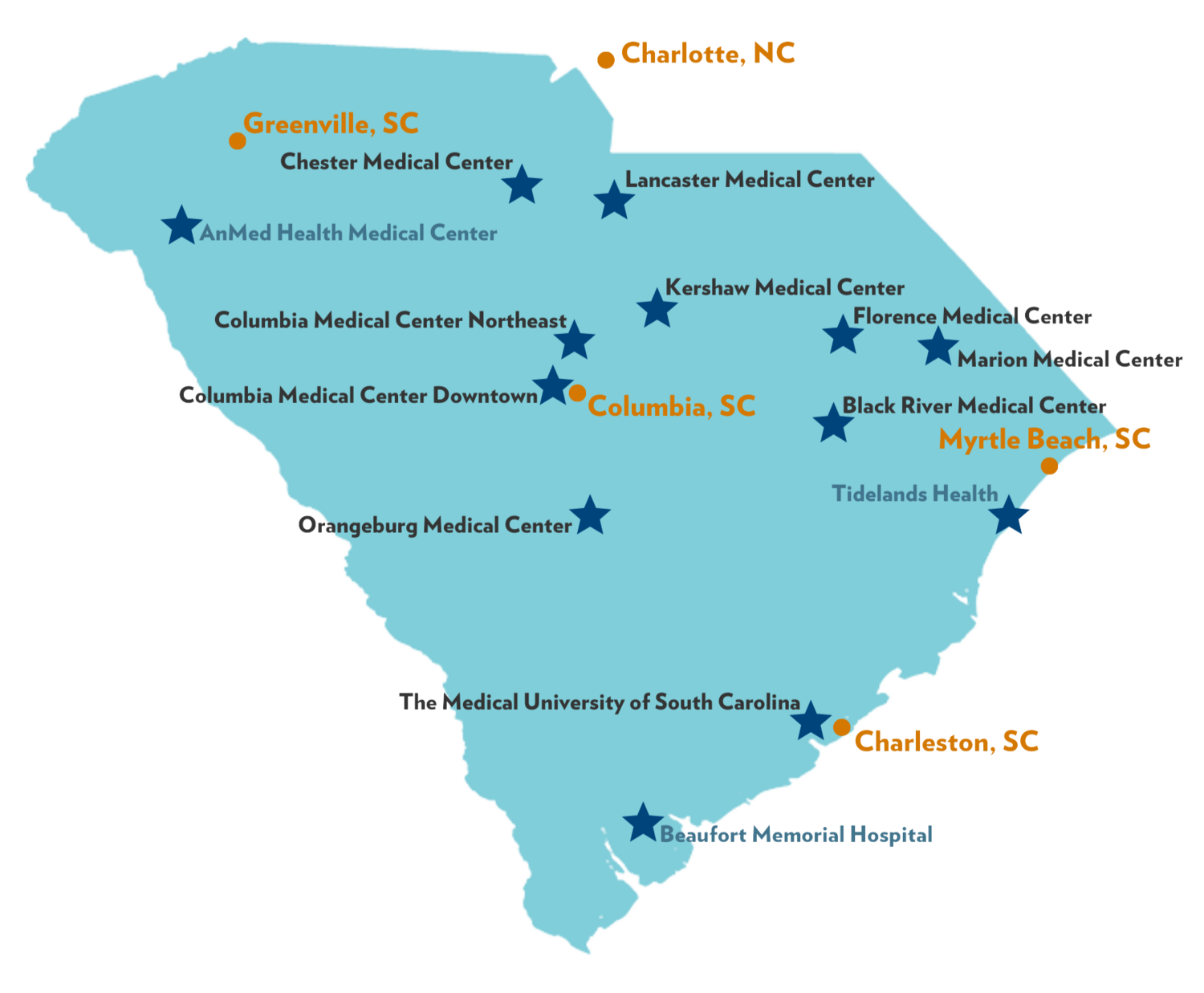
The primary endocrine clinics are located at Rutledge Tower in downtown Charleston, but MUSC Health has expanded its footprint. Specialist services are also available at regional hubs in Mount Pleasant, West Ashley, Columbia, and Florence, providing statewide access to academic-level care.
How does MUSC handle emergency endocrine issues like DKA or Adrenal Crisis?
Acute endocrine emergencies are managed through the MUSC Health Emergency Departments. The on-call endocrine fellow and attending physician provide 24/7 consultation for hospitalized patients, ensuring that specialized management begins immediately upon admission.
Are clinical trials available for diabetes at MUSC?
Yes, MUSC is a major site for clinical research involving new insulin formulations, glucose-sensing technologies, and therapies aimed at preserving beta-cell function in newly diagnosed Type 1 diabetics. Patients can inquire about active trials during their standard consultation.
What should I bring to my first endocrinology appointment at MUSC?
Patients should bring their current insurance card, a list of all medications (including dosages), any recent laboratory results from outside labs, and their glucose meter or insulin pump for data downloading. If you have had thyroid imaging elsewhere, bringing the actual CD of images is highly recommended.
For patients seeking the highest standard of hormonal and metabolic care in South Carolina, MUSC Health Endocrinology offers an unmatched combination of clinical expertise, technological innovation, and research-driven treatment. By leveraging the resources of an academic medical center, patients can manage complex conditions with a focus on long-term wellness and the prevention of complications. To begin your care journey, consult with your primary care physician regarding a referral to the MUSC Health endocrine team.
Image Gallery