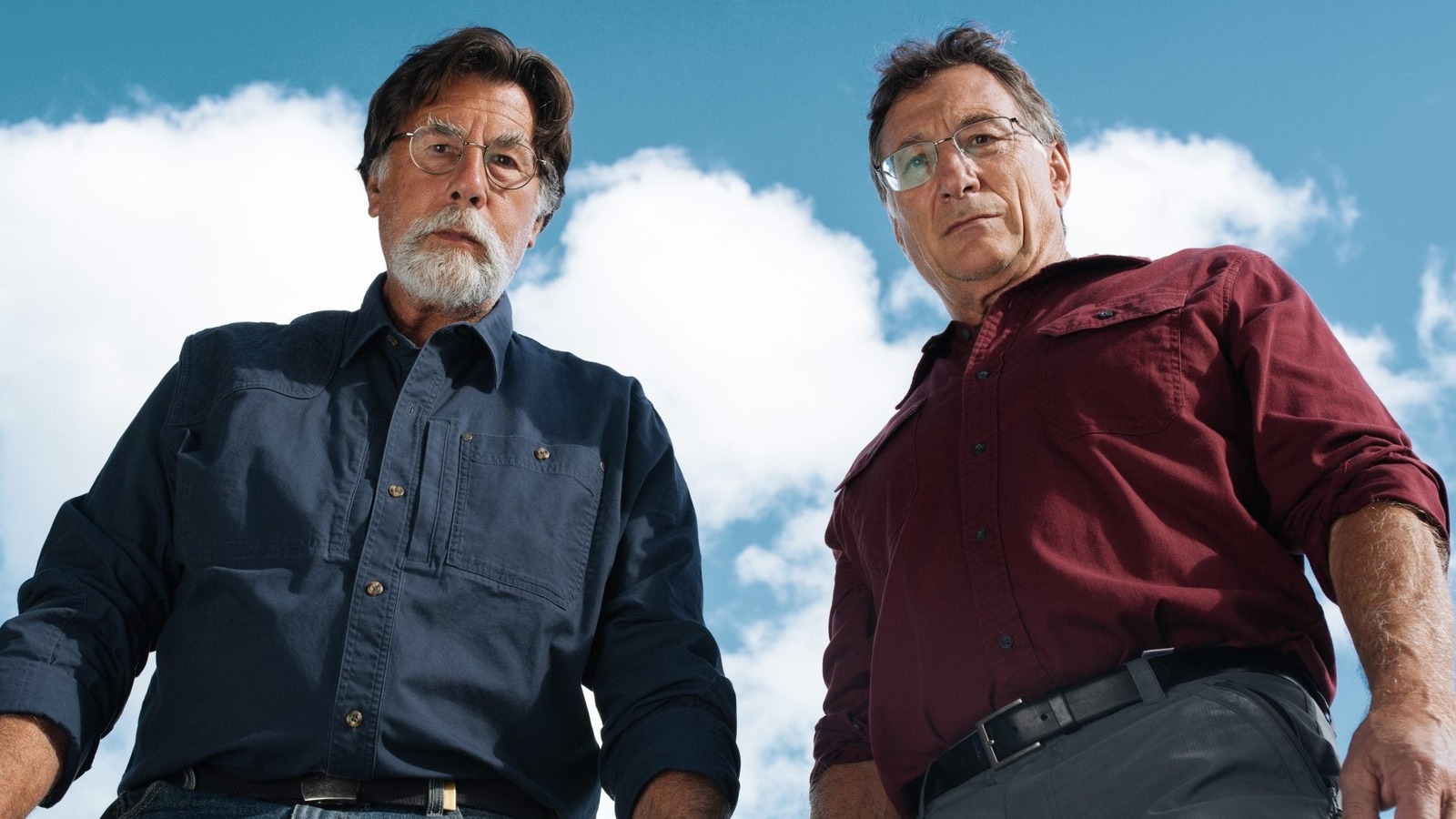
Rick and Marty Lagina’s Net Worth Before Oak Island: A Fact Profile
Before the 2014 debut of The Curse of Oak Island, Marty Lagina was an established multi-millionaire with a net worth estimated between $60 million and $100 million, primarily generated from the sale of his energy company, Terra Energy....
Before the 2014 debut of The Curse of Oak Island, Marty Lagina was an established multi-millionaire with a net worth estimated between $60 million and $100 million, primarily generated from the sale of his energy company, Terra Energy. Rick Lagina, a retired U.S. Postal Service worker, held a more modest net worth rooted in civil service savings and joint investments with his brother.
Contents
The story of the Lagina brothers is often framed as a quest for buried treasure, but the financial engine that powered their multi-decade search was built long before television cameras arrived in Nova Scotia. While the public knows them as reality TV stars, their pre-fame profile is a study in Midwestern entrepreneurship, engineering expertise, and strategic asset liquidation. This profile examines the specific business ventures, career paths, and financial milestones that allowed the brothers to acquire a controlling interest in Oak Island in 2006.
The Foundation of Marty Lagina’s Wealth: Terra Energy
The most significant contributor to the Lagina family's "war chest" was Marty Lagina’s success in the American energy sector. After graduating from Michigan Technological University in 1977 with a degree in Mechanical Engineering and subsequently earning a Juris Doctorate from the University of Michigan in 1982, Marty combined technical skill with legal strategy to enter the oil and gas industry.
In the early 1980s, Marty founded Terra Energy. At the time, the industry was undergoing a shift toward more localized, independent exploration. Terra Energy specialized in extracting natural gas from shale deposits, particularly in the Michigan area. This was a precursor to the modern "fracking" boom, and Marty was an early adopter of technologies that allowed for the extraction of resources previously thought too difficult or expensive to reach.
By the mid-1990s, Terra Energy had become a major player in the Midwestern gas market. In 1995, Marty sold the company to CMS Energy for a reported $58 million. This liquidity event transformed Marty from a successful business owner into a high-net-worth individual capable of funding large-scale speculative projects. It is this specific capital infusion that later permitted the brothers to invest millions into the "Money Pit" without the immediate need for outside investors or television revenue.
Rick Lagina: The Visionary with a Civil Service Background
In contrast to Marty’s high-stakes entrepreneurial path, Rick Lagina followed a more traditional career in public service. Rick spent several decades working for the United States Postal Service (USPS). While his professional career did not yield the multi-million dollar payouts seen in the energy sector, Rick’s financial stability and eventual retirement provided him with the time and foundational security to dedicate himself to the Oak Island mystery.
Rick’s "net worth" before the show is often misunderstood. While he did not possess the liquid capital of his younger brother, he was an equal partner in the intellectual and emotional pursuit of the island. Following his retirement from the USPS, Rick’s involvement in their joint business ventures—including the holding companies used to purchase Oak Island—increased his personal equity. His contribution was less about the initial capital and more about the management of the search's logistical and historical aspects.
Diversification: Heritage Sustainable Energy and Mari Vineyards
Even after the sale of Terra Energy, Marty Lagina did not remain idle. He continued to grow his net worth through diversification into green energy and agriculture. These ventures were well-established and profitable long before History Channel began filming.
Heritage Sustainable Energy
Marty founded Heritage Sustainable Energy in 2004. This company focused on wind power, capitalizing on the growing demand for renewable energy sources. Heritage became one of the leading providers of wind energy in Michigan, operating massive turbine farms. This business provided a steady stream of recurring revenue, which supported the ongoing expenses of the Oak Island excavation, which can cost upwards of millions of dollars per season for heavy machinery and expert consultants.
Mari Vineyards
In 1999, Marty ventured into viticulture, founding Mari Vineyards in Traverse City, Michigan. This was not merely a hobby; it was a sophisticated commercial operation. Marty used his engineering background to create a unique growing environment using "Nellie’s Tents"—plastic covers that warmed the vines, allowing Italian grape varieties to grow in the cooler Michigan climate. By the time The Curse of Oak Island premiered, Mari Vineyards was a premium brand with a multi-million dollar tasting room and extensive acreage.
The 2006 Acquisition: Purchasing the Island
The most critical financial move regarding Oak Island occurred in 2006, eight years before the TV show existed. Rick and Marty Lagina, along with partners like Craig Tester, formed Oak Island Tours Inc. They purchased a 50% stake in the island from David Tobias, a long-time treasure hunter who was looking to exit the venture.
The cost of this acquisition and the subsequent permits required significant upfront capital. It is estimated that the brothers spent several million dollars in the "pre-show" era (2006–2013) on initial drilling, surveying, and property maintenance. This expenditure was funded entirely by Marty's previous business successes, proving that their net worth was a prerequisite for the hunt, not a result of it.
Comparative Financial Profile Before 2014
The following table outlines the primary sources of wealth and business interests held by the Lagina brothers prior to their television debut.
| Entity/Asset | Primary Stakeholder | Industry | Financial Impact |
|---|---|---|---|
| Terra Energy | Marty Lagina | Oil & Natural Gas | Sold for $58M in 1995; primary wealth source. |
| USPS Pension | Rick Lagina | Government Service | Provided long-term retirement security. |
| Heritage Sustainable Energy | Marty Lagina | Renewable Energy | Established in 2004; high recurring revenue. |
| Mari Vineyards | Marty Lagina | Agriculture/Viticulture | Founded in 1999; significant land and brand value. |
| Oak Island Tours Inc. | Rick & Marty | Real Estate/Tourism | Purchased 50% stake in 2006. |
| BWWC (Black Bear Bottling) | Marty Lagina | Manufacturing | Ownership stake in a specialized bottling facility. |
Why Their Pre-Show Wealth Mattered
The financial independence of the Lagina brothers changed the nature of the Oak Island search. Previous searchers, from the Onslow Company in the 1800s to Robert Restall in the 1960s, often failed because they ran out of money or were forced to answer to impatient investors.
- Technological Investment: Marty’s wealth allowed the brothers to employ LIDAR, sonic drilling, and deep-earth scanning technologies that were financially out of reach for previous treasure hunters.
- Environmental Compliance: Modern treasure hunting requires extensive environmental permits and restoration work. The Laginas’ ability to post bonds and hire environmental consultants was funded by their Michigan business profits.
- Negotiation Leverage: Because they were not desperate for funding, they were able to negotiate favorable terms with the History Channel (A&E Networks), ensuring they retained control over the search rather than being mere "talent" on a production.
Common Misconceptions About Their Finances
A frequent misconception is that the Lagina brothers became wealthy because of the reality show. While the show is highly profitable and the brothers receive significant appearance fees (estimated in the hundreds of thousands per episode by 2026 standards), the show was actually an extension of an existing, self-funded hobby.
Another misconception is that Rick Lagina was "funded" entirely by Marty. While Marty provided the bulk of the liquid capital for the 2006 purchase, Rick has been a co-owner and active manager of their joint ventures. The brothers operate as a partnership, with Rick managing the historical research and daily operations on the island, while Marty provides the corporate structure and engineering oversight.
Frequently Asked Questions
How much did Marty Lagina make from selling Terra Energy?
Marty Lagina sold Terra Energy to CMS Energy in 1995 for approximately $58 million. After taxes and settling with any minority partners, this provided him with the primary capital used to fund later ventures like Heritage Sustainable Energy and the Oak Island search.
Was Rick Lagina a millionaire before the show?
While Rick Lagina did not have a multi-million dollar business sale like his brother, his net worth was significantly higher than the average retiree due to his partnership in the various Lagina family businesses. By the time the show started, his equity in Oak Island and other family holdings likely put his net worth in the low millions.
Who is the richer brother?
Marty Lagina is significantly wealthier. His background as an engineer and lawyer allowed him to found and sell a major energy company and build a successful renewable energy firm. Most estimates place Marty’s net worth at 10 to 20 times that of Rick’s.
Did they own Oak Island before the TV show started?
Yes. Rick and Marty Lagina, along with their business partners, purchased a controlling interest (50%) in Oak Island in 2006. The History Channel show The Curse of Oak Island did not premiere until 2014, meaning they had been self-funding the operation for eight years prior to television involvement.
What is Mari Vineyards worth?
While private company valuations are difficult to pinpoint, Mari Vineyards consists of over 80 acres of prime Michigan real estate and a high-end production facility. In 2026, similar vineyard estates in the Old Mission Peninsula region are valued between $15 million and $25 million.
Final Considerations for Researchers
When evaluating the "fact profile" of the Lagina brothers, it is essential to distinguish between their reality TV personas and their corporate identities. Marty Lagina’s career in the energy sector is the true catalyst for the modern search. For those looking to understand the mechanics of the Oak Island search, focusing on the 1995 sale of Terra Energy provides the clearest explanation of how the mystery finally met the necessary capital to be explored with 21st-century technology.
Image Gallery