How Much is Rent in the Projects? A Guide to Public Housing Costs in 2026
Rent in public housing, often colloquially referred to as "the projects," is primarily determined by a household's income rather than a fixed market rate. In 2026, the standard calculation remains 30% of a household’s monthly adjusted...
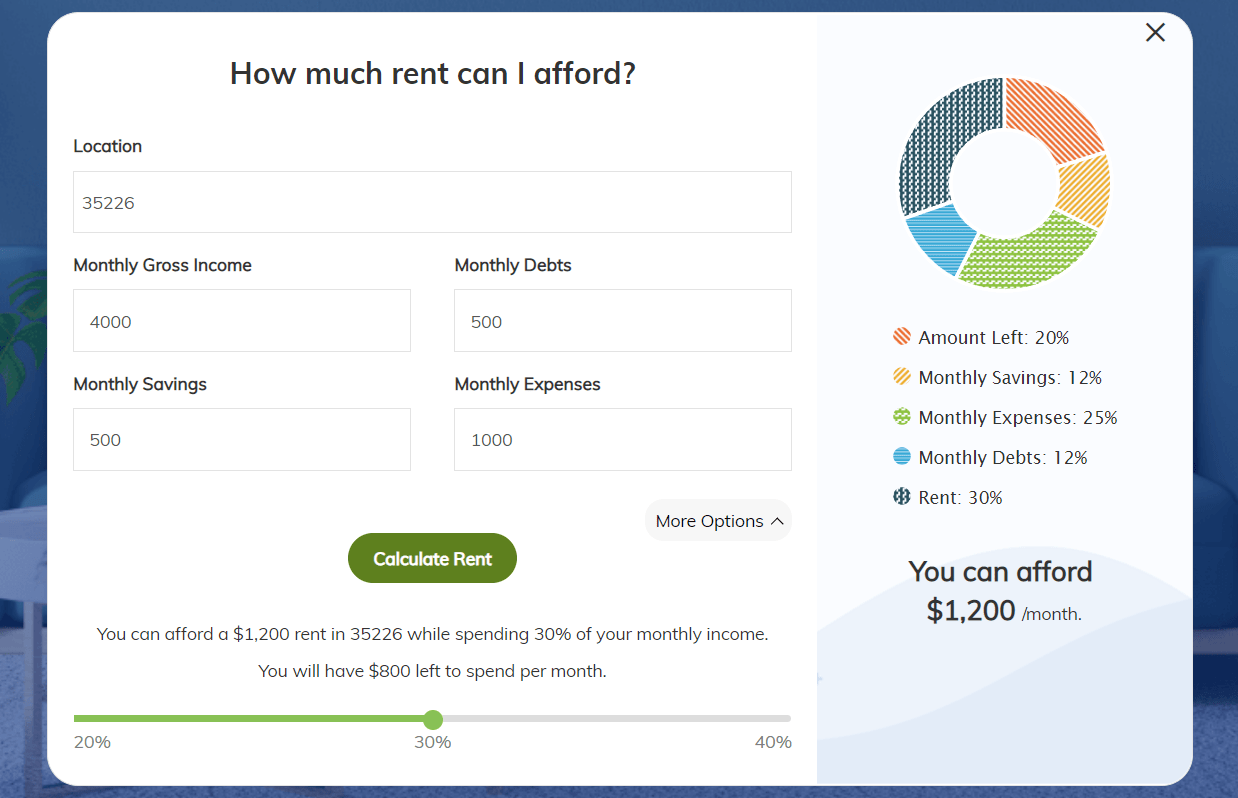
Rent in public housing, often colloquially referred to as "the projects," is primarily determined by a household's income rather than a fixed market rate. In 2026, the standard calculation remains 30% of a household’s monthly adjusted gross income. This ensures that housing remains affordable for low-income families, the elderly, and persons with disabilities.
Contents
Public housing was established to provide decent and safe rental housing for eligible low-income families, the elderly, and persons with disabilities. Managed by local Public Housing Authorities (PHAs) and funded by the U.S. Department of Housing and Urban Development (HUD), these units vary in size and type, ranging from scattered single-family houses to high-rise apartments. While the term "projects" has historical and social weight, the technical financial structure governing these units is strictly regulated by federal law.
The 30% Rule: How Rent is Calculated
The most critical factor in determining how much rent you pay in public housing is your Adjusted Gross Income (AGI). Under federal guidelines, most tenants pay the highest of the following three amounts:
- 30% of the household’s monthly adjusted income (gross income minus allowed deductions).
- 10% of the household’s monthly gross income.
- Welfare rent, if the household receives public assistance and a specific part of that assistance is designated for housing costs.
Defining Adjusted Income
To calculate your rent, the PHA does not simply look at your total paycheck. They calculate your "adjusted" income by taking your total annual income and subtracting specific deductions. As of 2026, standard deductions typically include:
- Dependent Deduction: A fixed amount (currently approximately $480) for each family member who is under 18, a full-time student, or a person with a disability.
- Elderly or Disabled Family Deduction: A standard deduction (currently approximately $525) for any family whose head of household or spouse is at least 62 years of age or has a disability.
- Medical Expenses: For elderly or disabled families, unreimbursed medical expenses that exceed 3% of annual income can often be deducted.
- Childcare Expenses: Reasonable costs for the care of children under 13 that enable a family member to work or go to school.
Minimum Rent and Flat Rent Options
While the 30% rule is the standard, there are two other figures that may influence your monthly payment: Minimum Rent and Flat Rent.
Minimum Rent
PHAs have the authority to establish a "minimum rent" for households that have little to no income. This amount is usually between $0 and $50 per month. If the 30% calculation results in an amount lower than the PHA’s established minimum, the tenant must pay the minimum unless they qualify for a financial hardship exemption. Hardship exemptions may apply if the family has lost eligibility for federal or state assistance or is at risk of eviction.
Flat Rent (Market-Based Option)
Once a year, PHAs offer families the choice between "Income-Based Rent" (the 30% rule) and "Flat Rent." Flat rent is based on the market value of the unit. This is beneficial for households whose income has increased significantly. If 30% of your income is $1,200, but the flat rent for your apartment is $800, choosing the flat rent option saves you $400 monthly. PHAs are required to update flat rent schedules annually to ensure they stay in line with local market conditions.
Income Limits and Eligibility in 2026
To qualify for public housing, your family's income must not exceed specific limits set by HUD. These limits are categorized into three tiers based on the Median Family Income (MFI) for your specific metropolitan area or county:
- Low-income: 80% of the area median income.
- Very low-income: 50% of the area median income.
- Extremely low-income: 30% of the area median income.
By law, PHAs must provide at least 40% of their newly available public housing units to families with "extremely low" incomes. In 2026, these limits have been adjusted to reflect current economic shifts, making it essential to check the HUD User Income Limits documentation for your specific zip code.
Utility Allowances and Total Tenant Payment
In many public housing developments, the "rent" includes the cost of utilities (water, electricity, heat). However, if the utilities are not included in the rent and you pay the utility provider directly, the PHA provides a Utility Allowance.
The Utility Allowance is an estimate of the monthly cost of reasonable utility consumption for your unit type. This allowance is subtracted from your rent payment. For example, if your calculated rent (30% of income) is $400 and your utility allowance is $100, you pay $300 to the PHA. If you are extremely frugal and only use $80 of utilities, you keep the $20 difference. If you exceed the allowance, you are responsible for the overage.
Comparison of Housing Costs: Public Housing vs. Other Subsidies
It is common to confuse "the projects" (Public Housing) with Section 8 (Housing Choice Vouchers). While both often use the 30% income rule, the structure of the payment differs.
| Feature | Public Housing (The Projects) | Section 8 (Vouchers) | Market Rate Housing |
|---|---|---|---|
| Rent Calculation | 30% of adjusted income | 30% of adjusted income | Fixed by landlord/market |
| Unit Location | Owned/Managed by PHA | Private rentals | Private rentals |
| Utility Costs | Often included or subsidized | Tenant-paid (with allowance) | Tenant-paid |
| Waitlist Length | Often 2–5 years | Often 3–10 years | Usually immediate |
| Transferability | Tied to the specific unit | Portable (can move units) | Portable (with new lease) |
Income Recertification: When Rent Changes
Rent in public housing is not permanent. Because it is tied to your income, the PHA must conduct an Annual Recertification. During this process, you must provide documentation of all income sources, assets, and family composition.
- Income Increases: If you get a raise or a higher-paying job, your rent will typically increase at the next recertification (or sooner, depending on the PHA's "interim" reporting policies).
- Income Decreases: If you lose your job or your hours are cut, you can request an Interim Recertification. The PHA will re-calculate your rent based on your new, lower income, often reducing your rent within 30 days.
- Changes in Family Composition: If a family member moves out, your deductions might decrease, potentially raising your rent. Conversely, adding a dependent could lower your rent through additional deductions.
Common Mistakes and Compliance Issues
Navigating the public housing system requires strict adherence to reporting rules. Failure to accurately report income can lead to "back-rent" charges or eviction.
- Underreporting Income: Failing to report a side job or a new adult in the household with an income is considered fraud. PHAs use the Enterprise Income Verification (EIV) system to cross-reference reported income with Social Security and Department of Labor records.
- Missing Recertification Deadlines: If you fail to turn in your paperwork on time, the PHA may charge you the "Flat Rent" (the highest possible amount) or terminate your lease.
- Unauthorized Guests: Most public housing leases have strict limits on how long a guest can stay (usually no more than 14 days per year). If an unauthorized person is found living in the unit, the PHA may assume they have an income that has not been reported.
Legal and Financial Protections
While rent is subsidized, tenants in public housing have specific rights under the U.S. Housing Act.
- Grievance Procedures: If you disagree with how your rent was calculated or if the PHA denies a deduction, you have the right to a formal grievance hearing.
- Reasonable Accommodation: If a disability requires you to have a larger unit or specific modifications, the PHA must accommodate these needs if they are reasonable and do not pose an undue financial burden.
Note: The information provided in this article is for educational purposes regarding federal housing policy in 2026. Housing laws can vary significantly by state and local jurisdiction. For specific legal or financial advice regarding a lease or rental dispute, consult a licensed attorney or a local legal aid organization.
Frequently Asked Questions
Can my rent be $0 in the projects?
Yes, in some cases. If your PHA has a $0 minimum rent policy and your household has no adjusted income, your rent can be $0. However, most PHAs set a minimum rent of $25 to $50. If you cannot afford the minimum due to extreme circumstances, you can apply for a hardship exemption.
What happens if I get a high-paying job while living in public housing?
Under the "Housing Opportunity Through Modernization Act" (HOTMA), which is fully implemented by 2026, there are limits on how much income a family can have while staying in public housing. If your income exceeds 120% of the Area Median Income for two consecutive years, the PHA may require you to pay a higher "Alternative Rent" or, in some jurisdictions, may terminate your tenancy to make room for lower-income families.
Does the rent change if my kids turn 18?
Yes. Once a child turns 18, they are no longer considered a "dependent" for the $480 deduction unless they are a full-time student or have a disability. Furthermore, their income (if they are working) may be factored into the household’s total gross income, which could increase the overall rent.
Is the rent different for senior citizens?
The calculation formula (30%) remains the same, but senior households often qualify for more deductions. Specifically, the "Elderly Family Deduction" and the ability to deduct medical expenses can result in a lower adjusted income, which in turn leads to a lower monthly rent payment compared to a non-elderly household with the same gross income.
Who determines the "market value" for flat rents?
The PHA determines flat rents by looking at comparable private-market apartments in the surrounding area. They must consider the location, quality, size, unit type, and age of the public housing unit compared to similar private units. HUD requires these flat rents to be no less than 80% of the Fair Market Rent (FMR).
Next Actions for Prospective Tenants
If you are looking to secure housing or need to verify your current rent calculation:
- Locate your PHA: Visit the HUD website to find the contact information for your local Public Housing Authority.
- Request the Admissions and Continued Occupancy Policy (ACOP): This document outlines the specific rent-setting and minimum-rent policies for your local agency.
- Prepare Documentation: Keep organized records of all pay stubs, social security award letters, and receipts for childcare or medical expenses to ensure your adjusted income is calculated accurately.
Image Gallery