The Definitive Guide to Choosing a Free Music Listening App in 2026
Finding the right free music listening app in 2026 requires balancing audio quality, data consumption, and the intrusiveness of advertisements against your library preferences. Most legitimate services utilize an ad-supported model to...
Finding the right free music listening app in 2026 requires balancing audio quality, data consumption, and the intrusiveness of advertisements against your library preferences. Most legitimate services utilize an ad-supported model to compensate rights holders, meaning the trade-off for zero subscription fees is typically periodic audio interruptions and limited skip functionality on mobile platforms.
Contents
Understanding the Economics of Free Streaming Services
To provide free access to millions of songs, platforms rely on a business model known as ad-supported streaming. By 2026, these services have standardized their approach to licensing, where they pay royalties to labels and songwriters based on the number of streams generated by unpaid users.
When you choose a free music app, you are agreeing to a user experience shaped by specific constraints:
- Audio Bitrate Capping: Most free tiers limit audio streaming to 128kbps or 160kbps, whereas premium tiers offer 256kbps or lossless 1,411kbps.
- Ad Load: Expect non-skippable audio advertisements every 15 to 30 minutes of continuous playback.
- Playback Restrictions: Mobile apps often force "Shuffle Mode" for artist-specific or album-specific playback, preventing you from selecting a specific song to play on demand.
- Offline Limitations: True "free" tiers rarely allow for local file downloading or offline listening, as this feature is reserved for subscription-based tiers to ensure digital rights management (DRM) compliance.
Technical Specifications and Performance Metrics
Before selecting an app, users should consider the technical infrastructure of the platform. Streaming music relies on stable internet connectivity and efficient data management. By 2026, the industry standard for mobile data usage on "Normal" quality settings (roughly 96kbps) is approximately 40MB per hour, while "High" quality (160kbps) consumes roughly 70MB to 75MB per hour.
Comparative Analysis of Leading Free Streaming Platforms
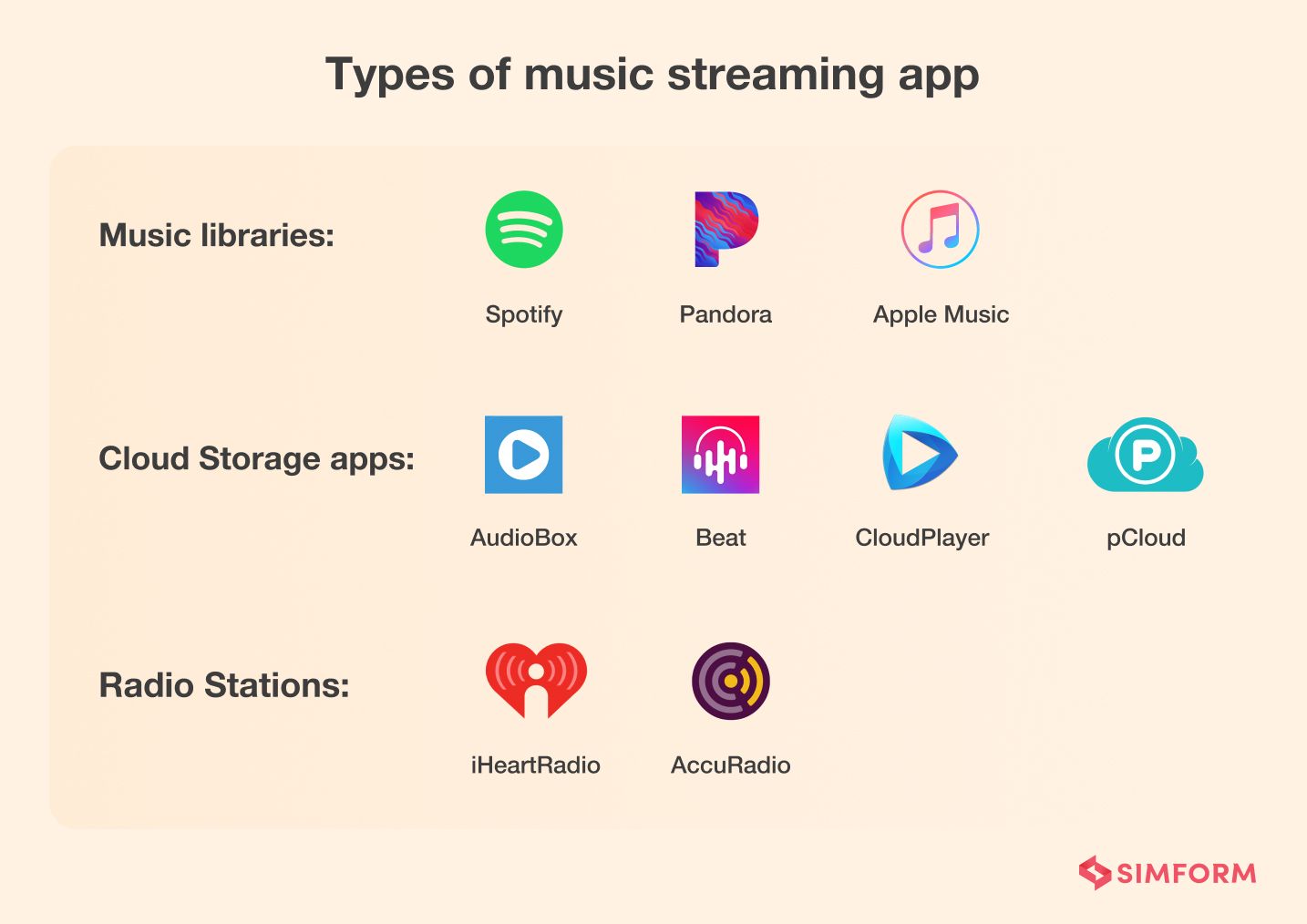
The following table outlines the current operational capabilities of the primary market participants in the free music streaming sector as of 2026.
| Feature | Spotify (Free) | YouTube Music (Free) | Amazon Music (Free) | SoundCloud |
|---|---|---|---|---|
| On-Demand Play | Limited (Shuffle Only) | Limited (Radio-style) | Limited (Stations) | High (Creator Dependent) |
| Ad Frequency | Moderate | High (Video/Audio) | Moderate | Moderate |
| Max Bitrate | 160kbps | 128kbps | 128kbps | 128kbps (varies) |
| Offline Mode | No | No | No | No |
| Library Depth | 100M+ Tracks | Massive (incl. covers) | 100M+ Tracks | Independent/User Uploads |
Optimizing Your Listening Experience
To minimize the impact of the limitations inherent in free models, power users employ specific strategies to manage their listening habits.
- Utilize Wi-Fi for Caching: While you cannot download music for offline use in free tiers, many apps utilize aggressive caching. By keeping the app open while connected to a stable Wi-Fi network, the application stores recently played tracks in temporary storage, reducing data consumption and buffering time.
- Account Linking: Linking your social media accounts or using integrated hardware (such as smart speakers) can sometimes unlock specific free tiers or limited "shuffle" playlists that are not available through standalone mobile app interfaces.
- Regional Awareness: Always verify regional availability. Licensing agreements in 2026 remain strictly tied to your IP address. Traveling outside your home region may result in "Content Not Available" errors regardless of your subscription status.
Safety and Security Considerations
A significant risk in the search for "free" music is the proliferation of unauthorized "music downloader" apps. These applications often operate outside of legal framework, frequently violating intellectual property laws and, more critically, posing security threats to your mobile device.
Security Alert: The Risks of Unofficial Music Players
Data Privacy Violations Unauthorized apps often harvest contact lists, geolocation data, and browsing history to sell to third-party advertisers.
Malware and Adware Injection Unofficial APKs or sideloaded applications can contain hidden scripts that turn your phone into a botnet node or inject persistent overlay advertisements that interfere with other apps.
Absence of Security Audits Unlike major industry players, these apps undergo zero public-facing security audits. Always use official stores like the Apple App Store or Google Play Store to ensure the software has passed automated malware screening.
Frequently Asked Questions
Can I get high-quality audio on a free plan?
Generally, no. High-resolution or lossless audio requires significant server bandwidth, which is a premium feature. Most free apps cap quality to save on operational costs.
Why does my music app force shuffle mode?
This is a standard licensing requirement. To incentivize users to move to paid tiers, platforms restrict on-demand playback, effectively turning the user experience into a "radio" model where the platform dictates the sequence of tracks.
Is it legal to use these apps?
Yes, provided you are using the official apps from recognized publishers. These companies have negotiated digital performance rights with record labels to compensate artists for every stream you play.
Do free music apps use more battery?
Yes. Because these apps are constantly fetching data and managing ad-loading processes in the background, they typically consume more battery than local music players or premium offline-enabled apps.
Will these apps work on my smart speaker?
Most official free music apps have integrated support for smart home ecosystems in 2026, though some voice-command features may be restricted compared to the premium versions of the same apps.
Strategic Recommendation for 2026 Users
For the average listener, the most efficient path is to choose a platform based on your existing ecosystem. If you are deeply integrated into the Google ecosystem, YouTube Music provides the broadest library due to its access to live performances and user-generated content. If your focus is on curated discovery and algorithmic accuracy, the Spotify free tier remains the industry benchmark. Always prioritize your device security by strictly downloading apps from official, verified storefronts, and accept that the trade-off for free access is a moderate ad experience and standard audio quality.
Image Gallery