Identifying the Best Shampoo for Dry Skin and Dandruff in 2026
The best shampoo for dry skin and dandruff is one that balances potent antifungal agents with intense hydrating ingredients, such as Zinc Pyrithione or Piroctone Olamine paired with Hyaluronic Acid or Ceramides. Finding a product that...
The best shampoo for dry skin and dandruff is one that balances potent antifungal agents with intense hydrating ingredients, such as Zinc Pyrithione or Piroctone Olamine paired with Hyaluronic Acid or Ceramides. Finding a product that eliminates flakes without stripping the scalp's natural lipid barrier is essential for long-term relief and scalp health.
Contents
Understanding the Conflict: Dry Scalp vs. Dandruff
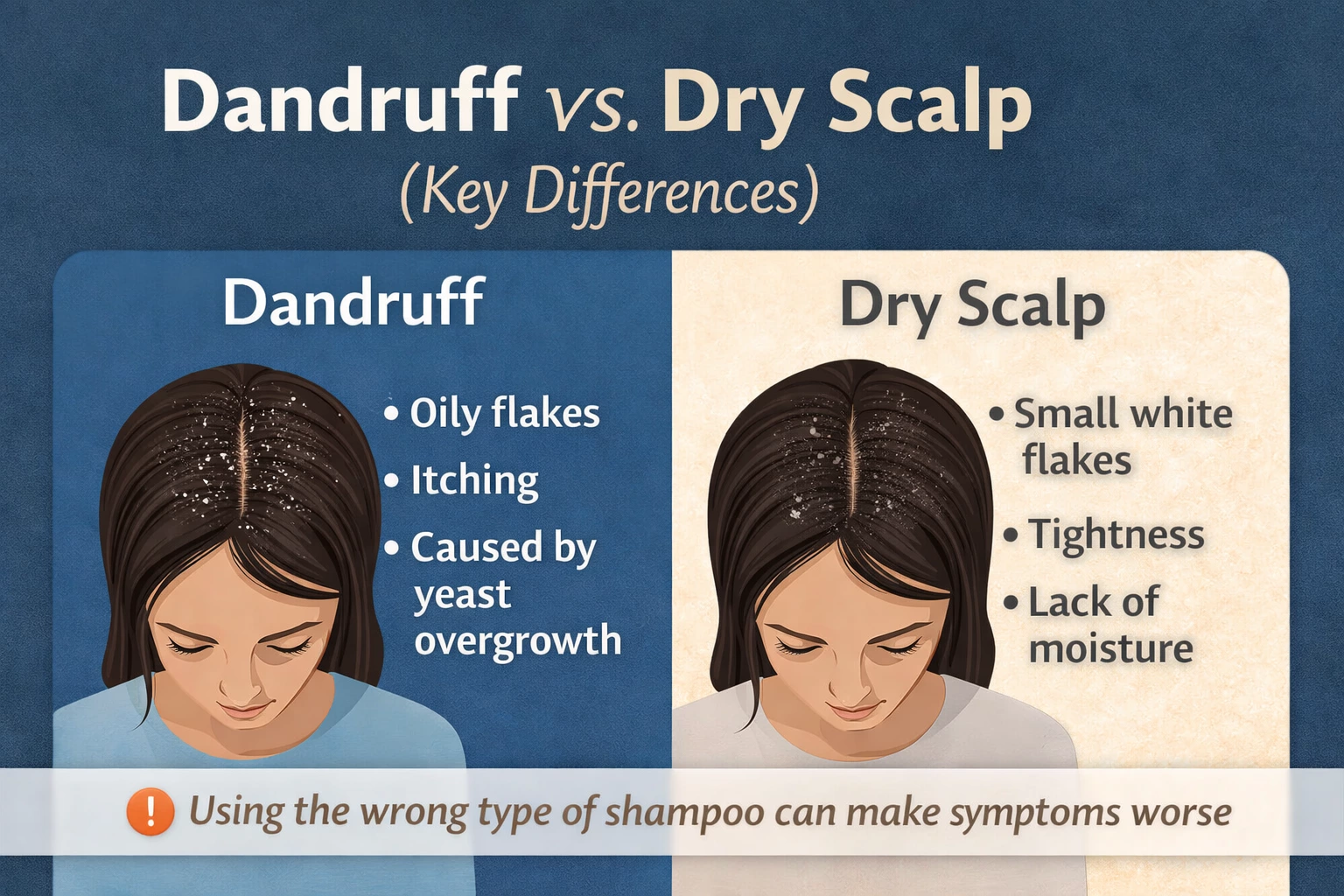
To select the correct treatment, one must first distinguish between a simple dry scalp and true dandruff (seborrheic dermatitis). While both conditions manifest as white or grayish flakes falling from the hair, their underlying biological causes are fundamentally different, and treating one with the protocol for the other can often exacerbate the issue.
Dry scalp occurs when the skin lacks sufficient oil (sebum) or moisture. This is often a result of environmental factors like cold winter air, over-washing with harsh surfactants, or underlying skin conditions like eczema or psoriasis. The flakes associated with dry scalp are typically small, white, and powdery.
Dandruff, conversely, is frequently linked to an overgrowth of Malassezia, a yeast-like fungus that feeds on the oils produced by your hair follicles. When this fungus grows too rapidly, the natural renewal of cells is disturbed, causing skin cells to shed prematurely and clump together. These flakes are usually larger, oily, and may appear yellow or off-white.
For individuals suffering from both dry skin and dandruff, the challenge is twofold: you must kill the fungus while simultaneously repairing a compromised skin barrier. Most traditional "drugstore" dandruff shampoos are formulated with aggressive degreasers like Sodium Lauryl Sulfate (SLS), which successfully kill fungus but leave the skin parched and irritated. In 2026, the focus of dermatological hair care has shifted toward "skin-first" formulations that prioritize the scalp’s microbiome.
Key Active Ingredients for Dual-Action Relief
When searching for the best shampoo for dry skin and dandruff, the ingredient label is your most reliable guide. You need a "hydrating antifungal" approach.
1. Zinc Pyrithione and Piroctone Olamine
Zinc Pyrithione has remained a gold standard for decades due to its antifungal and antibacterial properties. It is relatively gentle compared to other actives. However, in recent years, Piroctone Olamine has gained popularity in premium formulations. It is often preferred for those with dry skin because it is less irritating and has a molecular structure that allows for better integration into moisturizing cream-base shampoos.
2. Salicylic Acid
This is a Beta Hydroxy Acid (BHA) that acts as a keratolytic agent. Its primary job is to "unglue" the dead skin cells that form flakes. For those with dry skin, salicylic acid is vital because it clears the "debris" from the scalp, allowing moisturizing ingredients to actually reach the living skin layers rather than just sitting on top of a layer of dead flakes.
3. Ketoconazole
Often found in brands like Nizoral, Ketoconazole is a powerful antifungal. While highly effective at stopping the itch and flaking of seborrheic dermatitis, it can be notoriously drying. If you use a Ketoconazole-based shampoo, it should ideally be used only twice a week and followed immediately by a scalp-focused hydrating conditioner or serum.
4. Hydrating Agents: The "Dry Skin" Solution
To counteract the drying effects of medicated actives, look for the following:
- Glycerin: A humectant that pulls moisture into the scalp.
- Squalane: A biomimetic lipid that mimics the scalp's natural oils without feeding the Malassezia fungus.
- Aloe Vera: Provides immediate soothing for inflammation and redness.
- Urea: Often used in clinical-grade shampoos, urea helps exfoliate while simultaneously increasing the skin's water-binding capacity.
Top Shampoo Categories for 2026
The market for scalp care has bifurcated into clinical treatments and "clean-clinical" hybrids. Depending on the severity of your flaking and the sensitivity of your skin, your ideal choice will fall into one of these three categories.
Clinical Dermatological Shampoos
These are often fragrance-free and developed by pharmaceutical brands such as La Roche-Posay, Vichy, or Neutrogena. They focus on high-efficacy actives. For dry skin, the La Roche-Posay Kerium DS or Vichy Dercos Anti-Dandruff for Dry Hair are top-tier choices. They utilize specialized surfactants that cleanse without stripping the lipid barrier, making them suitable for those who find traditional Head & Shoulders too harsh.
Microbiome-Friendly "Clean" Shampoos
Brands like Jupiter or Briogeo have pioneered shampoos that use Zinc Pyrithione but surround it with natural extracts like coconut oil, charcoal, and tea tree oil. These are excellent for individuals who have mild dandruff but very dry, color-treated, or fragile hair. They prioritize the "sensory experience," ensuring the hair feels soft and manageable rather than straw-like after a wash.
Therapeutic Oils and Pre-Shampoo Treatments
For chronic dry skin dandruff, a shampoo alone might not be enough. Pre-shampoo treatments containing salicylic acid and soothing oils (like jojoba, which is non-comedogenic) can soften the flakes before you even start the washing process. This prevents the need for vigorous scrubbing, which can further damage a dry scalp.
Comparison of Leading Medicated Ingredients for Dry Scalp
| Active Ingredient | Primary Function | Impact on Dry Skin | Recommended Frequency |
|---|---|---|---|
| Zinc Pyrithione | Antifungal / Antibacterial | Neutral to Mildly Drying | 2-3 times per week |
| Piroctone Olamine | Antifungal / Soothing | Low Irritation | Daily or Alternate Days |
| Selenium Sulfide | Slows cell turnover | High (Can be very drying) | Once weekly |
| Salicylic Acid | Exfoliates / Removes scales | Moderate (Best paired with oils) | 1-2 times per week |
| Ketoconazole | Strong Antifungal | High (Requires heavy conditioning) | Twice weekly |
How to Wash Your Hair Without Drying Your Scalp
The "how" is just as important as the "what" when dealing with a dry, flaky scalp. Many users fail to see results because they apply medicated shampoos incorrectly.
- Water Temperature: Never use hot water. Heat strips the natural sebum from your scalp, leading to "rebound" dryness and irritation. Use lukewarm water for washing and cool water for rinsing.
- Contact Time: Medicated shampoos are not "wash and rinse" products. For the active ingredients (like Zinc or Ketoconazole) to work, they must remain in contact with the scalp for at least 3 to 5 minutes.
- Targeted Application: Apply the medicated shampoo only to the scalp. Do not lather the mid-lengths and ends of your hair with anti-dandruff shampoo, as this will lead to extreme dryness and breakage. The suds that run down during the rinse are sufficient to clean the rest of the hair.
- The Double Wash: If your hair is very oily or has significant product buildup, do an initial wash with a gentle, sulfate-free moisturizing shampoo to remove dirt. Then, use your medicated shampoo for the second wash so it can penetrate the skin effectively.
When to See a Dermatologist
If you have tried over-the-counter shampoos for four to six weeks without improvement, or if you notice the following symptoms, it is time to seek professional medical advice:
- Intense Redness: If the scalp appears bright red or purple.
- Bleeding or Oozing: This may indicate a secondary bacterial infection.
- Crusting: Yellow, thick crusts that are difficult to remove.
- Spread to Other Areas: If you notice similar flaking in your eyebrows, behind the ears, or around the nose (signs of systemic seborrheic dermatitis).
- Hair Loss: Flaking accompanied by thinning hair or patches of hair loss.
A dermatologist can prescribe higher concentrations of Ketoconazole (2%) or topical steroid lotions (like Clobetasol) to calm inflammation quickly, which over-the-counter products cannot match.
Common Mistakes to Avoid
A frequent error is the use of heavy hair oils (like olive or coconut oil) directly on the scalp to treat "dryness" when the actual cause is dandruff. Malassezia fungus feeds on specific fatty acids found in many natural oils. Applying these can actually fuel the fungal growth, making the dandruff worse even though the scalp feels temporarily "moisturized." If you must use oil, stick to Squalane or MCT oil (without C12/Lauric acid), as these do not promote fungal proliferation.
Another mistake is under-washing. People with dry skin often think they should wash their hair less frequently to "save" their natural oils. However, if you have dandruff, allowing oil and dead skin to sit on the scalp provides a breeding ground for fungus. Aim for a consistent schedule of 2-3 times per week with a specialized formula.
FAQs
Can I use a dandruff shampoo on color-treated hair?
Many traditional dandruff shampoos contain sulfates that will strip hair color quickly. However, in 2026, most "premium" or "dermatological" anti-dandruff brands are formulated to be sulfate-free. Look specifically for "color-safe" labels or choose shampoos using Piroctone Olamine, which is generally gentler on the hair shaft.
Does diet affect dry skin and dandruff?
While shampoo treats the symptoms, diet can influence scalp health. Diets high in sugar and simple carbohydrates can spike insulin levels, which may stimulate more oil production and exacerbate dandruff. Conversely, increasing intake of Omega-3 fatty acids (found in fish oil or flaxseed) and Zinc can help improve the integrity of the skin barrier from the inside out.
Is it possible to "cure" dandruff permanently?
Dandruff is a chronic condition for most people, meaning it can be managed but not always "cured" forever. It tends to flare up during periods of high stress, cold weather, or illness. Maintaining a "maintenance" routine—using your medicated shampoo once every 7-10 days even when symptoms are gone—is the best way to prevent recurrence.
Why does my scalp itch more after using a dandruff shampoo?
This usually happens if the shampoo is too harsh for your dry skin. Ingredients like Selenium Sulfide or high-sulfate formulas can cause "contact dermatitis" or extreme dehydration of the scalp, leading to itching. Switch to a formula with urea or aloe vera to soothe the skin while treating the fungus.
Should I use a scalp scrubber?
Silicone scalp massagers can be very beneficial for dry skin and dandruff. They help physically loosen the flakes so the shampoo can reach the skin. However, use gentle, circular motions. Excessive scrubbing can create micro-tears in the skin, leading to further inflammation.
Final Recommendation
For the most effective results in 2026, we recommend a rotation strategy. Use a medicated shampoo containing Piroctone Olamine or Zinc Pyrithione twice a week, and on off-days, use a dedicated scalp-moisturizing, sulfate-free shampoo containing hyaluronic acid. This "attack and hydrate" method ensures that the fungus is kept at bay without sacrificing the moisture levels of your scalp.
Image Gallery