Who is Alex and Ani? The Rise, Fall, and Evolution of a Jewelry Giant
Alex and Ani is an American jewelry retailer best known for its patented expandable wire bangles and "meaningful" charm designs. Founded by Carolyn Rafaelian in 2004, the brand is named after her two eldest daughters. Once a multi-bill...
Alex and Ani is an American jewelry retailer best known for its patented expandable wire bangles and "meaningful" charm designs. Founded by Carolyn Rafaelian in 2004, the brand is named after her two eldest daughters. Once a multi-billion dollar company, it has since transitioned through bankruptcy into a streamlined, digital-first lifestyle brand.
Contents
The story of Alex and Ani is more than just a tale of successful retail; it is a complex narrative of rapid American manufacturing success, the power of spiritual branding, and the eventual pitfalls of aggressive scaling and financial mismanagement. As of 2026, the brand remains a recognized name in the jewelry industry, though its operations and market presence differ significantly from its peak years in the mid-2010s.
The Origins and the Founder’s Vision
To understand "who" Alex and Ani is, one must first understand Carolyn Rafaelian. Born into a family of jewelry makers in Rhode Island—the former jewelry capital of the world—Rafaelian launched the brand in 2004. She took over a corner of her father’s factory, Cinerama, to create a line that merged fashion with spirituality.
The brand's name is a direct tribute to her two eldest daughters, Alex and Ani. This choice reflected the family-centric and personal nature of the business in its early years. Rafaelian’s vision was to create jewelry that was "eco-conscious" and infused with "positive energy." This was not just marketing fluff; it was a core component of the brand’s identity. Every piece was designed to have a meaning, often incorporating ancient symbols, zodiac signs, or spiritual icons.
The Patent that Changed the Industry
The cornerstone of Alex and Ani’s success was the expandable wire bangle. Rafaelian patented a sliding mechanism that allowed a single bracelet to fit almost any wrist size. This innovation solved a major pain point in the jewelry industry—sizing—and allowed for the "stacking" trend. Customers weren't just buying one bracelet; they were encouraged to buy dozens, each representing a different milestone, belief, or memory, and wear them all at once.
The "Positive Energy" Philosophy
Alex and Ani didn't just sell metal; they sold a lifestyle and a belief system. The brand trademarked the phrase Positive Energy, and each product came with a "Meaning Card" explaining the symbolism of the charm.
- Symbols and Intent: Whether it was the "Path of Life," the "Tree of Life," or the "Evil Eye," the jewelry served as a talisman for the wearer.
- Eco-Conscious Manufacturing: For much of its history, the brand emphasized that its products were made in America using recycled materials. This "Made in USA" tag was a significant part of its appeal during its growth phase.
- Charity by Design: The "Charity by Design" line partnered with non-profits, donating a portion of sales from specific charms to organizations like the American Cancer Society or UNICEF. This helped build a loyal community of consumers who felt their purchases were doing good in the world.
The Meteoric Rise to a Billion-Dollar Valuation
Between 2010 and 2017, Alex and Ani experienced growth that was almost unprecedented in the jewelry sector. By 2016, the company was generating over $500 million in annual revenue. Carolyn Rafaelian was featured on the cover of Forbes as one of America’s richest self-made women, with a net worth estimated at $700 million at the time.
The brand expanded from boutique shops in New England to over 100 standalone stores and a presence in major department stores like Nordstrom and Bloomingdale’s. Their Super Bowl commercials and high-profile partnerships with entities like Disney, the NFL, and the US Olympic Team solidified their status as a household name.
The Financial Turmoil and 2021 Bankruptcy
The decline of Alex and Ani is often cited as a cautionary tale of "too much, too fast." By 2018, reports began to surface of internal management issues and a revolving door of executives.
The Lawsuit Against Bank of America
In 2019, Alex and Ani filed a $1.1 billion lawsuit against Bank of America, alleging gender discrimination and claiming the bank had "greased the skids" for the company's downfall by cutting off its credit line. The bank denied these claims, and the lawsuit was eventually dropped, but the legal battle highlighted the severe liquidity crisis the brand was facing.
Chapter 11 Restructuring
The COVID-19 pandemic acted as the final straw for the brand’s over-leveraged retail footprint. In June 2021, Alex and Ani filed for Chapter 11 bankruptcy protection. At the time of the filing, the company reported between $100 million and $500 million in liabilities.
The restructuring process resulted in:
- Change of Ownership: Control of the company shifted to its lenders, primarily Lion Capital.
- Founder's Exit: Carolyn Rafaelian lost her controlling stake and was eventually separated from the brand's operations.
- Store Closures: A massive reduction in physical retail locations to focus on e-commerce.
- Operational Shifts: A move away from the traditional Rhode Island manufacturing model toward a more global supply chain to reduce costs.
Alex and Ani in 2026: The Modern Landscape
By 2026, Alex and Ani has settled into its role as a "heritage" brand of the 2010s era, maintaining a dedicated following while operating with a much leaner business model. While it no longer dominates the "prestige" jewelry market, it remains a staple in the "meaningful gift" category.
Product Evolution
The brand has expanded beyond the signature wire bangles into necklaces, rings, and earrings that utilize more modern materials. While the focus on symbols remains, the 2026 collections often lean into more minimalist designs to compete with brands like Pandora or Kendra Scott.
Sustainability and Sourcing
One of the major shifts noted in the 2020s was the transition from exclusively "Made in USA" to a hybrid sourcing model. While some core collections still emphasize domestic production, many of the newer, lower-priced lines are produced internationally. This shift helped the brand regain profitability but alienated some of its original "made-local" enthusiasts.
Comparison: Alex and Ani Through the Decades
| Feature | Founding Era (2004–2010) | Peak Era (2011–2017) | Modern Era (2022–2026) |
|---|---|---|---|
| Primary Leadership | Carolyn Rafaelian | Carolyn Rafaelian / Professional CEOs | Lion Capital / Appointed Management |
| Manufacturing | Rhode Island, USA | Rhode Island, USA | Global Sourcing / Limited US Production |
| Core Product | Single wire bangles | "Stacks" of bangles | Minimalist jewelry & digital gifting |
| Retail Strategy | Local boutiques | 100+ Global Flagships | E-commerce First / Select Partners |
| Valuation/Status | Startup / Niche | $1B+ / Market Leader | Private Equity Owned / Rebuilding |
Key Concepts to Know
- Expandable Mechanism: The sliding metal component that allows the bracelet to grow or shrink.
- Eco-Brass: A specific alloy often used by the brand, typically finished in "Rafaelian Gold" or "Rafaelian Silver" (which are matte finishes, not solid precious metals).
- Adorn-U: A later concept involving personalization and digital customization of jewelry pieces.
- The "Stack": The practice of wearing multiple bangles to create a personalized aesthetic.
Identifying and Maintaining Alex and Ani Jewelry
For collectors and new buyers in 2026, understanding the quality and care of these pieces is essential. Most Alex and Ani jewelry is costume jewelry, meaning it is made of base metals (usually brass or copper) with a thin plating of gold or silver.
How to Clean Your Pieces
Because the pieces are plated, they are prone to tarnishing if exposed to moisture or chemicals.
- Avoid Water: Never wear the jewelry in the pool, shower, or ocean.
- Apply Products First: Put on perfumes and lotions before putting on your jewelry.
- Polishing Cloths: Use a soft, non-abrasive cloth to wipe away oils after wearing. Avoid harsh chemical cleaners which can strip the "Rafaelian" finish.
Verification
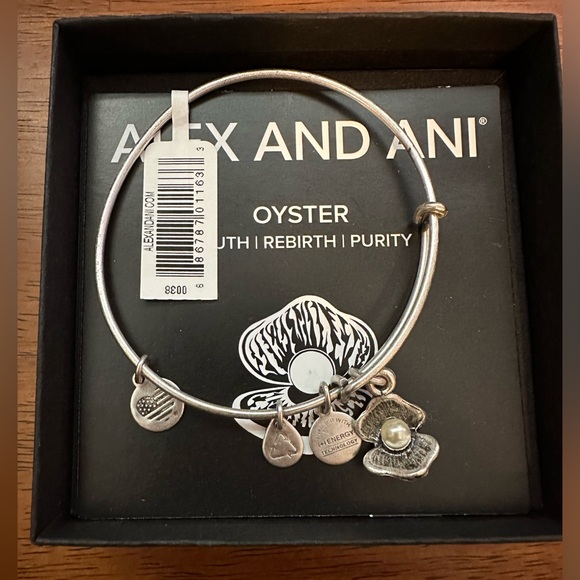
Authentic Alex and Ani pieces typically feature three distinct tags on the wire bangle:
- A tag with the brand's logo.
- A tag indicating the metal/authenticity.
- A tag denoting the "Made in USA" status (on older/vintage models) or the patent number.
Frequently Asked Questions
Does Carolyn Rafaelian still own Alex and Ani?
As of 2026, Carolyn Rafaelian is no longer the owner or the creative lead of the company. Following the 2021 bankruptcy and restructuring, control of the brand moved to Lion Capital. Rafaelian has since moved on to other ventures, including the launch of a new spiritual jewelry brand called Metal Alchemist.
Is the jewelry made of real gold?
Most Alex and Ani jewelry is not solid gold. It is typically made from a base metal (like recycled brass) and finished with a "Rafaelian Gold" or "Rafaelian Silver" plating. They do occasionally release "Precious" collections made of .925 sterling silver or 14k gold-filled materials, but these are priced significantly higher than the standard bangles.
What happened to all the physical stores?
During the restructuring process between 2021 and 2024, the company closed the vast majority of its standalone retail locations. The brand shifted its focus to a direct-to-consumer (DTC) model through its website and maintained partnerships with wholesale accounts like department stores and independent gift shops.
Can you fix a broken expandable bangle?
The wire bangles are designed for durability, but the sliding mechanism can occasionally become loose or the wire can bend. While the company offered warranties in its peak years, current policy usually directs customers to authorized repair centers or suggests replacement, as the cost of professional soldering often exceeds the value of the costume jewelry piece.
Practical Recommendation: What to Do Next
If you are looking to purchase Alex and Ani jewelry in 2026, the best approach is to visit their official website or verified retail partners to ensure you are getting authentic, current-season designs. For those seeking the "Classic Era" pieces—specifically those made entirely in the USA during the brand's rise—the secondary market (sites like Poshmark or eBay) remains a robust resource. When buying secondhand, always look for the three-tag signature and check for signs of plating wear (green or copper tones peeking through) to ensure the piece has been well-maintained.
Image Gallery