Assessing the Aftermath: What Changed After the Brooklyn Shooting
When a major public safety incident like the April 2022 Brooklyn subway shooting occurs, the immediate aftermath triggers a cascade of policy reviews, security infrastructure upgrades, and shifts in emergency response protocols. For th...
When a major public safety incident like the April 2022 Brooklyn subway shooting occurs, the immediate aftermath triggers a cascade of policy reviews, security infrastructure upgrades, and shifts in emergency response protocols. For the public and transit commuters, the most visible changes involve increased law enforcement presence, the installation of advanced surveillance technology, and revised emergency communication strategies within the transit system.
Contents
The Immediate Response to the 36th Street Incident
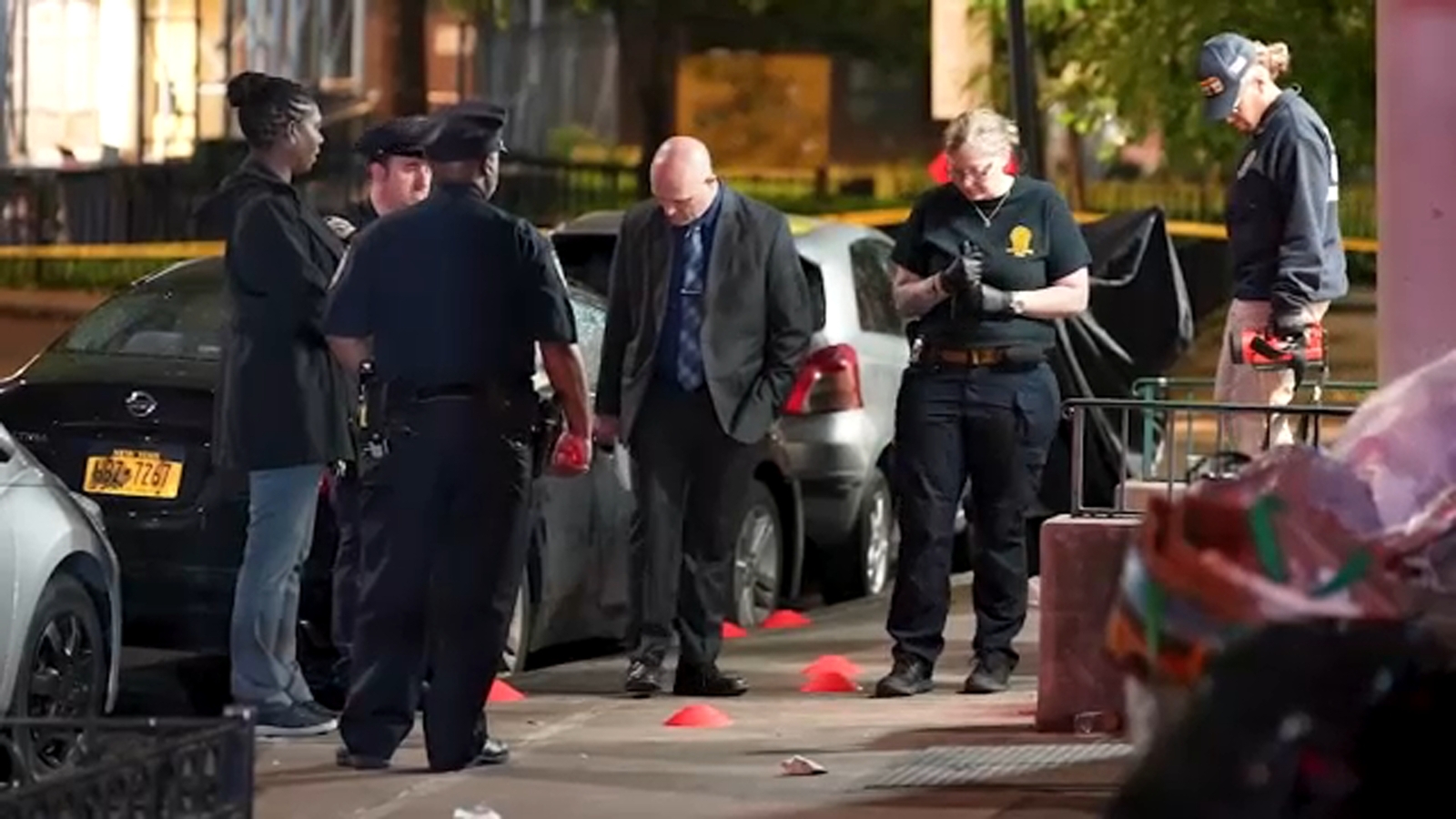
On April 12, 2022, a mass shooting occurred on a northbound N train in Sunset Park, Brooklyn. The incident, which resulted in significant injuries but no fatalities, functioned as a critical stress test for the Metropolitan Transportation Authority (MTA) and the New York Police Department (NYPD). The primary change in the hours following the event was the immediate recalibration of patrol deployment.
The NYPD transitioned from routine transit patrols to a high-visibility, "omnipresent" strategy. This included surge deployments of officers in transit hubs and on trains during off-peak hours. While the initial surge was reactionary, it set the precedent for the current operational tempo of the Transit Bureau in 2026, which emphasizes consistent, predictable presence rather than purely reactive response.
Technological Upgrades and Infrastructure Hardening
One of the most consequential long-term shifts following the 2022 shooting was the accelerated modernization of the subway's security hardware. Prior to the incident, parts of the transit system faced limitations in real-time monitoring capabilities.
Post-incident evaluations highlighted failures in camera systems and communication links. Consequently, the MTA initiated a massive hardware overhaul aimed at:
- Centralized Camera Integration: Ensuring all security feeds from stations are accessible in real-time by the NYPD’s Joint Operations Center.
- Network Redundancy: Upgrading subterranean communications to ensure that when a power or signal failure occurs—as happened during the 2022 attack—police and emergency responders maintain situational awareness.
- Sensor Deployment: Testing of non-invasive detection systems designed to alert dispatchers to unusual acoustic signatures or prohibited items without relying solely on manual observation.
Evolution of Emergency Protocols
The Brooklyn subway shooting prompted a thorough review of the "Active Shooter/Hostile Event" (ASHE) protocols. The most significant shift for commuters involves how the city communicates during a crisis.
In 2026, the protocols are markedly different from those in 2022. The city has integrated a more sophisticated "multi-channel" alert system. Instead of relying on station announcements, which were proven ineffective in the chaos of the smoke-filled 36th Street station, the MTA now utilizes:
- Direct Cellular Pings: Utilization of the Wireless Emergency Alerts (WEA) system to push location-specific warnings to all mobile devices in proximity to a transit incident.
- Dynamic Wayfinding: Digital signage throughout the system is now hardwired to display evacuation routes in real-time, overriding standard advertisements during a declared emergency.
Comparative Overview of Transit Security Shifts
The following table outlines the shift from pre-2022 practices to the standardized procedures observed in 2026.
| Feature | Pre-2022 Approach | 2026 Operational Standard |
|---|---|---|
| Patrol Model | Transit-based, predictable | Variable, randomized surge patrols |
| Camera Access | Localized, decentralized storage | Cloud-synced, real-time central access |
| Alert Systems | PA announcements only | WEA push notifications + digital signage |
| Emergency Power | Basic lighting reserves | Redundant comms and secure-link data |
| Station Hardening | Perimeter-focused | Internal monitoring and sensor-linked |
Addressing Public Concerns and Mental Health Resources
Beyond the physical infrastructure, the aftermath of the shooting forced a conversation regarding the role of transit police versus mental health professionals. Following the incident, the city faced pressure to address the "quality of life" issues that often intersect with transit crime.
By 2026, this has evolved into the expanded presence of the Co-Response Teams, which pair NYPD officers with clinicians. While the primary goal of these teams is homelessness outreach, their presence serves as a secondary layer of monitoring within the subway system. This approach aims to de-escalate situations before they reach a threshold requiring a tactical response, addressing the public's anxiety regarding erratic behavior on trains.
Operational Limitations and Challenges
Despite these advancements, it is essential to recognize the inherent limitations of hardening a transit system as large as New York’s. The subway is an open, high-volume environment. Critics and security experts note that even with increased surveillance, the "last mile" of security—protecting individual train cars between stations—remains an unsolvable engineering challenge.
Furthermore, the increased cost of security deployment has become a factor in the MTA’s annual budget cycles. For commuters, the "change" is not just the presence of more police, but the ongoing debate regarding how to balance privacy concerns against the desire for total, zero-blind-spot surveillance.
Frequently Asked Questions
Are there metal detectors in the subway system now? No, there are no comprehensive metal detector systems in the subway. While the MTA has explored advanced screening technologies, the volume of ridership makes permanent, fixed-location metal detectors operationally impossible without creating dangerous bottlenecks that would trap passengers during an emergency.
How can I verify if my local station is part of the updated security network? Most upgraded security features are backend improvements, such as improved camera connectivity and signal integration. While you may notice newer digital signage and higher camera density, individual station updates are managed by the MTA's infrastructure division. Official updates on station improvements are published through the MTA’s quarterly capital program reports.
What should I do if I see an emergency in the subway today? The recommended action remains consistent: move away from the perceived threat and locate an emergency intercom or help point. In 2026, the use of the "MTA Help Point" intercoms is the fastest way to trigger an immediate station-specific response. Do not rely on personal cellular service to report an emergency unless you are unable to reach a station intercom.
How did the legal reporting of the incident change? Following the 2022 shooting, the NYPD and the Mayor’s office adopted a more transparent, rapid-disclosure policy. This involves using social media channels and official press briefings to provide real-time updates to minimize the spread of misinformation during active incidents.
Has the definition of "Transit Safety" changed since 2022? Yes. In 2026, safety is defined not just as the absence of violent crime, but as the presence of "perceived order." The city has invested heavily in cleaning, lighting, and behavioral health staffing, arguing that a well-maintained, orderly environment acts as a deterrent to the types of violence seen in 2022.
Next Steps for Commuters
For those concerned about transit safety in 2026, the most practical step is to familiarize yourself with the current "See Something, Say Something" tools provided by the MTA. Downloading the "MYmta" app allows for direct, discreet reporting of suspicious activity. Additionally, commuters are encouraged to identify the location of the blue-and-white "Help Point" kiosks at their most frequently used stations. Being aware of these physical points of connection—which are now directly linked to transit police dispatch—is the most effective way to engage with the system’s modern security infrastructure should an incident occur.
Image Gallery