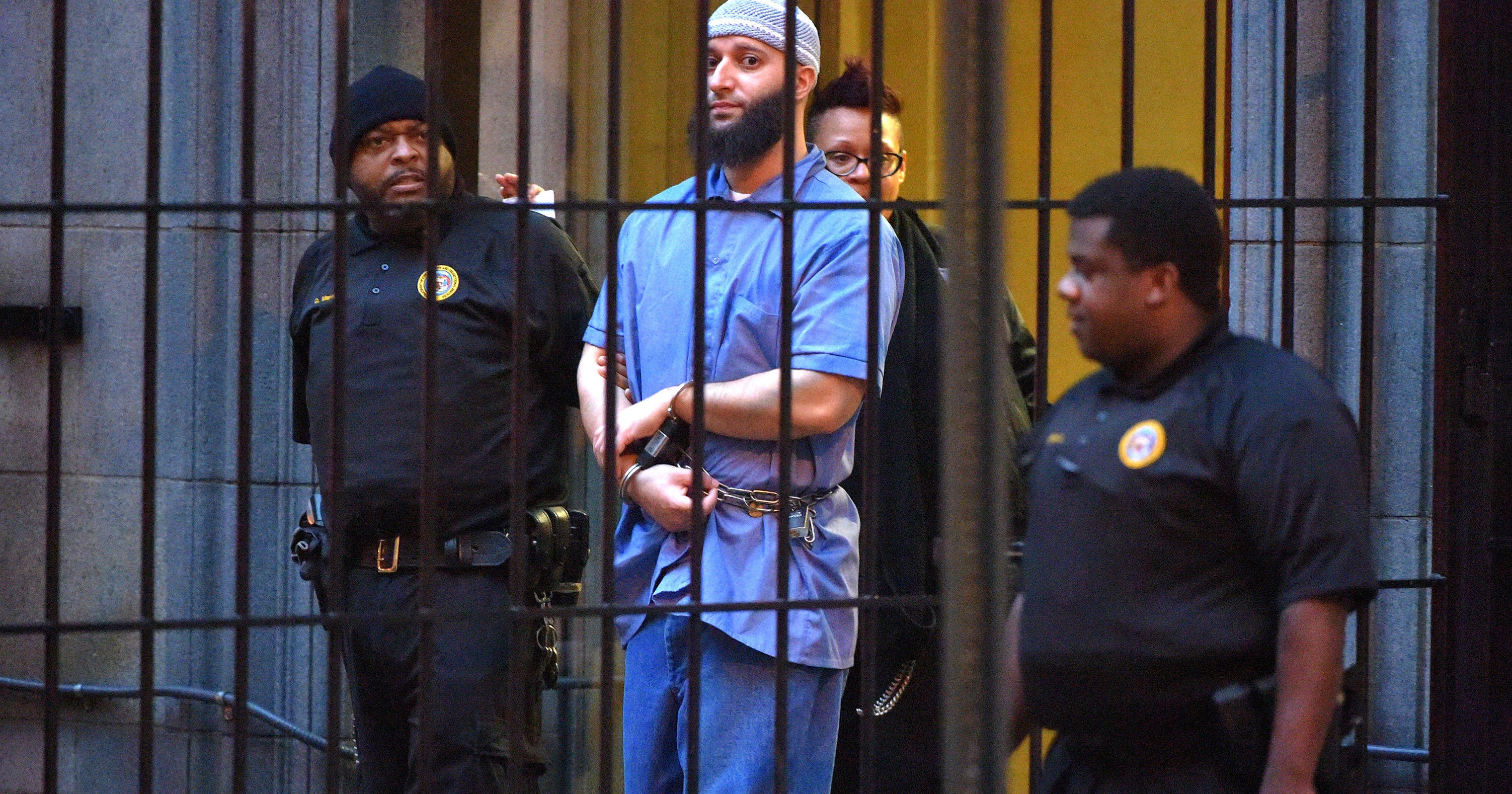
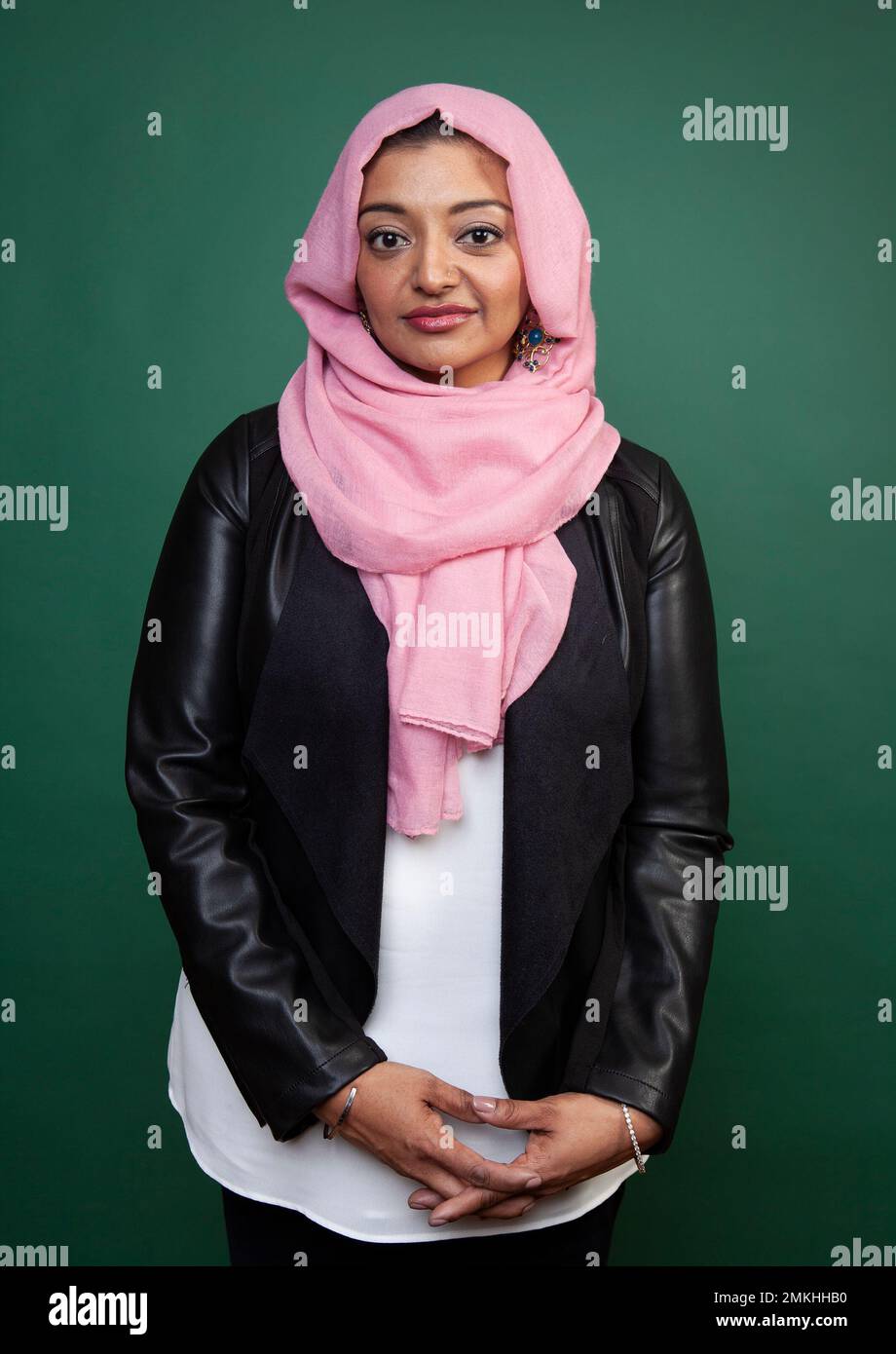
Adnan Syed and Rabia Chaudry in the Fight for Justice
The advocacy of Rabia Chaudry has been central to the legal and public campaign to overturn the 2000 conviction of Adnan Syed for the murder of Hae Min Lee, a case that became a global phenomenon through the Serial podcast and ultimate...
The advocacy of Rabia Chaudry has been central to the legal and public campaign to overturn the 2000 conviction of Adnan Syed for the murder of Hae Min Lee, a case that became a global phenomenon through the Serial podcast and ultimately led to Syed's release in September 2022.
Contents
The Origins of a Long-Standing Legal Battle
The case of Adnan Syed and Rabia Chaudry began long before true-crime podcasting became a mainstream medium. In 1999, high school senior Hae Min Lee was found murdered in Leakin Park, Baltimore. Her ex-boyfriend, Adnan Syed, was arrested, tried, and ultimately convicted of first-degree murder in 2000, receiving a sentence of life imprisonment plus 30 years. From the very beginning, Syed maintained his innocence.
Rabia Chaudry, an attorney, author, and family friend of Syed, steadfastly believed in his innocence. She was the one who initially brought the case to the attention of journalist Sarah Koenig in 2013, planting the seeds for what would become the Peabody Award-winning podcast Serial. Chaudry recognized that the legal system had failed Syed, citing a lack of physical evidence linking him to the crime, an over-reliance on the testimony of a shifting witness (Jay Wilds), and a failure by Syed's original defense counsel to investigate a crucial alibi witness, Asia McClain.
For over two decades, Chaudry served not only as an advocate but as a public strategist, legal coordinator, and chronicler of the case. Her efforts kept public interest alive and galvanized a global army of legal researchers, independent investigators, and advocates who poured over trial transcripts, police notes, and cell tower data looking for answers.
The Cultural and Legal Turning Points
The legal fight for Adnan Syed entered a new paradigm in October 2014 with the premiere of Serial. The podcast exposed the vulnerabilities of the original prosecution's timeline—specifically regarding incoming cell phone tower pings that the state used to place Syed in Leakin Park, despite a cover sheet warning from AT&T explicitly stating that incoming calls were not reliable for determining location.
As millions of listeners debated the evidence, Chaudry authored the New York Times bestseller Adnan's Story: The Search for Truth and Justice After Serial, further detailing the systemic flaws of the trial. Throughout the post-conviction relief phases, Chaudry coordinated with legal teams led by attorneys like Justin Brown and later Erica Suter from the University of Baltimore School of Law’s Innocence Project Clinic.
The advocacy faced numerous legal setbacks, including a 2019 decision by the Maryland Court of Appeals denying a new trial despite acknowledging that Syed's original attorney, Cristina Gutierrez, rendered ineffective assistance of counsel by failing to contact Asia McClain. However, the legal standard for prejudice under the Sixth Amendment proved difficult to clear until structural changes in Maryland law and investigative persistence converged in 2022.
Key Milestones in the Legal and Advocacy Timeline
| Year | Event | Significance |
|---|---|---|
| 1999 | Disappearance and discovery of Hae Min Lee | Hae Min Lee goes missing in January; her body is recovered in Leakin Park in February. |
| 2000 | Trial and conviction of Adnan Syed | Syed is convicted of first-degree murder and sentenced to life plus 30 years. |
| 2014 | Launch of the Serial podcast | Sarah Koenig’s reporting, prompted by Rabia Chaudry, brings international scrutiny to the case. |
| 2016 | Post-conviction relief granted | A lower court vacates Syed's conviction and grants a new trial, though appeals drag on for years. |
| 2022 | Vacation of conviction and release | State’s Attorney’s office moves to vacate the conviction based on newly discovered Brady violations concerning alternative suspects. |
The 2022 Vacation of Conviction and Subsequent Legal Rollercoaster
In September 2022, Baltimore City State’s Attorney Marilyn Mosby filed a motion to vacate Syed’s conviction. The motion did not declare Syed innocent outright, but instead revealed a massive legal failure: the original prosecution had possessed information regarding two alternative suspects who had motive and threatened to make the victim "disappear," yet this exculpatory evidence (Brady material) was never disclosed to the defense.
Judge Melissa Phinn ordered Syed's release after he had served over 23 years in prison, placing him initially on home detention with electronic monitoring. Shortly thereafter, the state dropped all charges against Syed after DNA testing on Hae Min Lee's shoes—conducted under a modern Maryland statute—excluded Syed and instead matched unknown male DNA profiles.
However, the legal battle did not end cleanly. The family of Hae Min Lee appealed the decision, arguing they were not given adequate notice or the right to attend the vacatur hearing in person. In October 2022, an appellate court reinstated Syed’s conviction on procedural grounds, though it stayed the order to allow time for remedy. In March 2023, the Appellate Court of Maryland ruled that the victim's family's rights were violated because they could not participate adequately in person, but in a twist, the newly elected Baltimore City State’s Attorney, Ivan Bates, announced in October 2023 that the state would not pursue a new trial, effectively ending the prosecution and leaving Syed a free man.
The Broader Implications of the Syed-Chaudry Campaign
The multi-decade crusade led by Rabia Chaudry and supported by legal advocacy groups highlights deep systemic flaws within the American criminal justice system. The case exposed vulnerabilities in several core areas of criminal litigation:
- Ineffective Assistance of Counsel: The failure to investigate a written alibi from Asia McClain demonstrated how overburdened or failing defense attorneys can compromise a defendant's constitutional rights.
- Prosecutorial Misconduct and Brady Violations: The concealment of alternative suspects underscored the dangers of "tunnel vision" in police investigations, where authorities focus on a single suspect and ignore conflicting evidence.
- Misuse of Forensics: The uncritical acceptance of emerging or flawed cell tower location data in early-2000s jurisprudence set dangerous precedents before courts understood the technical limitations of telecommunications evidence.
- The Role of Independent Journalism and Media: The case became a watershed moment for how public interest, crowd-sourced investigation, and serialized audio journalism can influence stagnant legal proceedings and force institutional review.
Frequently Asked Questions
Was Adnan Syed officially declared innocent?
No. The legal mechanism that freed Syed was a motion to vacate the conviction, followed by the state's decision to drop all charges. While DNA testing excluded him from the physical evidence tested on the victim's shoes, the formal legal status is that he is no longer convicted, rather than explicitly exonerated by judicial declaration of factual innocence.
What role did Rabia Chaudry play in freeing Adnan?
Rabia Chaudry acted as the primary catalyst, strategist, and public face of the defense outside the courtroom. She introduced the case to investigative journalists, raised funds for legal fees, authored books, produced companion podcasts like Undisclosed, and maintained continuous pressure on the legal establishment for over twenty years.
What was the primary legal reason Syed's conviction was vacated?
The primary legal basis was the discovery of undisclosed Brady material. Prosecutors found notes in their files from 1999 indicating that two other individuals had motive, threatened the victim, and had not been shared with Syed's defense team during the original trial preparation.
Did cell phone tower evidence play a role in his release?
While cell tower data was a massive point of contention during the Serial podcast and early appeals regarding reliability, the ultimate vacatur relied primarily on the undisclosed alternative suspect evidence rather than the overturning of the cell site analysis itself.
Where does the legal case stand today?
As of 2026, all criminal charges against Adnan Syed have been dropped by the Baltimore City State's Attorney's Office, and he is a free man, though legal disputes involving victim's rights advocacy groups and appellate procedures have thoroughly reshaped how Maryland courts handle vacatur hearings for convicted individuals.
Next Actions and Further Reading
For those interested in studying the legal mechanics of wrongful convictions, examining the primary documents is essential. Reviewing the original 2022 motion to vacate filed by the Baltimore City State’s Attorney's Office provides direct insight into Brady violations and disclosure rules. Additionally, studying the Maryland Court of Appeals rulings regarding victim's rights offers a clear view of how modern statutes balance the interests of defendants and victims' families in post-conviction relief procedures.
Image Gallery