How Colored Lantern String Lights Illuminate Spaces: Optics, Ambiance, and Design
Colored lantern string lights transform architectural and natural environments by blending functional low-level illumination with chromatic mood styling, diffusing point-source light through translucent fabric, paper, or plastic enclos...
Colored lantern string lights transform architectural and natural environments by blending functional low-level illumination with chromatic mood styling, diffusing point-source light through translucent fabric, paper, or plastic enclosures to create balanced, atmospheric brightness.
Contents
The Physics of Light Diffusion in Lantern String Lights
At a fundamental level, standard string lights rely on exposed incandescent filaments or bare light-emitting diodes (LEDs) that project harsh, directional rays. Colored lantern string lights solve this visual discomfort by interposing a diffusing medium between the emitter and the environment. When photons strike the interior surface of a fabric, nylon, paper, or molded plastic lantern, they undergo multiple internal reflections and refractions. This scattering effect transforms a high-intensity, concentrated beam into a soft, omnidirectional ambient glow.
The color component of these lights introduces selective wavelength absorption and transmission. Colored lanterns utilize pigmented materials or tinted colored bulb covers that absorb specific portions of the visible light spectrum while transmitting the desired hue. For instance, a red lantern absorbs blue and green wavelengths, allowing only longer wavelengths (approximately 620 to 750 nanometers) to escape into the space. This optical filtration dictates not only the perceived color but also the psychological and visual impact the fixture has on its surroundings.
Furthermore, the geometry of the lantern plays an essential role in how light disperses. Spherical and cylindrical lanterns distribute lumens evenly across a 360-degree radius, eliminating hard shadows and reducing contrast ratios between illuminated zones and deep darkness. By softening the transition from light to shadow, colored lanterns create an enveloping visual field that feels cohesive and visually restful.
Color Psychology and Ambient Spatial Transformation
The strategic deployment of chromatic illumination alters the perceived dimensions, temperature, and emotional resonance of interior and exterior environments. Understanding color temperature and chromaticity allows designers and homeowners to use colored lantern string lights purposefully rather than relying on arbitrary decoration.
| Color Category | Typical Wavelength Range | Primary Psychological Effect |
|---|---|---|
| Warm Amber / Gold | 585 nm – 600 nm | Comfort, intimacy, relaxation |
| Cool Blue / Cyan | 450 nm – 490 nm | Calmness, spaciousness, tension |
| Vibrant Red / Pink | 620 nm – 750 nm | Energy, passion, intimacy |
| Natural Green | 500 nm – 560 nm | Balance, renewal, tranquility |
Warm Tones: Ambiance and Intimacy
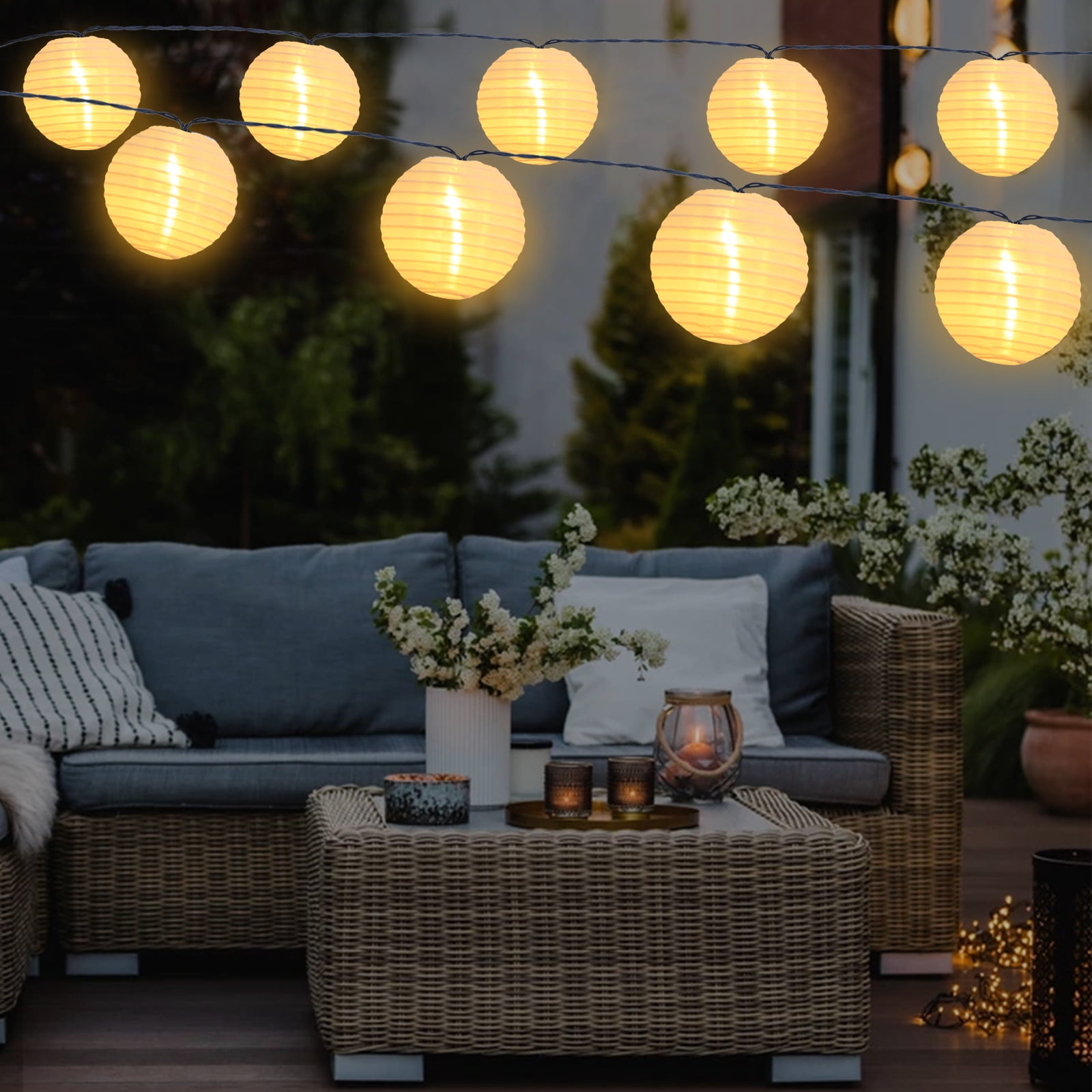
Warm hues such as amber, soft orange, and deep gold mimic the traditional color temperatures of candlelight and incandescent combustion (ranging from 2000K to 2700K). When emitted through colored lanterns, these wavelengths suppress melatonin production less than high-frequency blue light, promoting a relaxed, social atmosphere. They visually compress large outdoor spaces, making expansive patios or open gardens feel intimate and enclosed.
Cool Tones: Expansion and Modernity
Cool colors, including ice blue, aqua, and violet, introduce higher frequencies that evoke moonlight or twilight skies. In architectural lighting design, these hues make small spaces feel larger by receding visually into the background. However, if overused, cool-toned lanterns can create a clinical or stark environment unless balanced with warm ambient light sources.
Multi-Color Arrays: Dynamic Visual Rhythm
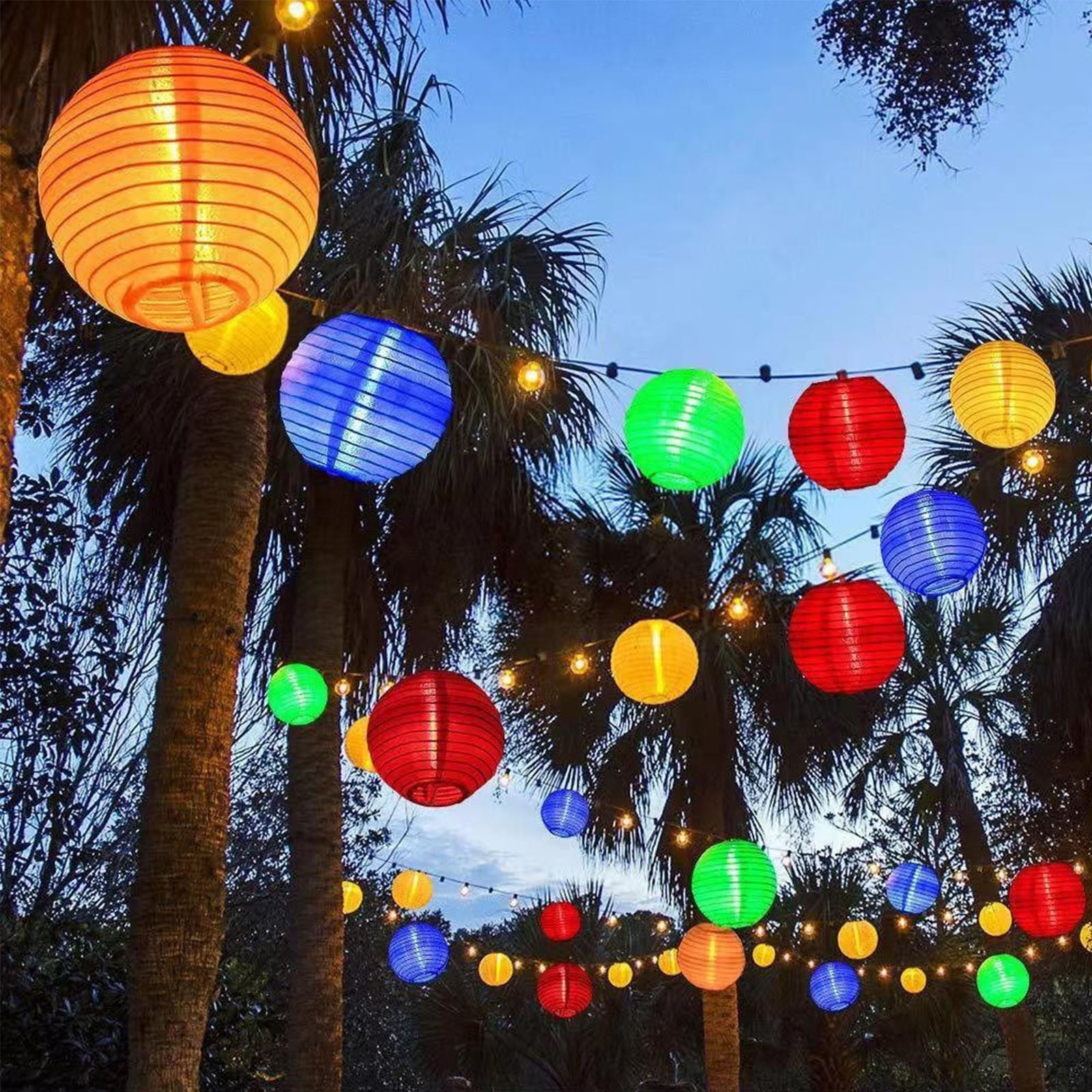
Strings featuring alternating colors create dynamic contrast and visual rhythm. By alternating complementary colors—such as blue and orange or red and green—the human eye registers a vibrant interplay of hues that draws attention to architectural focal points, pergolas, tent ceilings, and pathways.
Technical Specifications: LEDs, Materials, and Power Sources
Modern colored lantern string lights incorporate advanced engineering to ensure durability, energy efficiency, and safety across various installation environments.
Light Sources: Incandescent vs. LED
- LED Technology: The vast majority of contemporary lantern strings utilize surface-mounted or bulb-style LEDs. LEDs consume up to 80% less energy than traditional incandescent bulbs, generate negligible heat (mitigating fire risks inside paper or fabric lanterns), and boast lifespans exceeding 25,000 hours.
- Incandescent Bulbs: While increasingly rare due to energy regulations and thermal output, traditional incandescent bulbs offer a warmer, organic filament glow. However, their high heat emission requires strict clearance from flammable lantern materials.
Materials and Weatherproofing
The exterior housing of the string light must withstand environmental stressors if installed outdoors.
- Nylon and Weather-Resistant Polyester: Superior for permanent or semi-permanent outdoor setups, treated nylon resists UV degradation and repels moisture.
- Traditional Paper: Best reserved for indoor use or sheltered, dry outdoor patios, as untreated paper disintegrates upon contact with moisture.
- IP Ratings: High-quality outdoor lantern strings feature an Ingress Protection rating of IP44 or higher, ensuring protection against splashing water and wind-blown debris.
Power Configurations
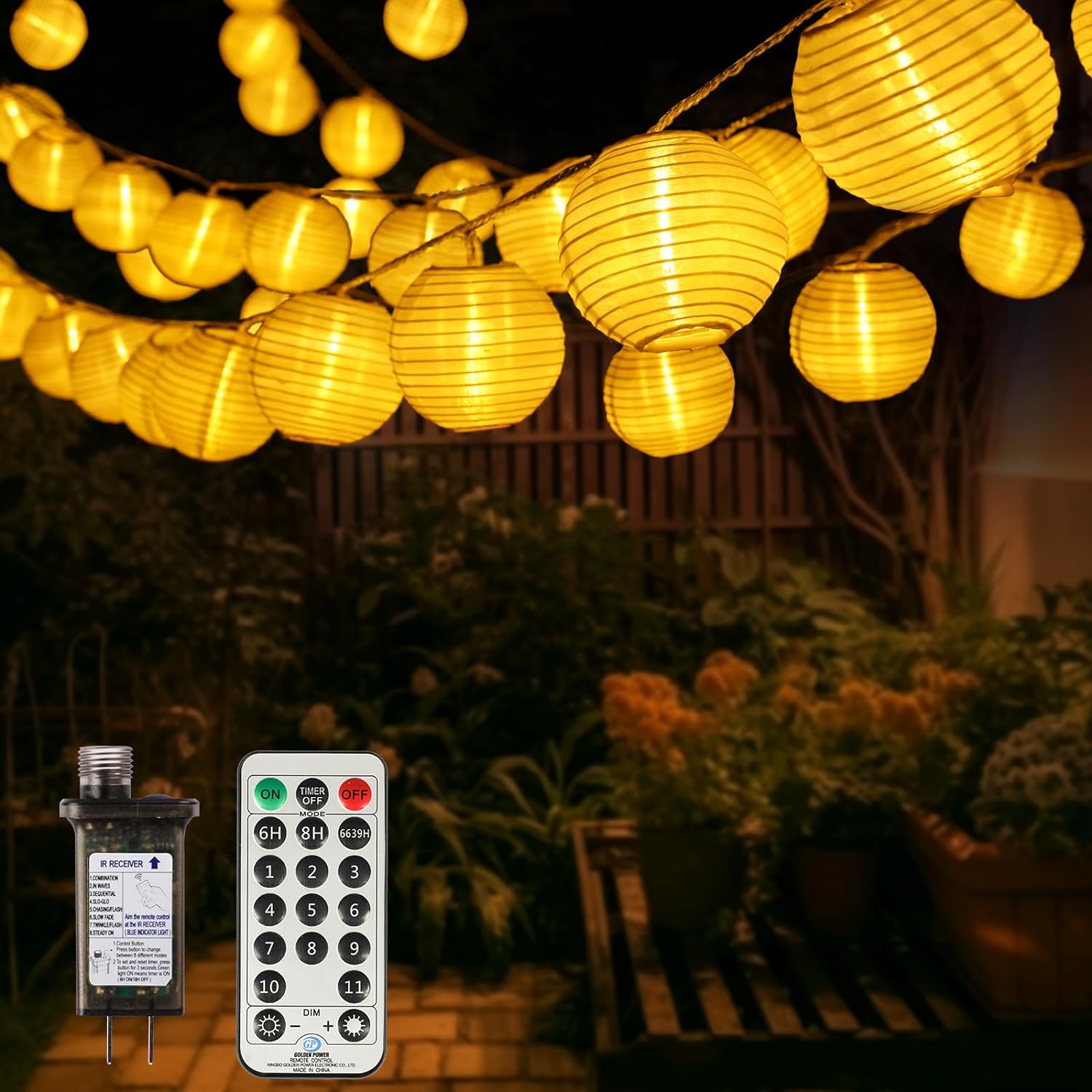
Power delivery varies depending on the installation site. Plug-in models offer consistent, high-lumen output suitable for permanent architectural installations. Conversely, solar-powered string lights utilize integrated photovoltaic panels and rechargeable lithium-ion batteries, making them ideal for remote garden settings where electrical outlets are unavailable. Battery-operated units provide flexible placement for temporary indoor events but require regular cell replacements.
Practical Installation Strategies for Maximum Illumination
Achieving optimal illumination with colored lantern string lights requires careful planning regarding hanging height, spacing, and structural support. Poor installation can result in sagging lines, uneven light distribution, or electrical strain.
- Map the Perimeter and Structural Anchors: Identify secure load-bearing points such as fascia boards, pergolas, mature tree branches, or freestanding poles. Never anchor string lights to fragile structures or gutters that cannot support tension.
- Calculate Span and Catenary Wire Support: For long spans exceeding 15 to 20 feet, utilize a steel guide wire (catenary wire) to bear the physical weight of the string light. Hanging heavy lantern strings directly from their electrical cords can strip wires, compromise weather seals, and create safety hazards.
- Determine Hanging Height: For overhead canopy lighting in dining or seating areas, position the lowest point of the lanterns between 7 and 9 feet from the ground. This ensures adequate headroom while keeping the light source within the direct field of view to maximize ambiance.
- Layer with Task Lighting: Recognize that colored lantern string lights provide ambient, decorative illumination rather than task lighting. Supplement these strings with dedicated downlights, spotlights, or path markers if functional visibility is required for cooking, walking, or reading.
Comparative Analysis of Lantern String Light Types
Selecting the correct product depends on the intended environment, aesthetic goals, and power availability.
| Feature / Type | Nylon Solar Lanterns | Fabric Plug-In Lanterns | Paper Indoor Lanterns | Heavy-Duty Commercial LEDs |
|---|---|---|---|---|
| Primary Use | Gardens, casual patios | Covered decks, events | Indoor bedrooms, parties | Commercial venues, permanent outdoor installs |
| Power Source | Solar panel + battery | AC electrical outlet | AC outlet or battery | Hardwired or heavy-duty AC plug |
| Weather Resistance | High (UV/Water resistant) | Moderate to High | Low (Indoor only) | Very High (IP65 rated) |
| Average Lifespan | 2–4 years (battery dependent) | 5–8 years | 1–3 years | 8–12 years |
| Lumen Output | Low (Ambient glow) | Moderate | Low to Moderate | High |
Common Mistakes and Troubleshooting
Even high-quality lighting setups can underperform if installed incorrectly. Avoiding common pitfalls ensures longevity and visual appeal.
- Overloading Circuits: Plugging multiple high-wattage string sets into a single household circuit can trip breakers. Always verify the manufacturer's maximum connectable run specifications, even though LEDs draw minimal current.
- Ignoring Wind Shear: Spherical lanterns act as wind sails. In open outdoor areas without structural bracing, high winds can twist, tear, or snap the string line. Use secure zip ties or guy wires in high-wind zones.
- Incorrect Color Temperature Mixing: Combining ultra-cool blue LEDs with warm amber LEDs in the same tight spatial zone can create visual dissonance. Ensure color palettes complement the dominant architectural tones of the space.
- Moisture Accumulation in Sockets: Ensure that bulb sockets hang downward rather than upward. Upward-facing sockets collect rainwater and condensation, leading to short circuits and tripped ground-fault circuit interrupters (GFCIs).
Frequently Asked Questions
Can colored lantern string lights be left outside year-round?
It depends on the IP rating and materials. Nylon and weather-treated outdoor string lights with an IP44 rating or higher can withstand rain and seasonal temperature shifts. However, bringing paper or delicate fabric lanterns indoors during winter or severe storms significantly extends their operational lifespan.
How do I prevent sagging along long spans of string lights?
Long spans require a steel guide wire (catenary wire) anchored securely to structural supports. Zip-tie the power cord of the light string to the guide wire every few feet to distribute the physical weight evenly and prevent tension on the electrical conductors.
Do colored lantern string lights consume a lot of electricity?
Modern LED-based colored lantern string lights consume very little electricity, typically ranging from 2 to 10 watts per total string length. Consequently, running them for several hours nightly has a negligible impact on household utility bills.
Can I replace individual bulbs in colored lantern strings?
Yes, provided the string features removable sockets. Many commercial-grade LED strings allow individual bulb replacement. However, cheaper decorative sets are often sealed units where failure of a single non-replaceable diode renders the entire section inoperable.
What is the best way to clean fabric or nylon outdoor lanterns?
Disconnect the power supply completely. Gently wipe the exterior of the lantern with a soft cloth dampened in lukewarm water and mild dish soap. Avoid abrasive scrubbers or harsh chemical solvents that can degrade the weatherproofing coating or strip the color pigmentation.
Conclusion and Next Actions
To successfully illuminate your space with colored lantern string lights, begin by assessing your structural layout, power access, and environmental exposure. Select weather-rated LED systems for outdoor durability, pair your color choices with the psychological mood you wish to establish, and always use support wires for long spans. Evaluate your space today, measure your hanging clearances, and choose an energy-efficient configuration that balances aesthetic warmth with structural safety.
Image Gallery