Coastal Bedroom Furniture Guide: Materials, Style Frameworks, and Architectural Layouts
Coastal bedroom furniture incorporates light-toned hardwoods, natural woven fibers, and moisture-resistant finishes designed to evoke seaside tranquility while enduring ambient humidity. Prioritizing organic textures such as white oak,...
Coastal bedroom furniture incorporates light-toned hardwoods, natural woven fibers, and moisture-resistant finishes designed to evoke seaside tranquility while enduring ambient humidity. Prioritizing organic textures such as white oak, teak, rattan, and performance linens, these pieces balance relaxed architectural silhouettes with structural longevity suitable for both coastal and inland residential environments.
Contents
Defining Coastal Sub-Styles: From Modern Minimalist to Classic Hamptons
Coastal interior architecture is not a monolithic aesthetic. Selecting appropriate coastal bedroom furniture requires aligning piece selection with specific design movements that interpret light, material, and spatial proportion differently.
Modern Coastal Design
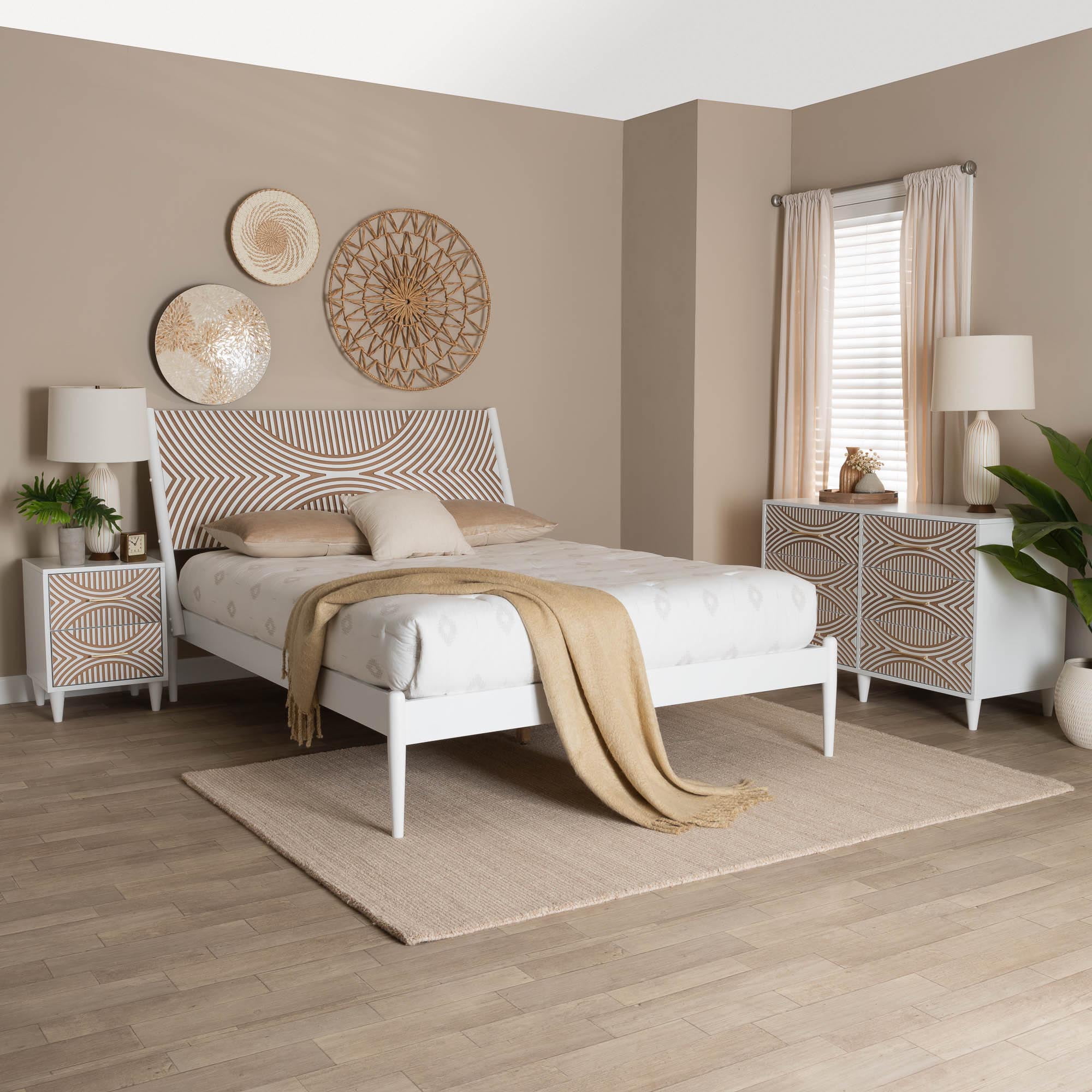
Modern Coastal design focuses on clean lines, architectural minimalism, and an understated color palette anchored by architectural white, soft sand, and warm muted gray. Furniture within this framework avoids ornate carvings or heavily distressed finishes. Instead, it features straight-edged solid wood bed frames, floating nightstands, and low-profile dressers crafted from wire-brushed white ash, blonde oak, or light maple. The emphasis rests on negative space, allowing daylight to bounce across flat, matte surfaces.
Classic Hamptons Elegance
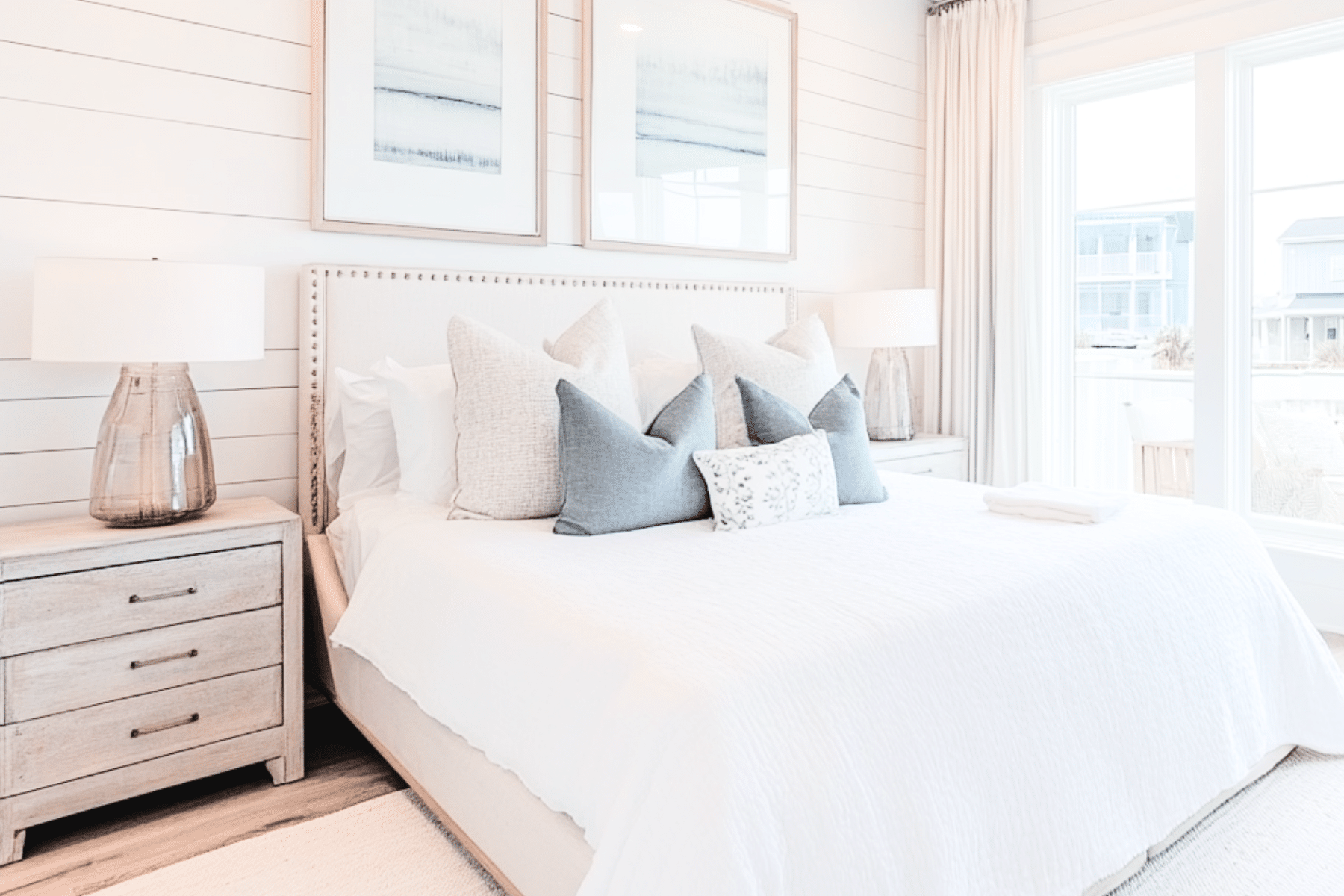
Rooted in traditional maritime estates, the Hamptons style pairs tailored structure with refined relaxation. Coastal bedroom furniture in this category includes slipcovered platform beds with high-grade linen, dark walnut or deep marine-navy accents, and crisp white painted wood case goods. Dressers often showcase classic campaign hardware, recessed panel drawer fronts, and turned legs. The overall aesthetic feels formal yet welcoming, balancing dense, high-end upholstery with solid hardwood cabinetry.
Coastal Cottage and Farmhouse
Coastal Cottage furniture emphasizes relaxed comfort, tactile warmth, and historic character. Core elements include painted beadboard paneling, soft ivory finishes, and wire-brushed surfaces that simulate natural exposure to sea air. Key furniture pieces include panel beds, spindle-leg nightstands, and tall chests with distressed pewter or brass knobs. This sub-style embraces light structural distressing, weathered patinas, and reclaimed timber that absorbs daily residential use gracefully.
Tropical and Artisanal Coastal
Drawing inspiration from island architecture and equatorial resorts, Tropical Coastal furniture incorporates raw organic materials, deep honey-toned hardwoods, and intricate hand-weaving techniques. Key elements include canopy beds wrapped in woven cane, hand-loomed abaca dressers, and bentwood rattan lounge chairs. Furniture in this category utilizes open-weave surfaces to encourage airflow, making it visually light yet structurally impactful.
Material Architecture & Moisture Resistance Standards
Selecting high-quality coastal bedroom furniture requires evaluating raw materials and structural joinery, particularly when placing pieces in high-humidity regions, island environments, or oceanfront homes where saline exposure accelerates wear.
DO NOT USE ASCII ART - MANDATORY RULE RE-CHECK Using Markdown lists and standard headings for structure instead.
(Self-Correction: Absolutely zero ASCII art or ASCII boxes permitted. Removing any structural ASCII elements and delivering strict narrative paragraphs and tables).
Solid Hardwoods and Kiln-Drying Metrics
Solid timber remains the gold standard for high-end coastal case goods. However, unconditioned wood reacts aggressively to relative humidity fluctuations.
Structural Moisture Standard All solid hardwood used in coastal environments must undergo a precision kiln-drying process to achieve an Equilibrium Moisture Content (EMC) of 6% to 8%. Wood conditioned to this standard prevents warping, splitting, and joint separation when exposed to sea breezes or seasonal HVAC cycles.
- Grade-A Teak (Tectona grandis): Naturally high in silica and dense organic oils, teak offers unmatched water resistance and structural dimensional stability. Left untreated, it develops a silver-gray patina; sealed with marine-grade oils, it retains a rich golden brown.
- American White Oak (Quercus alba): Features a closed-cell tyloses structure that resists moisture penetration far better than red oak. White oak accepts wire-brushing and white-wash stains while maintaining high crush strength.
- Kiln-Dried Hard Maple and Ash: Valued for tight, uniform grain patterns that absorb painted finishes smoothly without grain raising over time.
Woven Natural Materials: Rattan, Cane, and Abaca
Woven textures provide the signature visual warmth of coastal furniture while adding physical ventilation to bedroom spaces.
- Rattan and Cane: Harvested from solid palm vines, rattan stems are steamed and bent into curved headboards and armchair frames. Octagonal cane webbing, harvested from the outer skin of the vine, is installed in nightstand drawer fronts and bed footboards to promote interior cabinet airflow.
- Abaca Fiber: Derived from the leaves of the banana plant, abaca offers extreme tensile strength. Woven tightly around timber bed frames or bench seats, it provides rich textural depth and superior durability against abrasion.
- Seagrass: Harvested from underwater flowering plants, non-porous seagrass naturally repels moisture and soil. It is frequently hand-braided into structural headboards and storage chests.
Anti-Corrosive Hardware and Metalwork
Standard iron, carbon steel, and low-grade zinc alloy hardware deteriorate quickly in ocean air environments, leaving rust stains across light wood finishes. Superior coastal bedroom furniture utilizes non-ferrous, salt-resistant metals:
- Solid Unlacquered Brass: Naturally resists ocean oxidation, developing a muted, warm vintage patina rather than flaking or rusting.
- 316 Marine-Grade Stainless Steel: Features a minimum 2% molybdenum content to prevent pitting corrosion caused by atmospheric chlorides in seaside locations.
- Powder-Coated Aluminum: Ideal for internal structural framing, metal leg bases, or architectural canopy rails, delivering lightweight strength with zero rust risk.
High-Performance Textiles and Upholstery Ratings
Upholstered coastal beds, slipcovers, and bedroom seating face unique stresses from sunlight exposure, damp swimwear, and ambient moisture.
- Solution-Dyed Acrylics: Fabrics like Sunbrella or Perennials lock pigments directly into the acrylic fibers prior to spinning. This prevents fading even after 2,000+ hours of direct UV sun exposure.
- Martindale & Wyzenbeek Abrasion Standards: Upholstered bedroom seating and headboards should meet a minimum of 30,000 double rubs (Wyzenbeek method) to withstand residential wear without thinning or pilling.
- Linen-Cotton Blends with Stain-Resistant Coatings: High-end coastal aesthetics rely heavily on Belgian flax linen. Applying a fluoropolymer-free stain repellant preserves the breathability and relaxed drape of natural linen while protecting against liquid spills and humidity staining.
Core Coastal Bedroom Furniture Specifications
To curate a cohesive bedroom suite, each piece must balance functional storage, spatial footprint, and texture.
SECTION BREAK: Core Bedroom Pieces Details
Bed Frames and Focal Headboards
The bed serves as the primary visual anchor in coastal design. Key configurations include:
- Slipcovered Platform Beds: Feature removable, dry-cleanable linen covers supported by a solid kiln-dried hardwood frame. The low profile keeps sightlines open toward windows and ocean views.
- Cane and Woven Panel Beds: Combine clean-lined white oak framing with octagonal cane weave inserts in the headboard. This design allows sunlight to filter through, preventing the bed from visually overwhelming smaller rooms.
- Four-Poster and Canopy Beds: Minimalist square-profile wood or metal canopy frames elevate vertical proportions in high-ceiling coastal master suites without blocking air movement.
Dressers, Chests, and Nightstands
Storage furniture in coastal bedrooms should prioritize tactile variation over monotone factory finishes.
- Louvered Door Dressers: Incorporate angled wood slats across drawer fronts or cabinet doors, referencing shutter architecture while facilitating passive ventilation inside storage compartments.
- Grasscloth-Wrapped Case Goods: Feature hand-applied woven raffia or grasscloth wallpaper sealed under a clear, protective matte polyurethane coat. This delivers subtle textural variation across flat drawer fronts.
- Campaign-Style Nightstands: Feature recessed brass corner brackets, flush pull handles, and open lower display shelves ideal for organizing books, soft lighting, and decor.
Architectural Benches and Seating
Positioning seating at the foot of the bed or near natural light sources completes the functional bedroom suite.
- Woven Abaca End-of-Bed Benches: Constructed with solid teak or oak frames topped with tightly hand-plaited abaca cordage to offer firm, durable seating.
- Slipcovered Lounge Armchairs: Deep-seated lounge chairs dressed in neutral performance fabrics provide comfortable reading corners that absorb afternoon light without sun-bleaching.
Structural Comparison of Coastal Furniture Materials
Evaluating material properties ensures your furniture selections align with environmental exposure levels and maintenance capabilities.
| Material Type | Moisture & Salt Air Resistance | Primary Aesthetic / Style Fit | Maintenance Requirements | Typical Lifespan |
|---|---|---|---|---|
| Solid Grade-A Teak | Exceptional (High natural oil content) | Tropical Coastal, Modern Coastal | Minimal; annual teak oil application optional | 50+ Years |
| Wire-Brushed White Oak | High (Closed tyloses cell structure) | Modern Coastal, Hamptons | Low; dust with microfiber, wipe spills immediately | 30–50 Years |
| Kiln-Dried Painted Ash / Maple | Moderate (Requires solid finish seal) | Coastal Cottage, Traditional | Low; touch-up paint for chips, avoid high humidity | 20–30 Years |
| Hand-Woven Natural Cane / Rattan | Moderate (Requires controlled interior humidity) | Tropical, Bohéme, Classic Coastal | Medium; light vacuuming, oil treatment every 12–18 months | 15–25 Years |
| Solution-Dyed Acrylic Fabrics | High (Stain and UV fade resistant) | All Coastal Sub-Styles | Low; machine washable or spot clean with mild soap | 10–15 Years |
| Solid Unlacquered Brass Hardware | Exceptional (Impervious to rust) | Hamptons, Campaign, Modern Coastal | Low; natural patina develops; polish optional | 50+ Years |
Step-by-Step Spatial Layout and Furniture Placement Guide
Creating an airy coastal bedroom requires careful spatial distribution, maintaining clear traffic paths, and maximizing natural light penetration.
Step 1: Assess Natural Light and Architectural Sightlines
Position the primary bedroom furniture to accentuate exterior views and natural light pathways. Avoid placing tall dressers or solid canopy beds directly in front of light-emitting windows. Keep clearance zones of at least 36 inches around door swings and terrace access points.
Step 2: Establish the Anchor Bed Frame
Center the headboard along the primary focal wall, leaving at least 24 to 30 inches of walking space on either side of the bed. In rooms with coastal views, angle or orient the bed toward windows to create an uninterrupted line of sight to the exterior.
Step 3: Integrate Balanced Nightstands and Case Goods
Flank the bed with nightstands scaled appropriately to the mattress height. The top of the nightstand should sit within 1 to 2 inches of the top mattress surface for ergonomic access. Select dressers that complement—rather than perfectly match—the bed finish. For instance, pair a slipcovered linen bed frame with a wire-brushed white oak dresser to avoid a monochromatic showroom appearance.
Step 4: Layer Tactile Seating and Storage Solutions
If floor space permits, place a 48-to-60-inch woven bench at the foot of the bed, ensuring at least 30 inches of clearance between the bench and opposing walls or television consoles. Position a slipcovered armchair in an unused corner near a window to establish an isolated reading zone.
Environmental Maintenance and Climate Control
Coastal environments present unique ambient challenges, including fluctuating indoor relative humidity, airborne salt particles, and high UV radiation.
Indoor Environmental Target Maintain indoor relative humidity levels between 40% and 55% using dehumidification or central HVAC systems. Keeping ambient humidity within this band prevents hardwood joint expansion and deters mold growth on woven cane or natural linen.
Cleaning and Sealing Wood Finishes
- Dust Accumulation: Dust natural wood and grasscloth surfaces weekly with a dry, soft microfiber cloth. Avoid silicone-based furniture polishes, which leave a sticky residue that traps salt dust and airborne particles.
- Moisture Spills: Blot liquid spills immediately using a clean, dry cotton cloth. Do not rub, as rubbing forces liquid deeper into open wood pores or natural fiber weaves.
- Re-Sealing Raw Teak or Ash: Apply a breathable matte sealer or high-grade teak oil annually to unpainted wood pieces exposed to direct sunlight to prevent premature drying, silvering, or surface micro-cracking.
Care for Woven Cane, Rattan, and Seagrass
- Hydration: Natural cane and rattan require subtle ambient moisture to retain flexibility. In arid or air-conditioned rooms, light-mist woven surfaces with distilled water every 6 months to prevent the fibers from becoming brittle and snapping under tension.
- Vacuuming Weaves: Use a soft-bristle brush attachment on a vacuum cleaner to clear dust from open-weave cane panels and braided seagrass furniture every month.
Frequently Asked Questions
What is the difference between Modern Coastal and Nautical bedroom furniture?
Modern Coastal furniture prioritizes natural textures, architectural simplicity, light wood tones, and organic neutral fabrics without explicit maritime motifs. Nautical furniture relies on explicit maritime imagery, such as anchor prints, dark navy and red color palettes, polished brass brassware, and navy painted finishes.
How do I prevent solid wood coastal furniture from cracking in beach environments?
Ensure all solid wood furniture is constructed from kiln-dried timber with a certified 6% to 8% equilibrium moisture content. Maintain indoor humidity levels between 40% and 55% year-round using central HVAC systems or residential dehumidifiers to minimize natural wood expansion and contraction.
Are natural cane and rattan headboards durable enough for daily use?
Yes, high-quality natural cane woven into solid timber frames offers exceptional durability and resilience. Look for hand-caned octagonal patterns backed by structural support rails, which distribute weight evenly and prevent sagging or stretching over time.
What are the best fabrics for slipcovered coastal bedroom beds and seating?
Solution-dyed acrylics (such as Sunbrella or Perennials) and high-density Belgian flax linen-cotton blends provide the best balance of breathability, stain resistance, and UV lightfastness. Solution-dyed textiles will not fade when exposed to direct sunlight coming through large bedroom windows.
Can I mix dark wood furniture with a light coastal design theme?
Yes, incorporating dark woods such as mahogany, walnut, or deep espresso accents creates visual contrast in a coastal bedroom. To keep the space light and airy, balance a dark wood dresser with crisp white walls, light oak flooring, and neutral slipcovered upholstery.
Optimizing Your Coastal Sanctuary
Investing in high-quality coastal bedroom furniture requires balancing architectural aesthetics with environmental resilience. By selecting kiln-dried hardwoods, salt-resistant metals, and UV-stable performance textiles, you ensure your space maintains its understated elegance and structural integrity for years to come. Focus on organic textures, functional layouts, and proper indoor moisture control to create a serene, light-filled coastal bedroom retreat.
Image Gallery