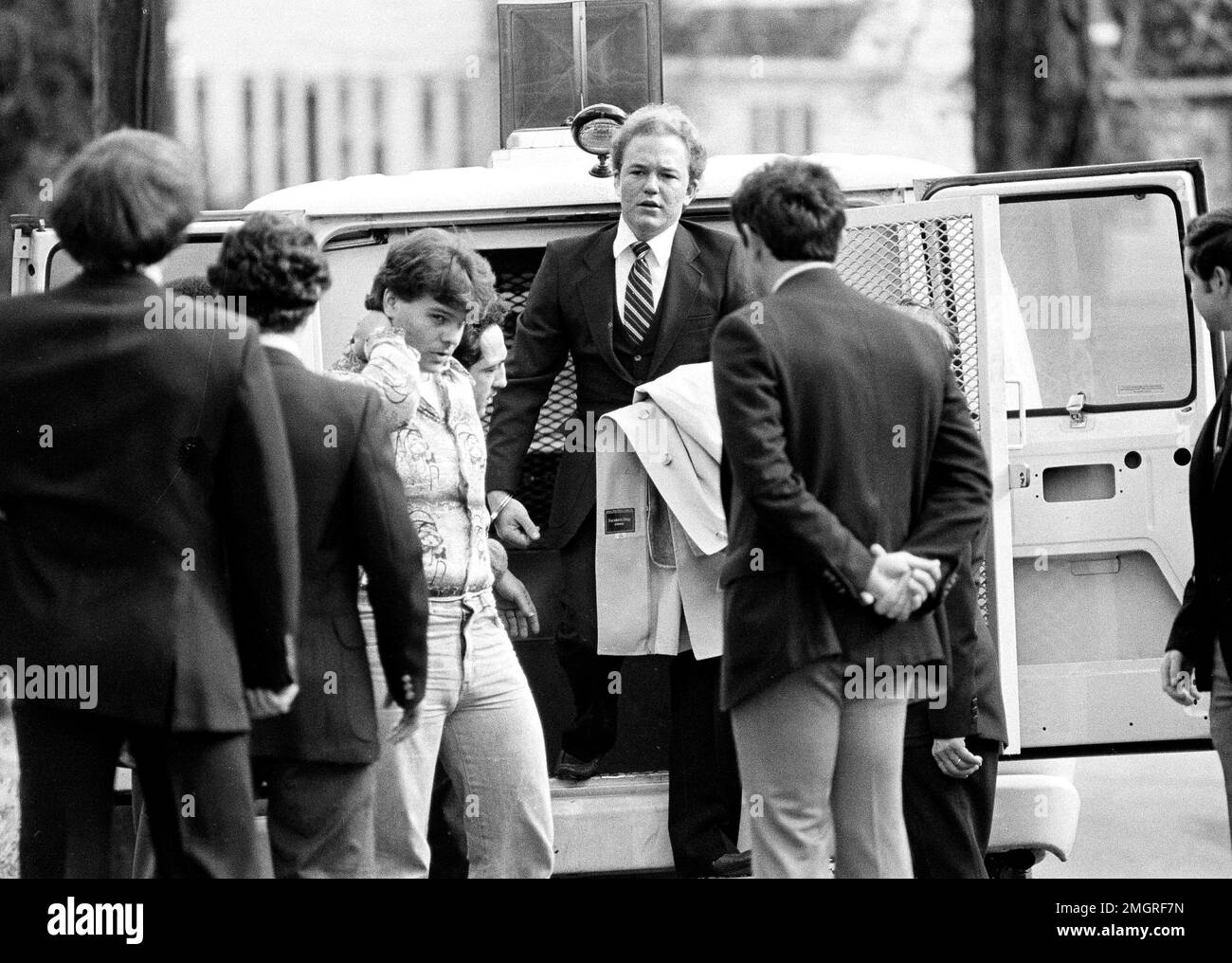
Arne Cheyenne Johnson: Addressing Misconceptions Regarding Mobility and Public Records
Arne Cheyenne Johnson, a central figure in American legal history due to his 1981 “Devil Made Me Do It” trial, is often the subject of inaccurate online speculation regarding his location and career. As of 2026, there is no verified pu...
Arne Cheyenne Johnson, a central figure in American legal history due to his 1981 “Devil Made Me Do It” trial, is often the subject of inaccurate online speculation regarding his location and career. As of 2026, there is no verified public evidence linking Arne Cheyenne Johnson to any involvement in Detroit mobility services, autonomous vehicle technology, or the automotive engineering sector.
Contents
Clarifying the Subject and Search Intent
The search query “arne cheyenne johnson now in detroit mobility” appears to conflate the identity of the well-known individual involved in the landmark Brookfield, Connecticut, court case with the thriving professional sector of mobility and automotive technology centered in Detroit, Michigan. In the age of digital information, search algorithms often associate names with high-traffic industrial hubs, leading to misleading correlations.
It is important to clarify that the Arne Cheyenne Johnson associated with the 1981 murder trial of Alan Bono has lived a largely private life following his release from prison. Any suggestion that he has pivoted to a career in Detroit’s high-tech mobility, transit, or automotive innovation sectors is currently unsupported by biographical records, professional registries, or news reports as of 2026.
The 1981 Legal Case: A Foundation of Public Interest
To understand why speculation exists regarding his life, one must look at the historical context of the individual’s notoriety. In 1981, Johnson was charged with the murder of his landlord, Alan Bono. The subsequent trial, assisted by paranormal investigators Ed and Lorraine Warren, became a national sensation because the defense attempted to plead "not guilty by reason of demonic possession."
The presiding judge in Connecticut rejected the defense’s motion, ruling that evidence of demonic possession was unscientific and irrelevant to the legal proceedings. Johnson was subsequently convicted of first-degree manslaughter and served a prison sentence. Following his release, he remained involved with the Warren family and appeared in various media projects documenting his version of events, but these activities were strictly contained within the realm of paranormal documentary and public speaking, not professional engineering or corporate mobility.
Defining Mobility in the Detroit Context
Detroit’s mobility industry is a highly technical, specialized field focused on the development of Autonomous Vehicles (AVs), Connected Vehicles (CVs), Battery Electric Vehicle (BEV) infrastructure, and shared mobility platforms. This sector requires rigorous academic backgrounds in software engineering, mechanical systems, supply chain logistics, and urban planning.
The industry in Michigan is driven by major original equipment manufacturers (OEMs), Tier 1 suppliers, and a vast ecosystem of tech startups. Professionals in this field typically maintain documented track records on professional networking platforms and within industry regulatory bodies. A search of the Michigan Department of Transportation’s mobility initiative registries and professional databases reveals no record of anyone by this name working in the sector.
Why Digital Information Confusion Occurs
The intersection of specific names and trending industrial keywords is a common phenomenon in contemporary SEO and information retrieval. Several factors contribute to this:
- Entity Resolution Failures: Search engines sometimes struggle to distinguish between individuals with common names or attempt to aggregate search intent based on proximity to high-frequency keywords like "Detroit" and "Mobility."
- Algorithm-Generated Speculation: Automated content scrapers often aggregate disparate data points—such as a person's name and a major news topic—into “people also ask” or related search snippets, creating a false perception of a connection.
- Media Saturation: The continued interest in Johnson via feature films and streaming documentaries keeps his name in circulation, making it a "target" for search engine optimization tactics that pair his name with whatever is currently trending in news cycles.
Distinguishing Fact from Fiction in Personal Research
When researching individuals—especially those who have been subject to intense media scrutiny—it is essential to rely on primary sources rather than third-party content mills. Below is a guide to validating information regarding individuals in the professional sector:
| Source Type | Purpose | Reliability |
|---|---|---|
| Professional Registries | Verifying current employment and industry affiliation | High |
| Court Records | Confirming legal history and official biographical data | Absolute |
| Industry News Sites | Tracking professional appointments and corporate shifts | High |
| Social/Entertainment Media | Evaluating public-facing narratives | Low (High risk of bias/error) |
Understanding the Mobility Sector in 2026
For those interested in the actual state of mobility in Detroit, the focus remains on the rapid integration of artificial intelligence into public transport, the expansion of the Michigan Central innovation hub, and the development of vehicle-to-everything (V2X) communication technology. These projects are handled by specialized firms and government-led consortia that prioritize transparency regarding their workforce and leadership teams.
If you are researching career paths or individuals currently leading these initiatives, you should look toward official websites for:
- The Michigan Economic Development Corporation (MEDC): Often lists key players in the state’s mobility infrastructure.
- SAE International (formerly Society of Automotive Engineers): Provides directories for engineering professionals.
- OEM Corporate Directories: Major players like General Motors, Ford, and Stellantis maintain public profiles for their senior staff and engineering leads.
Frequently Asked Questions
Is Arne Cheyenne Johnson involved in the automotive industry? No. There is no verified information or credible evidence to suggest that Arne Cheyenne Johnson has any professional role in the automotive or mobility industry in Detroit or elsewhere.
Has Arne Cheyenne Johnson moved to Detroit? Public records do not confirm that Johnson has relocated to Detroit. He has historically maintained a life outside of the public eye in the years following his legal case.
Why does my search engine suggest a link between this name and mobility? This is likely an error caused by automated search algorithms associating a well-known name with a high-traffic industrial keyword. There is no factual relationship between the two.
Where can I find accurate information about Arne Cheyenne Johnson? The most reliable information regarding his past is found in the legal transcripts of the 1981 Connecticut Superior Court trial. Recent information is limited to interviews and documentaries where he has chosen to speak publicly.
What is the Detroit mobility sector? It is a professional and technological ecosystem focused on the future of transportation, including electric vehicle batteries, autonomous driving software, and urban infrastructure development, centered in Michigan.
Next Steps for Research
If you are attempting to verify a professional profile or background in the automotive industry, always utilize verifiable professional databases or official company filings. If you are researching the legal history of Arne Cheyenne Johnson, focus your inquiries on academic legal archives or official state court dockets rather than modern search-generated suggestions. Misattributing professional roles to individuals based on algorithmic errors can lead to the spread of misinformation and should be cross-referenced with official professional registries.
Image Gallery