The Best Matte Moisturizing Lipstick for 2026: Comfort Meets Velvety Finish
Finding a matte lipstick that does not dry out lips requires formulas that pair blurring pigments with high-performance hydrating agents like encapsulated hyaluronic acid, squalane, and nourishing plant oils. The best matte moisturizin...
Finding a matte lipstick that does not dry out lips requires formulas that pair blurring pigments with high-performance hydrating agents like encapsulated hyaluronic acid, squalane, and nourishing plant oils. The best matte moisturizing lipsticks deliver high color payoff, a velvety soft-focus finish, and long-wearing comfort without cracking, flaking, or accentuating fine lip lines.
Contents
The Science of Modern Hydrating Mattes: Why Matte No Longer Means Drying
Historically, achieving a flat, shine-free matte lip meant sacrificing moisture. Traditional matte lipsticks relied heavily on high concentrations of dry waxes, kaolin clay, and volatile solvents. As those solvents evaporated, they left behind a rigid layer of heavy pigment that trapped zero moisture, often leeching natural oils from the delicate skin of the lips. The result was a tight, uncomfortable feel, uneven wear, and severe lip accentuation within a few hours.
Formulation chemistry has fundamentally altered this landscape. Modern "hydrating matte" or "moisturizing matte" lipsticks utilize advanced emulsion technologies, silicone elastomer gels, and specialized pigment-coating methods to deliver rich color without drying out the lips.
Traditional Matte: High Wax/Clay + Dry Pigment -> Evaporation -> Tightness & Flaking Modern Hybrid Matte: Elastomer Matrix + Encapsulated Hydrators -> Soft-Focus Finish + Moisture Retention
Key Hydrating and Barrier-Supporting Ingredients
To evaluate whether a matte lipstick will keep your lips comfortable throughout the day, examine the ingredient deck for these core components:
- Encapsulated Hyaluronic Acid: Standard hyaluronic acid molecules are often too large or water-soluble to function effectively in waterless cosmetic oil bases. Encapsulated spheres penetrate the superficial lip layers, absorbing ambient moisture and swelling slightly to fill in fine lines while providing sustained hydration.
- Squalane and Phytosterols: Weightless emollients that mimic the skin's natural sebum. Squalane provides immediate slip during application, smoothing over rough patches without adding greasy shine.
- Silicone Elastomers (Dimethicone Crosspolymers): These create a flexible, breathable matrix across the lips. Instead of drying down into a hard shell, silicone elastomers diffuse light to create a soft-focus matte appearance while locking in moisture beneath a soft, pillowy layer.
- Nourishing Plant Butters (Shea, Mango, and Murumuru): Rich in fatty acids, these lipids cushion the lip barrier, preventing transepidermal water loss (TEWL) during extended wear.
- Ceramides and Fatty Acids: Essential lipids that actively repair and maintain the moisture barrier of the thin stratum corneum found on human lips.
Key Factors to Consider When Choosing a Moisturizing Matte Lipstick
Not all matte lipsticks are formulated for the same lip type or aesthetic preference. Understanding texture classifications and performance tradeoffs ensures you select a product tailored to your daily needs.
1. Texture Classifications
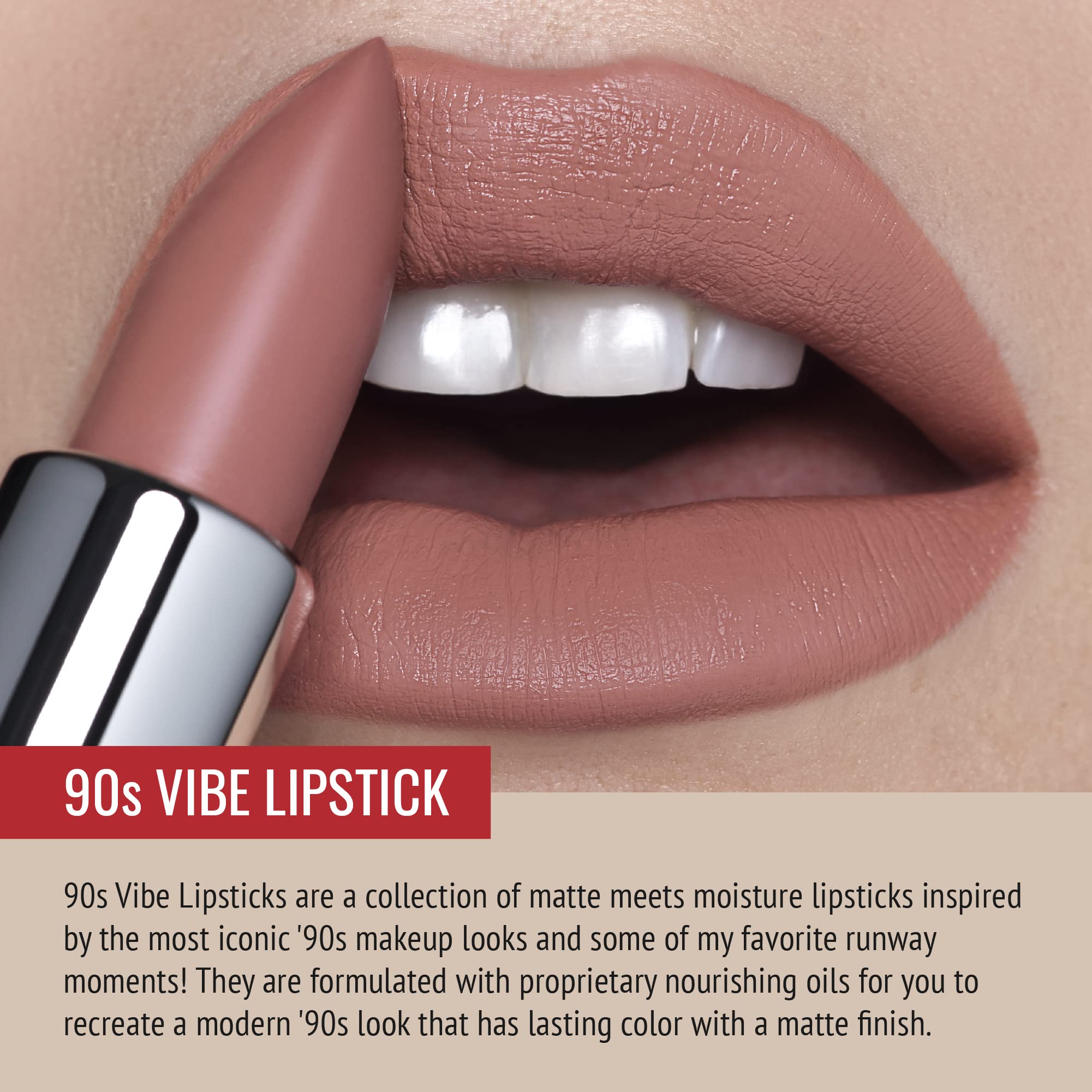
- Velvet Bullet Lipsticks: Traditional swivel-up bullets infused with micro-emollients. They offer the highest color payoff in a single swipe and provide a classic creamy-matte finish with moderate transfer.
- Liquid Powder Mattes: Mousse-like or whip-textured formulas applied with a doe-foot applicator. They dry down to a weightless, blurred finish that feels nearly weightless, ideal for thin lips or those prone to feathering.
- Matte Tints and Balms: Shearer, buildable formulations that yield a subtle flush of color with a soft matte edge. These prioritize barrier hydration above intense coverage.
2. Pigment Concentration vs. Emollient Ratio
High-coverage opaque mattes require denser pigment loads, which inherently reduces the volume available for liquid emollients. If your primary concern is severe dryness or active chapping, opt for medium-coverage, buildable formulas where the emollient phase outweighs the dry pigment phase. If long-wearing full coverage is essential, seek formulas that utilize pigment-wetting agents like tridecyl trimellitate to keep dense pigments lubricated.
3. Transfer Resistance vs. Wearing Comfort
There is a natural trade-off between absolute transfer proofing and hydration. Completely transfer-proof liquid lipsticks rely on film-forming resins (like trimethylsiloxysilicate) that tighten as they set. While extremely durable, these resins can feel restrictive. Moisturizing mattes intentionally tone down these harsh film formers, resulting in a comfortable, flexible finish that may leave light transfer on cups or utensils but remains easy to touch up without peeling.
Top Categories & Formula Breakdown for 2026
When evaluating options, categorized performance profiles help match product mechanics to individual wear goals.
High-Comfort Velvet Bullets
Velvet bullet formulas remain the gold standard for daily wear. Formulated with a balanced ratio of low-melting-point waxes and botanical lipids, these bullets glide effortlessly over dry patches without tugging. They deliver full-density color with a soft, satin-matte sheen that subtly dulls down to a full matte over thirty minutes while retaining a soft cushion on the lips.
Soft-Blur Powder Mattes
Powder-matte technology utilizes spherical silica particles and dimethicone blends rather than heavy clays to absorb light reflection. The resulting visual effect blurs fine lines and texture, creating a diffused, airbrushed look. These weightless formulas are particularly suited for individuals who dislike the heavy, tactile feeling of standard lipstick.
Hydrating Liquid Soufflés
Whipped liquid lipsticks replace traditional quick-drying alcohol bases with hydrating gels and suspended micro-droplets of oil. They coat the lips in a thin, flexible layer that moves with facial expressions, preventing the cracking and peeling commonly associated with older liquid lipstick lines.
Head-to-Head Comparison: Formula Types and Features
The table below compares the primary structural variations of moisturizing matte lipsticks available in 2026 to help guide your purchasing decision based on performance priorities.
| Formula Type | Key Ingredients | Hydration Level | Finish Profile | Wear Duration | Best Suited For |
|---|---|---|---|---|---|
| Velvet Comfort Bullet | Shea Butter, Squalane, Microcrystalline Wax | High | Satin-Matte / Creamy Velvet | 4 to 6 Hours | Daily wear, dry lips, classic full-coverage application |
| Soft-Blur Powder Matte | Silica Spheres, Dimethicone Crosspolymers | Medium-High | Soft-Focus / Diffused Matte | 3 to 5 Hours | Hiding texture, fine lines, blurred edge application |
| Hydrating Liquid Soufflé | Encapsulated Hyaluronic Acid, Jojoba Oil | Medium | Weightless Plush Matte | 6 to 8 Hours | Long days, minimal touch-ups, high color intensity |
| Matte Conditioning Balm | Ceramides, Sunflower Seed Wax, Vitamin E | Very High | Sheer-to-Medium Matte | 2 to 4 Hours | Sensitive lips, minimalist makeup, casual reapplication |
How to Apply and Wear Matte Moisturizing Lipstick Without Flaking
Even the most hydrating matte formula requires proper preparation and application to achieve a smooth, professional result. Following a structured prep routine maximizes wear time and prevents uneven color settlement.
Step 1: Gentle Prep and Exfoliation
Never apply matte lipstick over loose skin or active flakes. Prepare the canvas using a mild, enzyme-based lip polish or a damp, soft microfiber cloth. Avoid overly abrasive sugar scrubs right before application, as micro-tears can cause stinging when pigmented formulas are applied.
Step 2: Strategic Pre-Moisturization
Apply a lightweight lip serum or non-greasy balm ten minutes before applying your makeup. Allow the active humectants to penetrate the skin. Immediately prior to lipstick application, blot off any remaining excess surface oil with a clean tissue. Leaving a greasy film behind will cause the matte formula to break down prematurely and slip outside the lip perimeter.
Step 3: Layered Application
To maximize both pigment payoff and comfort:
- Outline the lips using a lip liner rich in long-wear waxes to prevent feathering.
- Apply the moisturizing matte lipstick starting at the center of the cupid’s bow, working outward toward the corners.
- Gently press lips together once to distribute pigment evenly—avoid rubbing back and forth aggressively, which disrupts the uniform elastomer matrix.
- Blot lightly with a single ply of tissue, then press a minimal second coat onto the center of the lips for added dimension and longevity.
Common Mistakes That Ruin a Matte Lip Look
- Applying Over Heavy Lip Oils or Glosses: Laying a matte lipstick directly over an un-blotted oil creates an unstable emulsion, causing color to pool in the lip corners and streak within an hour.
- Over-Layering Throughout the Day: Applying fresh layers of matte lipstick over old, partially worn pigment builds up unnecessary product mass. Instead, touch up by gently blotting away residual product with a napkin before pressing fresh color into place.
- Neglecting the Lip Perimeter: Matte formulas highlight sharp edges. Failing to clean up or define the lip border can make subtle bleeding look more pronounced. Use a micro-concealer brush to crisp up edges if necessary.
- Using Harsh Alcohol Wipes for Removal: Pulling off long-wearing pigments with aggressive, alcohol-laden makeup wipes strips the lipid barrier. Use a gentle oil-based cleanser or micellar water formulated for sensitive skin to dissolve color effortlessly.
Frequently Asked Questions
Can a matte lipstick truly be hydrating?
While a matte lipstick does not add wet shine, modern formulas containing humectants like encapsulated hyaluronic acid and emollients like squalane actively hydrate and seal the lip barrier. They prevent water loss while maintaining a non-reflective, soft-focus visual finish.
How do I stop matte lipstick from settling into fine lip lines?
Look for formulas containing dimethicone crosspolymers or silica spheres rather than heavy clay bases. Elastomer-based "powder mattes" fill in fine lines mechanically without drying, smoothing the texture of the lips visually and physically. Proper pre-application exfoliation and blotting also play a vital role.
What is the difference between velvet matte and powder matte?
Velvet mattes offer a slightly richer, creamy feel upon application with a subtle cushion and slight sheen that slowly settles into a comfortable matte finish. Powder mattes use light-diffusing powders to create an instantly dry, soft-focused, weightless look with zero shine from the first application.
Is liquid matte or bullet matte more moisturizing?
Generally, bullet mattes are more moisturizing because they contain a higher concentration of plant waxes, emollients, and conditioning oils. However, modern liquid soufflés infused with encapsulated hydrators offer comparable comfort while providing greater longevity.
Do I need a lip primer with a moisturizing matte lipstick?
A dedicated primer is usually unnecessary if you prepare your lips properly with exfoliation and a blotted lip balm. However, if you experience significant lip line bleeding or severe hyperpigmentation, a clear, waxy lip primer can help smooth deep ridges and lock color in place even longer.
Practical Recommendation: Finding Your Ideal Match
When choosing your ideal matte moisturizing lipstick, align your selection with your primary lip concern:
- For Chronically Dry Lips: Select a Velvet Comfort Bullet or Matte Conditioning Balm rich in ceramides, squalane, and plant butters.
- For Fine Lines and Texture: Choose a Soft-Blur Powder Matte packed with light-diffusing silicone elastomers and micro-silica.
- For All-Day Wear and High Pigment: Opt for a Hydrating Liquid Soufflé featuring encapsulated hyaluronic acid for continuous hydration without heavy transfer.
By prioritizing formulas that blend non-drying pigments with barrier-supporting ingredients, you can enjoy rich, sophisticated matte color without compromising lip health or daily comfort.
Image Gallery