Analyzing the Ecosystem of Top Grossing Apps in the App Store for 2026
The top grossing apps in the App Store represent the pinnacle of mobile monetization, primarily driven by subscription-based models, in-app purchases, and freemium gaming economies. Examining these digital products reveals shifting con...
The top grossing apps in the App Store represent the pinnacle of mobile monetization, primarily driven by subscription-based models, in-app purchases, and freemium gaming economies. Examining these digital products reveals shifting consumer spending habits, dominant platform ecosystems across iOS, and the critical balance between user acquisition cost and lifetime value.
Contents
Understanding the App Store Economy and Monetization Frameworks
The modern app economy has evolved far beyond the simple upfront purchase model. Today, the apps generating the highest gross revenue on iOS rely on sophisticated monetization engines designed to capture recurring revenue or high-value microtransactions. Developers operating at the top of the App Store charts utilize a combination of tiered software-as-a-service (SaaS) subscriptions, virtual currency ecosystems, and digital goods trading.
At the core of this financial engine is Apple's In-App Purchase (IAP) system and StoreKit framework. This infrastructure facilitates secure transactions while enforcing platform guidelines. For subscription apps, introductory free trials, promotional offers, and managed billing cycles reduce friction and lower churn rates. Meanwhile, gaming titans rely on gacha mechanics, energy systems, and seasonal battle passes that incentivize continuous micro-spending rather than single large transactions.
Analyzing how these monetization models perform across different categories requires a look at structural performance indicators. The table below outlines the primary monetization frameworks utilized by top grossing apps, detailing their average revenue per user (ARPU) profile, primary churn risks, and dominant application categories.
| Monetization Framework | Primary App Categories | ARPU Profile | Major Churn / Risk Factor |
|---|---|---|---|
| Freemium Subscription | Streaming, Productivity, Fitness | Medium to High | Content fatigue, rising subscription fatigue, billing failures |
| Consumable Microtransactions | Gaming, Social Discovery | Variable (High for Whales) | Acquisition costs, user base saturation, balance issues |
| Non-Consumable Upfront | Utilities, Professional Tools | High (One-time) | Lack of recurring revenue, slow net-new user acquisition |
| Ad-Supported with Removal IAP | Casual Games, Content Aggregators | Low to Medium | Ad network yield fluctuations, intrusive user experience |
Key Categories Dominating the Top Grossing Charts
A longitudinal study of the App Store top grossing charts reveals that financial success is heavily concentrated in specific verticals. While millions of apps exist across productivity, travel, and lifestyle, a select few industries consistently capture the vast majority of consumer wallet share.
Entertainment and Video Streaming Services
Subscription video-on-demand (SVOD) platforms like Netflix, Disney+, and Max maintain a permanent fixture near the top of the revenue charts. These apps succeed by pairing vast content libraries with localized pricing strategies and seamless multi-device continuity. Their integration with Apple's subscription billing allows users to manage renewals effortlessly within their iCloud settings, directly lowering administrative churn.
Mobile Gaming Giants
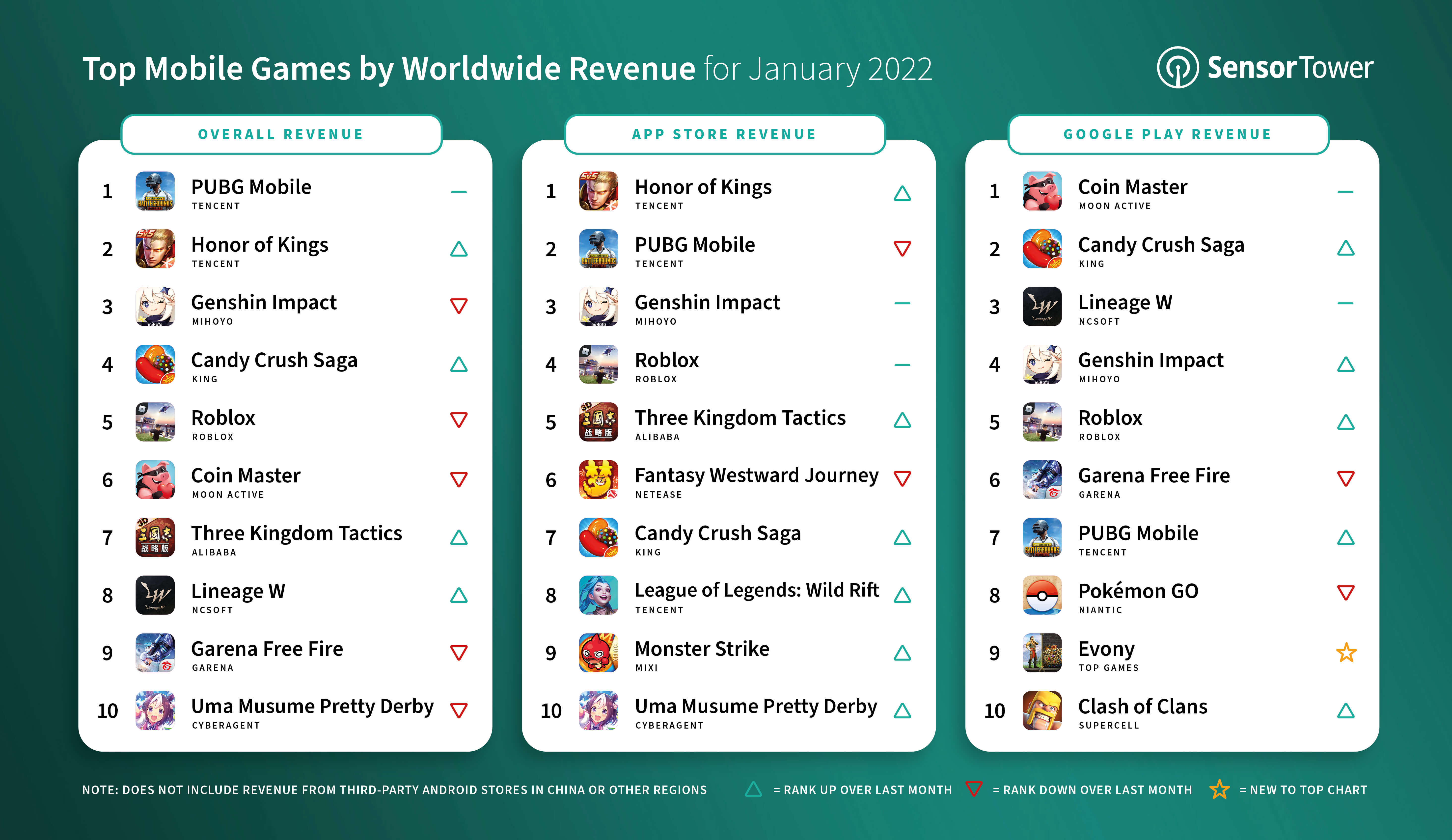
Mobile gaming accounts for the largest share of total gross revenue on the App Store. Titles featuring live-ops (live operations)—such as open-world role-playing games, battle royales, and strategic puzzle games—continually update their digital storefronts with limited-time events, exclusive characters, and cosmetic items. This constant refresh cycle triggers the psychological triggers of scarcity and social proof, driving high-volume micro-purchases among dedicated player bases.
Dating and Social Discovery Networks
Dating applications utilize a hybrid monetization model combining recurring premium subscriptions (such as matching visibility boosts) with a la carte consumable purchases (such as virtual gifts or super-likes). These platforms derive their financial strength from network effects: as more users join, the perceived utility of the platform increases, justifying higher tier pricing structures for advanced filtering and discovery features.
Technical Requirements and Best Practices for App Store Optimization (ASO) and Monetization
Achieving and sustaining a position among the top grossing apps requires more than just a compelling product concept. Developers must adhere to rigorous technical standards and optimize their presence within the App Store ecosystem to maximize conversion rates.
- StoreKit Implementation: Engineers must integrate the latest StoreKit APIs to support promotional offers, win-back offers for lapsed subscribers, and seamless subscription management. Failure to handle edge cases in receipt validation can lead to revenue leakage and fraudulent access.
- Performance and Stability: High-grossing apps maintain strict crash-free session rates above 99.5%. Performance bottlenecks directly impact user trust and correlate with immediate subscription cancellations and negative reviews.
- Localized Pricing Tiers: Utilizing Apple's automatic currency conversion and localized pricing matrices ensures that monetization scales appropriately across regional purchasing power parities, maximizing global gross yield.
- SKAdNetwork and Privacy Compliance: Navigating Apple's App Tracking Transparency (ATT) framework requires advanced attribution modeling using privacy-preserving measurement tools, ensuring marketing spend translates effectively into high-LTV users.
Strategic Note on Platform Guidelines Developers must maintain strict compliance with Apple App Store Review Guidelines, particularly regarding Section 3.1 (Payments). Attempting to route digital good purchases outside of the official in-app purchase ecosystem can result in immediate application removal and developer account termination.
Comparing Top Grossing App Strategies: Subscription vs. In-App Purchase
When planning a high-revenue mobile application, product architects must decide whether to anchor their business model around recurring subscriptions or consumable in-app purchases. Each strategy demands entirely different user experiences, retention funnels, and customer support infrastructures.
Subscription models focus heavily on habit formation, continuous value delivery, and customer success management. The objective is to secure long-term lifetime value (LTV) that comfortably exceeds customer acquisition costs (CAC). Conversely, in-app purchase models in gaming and social apps prioritize high engagement loops, immediate gratification, and psychological hooks that encourage repeat micro-transactions from a small percentage of power users, commonly referred to as "whales."
Choosing the incorrect model for a specific software niche often leads to premature churn or insufficient monetization velocity. For instance, a productivity utility relying on one-off consumable purchases will struggle to fund ongoing server maintenance and feature updates, whereas a fast-paced arcade game forced into a monthly subscription model will encounter severe consumer resistance.
Frequently Asked Questions About Top Grossing Apps
How does Apple calculate the top grossing app rankings?
Apple determines top grossing rankings based on total net revenue generated from both upfront purchases, in-app purchases, and subscription renewals within a rolling 24-hour window. This algorithm accounts for regional variations and updates multiple times per day to reflect real-time market activity.
Do in-app purchases and subscriptions cost developers a commission?
Yes, Apple typically charges a 30% commission on digital goods, in-app purchases, and subscriptions for the first year. This rate drops to 15% for qualifying subscriptions after one continuous year under the App Store Small Business Program or specific streaming partnerships.
Why do some free-to-play games generate more revenue than paid productivity apps?
Free-to-play games leverage microtransaction economies that allow high-spending users to invest unlimited capital into virtual goods and progression speedups. In contrast, paid utility apps are capped by a single upfront purchase price and face longer replacement cycles.
Can developers offer external payment links inside iOS apps?
Following regulatory changes and court rulings in specific jurisdictions, developers in regions like the United States and the European Union may be permitted to include links to external websites for account management, though strict compliance frameworks and alternative commission structures still apply.
What is the primary cause of high churn in subscription apps?
The most common driver of subscription churn is a lack of ongoing perceived value, poor onboarding experiences, and involuntary churn caused by expired credit cards or failed billing renewals managed through Apple ID payment methods.
Conclusion and Strategic Next Steps for App Developers
Reaching the top grossing charts on the App Store demands a meticulous alignment of technical stability, psychological engagement, and robust monetization architecture. By understanding the underlying mechanics of subscription models and microtransaction economies, product teams can build sustainable applications designed for long-term commercial viability. Focus engineering efforts on maintaining immaculate crash-free rates, optimize your StoreKit integration for seamless billing renewals, and continuously analyze user behavior cohorts to refine your acquisition and retention funnels.
Image Gallery