Which Jellyfish Can Kill You: Understanding Dangerous Marine Cnidarians
While most jellyfish stings result in localized pain, irritation, or minor allergic reactions, a small subset of species possesses potent enough venom to cause life-threatening cardiovascular or respiratory failure in humans. The most...
While most jellyfish stings result in localized pain, irritation, or minor allergic reactions, a small subset of species possesses potent enough venom to cause life-threatening cardiovascular or respiratory failure in humans. The most dangerous jellyfish are primarily found in the tropical waters of the Indo-Pacific, where their neurotoxic venom can induce rapid systemic collapse if immediate medical intervention is not provided.
Contents
The Mechanism of Lethality: How Jellyfish Venom Works
To understand why some jellyfish are fatal, one must first understand the biological mechanism of a sting. Jellyfish belong to the phylum Cnidaria, characterized by specialized cells called cnidocytes. These cells contain nematocysts—microscopic, spring-loaded harpoons capable of injecting complex cocktails of toxins.
In most species, these toxins are designed to immobilize small fish or crustaceans. However, in the most dangerous species, the venom acts as a powerful neurotoxin. When injected into human skin, the toxins can rapidly enter the bloodstream, traveling to the heart and nervous system. The primary cause of death in fatal cases is typically cardiac arrest or respiratory failure induced by these toxins, often occurring within minutes of the sting. Because the onset of symptoms can be so rapid, survival is highly dependent on both the dosage of venom delivered and the speed of access to professional emergency medical services.
The Most Dangerous Species: Box Jellyfish (Cubozoa)
The term "box jellyfish" refers to the class Cubozoa, which contains the most venomous marine animals known to science. Unlike the more common bell-shaped jellyfish, box jellyfish are cuboid in shape and possess highly developed nervous systems, allowing them to swim actively rather than merely drifting with currents.
Chironex fleckeri (The Australian Box Jellyfish)
Widely considered the most lethal jellyfish, Chironex fleckeri is found in the coastal waters of northern Australia and Southeast Asia. A single mature specimen can have up to 60 tentacles, each measuring up to three meters in length and containing millions of nematocysts. The venom is so potent that it can cause cardiac arrest in a human in under five minutes. The extreme pain of the sting is often described as feeling like the skin is being burned by hot iron, which can lead to shock and drowning if the victim is in the water.
Carukia barnesi (Irukandji Jellyfish)
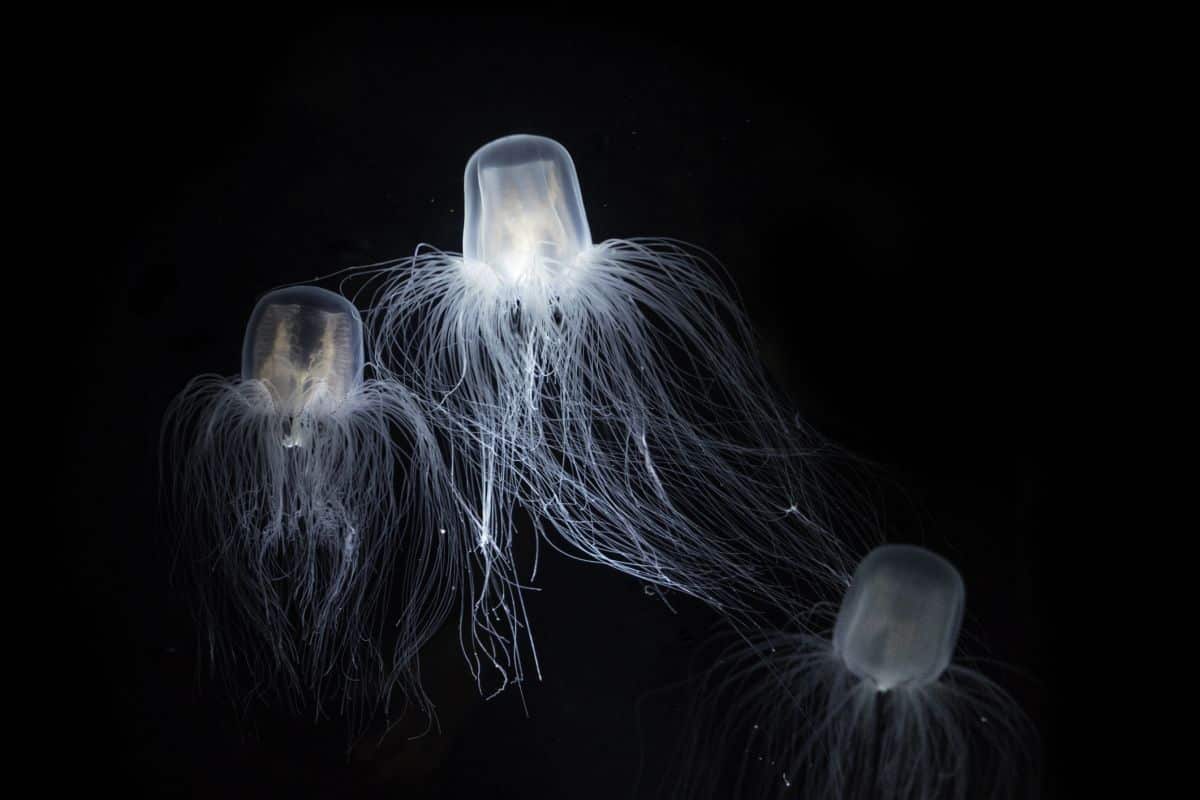
While much smaller than Chironex fleckeri—often the size of a fingernail—the Irukandji jellyfish is arguably more insidious. The "Irukandji syndrome" it triggers is a systemic reaction that includes severe muscle cramps, vomiting, acute back pain, and a sense of impending doom. While death is rare compared to Chironex, it can occur due to complications such as pulmonary edema or intracranial hemorrhage, particularly in vulnerable populations.
Comparison of Lethal and High-Risk Jellyfish
The following table differentiates between species based on typical lethality and geographic range. It is important to note that environmental conditions can significantly influence the severity of any jellyfish encounter.
| Species | Primary Habitat | Risk Profile | Primary Medical Concern |
|---|---|---|---|
| Chironex fleckeri | Indo-Pacific/Australia | Extremely High | Cardiac arrest, shock |
| Carukia barnesi | Northern Australia | High | Irukandji syndrome, hypertension |
| Physalia physalis | Global/Open Oceans | Moderate/High | Systemic allergic response |
| Chiropsalmus spp. | Atlantic/Gulf of Mexico | Moderate | Severe envenomation |
Note: While the Portuguese Man o' War (Physalia physalis) is often mistaken for a jellyfish, it is technically a siphonophore. Its sting is rarely fatal to healthy adults but can cause severe systemic reactions.
Immediate Response and First Aid Protocols
In the event of a suspected sting from a dangerous jellyfish, time is the critical factor. If you or someone else is stung in a region known for dangerous box jellyfish, the following steps are standard emergency protocol:
- Remove the Victim from the Water: Prevent drowning, as the victim may lose consciousness due to pain or rapid-onset neurotoxic effects.
- Call for Emergency Assistance: Immediately activate emergency services (e.g., dial 911 or the local equivalent). Do not delay.
- Neutralize the Stingers: In areas where Chironex fleckeri is present, experts recommend dousing the area liberally with household vinegar. Vinegar does not relieve pain, but it inhibits any remaining undischarged nematocysts from firing further venom into the skin.
- Do Not Rub the Area: Rubbing the skin or applying pressure bandages can cause undischarged nematocysts to fire, increasing the dose of venom.
- Monitor Respiration and Circulation: If the patient stops breathing or loses a pulse, initiate CPR immediately. If antivenom is available, medical professionals will administer it intravenously as the primary treatment for severe envenomation.
Risk Factors and Prevention Strategies
The risk of a lethal encounter can be significantly reduced through preventative behavior. Most fatal stings occur because swimmers enter the water during peak seasons or in prohibited areas.
- Heed Warning Signs: Beaches in areas prone to box jellyfish often fly warning flags or post signs during the season. Never ignore these.
- Use Protective Gear: Wearing a full-body "stinger suit" or a thin neoprene wetsuit provides a physical barrier that prevents tentacles from making contact with the skin.
- Avoid Murky Waters: Jellyfish are often more difficult to spot in turbid or murky water where visibility is low.
- Know Your Location: Before entering the water in a new geographic area, particularly in tropical regions of the Indo-Pacific, consult local lifeguard services or tourism boards regarding the presence of dangerous cnidarian species.
Frequently Asked Questions
Can I survive a sting from a box jellyfish? Yes, survival is possible, especially if the volume of venom delivered is low or if medical help is obtained rapidly. While the venom is potent, hospitals in endemic regions are well-equipped with specific antivenoms to treat envenomation.
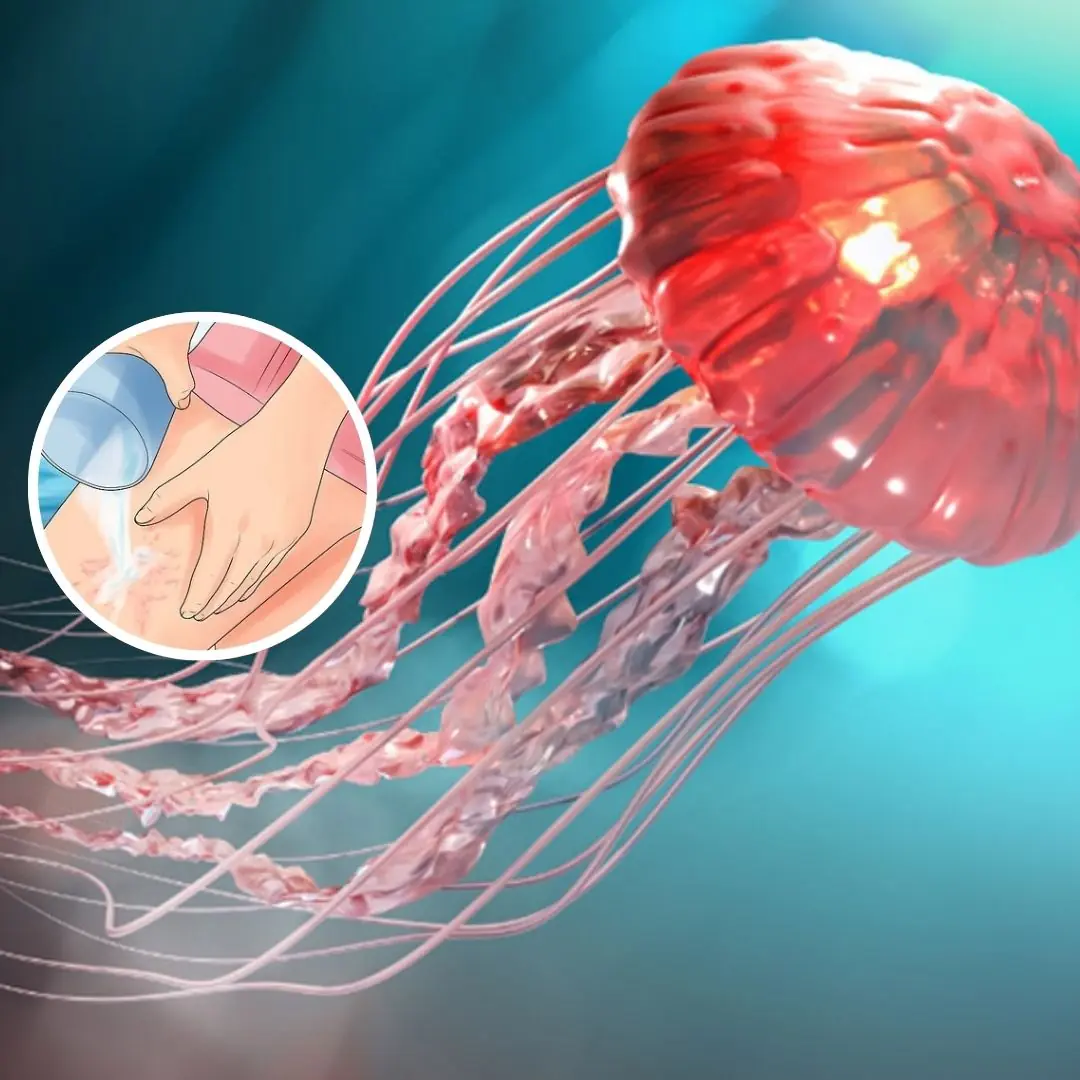
Is it true that urine helps with jellyfish stings? No. This is a common myth. Urinating on a sting can change the chemical balance of the area around the sting, which may trigger more nematocysts to release venom. Vinegar or salt water is the recommended treatment depending on the species, but if you are unsure of the species, medical help is the priority.
Are there jellyfish in the Mediterranean that can kill you? While some species in the Mediterranean, such as Pelagia noctiluca, deliver a very painful sting, they are generally not considered fatal to healthy humans. However, severe reactions can occur in those with extreme allergies.
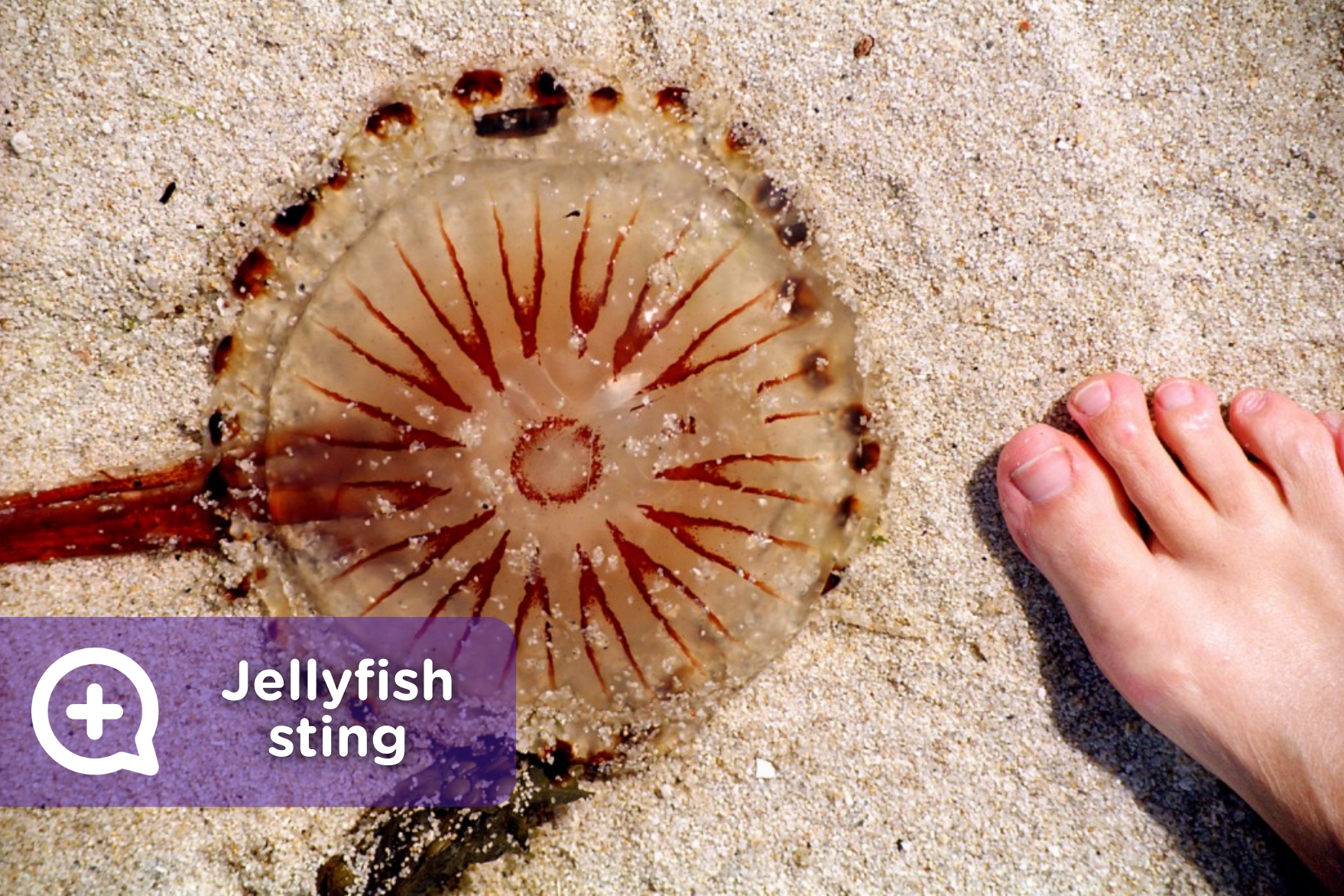
How long does the venom stay on the tentacles? Nematocysts can remain functional even after a tentacle has been detached from the main body of the jellyfish, or even if the jellyfish is washed up on the beach and appears to be dead. Avoid touching any jellyfish debris found on the shore.
Should I wear a wetsuit in tropical waters? Yes. Even if you are not in an area known for fatal jellyfish, many species can cause significant pain and skin lesions. A stinger suit provides a necessary layer of protection against all cnidarian stings.
Next Actions for Coastal Safety
When planning travel to coastal destinations, particularly in Australia, Southeast Asia, or the Caribbean, your primary safety action should be checking local maritime safety reports. If you are planning to swim or dive in unfamiliar tropical waters, always verify the current status of the "stinger season" with local authorities. When in doubt, utilize public beaches monitored by lifeguards, as they maintain the most accurate information regarding local marine risks and have the necessary equipment to provide immediate life-saving care.
Image Gallery