Where to Find Eclipse Glasses: Safe Sourcing and Certification Guide
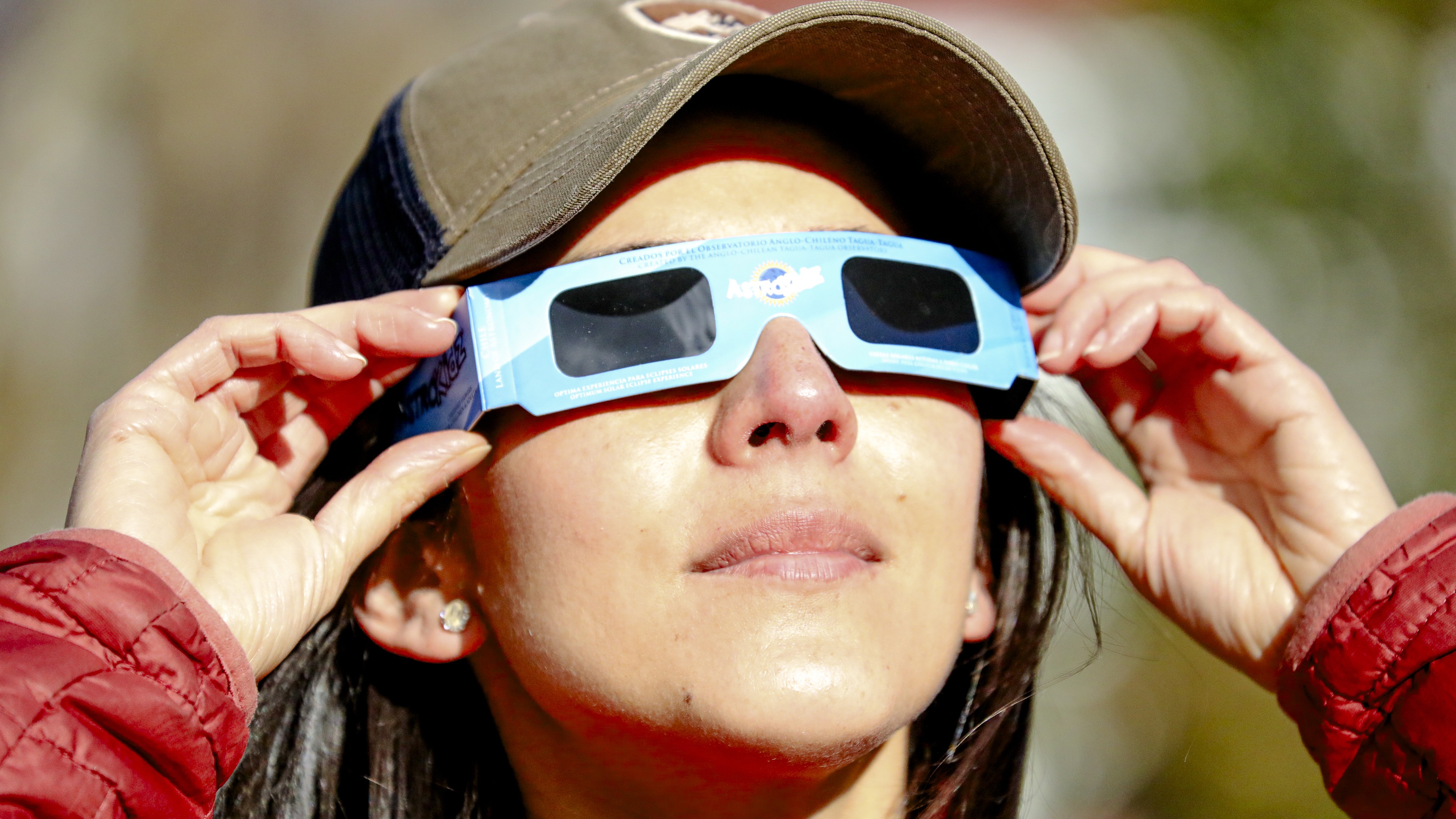
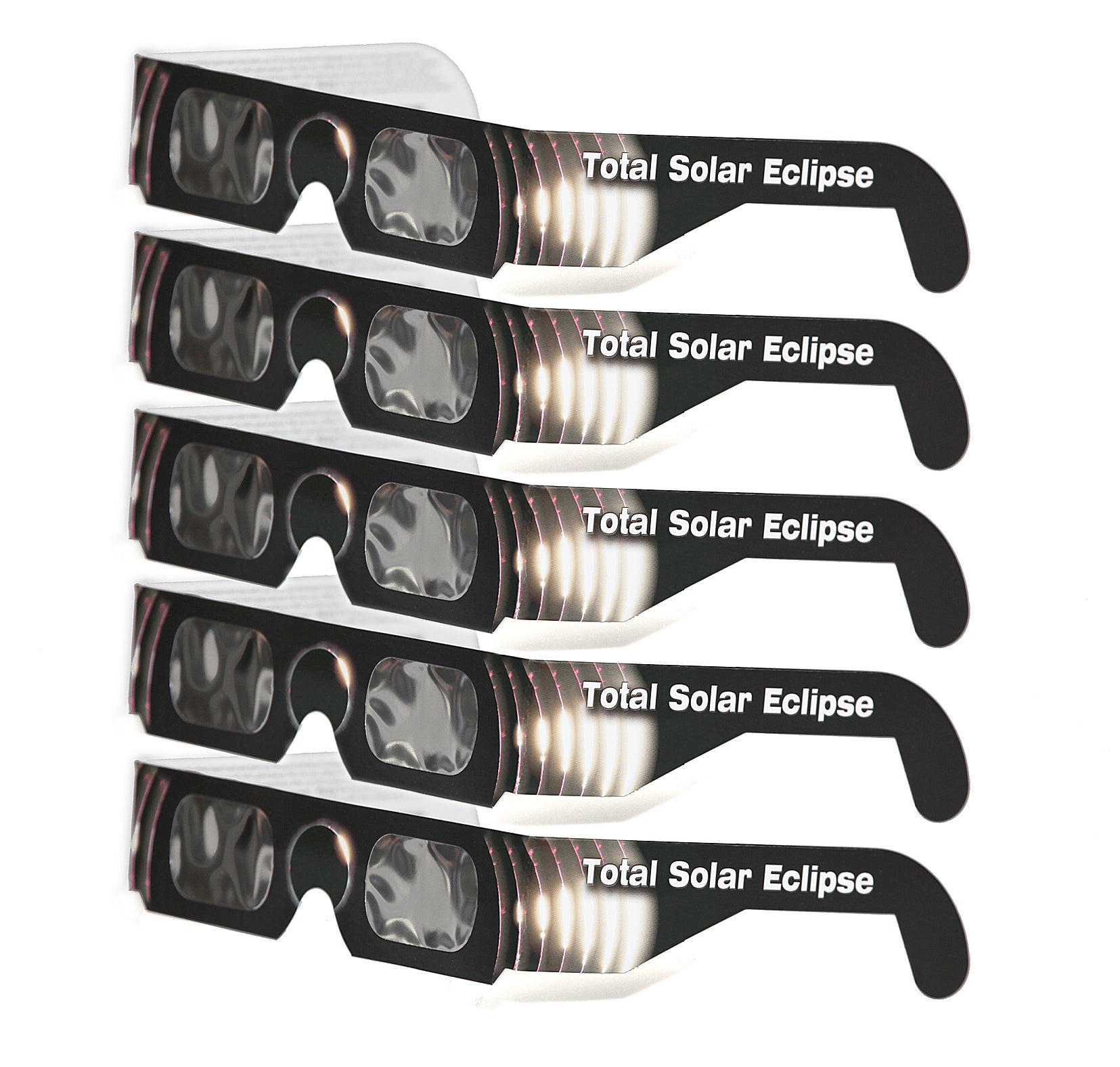
To safely view a solar eclipse, you can find certified eclipse glasses through accredited online manufacturers, major national retail chains, public libraries, science museums, and local astronomy clubs. Always verify that your eye pro...
To safely view a solar eclipse, you can find certified eclipse glasses through accredited online manufacturers, major national retail chains, public libraries, science museums, and local astronomy clubs. Always verify that your eye protection meets the ISO 12312-2 international safety standard and is sourced from vendors approved by the American Astronomical Society.
Contents
The Critical Importance of Solar Viewing Safety
Observing a solar eclipse with the naked eye, standard sunglasses, or unverified filters can cause severe visual injury, including permanent solar retinopathy. The human retina lacks pain receptors, meaning optical damage occurs without immediate discomfort. Sunlight during a partial or annular eclipse—or during the partial phases of a total solar eclipse—is intense enough to burn retinal tissues within seconds.
To safeguard your vision, specialized optical filters are mandatory. Ordinary sunglasses, regardless of how dark their lenses appear or what UV protection rating they claim, transmit thousands of times too much visible and infrared light. Standard photochromic or polarized lenses are similarly unsafe.
Safe eclipse viewers block more than 99.999% of intense visible light while simultaneously filtering out harmful ultraviolet (UV) and infrared (IR) radiation. Understanding where to obtain genuine, laboratory-tested equipment is the most critical preparation step for any solar observation event.
Understanding the ISO 12312-2 Standard
Before purchasing or accepting solar viewers, you must confirm that they meet the stringent requirements of the ISO 12312-2 standard (sometimes written as ISO 12312-2:2015). Published by the International Organization for Standardization, this standard defines the transmittance and material performance specifications required for direct solar observation.
| ISO 12312-2 Compliance Checklist |
|---|
| 1. Transmittance: Transmits <= 0.0032% of visible light |
| 2. UV Blocking: Complete absorption of UVA and UVB radiation |
| 3. IR Filtering: Substantial attenuation of Infrared light |
| 4. Structural Integrity: Free of micro-punctures or tears |
| 5. Physical Marking: Printed ISO label & manufacturer info |
A compliant solar viewer must satisfy three core visual parameters:
- Luminous Transmittance: The filter must reduce bright sunlight to a comfortable, safe viewing level, permitting no more than 0.0032% of visible light to pass through the lens (a shade factor of roughly 12 to 14).
- Spectral Coverage: The material must offer comprehensive protection across the entire electromagnetic spectrum, blocking dangerous ultraviolet wavelengths (UVA and UVB) as well as near-infrared radiation.
- Physical Uniformity: Lenses must be free of scratches, pinholes, bubbles, or structural defects that could concentrate light onto a localized area of the eye.
When examining eclipse glasses, look for the official ISO icon and standard designation printed directly on the frame. However, because counterfeiters frequently print fake ISO labels on substandard glasses, relying solely on printed text is insufficient. You should always cross-reference the manufacturer with verified industry registries.
Safe Online Vendors and Recognized Manufacturers
The safest way to buy eclipse glasses online is to order directly from manufacturers recognized by professional astronomical bodies, such as the American Astronomical Society Solar Eclipse Task Force. These companies manufacture their filters using specialized black polymer or aluminized Mylar materials independently tested in accredited laboratories.
Verified North American Manufacturers
- American Paper Optics: One of the largest global producers of paper eclipse glasses, producing custom-printed frames and standard handheld viewers utilizing certified black polymer filters.
- Rainbow Symphony: A long-established manufacturer offering paper viewers, plastic-framed eclipse glasses, handheld solar viewing cards, and large sheets of solar filter film.
- Thousand Oaks Optical: A specialized manufacturer of professional solar filters, supplying solar sheets, optical polymer viewers, and screw-on glass filters for telescopes and binoculars for over four decades.
- Lunt Solar Systems: A leading manufacturer of dedicated solar telescopes that also produces certified paper and plastic solar eclipse viewing glasses.
Accredited Distributors and Specialty Retailers
When ordering online through secondary distributors, ensure the seller is explicitly listed on official astronomical safety portals. Trusted distributors include:
- B&H Photo Video: A major photo equipment retailer supplying professional solar filters, certified eclipse viewers, and camera lens solar caps.
- Orion Telescopes & Binoculars: A trusted astronomy vendor offering handheld cards, safety glasses, and specialized scope accessories.
- AstroSystems and Oceanside Photo & Telescope (OPT): Dedicated astronomical suppliers stocking certified viewing gear prior to major celestial events.
Avoid purchasing eclipse glasses from third-party storefront marketplace sellers (such as unverified accounts on Amazon, eBay, or Temu) unless the product explicitly specifies that it is fulfilled directly by a recognized manufacturer on the AAS approved list. In past solar events, unregulated open marketplaces have struggled to stop the influx of non-compliant imported knockoffs bearing forged safety marks.
Brick-and-Mortar Retailers Carrying Eclipse Glasses
If you prefer buying in person—or need to locate viewers shortly before an astronomical event—several national retail chains stock certified eclipse glasses. Availability varies by region and proximity to the path of totality, so calling local branches ahead of time is recommended.
| Retail Category | Major Chains / Locations | Typical Product Types |
|---|---|---|
| Home Improvement | Lowe's, Home Depot, Menards | Paper glasses, Welder glass |
| Pharmacies & Convenience | CVS, Walgreens, Rite Aid | Standard paper viewers |
| Big-Box Department | Walmart, Target, Meijer | Individual & multi-pack paper |
| Electronics & Supply | Best Buy, Staples, Office Depot | Paper viewers, optical filters |
| Supermarket Chains | Kroger, HEB, Publix, Safeway | Seasonal counter displays |
When purchasing in store, check the seasonal impulse-buy racks near checkout counters, hardware aisles, or optical centers. Inspect the physical packaging for intact seals and complete manufacturer documentation, including safety warnings, factory addresses, and batch identification numbers.
How to Obtain Free Eclipse Glasses in Your Community
For budget-conscious observers, educators, or community groups, numerous civic and educational institutions distribute certified eclipse viewers at no cost leading up to major solar events.
| Free Community Distribution Sources |
|---|
| • Public Libraries (STAR Net & Gordon and Betty Moore Fdn.) |
| • Science Museums, Planetariums, & Nature Centers |
| • University Physics & Astronomy Departments |
| • Local Amateur Astronomy Clubs (Astronomical League) |
| • Municipal Parks & Recreation Departments |
Public Library Networks
Through philanthropic programs like the STAR Library Network (STAR Net), hundreds of thousands of certified eclipse glasses are routinely distributed to public library branches across North America. Libraries frequently pair distribution with public astronomy workshops, solar observation lectures, and youth educational kits. Contact your local library system weeks in advance to learn about their distribution schedule and registration requirements.
Museums, Planetariums, and Science Centers
Local science centers and planetariums are natural hubs for solar eclipse preparations. Institutions affiliated with the Association of Science-Technology Centers (ASTC) often receive bulk shipments of safety glasses for distribution during educational outreach activities and eclipse viewing watch parties.
Amateur Astronomy Clubs
Amateur astronomy societies affiliated with the Astronomical League or NASA’s Night Sky Network frequently hold public solar observing sessions. Club officers regularly distribute certified viewers, demonstrate safe telescope operation using objective-lens solar filters, and offer advice on solar photography.
Channel Comparison for Acquiring Eclipse Viewers
Evaluating the primary acquisition routes helps ensure you choose the best option based on cost, turnaround time, safety reliability, and physical supply chain security.
| Channel / Source Type | Typical Cost per Unit | Reliability & Safety Assurance | Turnaround Time | Best Suited For |
|---|---|---|---|---|
| Direct Manufacturer Order | $1.50 – $3.00 (bulk discounts) | Highest (Guaranteed origin) | 3 – 7 business days | Advance planners, school groups, family events |
| Authorized Astronomy Retailer | $2.00 – $5.00 | Highest (Vetted inventory) | 2 – 5 business days | Photographers, telescope owners, enthusiasts |
| In-Store Brick-and-Mortar | $2.00 – $4.00 | High (Corporate inventory controls) | Immediate (Subject to stock) | Last-minute buyers, local community members |
| Public Libraries & Museums | Free ($0.00) | Highest (Grant-vetted sources) | Immediate (At event/pickup) | Families, students, local residents |
| Unverified Online Marketplaces | $0.50 – $2.00 | Low / Unsafe (Risk of counterfeits) | 1 – 3 business days | Not Recommended |
How to Spot Counterfeit or Unsafe Eclipse Glasses
Given the physical risk associated with compromised solar filters, evaluating your viewers before looking at the Sun is essential. Never use glasses that show signs of physical wear, manufacturing defects, or unverified safety labeling.
- Inspect Physical Structure
- Creases / Holes?: DISCARD IMMEDIATELY
- Intact & Smooth: Indoor Light Test
- Household Lights Visible?: DISCARD IMMEDIATELY
- Completely Dark: Bright Sunlight
- Glare / Painfully Bright: DISCARD IMMEDIATELY
- Comfortable Image: SAFE FOR ECLIPSE VIEWING
1. The Physical Inspection
Hold the viewers up to a ambient light source before placing them over your eyes. Examine the black polymer or Mylar film carefully:
- Reject any lenses that exhibit scratches, micro-punctures, pinpricks of light, torn frames, or separation from the paper or plastic mounting.
- Reject viewers where the filter material is wrinkled to the point of stretching or displaying visible thin spots in the optical coating.
2. The Indoor Light Test
Put the eclipse glasses on while standing inside a well-lit room:
- You should not be able to see normal household light bulbs, furniture, walls, or ambient indoor lighting through compliant ISO 12312-2 filters.
- The only light source that should remain faintly visible indoors is an exceptionally intense light point, such as an exposed bare LED flashlight bulb or halogen filament, which should appear extremely dim and soft. If ordinary room lighting is comfortably visible, the filters are unsafe for direct solar viewing.
3. The Indirect Sun Test
Step outside on a clear day and look down at the ground or toward a shaded area while wearing the glasses. You should see complete darkness. Gently lift your gaze toward the Sun for a fraction of a second:
- The solar disk should appear comfortably sharp, bright, and defined, displaying a soft yellow, orange, white, or light blue hue (depending on the specific black polymer or aluminized filter formulation).
- If the Sun appears painfully bright, surrounded by a heavy diffuse flare, or if you feel any instinctual discomfort, immediately look away. The filter is inadequate.
Alternative Safe Solar Viewing Methods
If certified eclipse glasses are completely sold out in your area prior to an eclipse event, safe alternative observation methods allow you to participate without risking your eye safety.
| Safe Alternative Viewing Methods |
|---|
| 1. Shade 14 Welder's Glass (Arc-welding filter plates) |
| 2. Indirect Pinhole Projection (Cardboard box projector) |
| 3. Ambient Natural Projection (Tree canopy shadows) |
| 4. Optical Solar Filters (Aperture-mounted glass/film) |
Shade 14 Welder’s Glass
Filter plates designed for heavy arc welding can serve as safe direct solar viewing filters, provided they are rated Shade 14 or higher. Welder's glass rated Shade 12 or lower transmits dangerous amounts of solar energy and must not be used. Shade 14 glass is available at welding supply stores and industrial safety distributors. It typically renders the Sun in a distinct greenish hue.
Pinhole Projection (Indirect Viewing)
Pinhole projection does not involve looking directly at the Sun. Instead, sunlight passes through a tiny aperture and projects an inverted image of the solar disk onto a secondary viewing surface.
- Sunlight
- Pinhole Aperture (Aluminum Foil) / Cardboard Shield
- Projected Image (Crescent Sun) / Viewing Screen (White Cardstock)
To construct a basic pinhole projector:
- Cut a small square hole (roughly 1 to 2 inches) in the center of a piece of thick cardstock or cardboard.
- Tape a piece of smooth aluminum foil over the hole.
- Use a small pin or needle to poke a smooth hole through the center of the foil.
- Stand with the Sun behind your back, holding the cardstock up so light passes through the pinhole, projecting a clear crescent image of the solar disk onto a white paper or poster board held a few feet away.
Natural Projection
During partial solar eclipse phases, leafy tree canopies create hundreds of natural pinhole projectors. The small gaps between overlapping leaves filter sunlight, projecting thousands of mini crescent Sun images onto the ground, walls, or sidewalks beneath the drip line.
Optical Solar Filters for Telescopes and Binoculars
Never look at the Sun through cameras, binoculars, or optical telescopes while wearing standard paper eclipse glasses. Magnified light acts like a magnifying glass focusing light onto a surface, concentrating thermal and luminous energy that will instantly melt the thin filter paper, causing immediate eye injury.
To use optical equipment safely during an eclipse, you must install purpose-built, front-aperture solar filters (glass or solar film) securely over the front objective lens of the device before light enters the optical assembly.
Frequently Asked Questions
Do standard sunglasses stack up to offer safe eclipse protection if I wear multiple pairs?
No. Layering multiple pairs of standard sunglasses—even three or four at once—does not reduce visible light or infrared transmission to the safe threshold defined by the ISO 12312-2 standard. Standard sunglasses lack the specific physical optical density and spectral absorption properties necessary to prevent solar retinopathy.
Can I use eclipse glasses from a previous eclipse event?
You can safely reuse older eclipse glasses only if they meet three criteria: they were manufactured under the ISO 12312-2 certification standard, the filter lenses show no pinholes, scratches, tears, or frame separation, and they have been stored in a cool, dry place away from moisture and sharp objects. If the structural condition of the viewer is uncertain, discard it and acquire a fresh set.
Is it safe to take photos of the solar eclipse using a smartphone camera through eclipse glasses?
Holding a certified paper filter lens directly over your smartphone camera lens can protect the camera sensor from intense solar radiation during brief partial phases. However, make sure the filter completely covers the lens assembly without light leaks around the edges. Never look through an optical viewfinder of a DSLR or mirrorless camera while doing this; optical viewfinders require a dedicated, aperture-mounted solar filter fixed to the front of the main camera lens.
Why does the Sun look white through some eclipse glasses and orange through others?
The color of the solar disk depends on the chemical composition of the optical filter material. Black polymer filters (the most common material used in modern paper frames) absorb broad wavelengths evenly, projecting a natural amber, yellow, or orange image. Silver-coated Mylar (aluminized polyester) reflects visible light differently, often producing a cool, bluish-white solar image. Both filter types are safe provided they comply with ISO 12312-2 specifications.
Final Action Steps for Safe Solar Viewing
- Verify Your Sourcing: Check your supplier against the official American Astronomical Society Solar Eclipse Task Force list of reputable vendors prior to making an online purchase.
- Inspect Physical Equipment: Examine your viewers under direct household room light before every viewing session to confirm there are no scratches, pinholes, or tears in the black polymer filter film.
- Plan Local Pickup Early: If acquiring glasses from a public library, local science museum, or brick-and-mortar retail location, obtain your supplies several weeks prior to the event to avoid regional supply shortages.
- Prepare Alternative Projectors: If certified glasses are unavailable, set up a pinhole projector using cardboard, foil, and paper so you can safely view indirect projections of the solar eclipse.
Image Gallery