Understanding Rob Lowe’s Bells Palsy Story: Insights and Medical Context
Actor Rob Lowe has publicly discussed his experience with Bell’s palsy, a condition that causes temporary weakness or paralysis of the facial muscles. His account of the diagnosis, which occurred during his early career, provides a hig...
Actor Rob Lowe has publicly discussed his experience with Bell’s palsy, a condition that causes temporary weakness or paralysis of the facial muscles. His account of the diagnosis, which occurred during his early career, provides a high-profile example of a condition that affects thousands of individuals annually. Understanding the medical reality of Bell's palsy, its symptoms, and the typical recovery trajectory is essential for those seeking clarity on this neurological event.
Contents
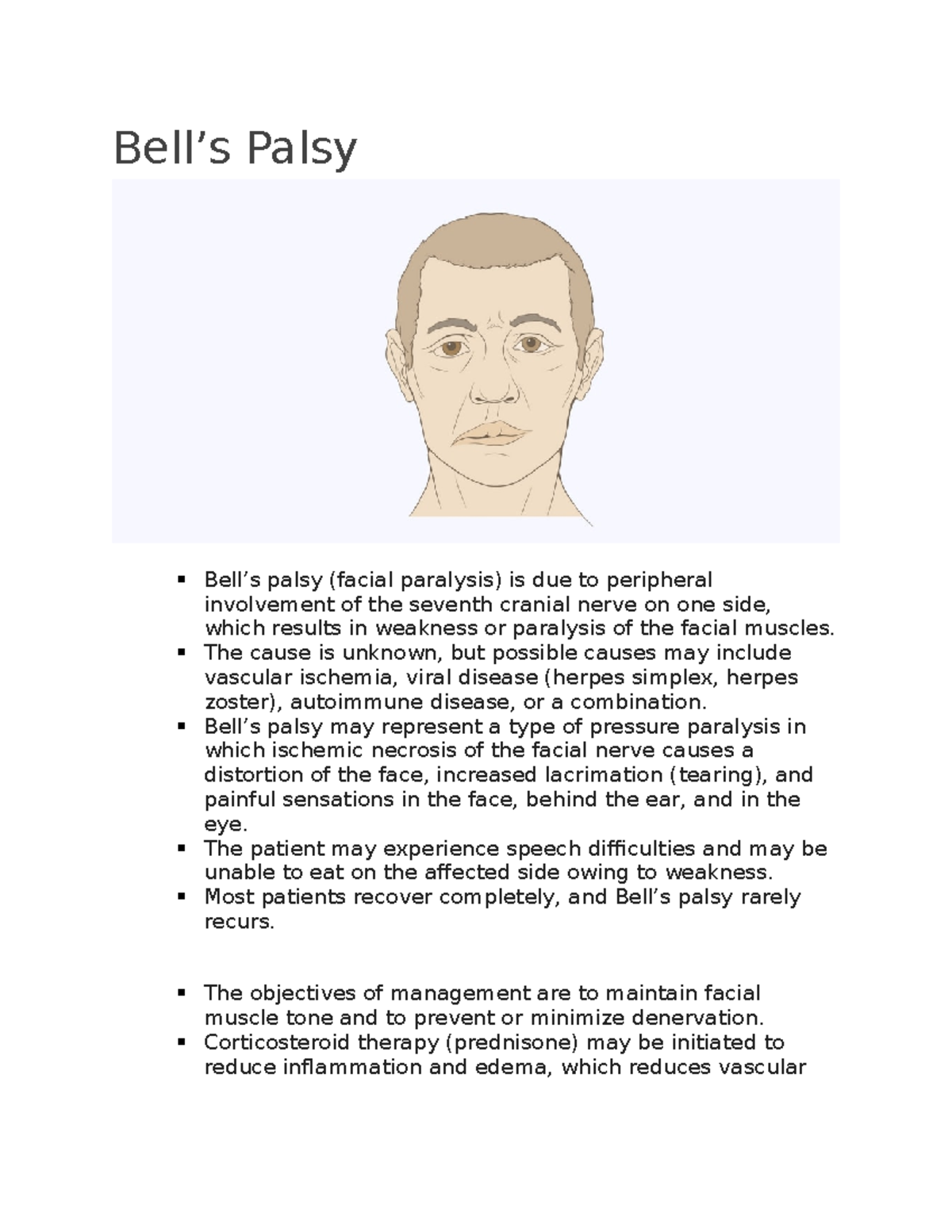
Bell’s palsy is characterized by the sudden onset of facial drooping, typically on one side, resulting from inflammation or compression of the seventh cranial nerve, also known as the facial nerve. While the exact cause remains unknown in many cases, it is frequently linked to viral infections, such as herpes simplex, which may trigger inflammation. For most people, the condition is temporary, with significant improvement usually occurring within weeks or months. Rob Lowe’s experience serves as an anecdotal reference point for the suddenness of the onset and the necessity of medical consultation, emphasizing that while the appearance of the condition can be alarming, it is often a manageable neurological event rather than a permanent disability.
Understanding the Anatomy of Bell’s Palsy
The facial nerve is a complex pathway that controls the muscles used for facial expressions, such as smiling, blinking, and frowning. It also carries nerve impulses to the lacrimal glands (tear glands), the salivary glands, and the stapedius muscle in the ear. When this nerve becomes inflamed, compressed, or swollen, the signals sent from the brain to these muscles are disrupted.
In the context of the story surrounding Rob Lowe and others who have experienced this condition, the primary mechanism is often described as idiopathic, meaning the specific cause cannot be identified. However, researchers point to several potential triggers:
- Viral Infections: Herpes simplex (the virus responsible for cold sores) is the most common suspected trigger. Other viruses, such as those causing chickenpox, shingles, Epstein-Barr, or influenza, have also been implicated.
- Inflammatory Response: The body’s reaction to a viral infection can cause the facial nerve to swell. Because the nerve passes through a narrow, bony canal in the skull (the fallopian canal), even minor swelling can cause the nerve to become compressed against the bone, leading to dysfunction.
- Immune System Factors: There is evidence that autoimmune responses may play a role in the sudden inflammatory process, though this remains an area of ongoing clinical study.
Recognizing the Symptoms and Initial Presentation
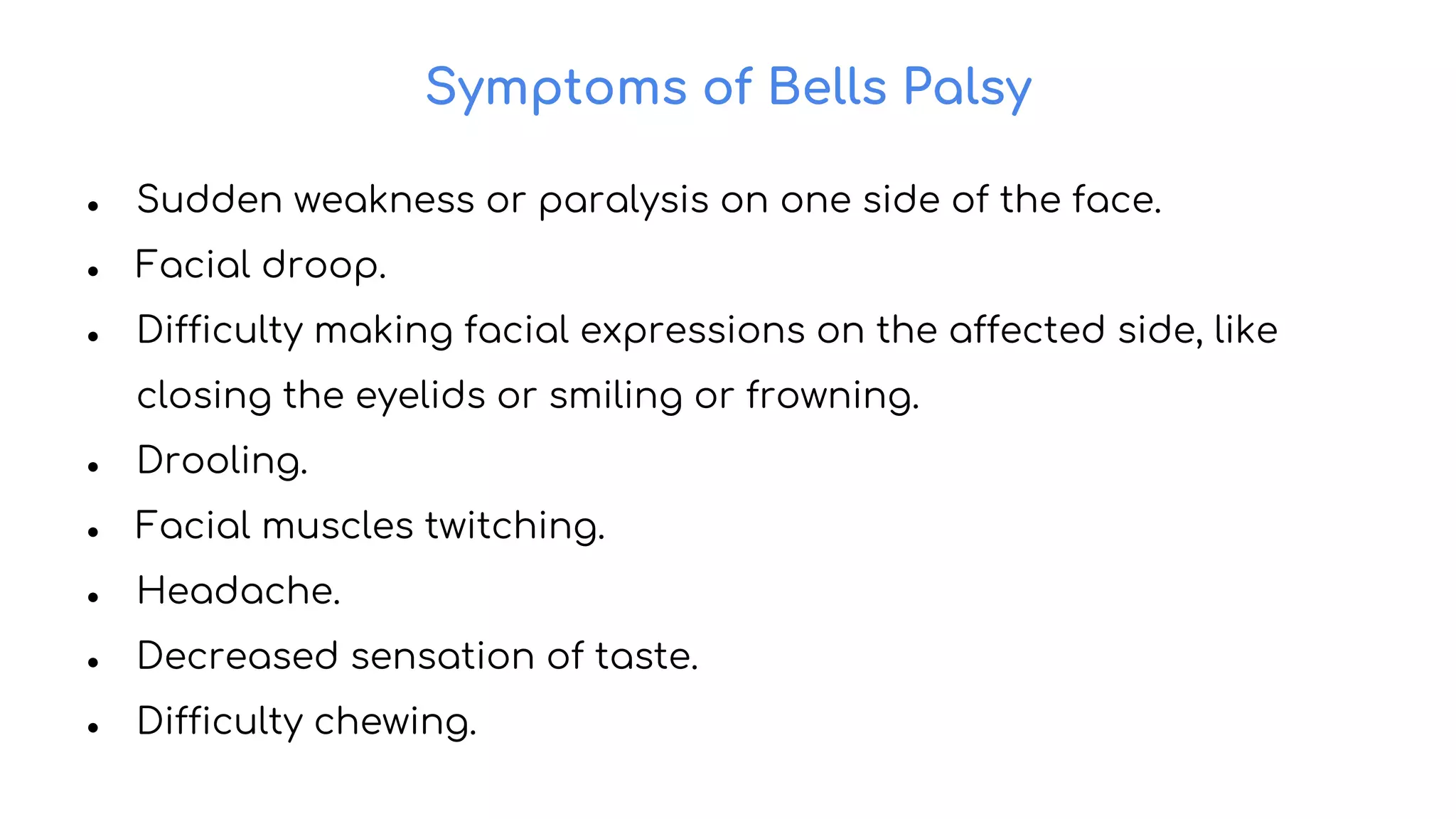
The hallmark of Bell’s palsy is its rapid onset. Individuals often wake up to find one side of their face feeling stiff or "heavy," followed quickly by a visible droop. Symptoms typically peak within 48 to 72 hours. Because the facial nerve controls multiple functions, the impact goes beyond mere aesthetics.
Common clinical symptoms include:
- Facial Weakness: A drooping appearance on one side of the face, making it difficult to close the eye or smile on that side.
- Drooling: Due to a lack of control over the muscles around the mouth.
- Taste Changes: Because the facial nerve also carries signals for taste, some patients experience a diminished sense of taste at the front of the tongue.
- Sensitivity to Sound: Hyperacusis, or increased sensitivity to sound, can occur if the nerve branch to the stapedius muscle in the ear is affected.
- Dryness: Reduced tear production or saliva production due to nerve interference.
Clinical Diagnosis and Standard Medical Evaluation
There is no single "Bell’s palsy test." Diagnosis is one of exclusion, meaning a physician must first rule out other more serious conditions that present with similar facial weakness, such as a stroke, Lyme disease, tumors, or severe ear infections.
A standard medical evaluation in 2026 involves:
- Physical Examination: A neurologist or primary care physician tests the facial muscles by asking the patient to smile, frown, blink, and close their eyes tightly.
- Neurological Assessment: Checking for other nerve involvement. Unlike a stroke, which often impacts other parts of the body or cognitive function, Bell’s palsy is strictly confined to the facial nerve.
- Blood Work and Imaging: Depending on the clinical suspicion, a doctor may order an MRI or CT scan to rule out structural issues, or blood tests to check for underlying viral markers or Lyme disease antibodies.
Comparison of Facial Paralysis Causes
| Condition | Primary Cause | Typical Onset | Other Indicators |
|---|---|---|---|
| Bell's Palsy | Viral/Inflammatory | Sudden (Hours) | Isolated to facial nerve |
| Stroke | Vascular/Blood Clot | Sudden | Arm/leg weakness, speech difficulty |
| Lyme Disease | Borrelia bacteria | Gradual | Tick bite, rash, joint pain |
| Tumor | Growth/Compression | Slow/Progressive | Chronic headaches, hearing loss |
Treatment Strategies and Recovery Outlook
Most cases of Bell’s palsy resolve on their own without specific intervention, but medical management is often employed to shorten the recovery time and prevent complications.
Pharmacological Interventions
Doctors frequently prescribe oral corticosteroids, such as prednisone, to reduce inflammation around the facial nerve. To be most effective, these should be started within 72 hours of symptom onset. If a viral cause is strongly suspected, antiviral medications may be used in conjunction with steroids, though their efficacy remains a topic of nuanced debate in clinical literature.
Eye Care: A Critical Precaution
The most immediate physical risk during the acute phase is the inability to close the eyelid on the affected side. This leaves the cornea exposed and susceptible to drying, injury, and infection. Patients are generally advised to:
- Use lubricating eye drops or artificial tears throughout the day.
- Apply eye ointment at night to keep the eye protected.
- Use a protective patch or tape the eye shut while sleeping if the blink reflex is compromised.
Physical Therapy and Long-term Recovery
For individuals who experience lingering weakness or improper muscle reinnervation (synkinesis), facial physical therapy can be beneficial. This involves specialized exercises to improve muscle tone and coordination. The majority of patients achieve near-complete recovery within three to six months, though a small percentage may experience residual weakness or nerve-related twitching.
Frequently Asked Questions
Is Bell’s palsy permanent? For the vast majority of patients, Bell's palsy is not permanent. Most individuals see significant improvement within three weeks, and a full recovery within six months. While some patients may have mild residual symptoms, total permanent paralysis is rare.
How does Bell's palsy differ from a stroke? A stroke usually involves the brain and presents with additional symptoms like slurred speech, limb weakness, or difficulty walking. Bell's palsy is a peripheral nerve issue specifically isolated to the facial nerve, meaning the weakness is contained to the face. If you experience sudden facial drooping, seek emergency medical care immediately to rule out a stroke.
Can stress trigger Bell’s palsy? While stress is not a direct "cause" of the viral inflammation associated with Bell's palsy, it is often cited in anecdotal reports as a preceding factor. High stress can impact the immune system, potentially making an individual more susceptible to the reactivation of dormant viruses.
Is it possible to get Bell’s palsy twice? Recurrence is possible but uncommon. Research suggests that fewer than 10% of people who have had Bell's palsy will experience a second episode. Those who do have recurrent episodes should consult with a neurologist to investigate potential underlying systemic issues.
What is the role of physical therapy in recovery? Physical therapy is primarily used to manage synkinesis (involuntary muscle movement) and to help retrain the facial muscles after the nerve has begun to heal. It is not usually required during the initial acute stage but is very effective during the rehabilitation phase.
Professional Medical Advice Disclaimer
The information provided here is for educational purposes and should not be construed as personal medical advice. Symptoms of facial paralysis should always be evaluated by a qualified healthcare professional. If you or someone you know experiences sudden facial weakness, go to the nearest emergency department to rule out time-sensitive conditions like a stroke.
Next Steps for Patients
If you are currently experiencing symptoms or have concerns about recovery, start by scheduling an appointment with a neurologist. Keep a log of your symptoms, noting when they began and whether you have experienced other issues like ear pain or changes in taste. Bringing this documentation to your appointment will assist your physician in conducting an accurate assessment and developing an appropriate care plan tailored to your specific health history.
Image Gallery