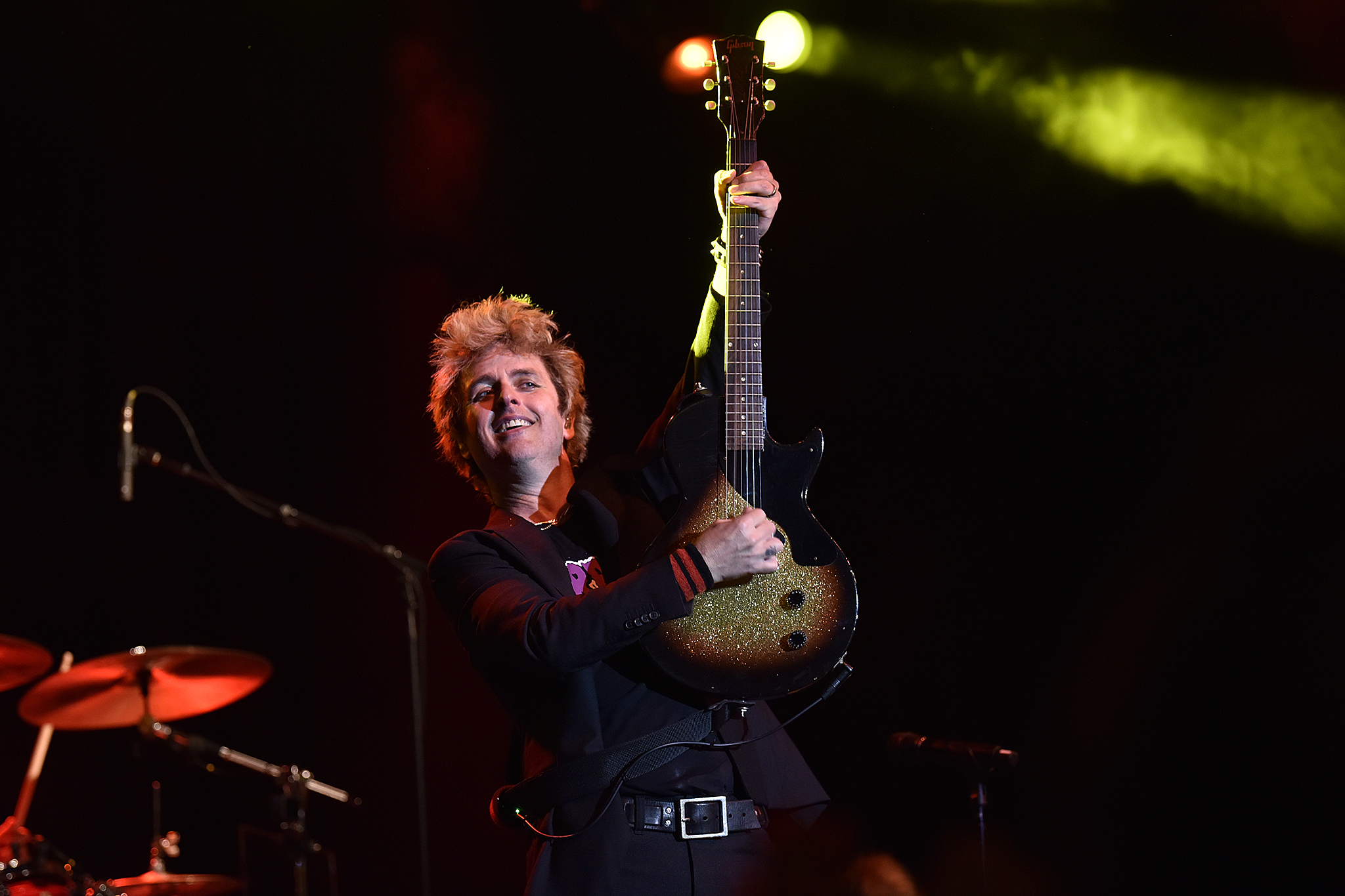
Billie Joe Armstrong: The Iconic Voice and Frontman of Green Day
The main singer and primary songwriter of the American punk rock band Green Day is Billie Joe Armstrong. Co-founding the group in 1987 alongside bassist Mike Dirnt, Armstrong serves as the band's lead vocalist, rhythm guitarist, and ch...
The main singer and primary songwriter of the American punk rock band Green Day is Billie Joe Armstrong. Co-founding the group in 1987 alongside bassist Mike Dirnt, Armstrong serves as the band's lead vocalist, rhythm guitarist, and chief lyricist, guiding Green Day from its origins in the California underground punk scene to global stardom.
Contents
Who Is Green Day's Main Singer? Overview and Early Life
Billie Joe Armstrong was born on February 17, 1972, in Oakland, California, and raised in the nearby town of Rodeo. The youngest of six children, Armstrong developed a passion for music at a very early age. When he was just five years old, he recorded his first song, titled "Look for Love," at Fiat Records, a local recording label. His mother, Ollie, worked as a waitress at the Rod's Hickory Pit venue, while his father, Andrew "Andy" Armstrong, was a truck driver and part-time jazz musician. Following his father's passing in 1982 when Billie Joe was ten years old, music became an even more central outlet for his self-expression.
Around this same time, Armstrong met Michael Ryan Pritchard—who would later adopt the stage name Mike Dirnt—in their middle school cafeteria. Bound by a mutual love for alternative rock and early punk bands such as Ramones, The Replacements, and Operation Ivy, the duo formed their first serious musical endeavor, a group called Sweet Children, in 1987 when they were fifteen years old.
- Sweet Children (1987)
- Renamed Green Day (1989)
- Debut Album 39/Smooth (1990)
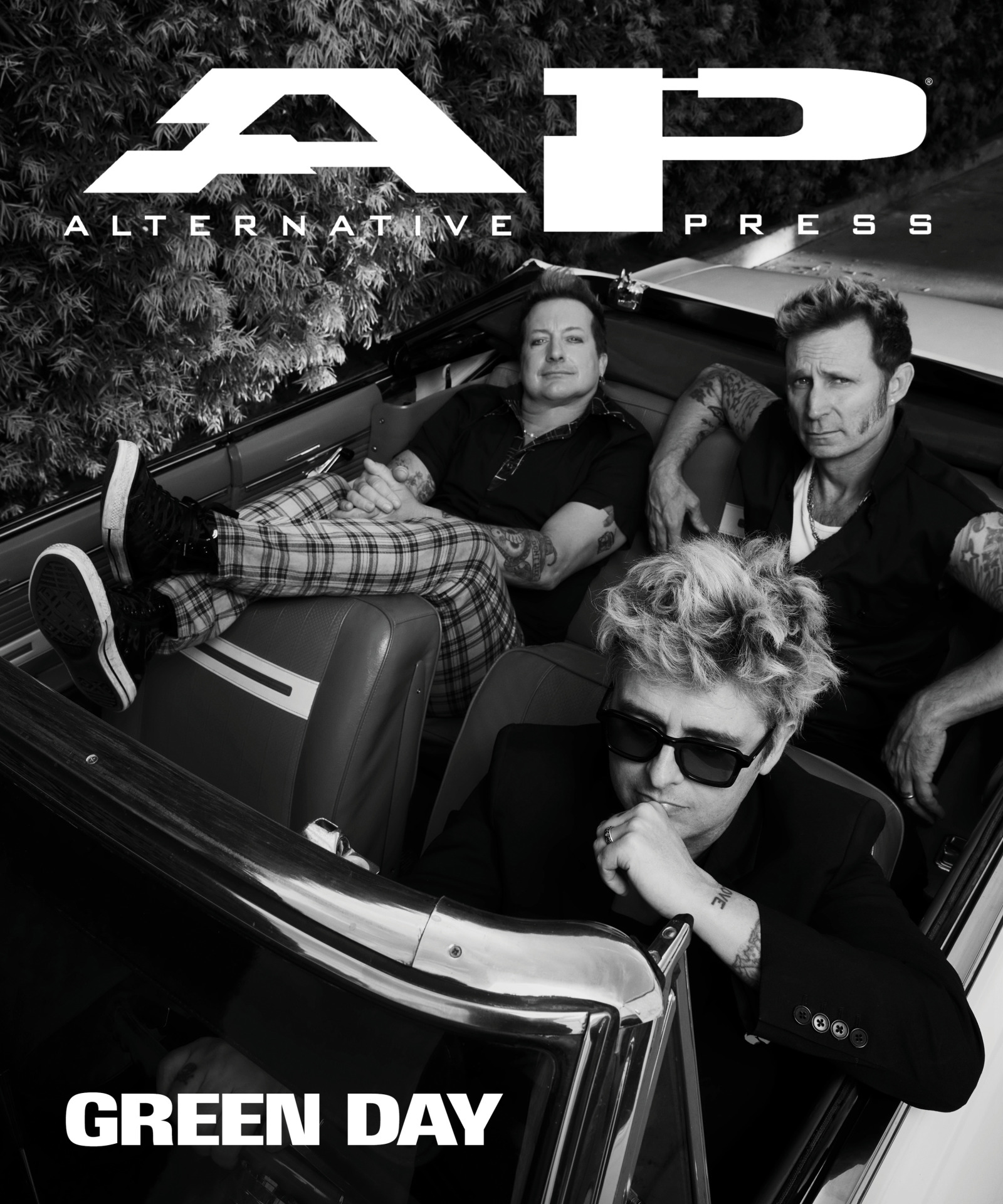
In 1989, the group officially changed its name to Green Day to avoid confusion with another local San Francisco Bay Area band, Sweet Baby. Shortly after releasing their early independent work on Lookout! Records, original drummer John Kiffmeyer (Al Sobrante) left the group to attend college. He was replaced by Frank Edwin Wright III, known professionally as Tré Cool, establishing the classic three-piece lineup that has endured for decades.
The Green Day Journey: Breakthrough, Evolution, and Cultural Impact
Under Armstrong's leadership, Green Day played a pivotal role in bringing pop-punk into mainstream culture during the mid-1990s. The band’s evolution can be understood across distinct eras of commercial and artistic growth.
- 1990: Debut LP "39/Smooth" on Lookout! Records
- 1994: Breakthrough LP "Dookie" (Diamond Certified)
- 1997: Acoustic crossover hit "Good Riddance" (Nimrod)
- 2004: Multi-platinum rock opera "American Idiot"
- 2015: Inducted into the Rock and Roll Hall of Fame
- 2024: 14th studio album "Saviors" released
The Underground Years and Major-Label Breakthrough (Dookie)
After releasing early independent studio albums—39/Smooth (1990) and Kerplunk (1991)—on the independent label Lookout! Records, Green Day caught the attention of major record companies. The band signed with Reprise Records and released their third studio album, Dookie, in February 1994.
Driven by Armstrong's infectious melodies, fast tempo rhythm guitar work, and relatable lyrics dealing with anxiety, boredom, and apathy, Dookie became a monumental commercial hit. Featuring iconic singles such as "Basket Case," "Longview," "When I Come Around," and "She," the album sold over 10 million copies in the United States alone, achieving RIAA Diamond certification and winning the Grammy Award for Best Alternative Music Performance in 1995.
Experimental Growth and Musical Diversification (1995–2000)
Following the explosive success of Dookie, Armstrong and his bandmates deliberately leaned into darker and more aggressive sounds with Insomniac (1995). Tracks like "Geek Stink Breath" and "Brain Stew" showcased a heavier, abrasive tone that alienated some casual listeners but solidified their standing among core rock fans.
By 1997, Armstrong pushed the band's sonic boundaries with Nimrod. The album incorporated diverse genres, including acoustic ballads, surf rock, and ska punk. The standout track, "Good Riddance (Time of Your Life)," featured Armstrong soloing on acoustic guitar accompanied by a string arrangement. The song became a massive crossover hit, widely featured in television finales, graduations, and major cultural events. In 2000, the band released Warning, an album heavily influenced by acoustic folk-punk and traditional pop songcraft.
The Rock Opera Renaissance: American Idiot and 21st Century Breakdown
In 2004, Green Day mounted one of the most remarkable career comebacks in rock history with the release of American Idiot. Conceived by Armstrong as a narrative rock opera, the concept album critiqued early-2000s American media, political division, and social alienation through the eyes of fictional characters like the "Jesus of Suburbia."
American Idiot debuted at number one on the Billboard 200 chart, sold over 16 million copies worldwide, and won the Grammy Award for Best Rock Album in 2005. Its title track, along with anthems like "Boulevard of Broken Dreams," "Holiday," and "Wake Me Up When September Ends," propelled Green Day into stadium-headlining status. The album was later adapted into a Tony Award-winning Broadway musical, in which Armstrong occasionally performed onstage as the character St. Jimmy.
Green Day followed this ambitious approach with 21st Century Breakdown (2009), another ambitious rock opera that earned the band another Grammy for Best Rock Album. In 2015, in their first year of eligibility, Armstrong and his bandmates were inducted into the Rock and Roll Hall of Fame.
Vocal Style, Songwriting, and Signature Equipment
Billie Joe Armstrong’s impact as a frontman relies heavily on his distinct vocal delivery, highly personal songwriting style, and recognizable guitar setups.
Vocal Tone and Phrasing
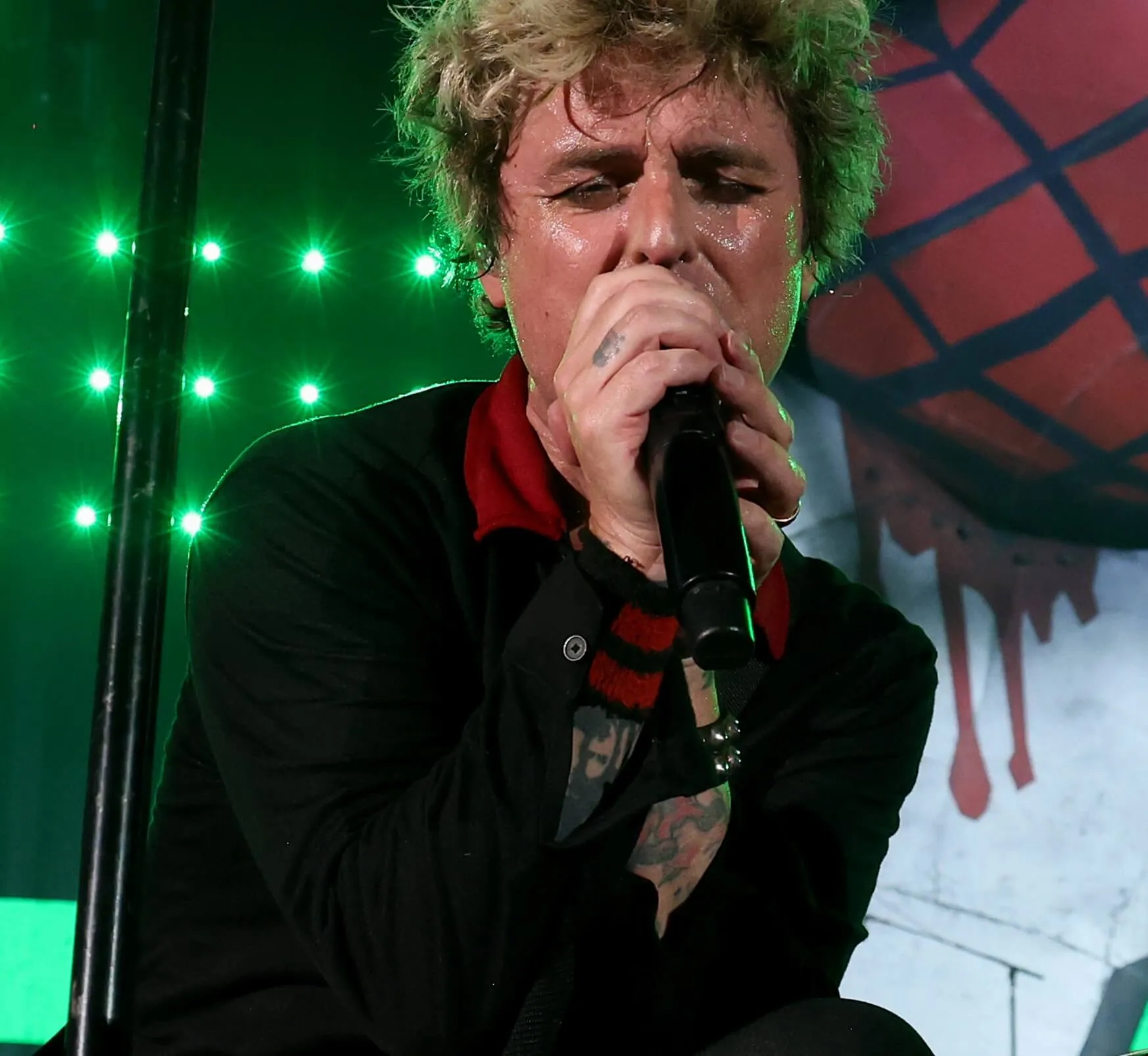
Armstrong’s singing style blends energetic punk sneer with melodic pop structures. Early in Green Day’s career, his vocal delivery featured an accented, slightly drawn-out West Coast punk cadence. Over time, his vocal control expanded significantly, allowing him to transition seamlessly between quiet, introspective acoustic singing and powerful belting in arena settings. His songwriting frequently explores themes of:
- Individual identity and teenage alienation
- Personal struggles with mental health and substance dependency
- Romantic heartbreak and loyalty
- Socio-political disillusionment and anti-war critique
Signature Guitars and Gear
Armstrong's tone is central to Green Day's driving sound. Throughout his career, he has primarily relied on two main types of electric guitars:
- "Blue" (Fernandes Stratocaster Copy): Given to Armstrong by his mother when he was eleven years old, this sky-blue guitar—adorned with stickers, a red strap, and a slanted Seymour Duncan SH-4 JB humbucker in the bridge position—was used heavily during the recording of Dookie and remains his primary instrument for playing classic 1990s material live.
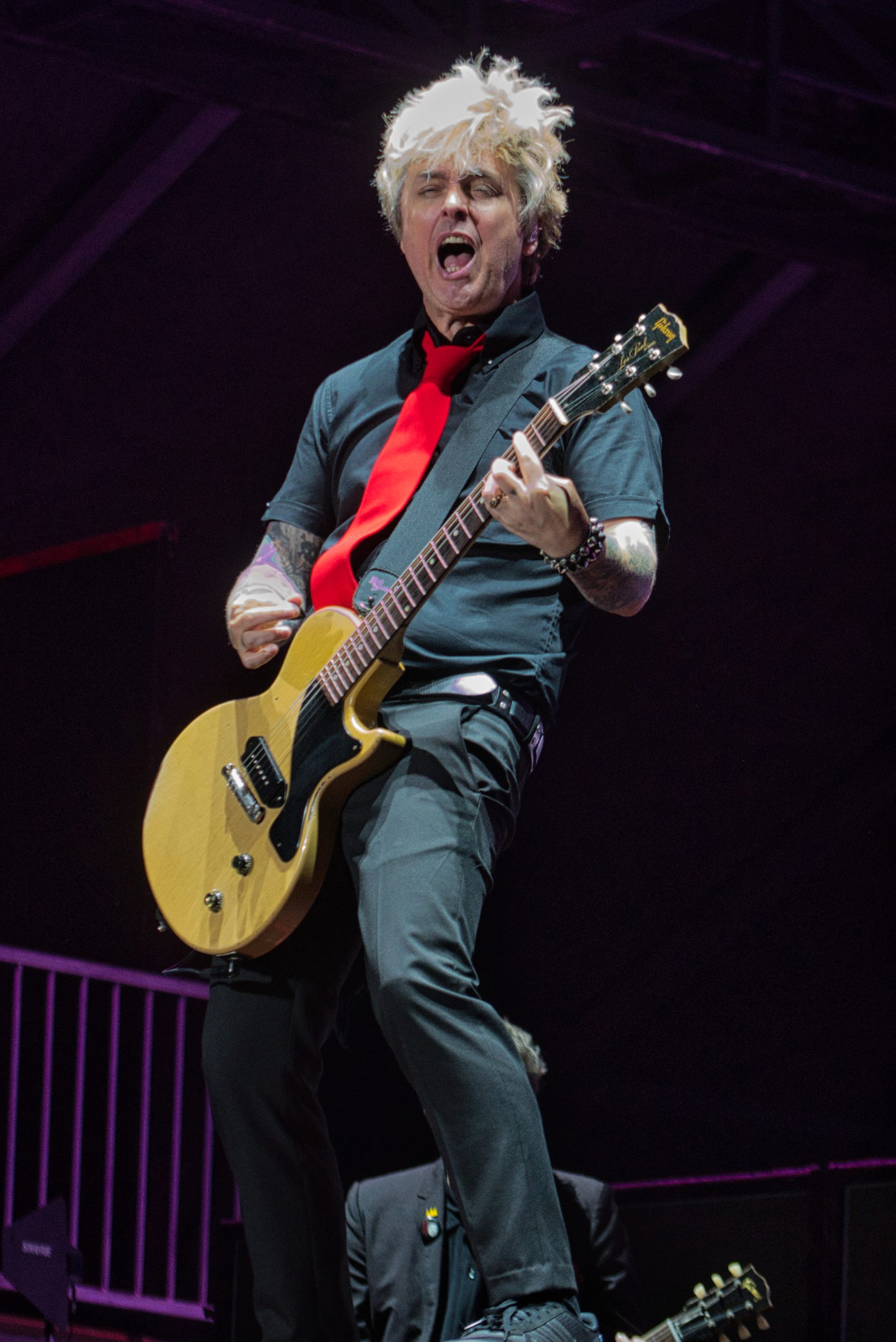
- Gibson Les Paul Junior: Beginning around the Warning and American Idiot eras, Armstrong adopted 1950s single-cut Gibson Les Paul Juniors equipped with P-90 single-coil pickups. Gibson has produced multiple signature Billie Joe Armstrong Les Paul Junior models to replicate his punchy mid-range overdrive.
| Equipment Category | Primary Gear / Setup Details |
|---|---|
| Main Studio/Live Guitar | 1956 Fernandes Stratocaster Replica ("Blue") |
| Alternative Main Guitar | Vintage & Signature Gibson Les Paul Juniors (P-90s) |
| Amplifiers | Modded Marshall Super Lead 100W Heads ("Pete" & "Meat") |
| Guitar Pickups | Seymour Duncan SH-4 JB (in "Blue"), Gibson P-90 Dogear |
| Acoustic Guitars | Gibson J-45 Signature Models |
Armstrong’s primary amplifier setup relies on custom-modified Marshall Super Lead 100-watt amp heads, famously nick-named "Pete" and "Meat" (or "Doobie"), modified by technician Martin Golub to deliver a blend of classic crunch and modern high-gain clarity.
Key Discography and Career Highlights
The following table summarizes Green Day's landmark studio albums, release milestones, and Armstrong's primary contributions to each project.
| Album Title | Release Year | RIAA Certification (US) | Key Hit Singles | Armstrong's Songwriting Focus |
|---|---|---|---|---|
| 39/Smooth | 1990 | Gold | "Going to Pasalacqua", "Paper Lanterns" | Teenage angst, unrequited romance, early DIY punk melodies. |
| Dookie | 1994 | Diamond (10x Platinum) | "Basket Case", "Longview", "When I Come Around" | Anxiety, panic attacks, boredom, suburban frustration. |
| Insomniac | 1995 | 2x Platinum | "Geek Stink Breath", "Brain Stew", "J.A.R." | Darker tone, insomnia, burnout, fatigue from sudden fame. |
| Nimrod | 1997 | 2x Platinum | "Hitchin' a Ride", "Good Riddance (Time of Your Life)" | Genre experimentation, folk crossover, acoustic balladry. |
| Warning | 2000 | Gold | "Minority", "Warning", "Waiting" | Acoustic pop-punk, social satire, structural folk influence. |
| American Idiot | 2004 | 6x Platinum | "American Idiot", "Boulevard of Broken Dreams" | Political narrative, youth disillusionment, rock opera structure. |
| 21st Century Breakdown | 2009 | Platinum | "Know Your Enemy", "21 Guns" | Multi-act conceptual storytelling, political unrest. |
| Revolution Radio | 2016 | Platinum | "Bang Bang", "Still Breathing" | Personal reflection, gun culture critique, return to trio roots. |
| Saviors | 2024 | Gold | "The American Dream Is Killing Me", "Dilemma" | Modern political commentary, addiction recovery, classic power-pop. |
Side Projects, Acting, and Outside Ventures
While Green Day remains Billie Joe Armstrong’s principal band, he has routinely explored other musical and artistic projects:
- Pinhead Gunpowder: An underground punk group formed in 1991 featuring Armstrong on guitar and vocals alongside Aaron Cometbus, Sarah Kirsch, and Jason White.
- The Network: A new wave/synth-punk side project formed in 2003 featuring the members of Green Day performing in mask disguises under pseudonyms (Armstrong performing as "Fink").
- Foxboro Hot Tubs: A garage rock side project formed in 2007 by Green Day members, releasing vintage 1960s-inspired rock tunes like "Mother Mary."
- Foreverly (2013): A duet album recorded with singer-songwriter Norah Jones, featuring re-interpretations of traditional country and folk songs originally recorded by The Everly Brothers.
- Acting & Stage: Armstrong played the role of St. Jimmy in the Broadway musical production of American Idiot and starred as the lead character in the 2016 comedy-drama film Ordinary World.
Frequently Asked Questions
Has Billie Joe Armstrong always been the lead singer of Green Day?
Yes. Billie Joe Armstrong has served as the main singer, lead vocalist, and primary rhythm guitarist for Green Day since the group was originally formed as Sweet Children in 1987.
What is the name of Billie Joe Armstrong's famous sky-blue guitar?
His most famous guitar is named "Blue." It is a Fernandes Stratocaster copy given to him by his mother when he was 11 years old. Armstrong customized it with stickers, altered pickups, and a red strap, playing it on the majority of Green Day's early studio recordings and live concerts.
Did Billie Joe Armstrong write "Wake Me Up When September Ends"?
Yes. Armstrong wrote "Wake Me Up When September Ends" as a personal tribute to his father, Andrew Armstrong, who passed away from esophageal cancer in September 1982 when Billie Joe was ten years old.
What other bands has Billie Joe Armstrong performed with?
In addition to Green Day, Armstrong has recorded and performed with Pinhead Gunpowder, Foxboro Hot Tubs, The Network, The Longshot, and The Coverups. He also released a collaborative duet album with Norah Jones titled Foreverly.
Legacy and Next Steps for Fans
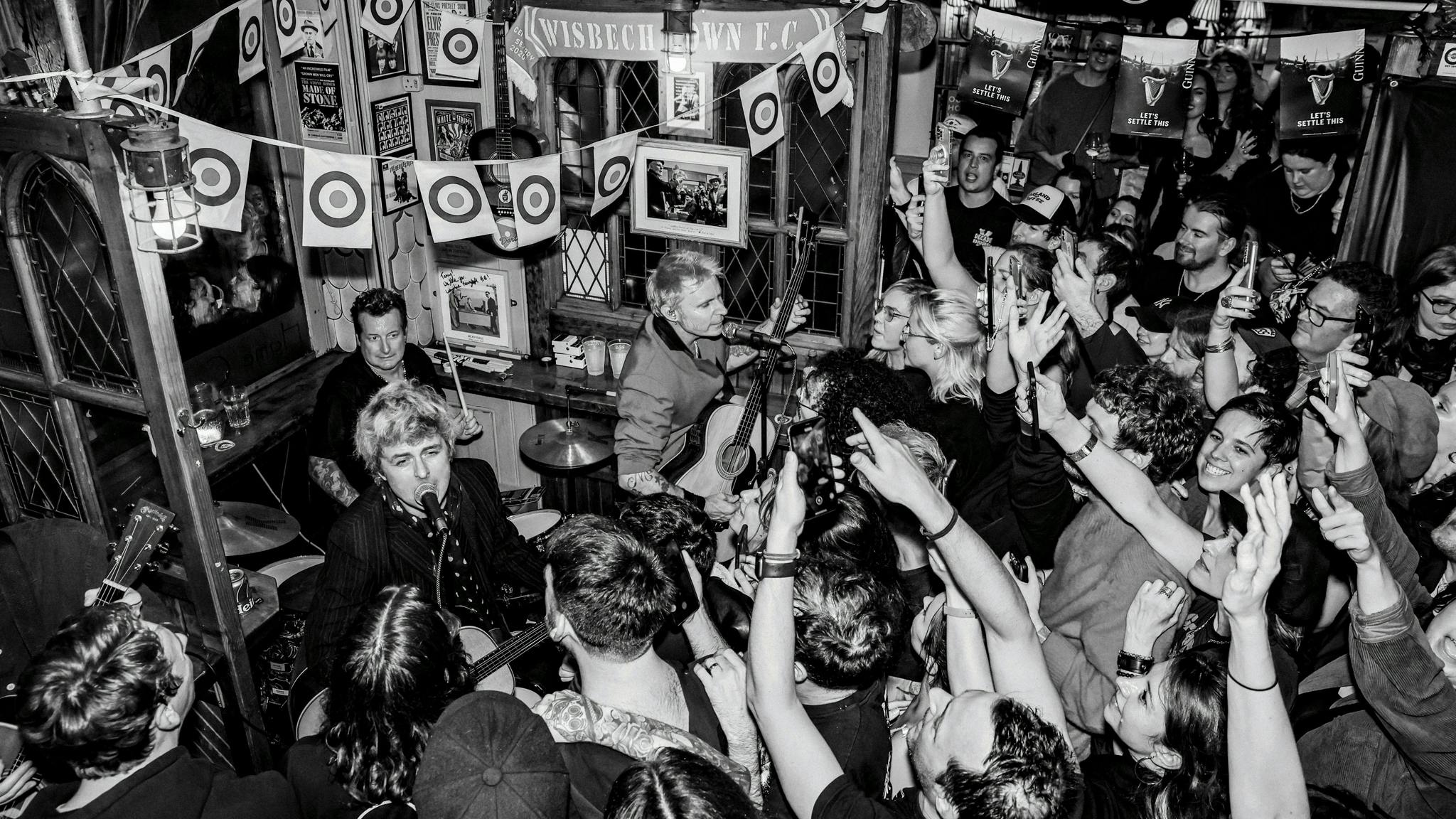
Billie Joe Armstrong remains one of the most recognizable frontmen in modern rock history. By blending fast-paced punk energy with unforgettable pop melodies and candid lyrical songwriting, he helped bridge the gap between underground punk subculture and international mainstream rock arenas.
For fans interested in exploring Armstrong's work further:
- Listen to Green Day's foundational albums, starting with Dookie (1994) for classic pop-punk and American Idiot (2004) for conceptual rock opera.
- Explore his side projects, such as Foreverly with Norah Jones or Pinhead Gunpowder's discography, to appreciate his vocal versatility outside of punk rock.
- Review official performance archives and concert documentaries, such as Bullet in a Bible (2005) or Awesome as Fuck (2011), to witness his stage presence as a live frontman.
Image Gallery